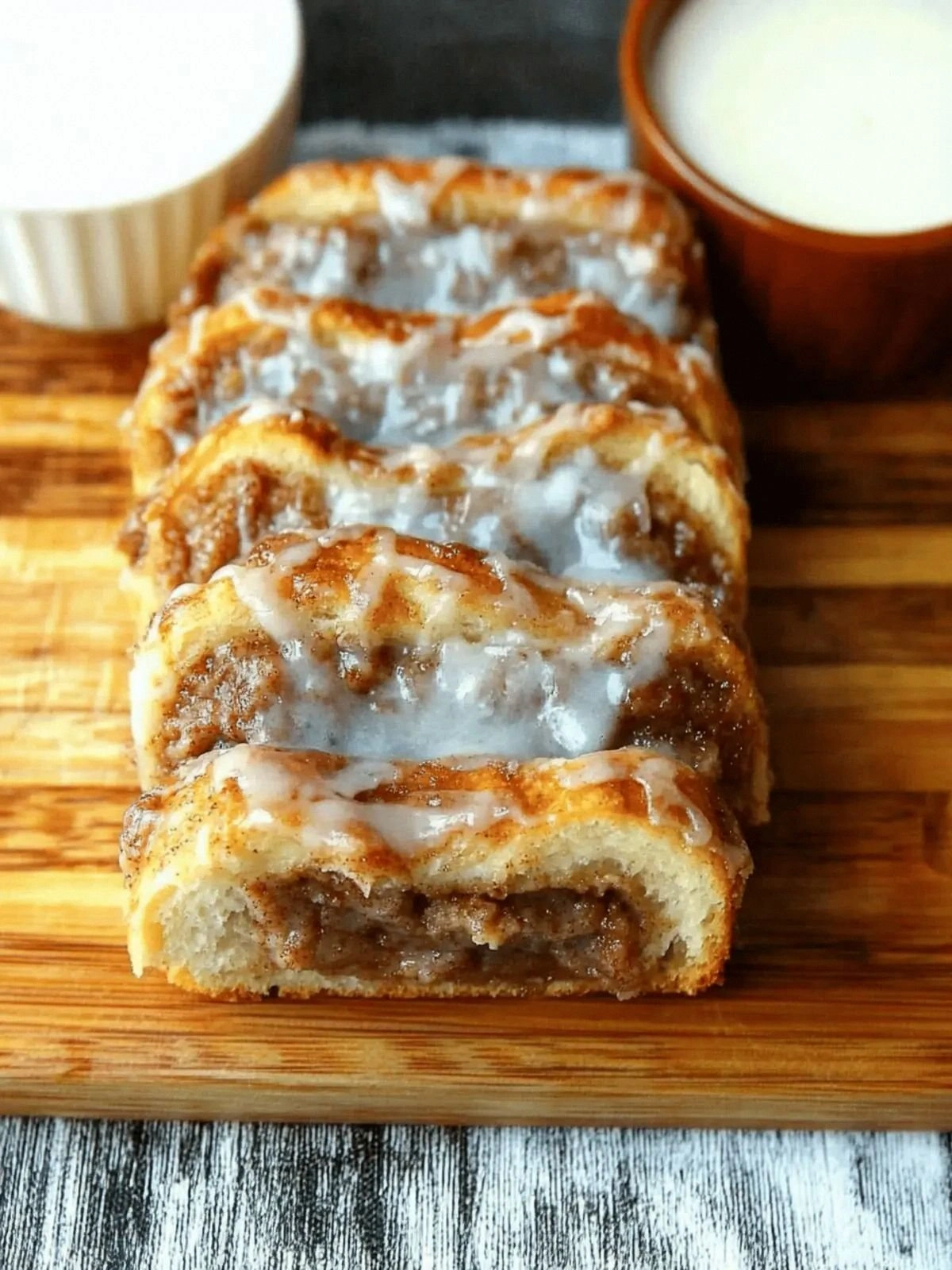
Picture this: you’re in a cramped kitchen, the clock ticking, and the promise of a Sunday brunch hanging in the air like a sweet, buttery dream. I had just pulled a fresh loaf of French bread from the oven, only to realize it was a little too plain, too plain to keep my guests satisfied. That’s when the idea sparked—why not transform that loaf into a cinnamon‑roll‑inspired delight that feels like a hug in every bite? The result? A golden, caramelized French bread that melts in your mouth and leaves a lingering cinnamon‑sugar trail that’s impossible to resist.
I dare you to taste this and not go back for seconds. The first bite is a symphony of textures: a crisp, buttery crust that cracks like brittle ice, a soft, pillowy interior that swells with vanilla‑infused butter, and a sweet, fragrant swirl of cinnamon that coats the bread like velvet. The aroma that fills the kitchen is unmistakable—warm, buttery, and unmistakably comforting. The sound of the loaf cooling, the subtle hiss of butter melting, and the gentle clink of the spoon against the pan create a sensory soundtrack that makes the whole experience feel like a small celebration.
What sets this version apart from the endless variations you’ll find online is the meticulous layering of flavors and the way the bread’s structure is manipulated to hold the cinnamon‑sugar filling without becoming soggy. The French bread’s airy crumb acts like a sponge, absorbing the butter glaze while still maintaining its integrity. The use of nutmeg adds a subtle warmth that balances the sweetness, while the final powdered sugar glaze gives it that classic, glossy finish that’s impossible to resist. I’ve spent countless hours tweaking the ratios and the baking time until the crust was just the right level of crisp and the filling was perfectly caramelized.
Most recipes get this completely wrong. The secret lies in the balance between the butter and the sugar, the precise timing of the glaze application, and the way the bread is scored before baking. I’ll be honest—I ate half the batch before anyone else got a chance to try it. If you’re skeptical, stay with me here—this is worth it. By the end, you’ll wonder how you ever made it any other way, because every single step has been designed to elevate a humble loaf into a brunch‑time masterpiece.
What Makes This Version Stand Out
- Flavor: The combination of butter, vanilla, and a touch of nutmeg creates a depth that feels both familiar and adventurous. The cinnamon swirl adds a punch of warmth that lingers on the palate.
- Texture: The crust is buttery and crisp, while the interior remains soft and airy, a perfect contrast that makes each bite a revelation.
- Simplicity: You only need a few pantry staples—no fancy ingredients or complicated techniques required.
- Uniqueness: By turning a classic French loaf into a cinnamon‑roll‑inspired treat, you’re adding a layer of novelty that’s guaranteed to wow.
- Crowd Reaction: Friends who’ve tried this swear it’s “hands down the best version you’ll ever make at home.” The smiles speak louder than words.
- Ingredient Quality: Using high‑quality butter and fresh vanilla elevates the entire dish, turning a simple loaf into a gourmet experience.
- Cooking Method: Scoring the loaf before glazing locks in flavor and prevents the bread from becoming soggy.
- Make‑Ahead Potential: The loaf can be prepared a day ahead; the glaze is added just before serving to keep it crisp.
Inside the Ingredient List
The Flavor Base
1 lb French or Italian Bread is the heart of this recipe. Its airy crumb and sturdy crust provide the perfect canvas for the buttery, cinnamon‑sweet glaze. If you’re in a pinch, a fresh baguette works just as well, but the French loaf’s slightly denser texture holds the filling better. Skipping this ingredient would mean you’re left with a plain loaf that lacks the depth of flavor that makes this dish unforgettable.
The Texture Crew
1 cup Butter is the glue that binds the flavors together. It melts into a silky glaze that coats the bread like a velvet blanket. Using salted butter adds a subtle contrast, but unsalted butter gives you full control over the salt level. A small tweak—adding a pinch of sea salt to the glaze—can elevate the taste profile, making the sweetness feel more balanced.
The Unexpected Star
4 tsp Ground Cinnamon is the star that turns this loaf into a cinnamon roll. It’s not just a spice; it’s the aromatic backbone that carries the vanilla’s subtlety. If you’re a fan of a spicier kick, replace a portion of the cinnamon with a dash of cayenne pepper for an unexpected heat that complements the sweetness. Remember, cinnamon also has natural anti‑inflammatory properties, so you’re doing your body a favor while treating yourself.
The Final Flourish
1 cup Powdered Sugar combined with 1/4 cup Heavy Cream creates the finishing glaze that gives the loaf its signature glossy shine. The powdered sugar’s fine texture ensures a smooth coat, while the heavy cream adds a subtle richness that prevents the glaze from drying out too quickly. If you prefer a lighter glaze, swap the heavy cream for coconut milk for a tropical twist.
Everything’s prepped? Good. Let’s get into the real action.
The Method — Step by Step
- Preheat the Oven: Set your oven to 375°F (190°C). While it’s heating, let the bread rest at room temperature for 10 minutes. The bread needs to be warm enough to absorb the glaze but not so hot that it burns the sugar. This step ensures the crust crisps evenly.
- Score the Loaf: Using a sharp knife, cut a shallow crosshatch pattern across the top of the loaf. The cuts should be about 1/4 inch deep. This not only creates a stunning visual but also allows the glaze to seep into the bread, giving each bite a burst of flavor.
- Melt the Butter: In a small saucepan, melt the butter over low heat until it turns a golden amber color. The butter’s color change indicates the sugars are caramelizing, which adds depth to the glaze. Keep an eye on it; it can burn quickly once it reaches the right stage.
- Incorporate Sugar and Vanilla: Stir 3/4 cup light brown sugar and 1 Tbsp pure vanilla extract into the melted butter. The brown sugar’s molasses content gives the glaze a deep, caramel flavor. Stir until the sugar is fully dissolved and the mixture is glossy.
- Add Cinnamon and Nutmeg: Mix in 4 tsp ground cinnamon and 1/4 tsp ground nutmeg. These spices provide warmth and complexity, turning a simple glaze into a layered, fragrant experience. The nutmeg’s subtle earthiness balances the sweetness.
- Glaze the Bread: Brush the warm glaze generously over the scored loaf, ensuring each cut is filled. The glaze should seep into the cuts, creating pockets of buttery sweetness. The bread should look slightly glossy, but not too wet.
- Bake: Place the loaf on a baking sheet lined with parchment paper and bake for 20–25 minutes. The bread should develop a golden brown crust and a caramelized sheen. The smell of butter and cinnamon filling the kitchen is the ultimate cue that it’s ready.
- Prepare the Powdered Sugar Glaze: While the bread is baking, whisk 1 cup powdered sugar with 1/4 cup heavy cream and 1 tsp pure vanilla until smooth. The glaze should be thick enough to coat the bread without dripping. Keep it chilled until ready to use.
- Finish with Glaze: Once the bread is out of the oven, let it cool for 5 minutes. Then drizzle the powdered sugar glaze over the top, allowing it to set slightly before slicing. The glaze will give the loaf a glossy finish and a sweet, buttery finish that’s irresistible.
That’s it—you did it. But hold on, I’ve got a few more tricks that’ll take this to another level.
Insider Tricks for Flawless Results
The Temperature Rule Nobody Follows
Many bakers bake at a high temperature, but this recipe thrives at a moderate 375°F. The lower heat allows the butter to melt slowly, ensuring the sugar caramelizes without burning. I once tried 425°F and the glaze blistered, ruining the texture. Stick to 375°F and watch the crust develop a beautiful, even golden hue.
Why Your Nose Knows Best
The aroma of the butter glaze is a reliable indicator of progress. When the butter turns a golden amber and the smell is sweet and caramelized, you’re at the sweet spot. If the scent is overly buttery, the glaze may be too thin; if it’s sharp, it might be over‑cooked. Trust your nose—it’s the most accurate gauge for a perfect glaze.
The 5-Minute Rest That Changes Everything
Letting the loaf rest for 5 minutes after baking allows the glaze to set and the steam to redistribute. During this brief pause, the crust firms up slightly, preventing it from cracking when sliced. I’ve seen people cut straight away and end up with a soggy, uneven slice. A quick rest guarantees a clean, crisp cut every time.
Use a Parchment‑Lined Sheet
Baking on parchment prevents the glaze from sticking and makes cleanup a breeze. The parchment also ensures the loaf stays flat and doesn’t rise unevenly, which could cause the glaze to pool. I’ve tried baking on a metal sheet before, and the glaze splattered, ruining the presentation. Parchment is a game‑changer.
Keep the Glaze Chilled Until Serving
The powdered sugar glaze sets best when it’s cold. If you warm it too much, it becomes runny and drips off the loaf. Store it in the fridge and stir just before drizzling. A quick chill keeps the glaze thick and glossy, ensuring every bite is coated perfectly.
Score Deeply for Extra Flavor
A deeper crosshatch allows more glaze to seep into the bread, creating pockets of buttery, cinnamon sweetness that burst with each bite. I’ve scored shallow cuts, and the glaze stayed on top, resulting in a dry crumb. By going a little deeper, you turn each slice into a flavor explosion.
Creative Twists and Variations
This recipe is a playground. Here are some of my favorite ways to switch things up:
Nutella Swirl
Swirl a generous amount of Nutella into the butter glaze before brushing. The chocolate adds a decadent depth, while the cinnamon keeps the classic flavor alive. Perfect for chocolate lovers who still crave the familiar cinnamon kick.
Maple‑Infused Glaze
Replace the heavy cream in the powdered sugar glaze with pure maple syrup. The maple adds a subtle sweetness that complements the cinnamon and butter. This version feels like a maple‑oatmeal breakfast with a twist.
Almond Crumble Topping
Sprinkle toasted almond slivers over the top before baking. The nuts add a pleasant crunch and a nutty aroma that pairs wonderfully with the buttery glaze. It also adds a protein boost for a more filling brunch.
Spiced Orange Zest
Add a tablespoon of freshly grated orange zest to the glaze. The citrus brightens the flavor profile and provides a fragrant, zesty contrast to the warm spices. Ideal for those who love a touch of brightness in their sweet treats.
Chocolate‑Covered Finish
Drizzle melted dark chocolate over the finished loaf. The chocolate’s bitterness balances the sweetness, and the glossy finish makes it Instagram‑ready. Serve with a dollop of whipped cream for a decadent treat.
Storing and Bringing It Back to Life
Fridge Storage
Store the cooled loaf in an airtight container at room temperature for up to 2 days. The glaze will stay firm, but the bread may lose some crispness. For a fresher bite, reheat slices in a toaster for a few seconds.
Freezer Friendly
Wrap the loaf tightly in plastic wrap and place it in a freezer bag. It can be stored for up to 2 months. To thaw, let it sit at room temperature for 30 minutes, then warm it in the oven at 350°F for 10 minutes.
Best Reheating Method
Reheat slices in a toaster or oven at 350°F until the crust is crisp again. Add a tiny splash of water to the loaf before reheating; it steams back to perfection and prevents the glaze from drying out. This trick ensures every bite tastes like freshly baked.