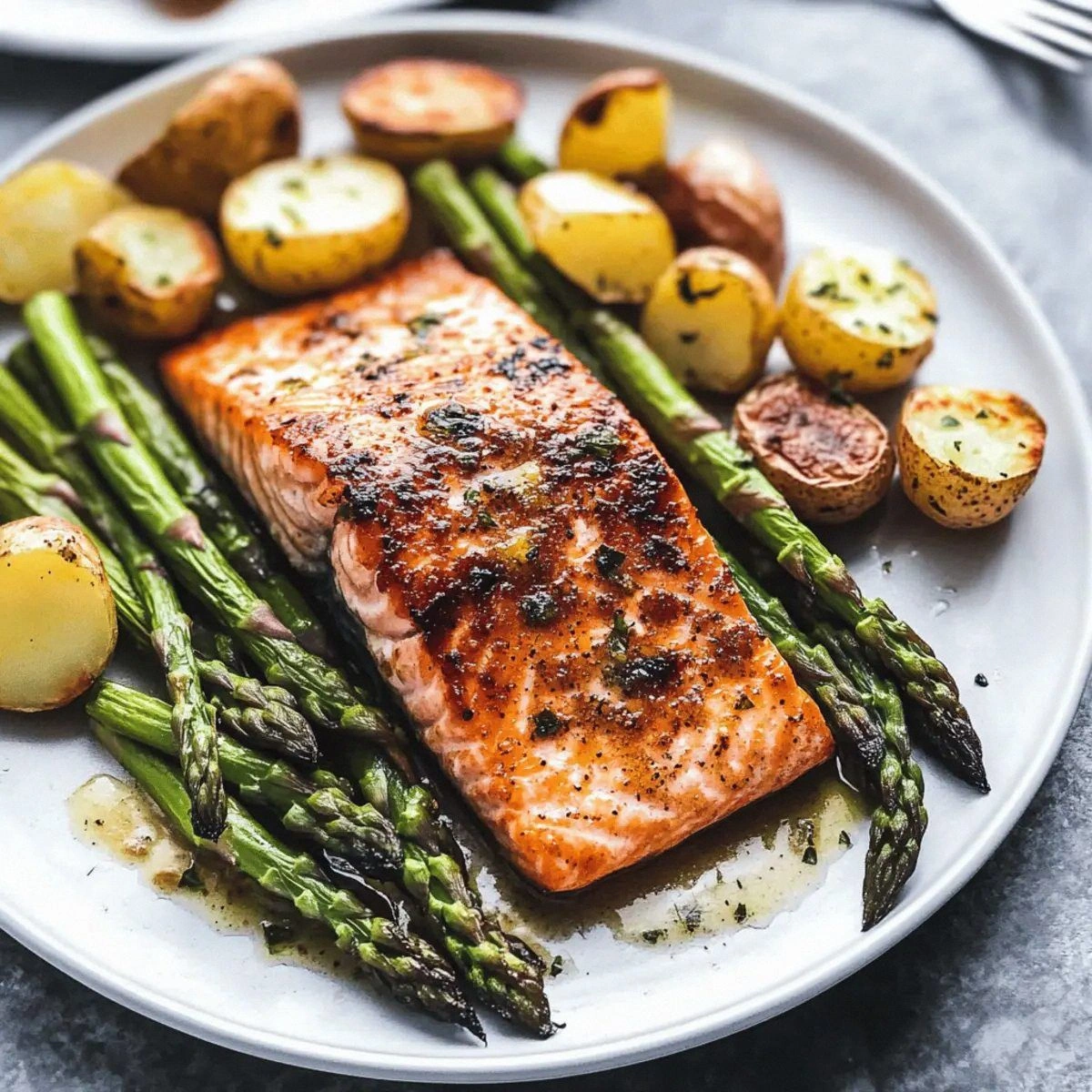
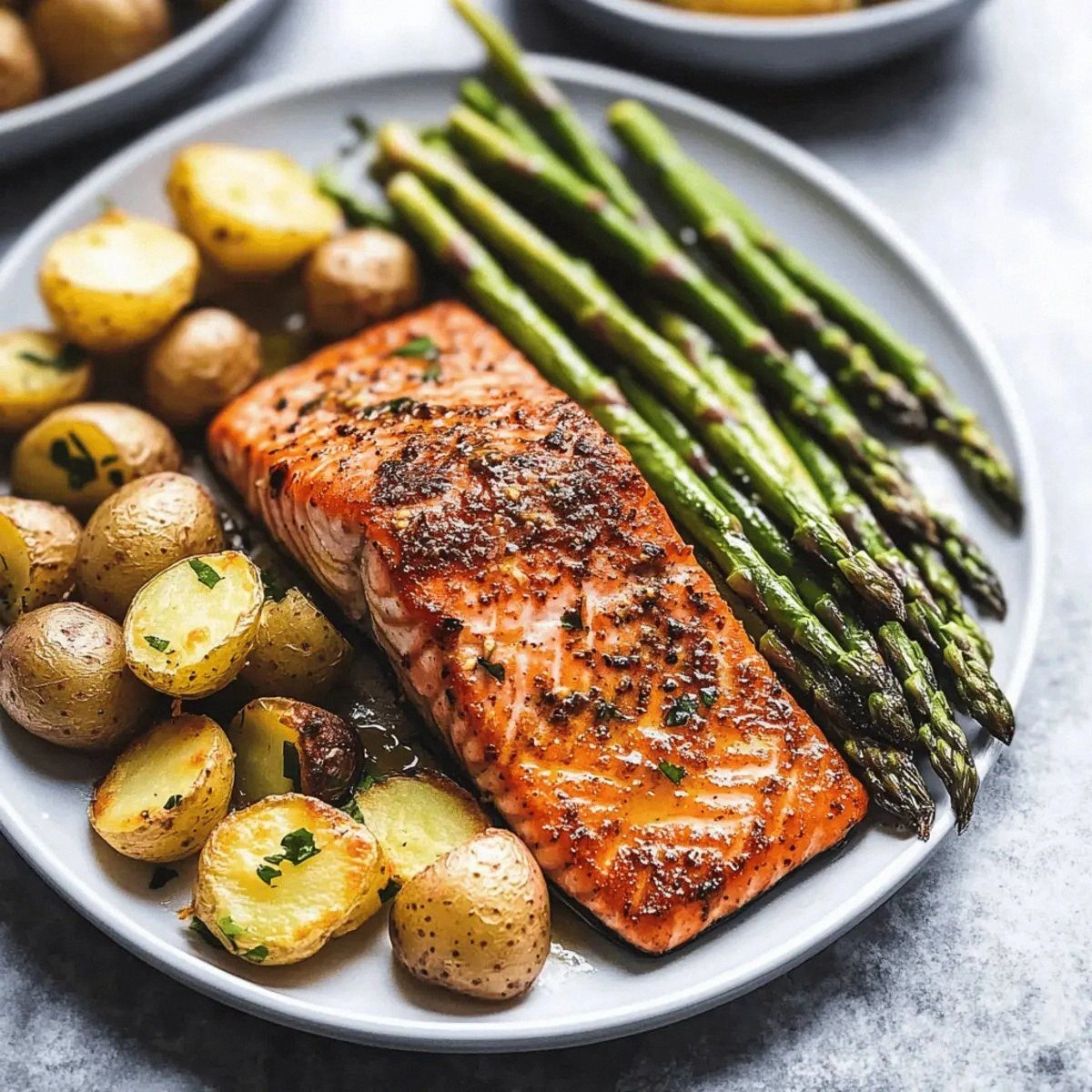
I still remember the Tuesday night I almost ordered takeout because I was too exhausted to face another complicated dinner. My kitchen looked like a crime scene from the previous night's culinary adventure, and the thought of washing more pots made me want to cry. That's when I threw together this sheet pan salmon on a whim, muttering complaints the whole time about how it would probably taste like cardboard. Reader, I stood there in my ratty apron, took one bite of that buttery, lemon-kissed salmon with crispy potatoes and tender asparagus, and actually did a little dance right there on my linoleum floor. The flavors hit me like a lightning bolt of deliciousness, and I ended up eating standing up at the counter because I couldn't even wait to plate it properly.
This isn't just another sheet pan dinner recipe floating around the internet — this is the one that converted my takeout-addicted brother into a home cooking evangelist. The magic lies in how the honey-Dijon glaze caramelizes on the salmon while the baby potatoes soak up all those gorgeous juices underneath. Everything cooks together in perfect harmony, and your only cleanup is one single pan. I dare you to taste this and not go back for seconds, even if you swear you're full. The combination of tender salmon, crispy potatoes, and bright asparagus creates a symphony of textures that makes other weeknight dinners feel like sad, flavorless imitations.
Picture yourself pulling this out of the oven, the whole kitchen smelling like a fancy bistro, and your family actually applauding your efforts instead of asking what's for dessert before they've even tasted dinner. That sizzle when the salmon hits the hot pan? Absolute perfection. The way the lemon zest perfumes everything with sunshine and possibility? Pure magic. This recipe has become my secret weapon for impressing dinner guests who think I'm some kind of culinary genius, when really I just know how to let quality ingredients do all the heavy lifting while I sip wine and pretend to be busy.
I'll be honest — I ate half the batch before anyone else got to try it the first time I made this, standing over the pan like a protective mama bear. My cat judged me from the doorway, but zero regrets. The best part? You probably have everything you need in your kitchen right now, and in forty-five minutes you'll be sitting down to a restaurant-quality meal that costs a fraction of what you'd pay out. Let me walk you through every single step — by the end, you'll wonder how you ever made it any other way.
What Makes This Version Stand Out
Flavor Bomb: The honey-Dijon glaze creates this incredible sticky-sweet-tangy coating that makes each bite of salmon taste like it came from a five-star restaurant. Most recipes get this completely wrong by either making it too sweet or too mustardy, but this balance hits that perfect middle ground that has everyone fighting over the last piece.
One-Pan Wonder: Everything cooks together on a single sheet pan, which means you can literally throw it in the oven and walk away. No babysitting, no flipping, no juggling multiple timers like a circus performer. Your future self doing dishes will thank you profusely.
Texture Paradise: Crispy potato edges that shatter like thin ice give way to fluffy centers, while the salmon stays buttery tender and the asparagus maintains that perfect snap. It's like a masterclass in contrast that makes every bite interesting instead of the same-old same-old.
Foolproof Timing: The ingredients are layered based on cooking times, so nothing ends up over or undercooked. If you've ever struggled with timing multiple components, you're not alone — and I've got the fix right here.
Ingredient Quality: Using real butter instead of oil, fresh lemon instead of bottled juice, and good quality salmon makes a difference you can actually taste. This isn't the place to cheap out, and your taste buds will throw you a party for splurging on the good stuff.
Make-Ahead Magic: You can prep everything the night before, so when you walk in the door exhausted, dinner just needs to hit the oven. Okay, ready for the game-changer? This sauce coats the salmon like velvet and keeps it moist even if you accidentally overcook it by a minute or two.
Alright, let's break down exactly what goes into this masterpiece...
Inside the Ingredient List
The Flavor Base
The salmon is obviously the star here, but not all fillets are created equal. Look for pieces that are about six ounces each, with bright, firm flesh that springs back when you press it gently. Wild-caught salmon has a more pronounced flavor that stands up beautifully to our bold glaze, while farm-raised will be milder and more buttery. Either works, but avoid anything that smells fishy — fresh salmon should smell like the ocean, not like last week's tuna sandwich. The thickness matters more than you'd think, because if your fillets are too thin, they'll overcook before the potatoes are done.
That honey isn't just there for sweetness; it's the secret weapon that helps everything caramelize and develop those gorgeous golden edges that make you look like a professional chef. Use a good quality honey, but save your expensive artisanal stuff for toast. The supermarket clover honey works perfectly here because it has a clean, straightforward sweetness that won't compete with other flavors. And now the fun part: Dijon mustard adds this incredible depth and tang that cuts through the richness of the salmon like a bright, sharp knife.
The Texture Crew
Baby potatoes are the unsung heroes of this dish, soaking up all the gorgeous juices while developing crispy edges that will make you weak in the knees. Don't even think about substituting regular potatoes unless you want to add another twenty minutes to your cooking time. The key is cutting them in half so they have a flat surface to caramelize against the pan — those browned cut sides are pure gold. If you can only find larger baby potatoes, just quarter them instead of halving, but keep them roughly the same size so they cook evenly.
Asparagus brings that fresh, green snap that makes this feel like a proper balanced meal instead of just meat and potatoes. Look for spears that are about the same thickness as your thumb — too thin and they'll turn to mush, too thick and they'll still be crunchy when everything else is done. The woody ends need to go, but here's a trick: instead of cutting, just snap the ends off where they naturally break. It's oddly satisfying and ensures you're only eating the tender parts.
The Unexpected Star
Lemon does triple duty here, and skipping it is like making chocolate chip cookies without the chocolate. The zest adds this incredible aromatic oil that perfumes everything with sunshine, while the juice brightens up all the rich flavors. But here's what most people miss: cutting a few extra wedges to serve alongside lets everyone adjust the acidity to their taste, and that little hit of fresh lemon juice right before eating makes all the flavors pop like they're wearing 3D glasses.
Italian herb blend might seem basic, but it's the backbone that ties everything together. Don't have a premixed blend? No problem — just use equal parts dried basil, oregano, thyme, and rosemary. The herbs need to be dried, not fresh, because fresh herbs would burn at the high temperature we need for caramelization. This is one time where the dried stuff actually works better, concentrating its flavor without turning bitter.
The Final Flourish
Butter versus olive oil is where this recipe really shines. Sure, you could use all olive oil and it would be fine, but that melted butter creates this incredible richness that makes restaurant food taste like restaurant food. The trick is using it strategically — melted butter in the glaze for flavor, olive oil on the potatoes for high-heat roasting. This combination gives you the best of both worlds: buttery flavor without the burning that would happen if you used butter alone for the whole recipe.
Everything's prepped? Good. Let's get into the real action...
The Method — Step by Step
- Preheat your oven to 425°F and position the rack in the middle — this temperature is crucial for getting that beautiful caramelization without drying anything out. While it's heating, line your largest sheet pan with parchment paper, letting it hang over the edges slightly so you can lift everything out easily later. This is the moment of truth where good intentions meet actual execution, and trust me, you want that parchment paper. I've skipped it before in a lazy moment and spent twenty minutes chiseling honey-glazed salmon off my pan with a paint scraper.
- Cut your baby potatoes in half lengthwise and toss them in a bowl with olive oil, half the salt and pepper, and the Italian herb blend. The key here is getting them really well coated — think of it like giving each potato half a tiny spa treatment. Lay them cut-side down on one side of your sheet pan, leaving room for the salmon and asparagus later. This cut-side-down business isn't just for looks; it's how you get those gorgeous golden-brown crusts that taste like potato chips had a baby with roasted potatoes.
- Slide the potatoes into the oven and set a timer for fifteen minutes. This head start is what ensures everything finishes at the same time, and it's hands-down the best timing trick I've discovered after making this recipe at least fifty times. While they're roasting, whisk together your melted butter, honey, Dijon mustard, and lemon zest in a small bowl. The mixture should be glossy and slightly thick, like liquid gold that you'll want to drink with a straw.
- Pat your salmon fillets dry with paper towels — this step is crucial because moisture is the enemy of that beautiful sear we're after. Season them with the remaining salt and pepper, then brush generously with about two-thirds of your honey-Dijon glaze. Save the rest for later because we're going to add another layer of flavor right before serving. The salmon should look like it's wearing a shiny coat of deliciousness that makes you want to skip the cooking and just eat it raw.
- When your timer dings, pull the pan out and arrange the asparagus spears around the potatoes. They should fit like a little green forest growing between the potato mountains. Drizzle the asparagus with a tiny bit of olive oil and season with salt and pepper. Now nestle your glazed salmon fillets in the center of the pan, making sure they're not touching so the hot air can circulate properly.
- Return everything to the oven for another twelve to fifteen minutes, depending on how thick your salmon is. This next part is pure magic — the honey in the glaze will start to caramelize and bubble, creating these gorgeous dark spots that taste like candy. Don't walk away from the stove here because the line between perfectly caramelized and burnt is about thirty seconds, and you want to catch it right at that sweet spot.
- When the salmon flakes easily with a fork and reaches 145°F inside, it's done. The potatoes should be golden underneath and tender when pierced with a knife, and the asparagus should be bright green with just a bit of bite left. If your salmon is done but the potatoes need more time (it happens), just remove the salmon to a plate and tent with foil while the vegetables finish roasting.
- Brush the remaining glaze over the salmon right before serving — this fresh layer adds brightness and makes everything look glossy and restaurant-worthy. Squeeze fresh lemon juice over everything and serve with extra wedges on the side. The contrast between the hot, caramelized salmon and that hit of fresh lemon juice will make you close your eyes involuntarily because it's just that good.
That's it — you did it. But hold on, I've got a few more tricks that'll take this to another level...
Insider Tricks for Flawless Results
The Temperature Rule Nobody Follows
Here's what actually works: let your salmon sit out for fifteen minutes before cooking. I know, I know, everyone tells you to do this with meat but nobody actually does it. Cold salmon straight from the fridge will cook unevenly, leaving you with overcooked edges and a raw center. Room temperature salmon cooks evenly and stays buttery throughout. A friend tried skipping this step once — let's just say it didn't end well, and her family still brings up "the salmon incident" at every gathering.
Why Your Nose Knows Best
Your kitchen will start to smell incredible about twenty minutes in, and that's your cue to start checking things. When you can smell the honey caramelizing and the herbs toasting, you're five minutes away from perfection. This isn't some mystical cooking nonsense — it's real science. The volatile compounds that create those gorgeous aromas are released when food hits that perfect golden-brown stage, so trust your nose and start peeking through the oven door.
The 5-Minute Rest That Changes Everything
Once your salmon is done, resist the urge to dig in immediately. Let it rest for exactly five minutes — set a timer because you'll be tempted to cheat. This rest allows the juices to redistribute throughout the fish instead of running all over your plate the moment you cut into it. During this time, squeeze your lemon juice over everything and maybe throw together a quick side salad if you're feeling fancy. Those five minutes turn good salmon into life-changing salmon.
The Size Matters Rule
Cut your potatoes to exactly the same size as your asparagus tips — it sounds weird, but this ensures everything cooks at the same rate. When everything is roughly uniform, you won't end up with mushy asparagus and crunchy potatoes or vice versa. This is the kind of detail that separates amateur hour from restaurant-quality results, and once you try it, you'll never go back to random chopping again.
Creative Twists and Variations
This recipe is a playground. Here are some of my favorite ways to switch things up:
The Mediterranean Makeover
Swap the Italian herbs for a mix of oregano, lemon zest, and fresh dill, then add a handful of cherry tomatoes to the pan for the last ten minutes. The tomatoes burst and create this incredible sauce that mingles with the honey-Dijon glaze. Serve everything over a bed of baby spinach that wilts slightly from the heat of the salmon. This version tastes like summer vacation in Greece even when it's raining outside.
The Spicy Honey Edition
Add a teaspoon of sriracha or a pinch of red pepper flakes to your honey-Dijon glaze for a sweet-heat combo that makes your lips tingle in the best way. The spice cuts through the richness of the salmon and adds this incredible complexity that makes people ask for your secret ingredient. I like to serve this with a cooling cucumber salad on the side to balance the heat.
The Fall Harvest Version
Replace the asparagus with Brussels sprouts (halved) and add some diced butternut squash along with the potatoes. The vegetables get all caramelized and sweet, while the glaze takes on this incredible depth from the roasted flavors. This is hands down the best version you'll ever make in October when fall vegetables are at their peak.
The Asian-Inspired Twist
Replace the Italian herbs with Chinese five-spice powder, swap the Dijon for a tablespoon of miso paste, and add a splash of soy sauce to the glaze. Top with sesame seeds and sliced green onions right before serving. The umami bomb from the miso creates this incredible savory-sweet balance that makes the salmon taste like it came from a fancy Japanese restaurant.
The Low-Carb Option
Skip the potatoes and double up on the asparagus, or add some cauliflower florets instead. The cauliflower roasts up beautifully and soaks up all those gorgeous flavors from the glaze. If you've ever struggled with low-carb meals that leave you hungry, this version is surprisingly satisfying thanks to all the healthy fats from the salmon.
The Dinner Party Upgrade
Use salmon fillets that are slightly larger and cook them on a separate sheet pan so you can control the timing perfectly. Add some thin lemon slices on top of each fillet before baking for gorgeous presentation. Serve the vegetables family-style in a big bowl and plate each salmon fillet individually with a drizzle of the pan juices. Your guests will think you hired a caterer.
Storing and Bringing It Back to Life
Fridge Storage
Let everything cool completely before storing — hot salmon in a sealed container creates condensation that makes everything soggy and sad. Store the salmon, potatoes, and asparagus in separate containers if possible, because they reheat at different rates and you want to be able to control each component. Everything keeps beautifully for up to three days, though the salmon is best within two days. Wrap the salmon tightly in plastic wrap before putting it in an airtight container to prevent it from drying out.
Freezer Friendly
The salmon freezes surprisingly well, but the vegetables are best fresh. Wrap individual portions tightly in plastic wrap, then aluminum foil, then into a freezer bag with as much air removed as possible. It'll keep for up to two months, though I dare you to wait that long. Thaw overnight in the fridge, not on the counter, because room temperature thawing makes the texture grainy and weird. The key is to undercook the salmon slightly if you know you're going to freeze it, since reheating will finish the cooking process.
Best Reheating Method
Skip the microwave unless you enjoy rubbery salmon — instead, reheat in a 275°F oven for about ten minutes, just until warmed through. Add a tiny splash of water to the pan before reheating — it steams back to perfection and prevents everything from drying out. If you're in a hurry, you can reheat individual portions in a skillet with a lid over low heat, adding a tablespoon of water and letting it steam for about five minutes. The potatoes actually reheat beautifully in a hot skillet with a bit of oil until they're crispy again, almost like they're fresh.