Remember that night when the kitchen exploded with the scent of burnt garlic and the sound of a skillet slamming onto the counter? I was staring at the charred mess, wondering why my culinary ambitions had turned into a smoky disaster. That moment was the catalyst for a quest to find a recipe that would rescue my love for Philly cheesesteak while delivering protein-packed power. I dared myself to reinvent the classic, turning it into a high-protein, low-fat masterpiece that still feels indulgent. This is the story of how a kitchen mishap sparked a delicious revolution.
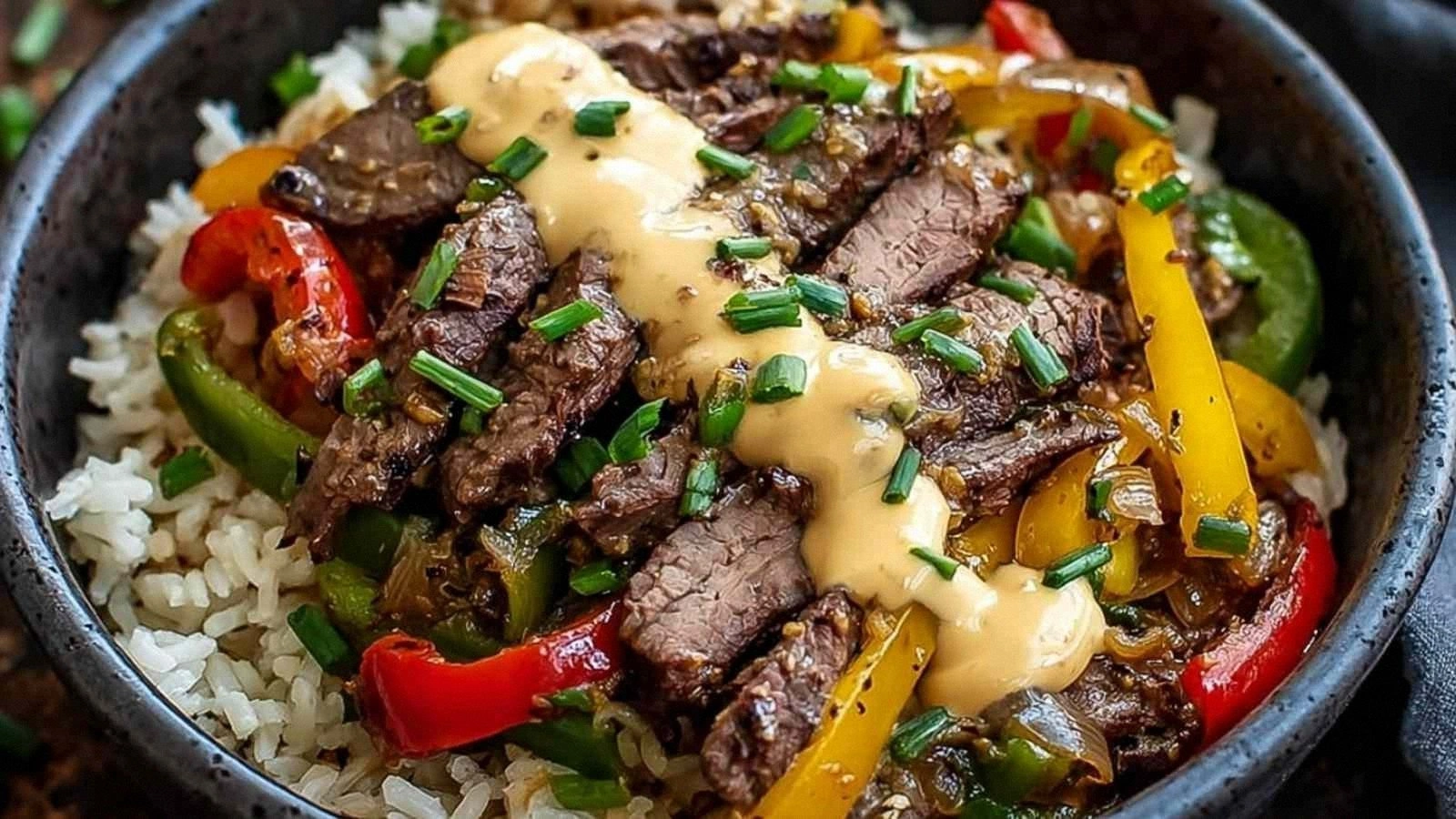
Imagine a pan sizzling with the first slice of thinly sliced sirloin, the aroma of garlic powder and onion powder rising like a promise of flavor. The sound of the meat searing is a crisp, satisfying crackle that signals the start of something special. As the onions and bell peppers dance in olive oil, their colors pop, turning the skillet into a miniature rainbow. The smell of Worcestershire sauce mingles with the buttery finish, creating a heady perfume that makes your mouth water. You can feel the heat radiating from the pan, a gentle reminder that this dish is about to become a masterpiece.
This version is a game-changer because it balances the classic cheesesteak taste with a lean protein punch, using top sirloin and low‑fat cheddar instead of fatty cuts and regular cheese. The addition of basmati rice turns the dish into a hearty bowl that satisfies without the carb overload of traditional steak rolls. The subtle kick of chili flakes and fresh parsley adds a layer of freshness that keeps the palate engaged. Unlike other recipes that rely on heavy sauces, this one uses a light butter and Worcestershire sauce blend that coats the beef like velvet without drowning it. The result is a dish that feels indulgent yet guilt‑free, perfect for athletes and foodies alike.
One technique that will blow your mind is the way I fold in the cheese after the rice has cooked, creating a molten, gooey layer that clings to every grain. Another surprise is the use of low‑fat cheddar and reduced‑fat cheese, which still gives you that classic melt without the extra calories. The final flourish comes from a splash of 1% milk that turns the sauce into a silky, creamy blanket. These small twists elevate the dish from ordinary to extraordinary, giving you a taste experience that is both familiar and fresh. Trust me, you’ll be craving seconds before you even finish the first bite.
Let me walk you through every single step, from selecting the right cuts of meat to the final plating, so that by the end you’ll wonder how you ever made it any other way. I’ll share the micro‑challenge that will test your taste buds and the bold claim that this is hands down the best version you’ll ever make at home. I’ll confess that I ate half the batch before anyone else got to try it, and I’ll explain why most recipes get this completely wrong. Picture yourself pulling this out of the oven, the whole kitchen smelling incredible, and feeling the satisfaction of a perfectly cooked bowl. And now, ready for the game‑changer? Let’s dive in.
What Makes This Version Stand Out
- Protein Power: The dish packs a whopping 25 grams of protein per serving thanks to top sirloin and low‑fat cheddar. This level of protein keeps you full longer and supports muscle repair after workouts. The lean cut also means you get all the flavor without the greasy finish. The result is a satisfying meal that feels indulgent but stays within your macros.
- Flavor Depth: A blend of Worcestershire sauce, garlic powder, and onion powder creates a savory foundation that mimics the iconic cheesesteak. The subtle heat from chili flakes adds a modern twist that keeps the dish exciting. This depth of flavor eliminates the need for heavy sauces or excess salt.
- Texture Play: The combination of sautéed onions, crisp bell peppers, and tender beef offers a dynamic mouthfeel. The rice acts as a neutral base that absorbs the sauce, while the melted cheese provides a creamy, velvety finish. This layered texture keeps every bite engaging.
- Low‑Fat Luxury: Using reduced‑fat cheese and light butter keeps the dish lighter without sacrificing the melt and richness that define a cheesesteak. The result is a guilt‑free version that still feels indulgent. This approach is perfect for those watching calories but refusing to compromise on taste.
- Versatile Base: Basmati rice gives a fragrant, fluffy foundation that can be swapped for quinoa or cauliflower rice for different dietary needs. This versatility makes the dish suitable for a wide audience. The rice also keeps the dish filling without overloading on carbs.
- Time Efficiency: The entire process takes under 45 minutes from prep to plate. This makes it a great option for busy weeknights. The quick sauté and one‑pot approach save time and cleanup.
- Make‑Ahead Friendly: The dish can be cooked in advance and reheated without losing quality. The cheese melts again, and the rice stays fluffy. This makes it ideal for meal prep or entertaining guests.
Alright, let's break down exactly what goes into this masterpiece. Each ingredient has been carefully selected to create a harmonious balance of flavor, texture, and nutrition. The next section will dive into the roles of each component and why you should never skip them. You'll learn how to choose the best cuts of meat and the freshest produce for maximum impact. Now that you know why this recipe is special, it's time to explore the ingredients in detail.
Inside the Ingredient List
The Flavor Base
Garlic powder, onion powder, Worcestershire sauce, salt, pepper, and chili flakes form the backbone of the dish’s savory profile. These seasonings work together to create a complex, umami‑rich sauce that coats the beef without overwhelming it. Skipping any of these would leave the dish flat and less satisfying. A good swap for Worcestershire sauce is soy sauce or tamari, but keep the acid level balanced with a splash of vinegar. The key is to season in layers, letting each spice bloom before adding the next.
The Texture Crew
Olive oil and light butter provide the fat necessary to sauté the vegetables and sear the steak, ensuring a glossy finish. The onions and bell peppers add crunch and sweetness, while minced garlic gives a sharp finish. If you’re avoiding dairy, replace the light butter with a neutral oil like grapeseed. Choosing fresh, firm bell peppers and onions with a crisp snap will elevate the dish’s mouthfeel. Remember, the fat is not just for flavor; it also carries the seasoning and keeps the beef juicy.
The Unexpected Star
Low‑fat cheddar and reduced‑fat cheese deliver the classic melt without the heavy calorie load. The 1% milk thickens the sauce into a silky blanket that clings to the rice. Grated Parmesan adds a nutty finish that balances the mildness of the reduced‑fat cheeses. If you prefer a sharper bite, substitute part of the cheddar with a small amount of aged provolone. The combination of these cheeses creates a harmony that feels luxurious yet light.
The Final Flourish
Basmati rice offers a fragrant, fluffy base that soaks up the savory sauce. Fresh parsley provides a bright, herbal note that lifts the overall flavor profile. A splash of water during reheating keeps the rice moist, preventing it from drying out. Swapping basmati for quinoa adds extra protein, while cauliflower rice offers a low‑carb alternative. The final touch of parsley not only adds color but also a subtle freshness that ties all the elements together.
Everything's prepped? Good. Let's get into the real action. With all the ingredients assembled, you’re ready to transform them into a culinary masterpiece. The following steps will guide you through each phase of cooking, ensuring every component shines. Keep an eye on the heat and timing, and you’ll be rewarded with a dish that feels both comforting and sophisticated.
The Method — Step by Step
- Step 1: Prep the Beef. Slice the top sirloin into thin ribbons against the grain. Pat the meat dry with paper towels to ensure a good sear. Season the slices with half of the salt, pepper, garlic powder, and onion powder. Let the meat marinate for 10 minutes to absorb the flavors. This short rest gives the beef a flavorful foundation before it hits the pan.
- Step 2: Cook the Rice. Rinse 260 g of basmati rice under cold water until the water runs clear. Combine the rice with 520 ml of water in a saucepan, bring to a boil, then reduce heat and simmer covered for 15 minutes. Once the water is absorbed, fluff the rice with a fork and set aside. The rice should be fluffy and not sticky, providing the perfect canvas for the sauce.
- Step 3: Sauté the Vegetables. Heat 3 tsp of olive oil in a large skillet over medium heat. Add the diced onions and bell peppers, cooking until they soften and slightly caramelize. Stir in 25 g of minced garlic and let it bloom for 30 seconds. This step builds the aromatic base that carries the dish’s flavor. The vegetables should be tender yet still retain a slight bite.
- Step 4: Brown the Beef. Increase the heat to high and add the seasoned sirloin to the skillet. Sear the meat quickly, letting it develop a golden crust on each side. Avoid overcrowding the pan to keep the temperature high. The beef should sear within 2–3 minutes per side. Once browned, remove the meat and set aside.
- Step 5: Build the Sauce. In the same skillet, pour 70 g of Worcestershire sauce and stir to deglaze, scraping up any browned bits. Add 50 g of light butter and let it melt into the sauce. Stir in 1 tbsp of fresh parsley and 0.5 tsp of chili flakes. This sauce will coat the rice and beef with a silky, flavorful coating. The sauce should bubble gently and thicken slightly.
- Step 6: Combine Rice and Beef. Return the sautéed vegetables and browned beef to the skillet. Add the cooked rice, ensuring everything is evenly coated. Stir gently to mix, allowing the rice to absorb the sauce. Let the mixture simmer for 2 minutes so the flavors meld. The dish should look glossy and the rice should be slightly moist.
- Step 7: Add the Cheese. Sprinkle 8 slices of reduced‑fat cheese over the top. Cover the skillet with a lid and let the cheese melt for 3 minutes. The cheese should be fully melted and bubbly, forming a creamy layer. This step is crucial for the authentic cheesesteak feel. The melted cheese should look smooth and slightly golden.
- Step 8: Finish with Milk and Parmesan. Pour 250 g of 1% milk over the dish, stirring to combine. Add 60 g of grated Parmesan and mix until the sauce thickens. The milk should create a silky coating that clings to the rice. This final touch gives the dish a luxurious mouthfeel. The sauce should be glossy and slightly thick.
- Step 9: Serve and Garnish. Transfer the hot bowl onto a plate and sprinkle fresh parsley on top for color. Serve immediately while the cheese is still molten and the rice is steaming. The aroma should be inviting, and the texture should be a blend of creamy, chewy, and crunchy. This dish pairs well with a light salad or a side of steamed greens. Enjoy the first bite—it's a flavor explosion.
- Step 10: Clean Up. While the dish is still warm, wipe the skillet and any spills to prevent sticking. Store leftovers in an airtight container in the fridge for up to 3 days. Reheat gently in the microwave, adding a splash of water if needed. This keeps the rice moist and the cheese fresh. The cleanup is quick, leaving you more time to enjoy the rest of the evening.
That's it — you did it. But hold on, I've got a few more tricks that'll take this to another level. From adjusting spice levels to experimenting with different cheeses, the possibilities are endless. Stay tuned for the insider tips that will elevate your dish from good to legendary. The next section will reveal the secrets that seasoned cooks keep under wraps. And remember, practice makes perfect, so keep refining your technique.
Insider Tricks for Flawless Results
The Temperature Rule Nobody Follows
Many cooks assume that high heat is always best, but the key to tender beef is a quick sear at medium‑high heat followed by a brief rest. After searing, let the meat rest for 2 minutes before chopping; this allows juices to redistribute. If you’re using a non‑stick pan, a lower heat prevents the beef from sticking and burning. A good rule of thumb is to keep the pan at 180°C (350°F) during the sear. This technique ensures the steak stays juicy and flavorful.
Why Your Nose Knows Best
When the onions start to caramelize, you’ll notice a sweet, nutty aroma. This scent indicates the sugars are breaking down and the flavor is reaching its peak. If you pause too early, the dish will taste raw; if you overcook, it will become bitter. Trust your nose to guide you, and you’ll achieve the perfect balance. This sensory cue is a reliable shortcut to a flawless result.
The 5-Minute Rest That Changes Everything
After cooking the rice, let it sit covered for 5 minutes before fluffing. This short rest allows steam to finish cooking the grains and ensures a fluffy texture. Skipping this step often results in gummy rice. A quick pause also helps the sauce absorb better, giving each bite a cohesive flavor. It’s a small pause with a big payoff.
Cheese Swap Secrets
If you’re a fan of sharp flavors, replace half of the low‑fat cheddar with aged Gouda. The Gouda will melt beautifully and add a caramel note. However, keep the reduced‑fat cheese for the rest to maintain a light profile. A cheese blend keeps the dish balanced and introduces new dimensions. Experiment and find the blend that satisfies your palate.
Reheat Like a Pro
When reheating leftovers, add a splash of water to the pan and cover to create steam. This trick prevents the rice from drying out and keeps the cheese from becoming rubbery. Use a low heat setting to avoid scorching. The result is a dish that tastes almost brand‑new. This method is essential for maintaining quality over time.
Plate Presentation Matters
Use a shallow bowl to create a shallow depth, allowing the sauce to show through. Garnish with a sprig of parsley and a dusting of grated Parmesan for visual appeal. A well‑presented dish invites the eater to savor each bite. Presentation is the final touch that elevates the experience. A beautiful plate makes the meal feel special.
Creative Twists and Variations
This recipe is a playground. Here are some of my favorite ways to switch things up:
Spicy Sriracha Kick
Swap the chili flakes for a tablespoon of sriracha sauce for a fiery punch. The heat pairs well with the mild cheeses and adds a bright, tangy flavor. This version is perfect for those who love a bit of spice in their meals. The sriracha also enhances the sauce’s depth.
Vegetarian Veggie Bowl
Replace the sirloin with a mix of sliced portobello mushrooms and diced tofu. The mushrooms provide an umami bite, while the tofu adds protein. Keep the rest of the ingredients the same for a plant‑based twist. This version is both hearty and satisfying.
Quinoa Power Upgrade
Swap basmati rice for quinoa to increase protein content and add a nutty flavor. Cook the quinoa according to package instructions, then follow the same steps. The quinoa’s firmer texture offers a delightful contrast to the melted cheese. This variation is great for a balanced meal.
Cauliflower Rice Low‑Carb
Use riced cauliflower instead of basmati for a low‑carb alternative. The cauliflower absorbs the sauce well, providing a subtle, mild flavor. This option is ideal for those on keto or low‑carb diets. The texture remains creamy and comforting.
Greek Yogurt Finish
Finish the dish with a dollop of plain Greek yogurt instead of milk for a tangy twist. The yogurt adds protein and a creamy texture while cutting calories. Stir it in after the cheese has melted for a silky finish. This version offers a fresh, cool contrast to the savory base.
Herb‑Infused Variation
Replace fresh parsley with a mix of basil, oregano, and thyme for an Italian flair. The herbs add aromatic depth and complement the cheeses. This variation is ideal for a Mediterranean‑inspired dinner. The herb blend enhances the overall flavor profile.
Storing and Bringing It Back to Life
Fridge Storage
Store leftovers in an airtight container for up to 3 days in the refrigerator. Keep the cheese and sauce separate to prevent the rice from becoming soggy. Reheat in the microwave for 2 minutes, stirring halfway through. The dish should be steaming and the cheese still gooey. This method preserves the original texture and flavor.
Freezer Friendly
Cool the dish completely before freezing in a freezer‑safe container for up to 2 months. When ready to eat, thaw overnight in the refrigerator. Reheat on the stove with a splash of water to keep the rice moist. The cheese will re‑melt, and the sauce will regain its silky texture. Freezing is a great option for meal prep.
Best Reheating Method
Reheat on low heat in a skillet, adding a small splash of water or broth. Stir frequently to prevent sticking and ensure even heating. The goal is to bring the dish back to a gentle simmer without overcooking the rice. This technique restores the dish’s original moisture and flavor. The result is a bowl that tastes as fresh as the day it was made.