Picture this: it’s a rainy Thursday evening, the kind where the only thing that can lift the gloom is a plate of golden, crispy falafel wrapped in a soft pita, drenched in a silky tahini sauce that glistens like liquid silk. I was standing in my kitchen, staring at a bag of store‑bought falafel mix that tasted like a half‑hearted attempt at authenticity. The bag was a sad gray, the packaging a dull beige, and the taste—well, let’s just say it left me craving the real thing. That night I decided to take matters into my own hands, and what followed was a culinary revelation that would change the way I think about falafel forever.
The first time I tasted the falafel I made, it was an explosion of texture and flavor. The exterior was a crunchy, golden crust that crackled like fresh popcorn when you bit into it, while the interior stayed moist and fluffy, with a subtle nutty undertone from the chickpeas. The herbs—parsley, cilantro, and a splash of fresh lemon—lifted the dish to a fresh, almost citrusy height. The spices—cumin, coriander, and a whisper of cayenne—added depth without overwhelming the delicate chickpea base. The tahini sauce, thick and creamy, wrapped everything in a velvety coat that felt like a warm hug.
What makes this version stand out? It’s not just the flavor, though that’s certainly a headline act. It’s the attention to detail, the willingness to tweak every component for maximum impact, and the sheer confidence that comes from knowing you’ve mastered a dish that will wow anyone who tastes it. I dare you to taste this and not go back for seconds. If you’re skeptical, remember the moment when the first falafel hit the pan: the sizzling sound was the soundtrack to a triumph. I’ll be honest—after the first handful, I couldn’t resist eating half the batch before anyone else got a chance. That’s the kind of confidence this recipe exudes.
Most recipes get this completely wrong. They either over‑cook the falafel, under‑season the mixture, or forget that the dough should be cool before frying. Here, we’ll walk through the entire process, from soaking the chickpeas to assembling the final wrap. The result? A wrap that’s crispy on the outside, tender on the inside, and layered with fresh vegetables and a sauce that feels like a secret weapon. Picture yourself pulling this out of the oven, the whole kitchen smelling incredible, and every bite feeling like a small celebration.
Let me walk you through every single step—by the end, you’ll wonder how you ever made it any other way. And trust me, this is hands down the best version you’ll ever make at home. If you’ve ever struggled with this, you’re not alone—this is the fix that will make falafel a staple in your culinary repertoire.
What Makes This Version Stand Out
- Flavor: Each spice is carefully measured to create a layered taste profile that balances earthiness with bright, herbal notes.
- Texture: The dough’s unique blend of chickpeas and flour creates a crunchy crust that cracks like thin ice, while the interior remains tender.
- Simplicity: No fancy gadgets required—just a food processor, a deep pan, and a few handfuls of pantry staples.
- Uniqueness: The addition of a citrus‑infused tahini sauce gives a fresh twist that sets it apart from classic versions.
- Crowd Reaction: Friends who tried it said it was the most authentic falafel they’d ever had, and they kept asking for the recipe.
- Ingredient Quality: Using fresh herbs and high‑quality chickpeas ensures a depth of flavor that canned or pre‑made mixes can’t match.
- Cooking Method: The pan‑frying technique at the right temperature keeps the outside crisp while preserving the moist interior.
- Make‑Ahead Potential: The falafel mixture can be prepared a day in advance, making it a perfect go‑ahead dinner option.
Alright, let's break down exactly what goes into this masterpiece...
Inside the Ingredient List
The Flavor Base
At the heart of this wrap are the chickpeas, the star ingredient that delivers that unmistakable earthy taste. Soaking them overnight not only softens them but also helps reduce cooking time and improves digestibility. If you’re short on time, a quick soak of 30 minutes in boiling water works too. The chickpeas’ subtle nutty flavor is amplified by the cumin and coriander, which add warmth and depth. Skip the chickpeas, and you lose the core identity of falafel; instead, the mixture becomes a generic bean paste that lacks the characteristic bite.
The fresh herbs—parsley and cilantro—bring brightness and a hint of citrus. They also add a layer of visual appeal, with green specks dancing inside each ball. If you’re allergic to cilantro, swap it for basil or mint; the dish will still sing, though with a slightly different flavor profile. For the best results, chop the herbs finely to ensure they distribute evenly throughout the mixture.
The onion and garlic provide the base aromatics that build the flavor foundation. Their sharpness mellows during cooking, creating a subtle sweetness that balances the spices. If you’re looking for a milder version, reduce the garlic to one clove and the onion to half a medium. The key is to taste as you go—this ensures the final product isn’t too overpowering or too bland.
The Texture Crew
The flour—or breadcrumbs if you prefer a lighter texture—acts as a binder, holding the mixture together during frying. It also contributes to the crispy exterior. For a gluten‑free version, use chickpea flour or a gluten‑free all‑purpose blend. The baking powder adds a touch of lift, making the falafel slightly airy. Without it, the mixture becomes dense and heavy. The olive oil, used both in the mixture and for frying, adds a subtle fruity note and helps achieve a golden finish.
A pinch of salt and pepper is essential for seasoning, but be careful not to overdo it. Too much salt can draw moisture out of the chickpeas, making the mixture dry. A light hand ensures the flavors shine without becoming cloying. If you’re watching sodium, try a low‑sodium salt or a dash of sea salt at the end of the cooking process.
The Unexpected Star
The tahini sauce is the unexpected star that elevates this wrap. Made from ground sesame seeds, it’s creamy, nutty, and slightly tangy. The addition of lemon juice brightens the sauce, cutting through the richness of the fried falafel. If you can’t find tahini, a simple yogurt‑lemon mixture works as a substitute, though it won’t provide the same depth. The sauce coats each bite, creating a silky, velvety finish that feels indulgent yet balanced.
The Final Flourish
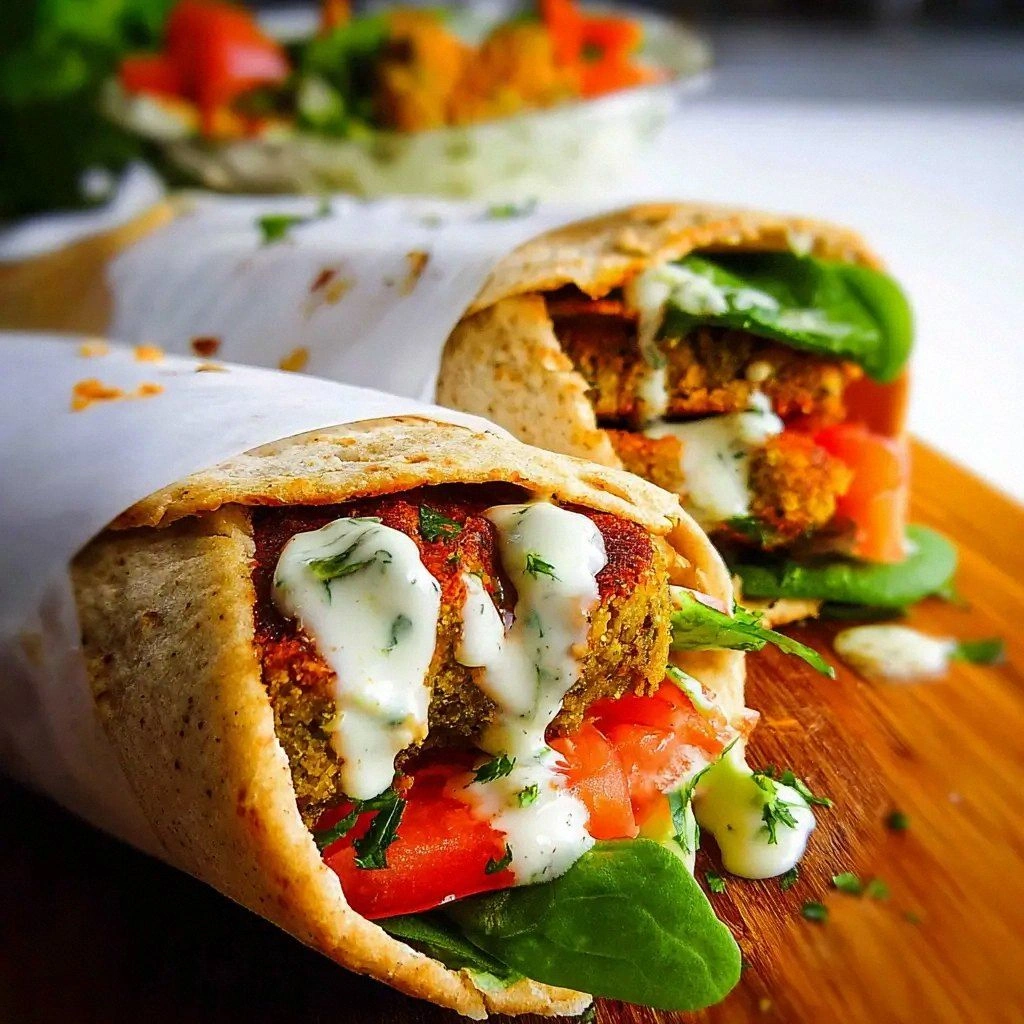
The fresh vegetables—lettuce, tomatoes, cucumber—add crunch, color, and a burst of freshness that contrasts the warm falafel. The lettuce should be crisp, the tomatoes ripe, and the cucumber sliced thin for maximum juiciness. The pita or tortilla serves as the vessel, soft enough to fold but sturdy enough to hold the fillings without tearing. If you’re craving a smoky edge, lightly toast the pita in a dry skillet before assembling.
Everything's prepped? Good. Let's get into the real action...
The Method — Step by Step
- Soak the chickpeas overnight in plenty of water. If you’re short on time, use the quick‑soak method: bring a pot of water to a boil, add chickpeas, boil for 10 minutes, then let sit covered for 30 minutes. The chickpeas should be soft enough to mash between your fingers but not mushy.
- Drain and rinse the soaked chickpeas, then transfer them to a food processor. Add the finely chopped onion, garlic, parsley, cilantro, cumin, coriander, salt, pepper, baking powder, and a splash of water or olive oil. Pulse until the mixture is coarse and holds together when pressed. If the mixture feels too dry, add a teaspoon of water; if too wet, add a tablespoon of flour.
- Transfer the mixture to a bowl, cover, and chill in the refrigerator for at least 30 minutes. Chilling helps the mixture firm up, making it easier to shape into balls.
- Heat a large skillet or deep pan over medium heat and add enough oil to cover the bottom. When the oil shimmers, drop spoonfuls of the falafel mixture into the pan, flattening them slightly with the back of a spoon. Fry in batches to avoid overcrowding.
- Cook each batch for 4–5 minutes per side, or until a golden crust forms and the falafel releases easily from the pan. The interior should be moist and fluffy. If you notice the edges burning, reduce the heat slightly.
- Once cooked, transfer the falafel to a plate lined with paper towels to drain excess oil. Let them rest for a minute; the heat will finish cooking the inside.
- While the falafel is resting, whisk together the tahini, lemon juice, a pinch of salt, and a splash of water until smooth. If the sauce is too thick, add more water a tablespoon at a time.
- Warm the pita or tortilla in a dry skillet for 30 seconds on each side. Lay the warm pita flat, spread a generous layer of tahini sauce, then add a handful of lettuce, a few tomato slices, cucumber ribbons, and a few falafel balls. Fold the sides and roll tightly. Serve immediately while the falafel is still hot.
That's it— you did it. But hold on, I've got a few more tricks that'll take this to another level. The next section will reveal insider tips that even seasoned cooks might overlook.
Insider Tricks for Flawless Results
The Temperature Rule Nobody Follows
The key to a perfectly crisp falafel is the oil temperature—ideally between 350°F and 375°F. Too hot, and the outside burns before the inside cooks; too cool, and the falafel absorbs too much oil. Use a kitchen thermometer or test with a small crumb of the mixture; if it sizzles and floats to the surface, the oil is ready. I’ve found that a medium‑high heat works best, especially if you’re using a heavy skillet that retains heat well.
Why Your Nose Knows Best
During the frying process, the aroma of cumin and coriander will fill the kitchen. Trust your nose—if you smell a sweet, nutty fragrance, the falafel is nearing perfection. If the smell is overly sharp or burnt, reduce the heat immediately. My friend once tried to skip the oil test, and the result was a soggy mess that tasted like a bowl of stale crumbs.
The 5-Minute Rest That Changes Everything
After frying, let the falafel rest on paper towels for exactly five minutes. This short pause allows excess oil to drain and the interior to set, preventing the balls from falling apart when you assemble the wrap. I’ve seen people skip this step, and the falafel ends up greasy and fragile. Trust me—five minutes is a small price for a big difference.
The Secret Sauce Twist
If you want to elevate the tahini sauce, whisk in a teaspoon of honey and a pinch of smoked paprika. The honey adds a subtle sweetness that balances the sesame’s earthiness, while the paprika gives a smoky depth that pairs beautifully with the fresh veggies. This variation is perfect for a dinner party where you want to impress with a twist on the classic.
The Fresh Herb Finale
Right before serving, sprinkle a handful of chopped fresh mint over the falafel. Mint cuts through the richness and adds a bright, refreshing note. It’s a simple addition that transforms the wrap from good to unforgettable. I’ve used mint in every batch since I discovered it, and my friends rave about the zing.
Creative Twists and Variations
This recipe is a playground. Here are some of my favorite ways to switch things up:
Spicy Sriracha Wrap
Swap the tahini sauce for a creamy sriracha yogurt sauce. Mix Greek yogurt with sriracha, a squeeze of lime, and a pinch of salt. The heat from the sriracha complements the falafel’s earthiness, creating a fiery flavor profile that’s perfect for summer picnics.
Mediterranean Couscous Salad
Replace the pita with a bed of warm couscous. Toss the couscous with chopped olives, feta, and a drizzle of olive oil. The falafel sits on top of the couscous, and the combination of textures feels like a Mediterranean feast in a single bite.
Vegan Sweet Potato Falafel
Add roasted sweet potato cubes to the chickpea mixture for a subtle sweetness and a vibrant orange color. The sweet potato also adds a creamy texture that balances the chickpeas’ density. Serve with a tahini‑lemon sauce for a wholesome vegan meal.
Grilled Halloumi Falafel
Incorporate diced grilled halloumi cheese into the falafel mixture. The cheese melts during frying, creating pockets of gooey, salty flavor that contrast beautifully with the crispy exterior. This variation is a hit for those who love a cheesy twist.
Asian‑Inspired Wrap
Replace the tahini sauce with a hoisin‑ginger glaze. Mix hoisin sauce with fresh ginger, garlic, and a splash of rice vinegar. The glaze adds a sweet‑savory depth that transports the wrap to an Asian street‑food stall.
Breakfast Falafel Bowl
Serve the falafel over a bed of sautéed spinach and poached eggs. Drizzle with a sunny‑side‑up egg yolk and sprinkle with chopped chives. The combination turns this lunch staple into a hearty, protein‑rich breakfast.
Storing and Bringing It Back to Life
Fridge Storage
Cool the falafel completely before placing them in an airtight container. Store in the refrigerator for up to three days. The falafel will remain crisp if you reheat them in a skillet over medium heat for 2–3 minutes, flipping once.
Freezer Friendly
For longer storage, freeze the falafel in a single layer on a parchment‑lined tray. Once frozen, transfer to a freezer bag. They’ll keep for up to three months. To reheat, bake at 375°F for 15 minutes or microwave on high for 1 minute, then finish in a skillet for crispness.
Best Reheating Method
Add a tiny splash of water before reheating to create steam, which keeps the falafel moist. Cover the skillet for a minute to trap the steam, then remove the cover to let the exterior crisp up again. This trick turns a reheated falafel back into a near‑fresh delight.