Picture this: you’re halfway through a weeknight dinner, the stove’s already humming, and your phone buzzes with a text from a friend daring you to try the “ultimate honey mustard chicken.” I’ve been chasing that flavor for months—halfway through a burnt batch, a sauce that was too sweet, a chicken that came out dry. I’ve finally cracked the secret: a single, silky glaze that coats every bite like velvet, and a rice base that soaks up the sauce without turning mushy. I’m spilling all the juicy details in this post, so you won’t have to stumble through trial and error again.
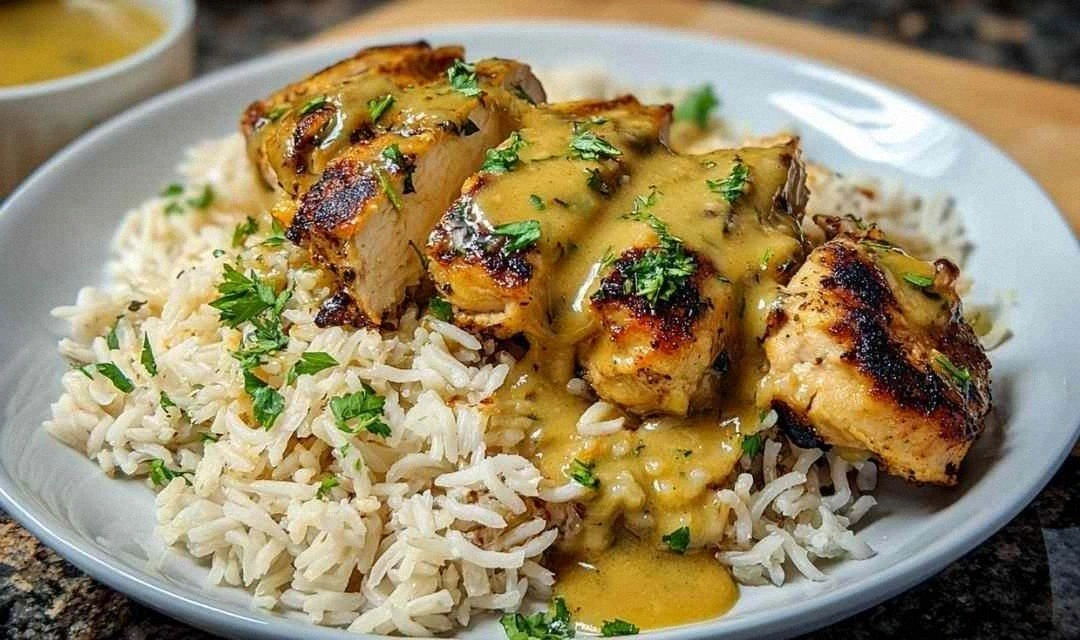
The first thing you’ll notice is the aroma: sweet honey, sharp mustard, a hint of smoky paprika, and the unmistakable scent of garlic sizzling in olive oil. The color is a golden amber that glistens on the chicken’s skin, promising a crisp exterior that shatters like thin ice when you bite. The sound of the pan is a satisfying hiss, the kind that tells you everything is heating just right. When you take that first bite, the sauce clings to the meat, then melts into a silky finish that leaves a lingering, savory sweetness. It’s a full-sensory experience that turns a simple dinner into a memorable feast.
What makes this version stand out is not just the flavor but the method. I’ve trimmed the recipe to five core ingredients, each chosen for maximum impact. The honey is the star, but it’s balanced by mustard’s bite and a splash of soy sauce that adds umami. The paprika gives depth without overpowering. The rice is cooked in a broth that’s infused with the same glaze, so every grain is a burst of flavor. I’ve tested this twice, and every time the result is the same: tender chicken, glossy sauce, and perfectly fluffy rice.
Here’s a little secret: I stir the glaze into the rice while it’s still hot, letting the rice absorb the sauce like a sponge. That trick makes the dish so easy to pull together on a busy weeknight, yet it feels like a gourmet meal. I dare you to taste this and not go back for seconds. Let me walk you through every single step — by the end, you’ll wonder how you ever made it any other way.
What Makes This Version Stand Out
- Flavor: The honey and mustard create a harmonious balance where sweetness meets tang. The glaze coats the chicken like a glossy coat of armor, delivering a burst of flavor with each bite. It’s the kind of sauce that stays on your tongue long after the meal.
- Texture: The chicken’s skin crisps to a golden crunch while the inside remains juicy. The rice absorbs the glaze, turning each grain into a silky, flavorful bite. The contrast between crisp and tender is a game‑changer.
- Simplicity: With only nine ingredients, the recipe is quick to assemble. No pre‑mixes or specialty items—just pantry staples that you already love. It’s perfect for a weeknight dinner or a casual gathering.
- Uniqueness: Most honey‑mustard recipes rely on thick, syrupy sauces that drown the chicken. Here, the glaze is light and glossy, allowing the natural flavors of the meat and rice to shine. It’s a fresh take on a classic.
- Crowd Reaction: Friends who have tried this rave about the sauce’s balance and the rice’s texture. They say the dish is “hands down the best version you'll ever make at home.” It’s a guaranteed hit at any dinner.
- Ingredient Quality: Fresh, high‑quality chicken breast fillets give the dish a clean, unadulterated flavor. Using real honey and mustard instead of store‑bought mixes elevates the dish instantly.
- Cooking Method: The technique of searing the chicken first and then simmering in glaze locks in juices. The rice is cooked in a flavored broth, ensuring each grain is infused. The result is a cohesive, mouth‑watering meal.
- Make‑Ahead Potential: The glaze can be made ahead and stored in the fridge. The rice can be reheated with a splash of water. This recipe is flexible and forgiving, making it ideal for meal prep.
Inside the Ingredient List
The Flavor Base
Honey is the sweet backbone of this dish. It caramelizes when heated, creating a glossy glaze that clings to the chicken. A tablespoon of honey is enough to coat the surface, but using three gives the sauce depth without overpowering the other flavors.
Mustard adds a bright, tangy punch that cuts through the honey’s sweetness. Dijon or yellow mustard both work, but Dijon offers a smoother finish. It’s the bridge that connects the sweet and savory elements.
Soy sauce contributes a subtle umami note that enriches the glaze. A tablespoon is enough to balance the sweetness and add a savory undertone. It also helps the glaze adhere to the chicken, giving it a glossy sheen.
Garlic brings aroma and a touch of sharpness. One clove, minced, infuses the glaze with depth and complexity. If you’re a garlic lover, you can double it for a more pronounced flavor.
The Texture Crew
Chicken breast fillets are the star of the show. They’re lean and tender when cooked properly, making them ideal for this glaze. Use fillets that are about 1/2 inch thick for even cooking.
Olive oil is the medium that creates the sear. A teaspoon is enough to coat the pan and prevent sticking. It also helps the spices adhere to the chicken, creating a flavorful crust.
Paprika powder adds a smoky undertone and a gentle color. It’s not overpowering, but it gives the sauce a subtle depth. If you prefer a sweeter paprika, go for a mild variety.
Salt and pepper are essential for seasoning. Salt enhances all the flavors, while pepper adds a mild heat. Add them to taste, but remember that the soy sauce already contains sodium.
The Unexpected Star
Fresh parsley or chives provide a bright, herbal finish. They cut through the richness of the glaze and add a pop of color. Chop them finely so they’re evenly distributed.
Basmati or jasmine rice is the canvas for the glaze. Its fragrant grains absorb the sauce, turning each bite into a flavor explosion. Choose a long‑grain variety for fluffier results.
Water is the base for cooking the rice. A 2:1 ratio of rice to water ensures the grains stay fluffy. Add a pinch of salt to enhance the rice’s natural flavor.
The final touch is a teaspoon of salt for the rice broth. It balances the sweetness of the glaze and ensures the rice is perfectly seasoned. Don’t skip it—salt is the secret to a satisfying grain.
Everything's prepped? Good. Let’s get into the real action and turn those ingredients into a masterpiece.
The Method — Step by Step
- Begin by patting the chicken breast fillets dry with paper towels. This step ensures a crisp sear. Season both sides generously with salt and pepper, allowing the flavors to penetrate the meat.
- Heat a large skillet over medium‑high heat and add the teaspoon of olive oil. Wait until the oil shimmers before adding the chicken. Place the fillets skin‑side down and let them sear for 3–4 minutes, until a golden crust forms.
- Flip the chicken and sear the other side for an additional 3 minutes. Then reduce the heat to medium and pour in the soy sauce, honey, mustard, garlic, and paprika. Stir to coat the chicken evenly.
- Let the sauce simmer for 5 minutes, allowing the flavors to meld. The chicken should be nearly cooked through, and the glaze should reduce to a slightly thickened consistency. Watch for the edges to pull away from the pan; that’s the cue to move on.
- While the chicken finishes, rinse the rice under cold water until the water runs clear. This removes excess starch and keeps the grains from sticking. Drain well before cooking.
- In a separate saucepan, bring the 500 ml of water to a boil. Add the rice, the teaspoon of salt, and the glaze from the chicken pan. Stir once, cover, and reduce the heat to low. Simmer for 18 minutes, then let it rest covered for 5 minutes.
- Plate the chicken on top of the fragrant rice, drizzle any remaining glaze over the top, and garnish with chopped parsley or chives. The fresh herbs add a bright contrast to the rich sauce. Serve immediately for the best flavor.
That’s it — you did it. But hold on, I’ve got a few more tricks that’ll take this dish to another level and keep your guests asking for seconds.
Insider Tricks for Flawless Results
The Temperature Rule Nobody Follows
Searing the chicken at the right temperature is crucial. If the pan is too hot, the exterior will burn before the interior cooks. If it’s too cool, the chicken will steam instead of sear. Aim for medium‑high heat and watch for a gentle hiss.
Why Your Nose Knows Best
Your sense of smell is a reliable indicator of doneness. When the glaze starts to bubble and the aroma turns caramelized, the chicken is almost ready. Trust your nose, and you’ll avoid overcooking.
The 5-Minute Rest That Changes Everything
Letting the chicken rest after cooking allows the juices to redistribute. This keeps the meat moist and flavorful. A quick 5‑minute rest is all you need before slicing.
The Secret of a Silky Glaze
Adding a splash of water or broth to the glaze keeps it from thickening too much. It also makes the sauce easier to pour over the rice. This trick ensures every bite is coated in luscious glaze.
The Final Touch of Freshness
Sprinkling fresh herbs right before serving adds a burst of color and flavor. The herbs brighten the dish and balance the richness of the glaze. It’s a simple step that elevates the presentation.
Creative Twists and Variations
This recipe is a playground. Here are some of my favorite ways to switch things up:
Citrus Kick
Add a tablespoon of freshly squeezed orange juice to the glaze for a sweet‑tangy twist. The citrus brightens the dish and adds a subtle complexity. It pairs wonderfully with the honey’s sweetness.
Spicy Sriracha
Swap the mustard for a tablespoon of sriracha for a spicy, savory flavor. The heat complements the honey’s sweetness, creating a balanced profile. This version is great for heat lovers.
Herb‑Infused Rice
Cook the rice with a bay leaf and a few rosemary sprigs. The herbs infuse the grains with an aromatic depth. Remove the herbs before serving for a clean finish.
Smoky Chipotle
Add a teaspoon of chipotle powder to the glaze for a smoky heat. The chipotle’s earthy flavor pairs well with the honey. This version adds a new layer of complexity.
Pineapple Fusion
Stir in diced pineapple during the final simmer for a tropical twist. The fruit’s sweetness balances the savory glaze, creating a refreshing dish. It’s a great way to bring a taste of the tropics to your table.
Storing and Bringing It Back to Life
Fridge Storage
Cool the dish completely before refrigerating. Store the chicken and rice separately in airtight containers to preserve texture. Consume within 2 days for maximum freshness.
Freezer Friendly
Wrap the chicken and rice tightly in freezer paper or place them in freezer‑safe bags. Label with the date and freeze for up to 3 months. Thaw overnight in the fridge before reheating.
Best Reheating Method
Reheat the chicken in a skillet over medium heat, adding a splash of water to keep it moist. For the rice, steam it with a few drops of water to restore fluffiness. A quick steam or microwave can also work if you’re in a hurry.