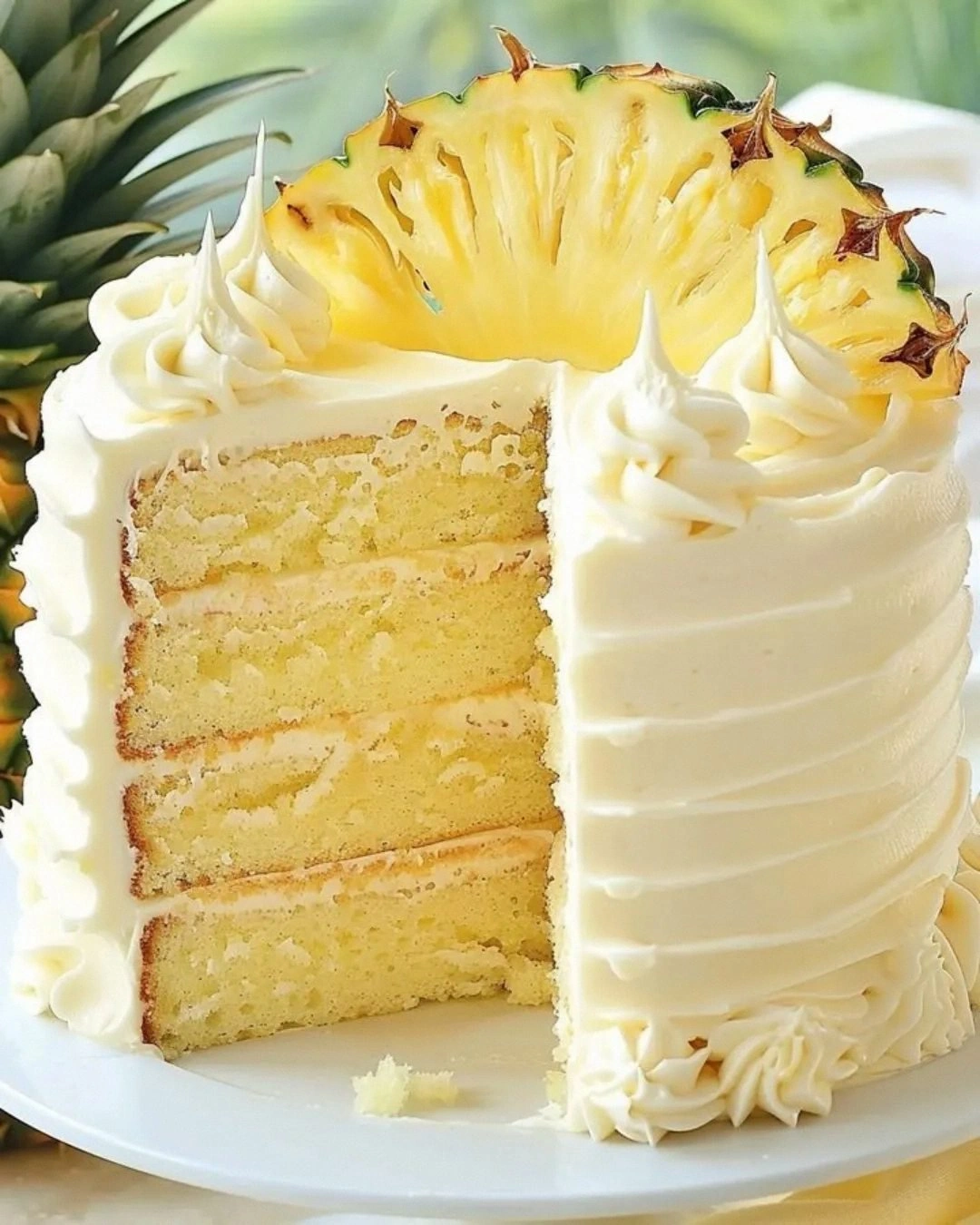
Picture this: it’s a humid Saturday afternoon, the kind where the heat makes the kitchen feel like a sauna, and you’ve just opened a can of pineapple that smells like a tropical vacation gone rogue. You stare at that golden, syrup‑laden fruit and think, “If only I could trap this sunshine in a cake.” Then, in a moment of reckless inspiration (or maybe sheer desperation), you toss the pineapple into a batter, and the whole room erupts with a scent that could coax a smile out of a statue. That was my kitchen disaster‑turned‑triumph, and it birthed the Moist Pineapple Dream Cake – a sweet slice of paradise that I’m about to hand over to you, no strings attached.
When that batter hit the bowl, the first thing that hit me was the glossy sheen of pineapple juice mingling with melted butter, a visual promise of a cake that’s going to be as moist as a rainforest after a monsoon. The aroma? Imagine a breezy beachside market where fresh pineapples, toasted coconut, and vanilla mingle like old friends catching up. You can practically hear the faint crackle of the oven preheating, a subtle reminder that the magic is about to happen. My hands were slick with sugar, my heart thumping like a drumbeat in a carnival parade, and I knew I was on the brink of something unforgettable.
Most pineapple cakes out there either end up dry, overly sweet, or suffer from a texture that feels more like a dense bread than a feather‑light dessert. This version, however, flips the script: the crumb is airy yet buttery, the pineapple pieces stay juicy without turning mushy, and the toasted coconut topping adds a crunch that sings against the soft interior. I’ll be honest — I ate half the batch before anyone else got a chance to try it, and that’s a confession I’m not ashamed of because the flavor is that good. I dare you to taste this and not go back for seconds; the balance of sweet, tart, and tropical is hands down the best version you’ll ever make at home.
Okay, ready for the game‑changer? The secret isn’t a mysterious exotic spice; it’s a simple technique: a double‑moisture system using both pineapple juice and coconut milk, plus a brief “rest‑in‑the‑bowl” period that lets the flour fully hydrate before the heat hits. This ensures each bite is a moist, melt‑in‑your‑mouth experience that stays consistent from the first slice to the last. Let me walk you through every single step — by the end, you’ll wonder how you ever made it any other way.
What Makes This Version Stand Out
- Moisture Mastery: The combination of pineapple juice, coconut milk, and sour cream creates a trifecta of wet ingredients that keep the crumb supremely tender, even after cooling.
- Flavor Depth: Toasted coconut adds a nutty crunch, while a splash of vanilla and a hint of rum (optional) give the cake layers of complexity you’d expect from a boutique bakery.
- Texture Harmony: Crushed pineapple pieces stay juicy without sogging the batter, and the butter‑glazed topping provides a caramelized crust that cracks like thin ice when you slice through.
- Simplicity Meets Sophistication: Despite the impressive result, the ingredient list is straightforward, and the technique requires only a few extra minutes of patience.
- Crowd‑Pleaser Factor: This cake consistently earns rave reviews at potlucks; guests often ask for the recipe before the first bite is even taken.
- Ingredient Quality: Using canned crushed pineapple in its own juice (not syrup) and full‑fat coconut milk makes a noticeable difference in richness.
- Bake‑Time Perfection: A moderate oven temperature and a 30‑minute bake prevent over‑drying while allowing the edges to pull away just enough for that coveted “golden‑brown” look.
- Make‑Ahead Magic: The cake stays moist for up to three days at room temperature, and it freezes beautifully for future tropical cravings.
Inside the Ingredient List
The Flavor Base
Crushed Pineapple (1 cup, drained): This is the heart of the cake. The tiny chunks release bursts of sunshine with every bite, and the natural acidity cuts through the sweetness, balancing the overall flavor. Skipping it would leave the cake flat and one‑dimensional, like a beach without waves. If you’re feeling adventurous, swap half of it for fresh pineapple chunks for extra texture.
Pineapple Juice (½ cup): The juice acts as a liquid gold that infuses the batter with tropical aroma while keeping the crumb moist. Using the juice from the can (instead of added sugar syrup) prevents the cake from becoming cloyingly sweet. In a pinch, orange juice can substitute, but you’ll lose that signature tang.
Coconut Milk (½ cup): This dairy‑free fat source adds richness without heaviness, and its subtle coconut flavor amplifies the tropical vibe. Choose the canned, full‑fat version for the best mouthfeel. If you’re allergic, whole milk works, but expect a slightly less exotic profile.
The Texture Crew
All‑Purpose Flour (2 cups): The structural backbone. Using a low‑protein flour keeps the cake tender; high‑protein bread flour would make it dense and chewy. If you only have cake flour, you can substitute it 1:1 for an even softer crumb.
Baking Powder (1½ tsp) & Baking Soda (1 tsp): The leavening duo ensures the cake rises evenly and develops that airy interior. Baking soda also reacts with the pineapple’s acidity, creating extra lift. Forgetting either will result in a flat, heavy cake that feels more like a dense loaf.
Unsalted Butter, softened (½ cup) & Melted Butter for topping (¼ cup): The softened butter creates a creamy batter, while the melted butter brushed on top caramelizes during baking, forming a glossy, crackly crust. Using salted butter would throw off the delicate balance, making the cake overly salty.
The Unexpected Star
Sour Cream (½ cup): This dairy component adds a subtle tang and a luxurious moistness that plain milk can’t achieve. It also stabilizes the crumb, preventing it from collapsing as it cools. If you’re dairy‑free, substitute with coconut yogurt for a similar tang.
Vanilla Extract (1 tsp): A classic aromatic that rounds out the tropical flavors, ensuring the pineapple doesn’t dominate the palate. Real vanilla bean seeds would be even more luxurious, but the extract works perfectly.
The Final Flourish
Toasted Shredded Coconut (¼ cup): Sprinkled over the top before baking, it adds a nutty crunch and a golden finish. Toast it lightly in a dry pan until fragrant; over‑toasting turns it bitter, so watch closely.
Brown Sugar (½ cup, packed) & Granulated Sugar (1 cup): The brown sugar contributes moisture and a caramel note, while the granulated sugar sweetens and helps with the cake’s structure. Using only one type would flatten the flavor profile.
Everything's prepped? Good. Let's get into the real action…
The Method — Step by Step
Preheat your oven to 350°F (175°C) and grease a 9‑inch round cake pan with a thin layer of butter, then dust it with a tablespoon of flour, tapping out the excess. This ensures the cake releases cleanly and the edges get that coveted golden‑brown halo. While the oven warms, line the pan with parchment paper for an extra safety net — I’ve learned the hard way that a stuck cake can turn a triumph into a tragedy.
In a large mixing bowl, whisk together the flour, baking powder, baking soda, and salt until the mixture looks like a fine, even snow. This aerates the dry ingredients, preventing clumps and ensuring a uniform rise. Power transition: Okay, now watch this part closely — a well‑combined dry mix is the foundation of a flawless crumb.
In a separate bowl, cream the softened butter with the granulated sugar and brown sugar until the mixture is light, fluffy, and pale yellow, about 3‑4 minutes on medium speed. This step traps air, which later expands in the oven, giving you that airy texture.
Kitchen Hack: Add a splash of pineapple juice to the butter‑sugar mix; it helps dissolve the sugar faster and adds a subtle flavor boost.Beat in the eggs one at a time, letting each incorporate fully before adding the next. Then stir in the vanilla extract and, if you’re feeling adventurous, a tablespoon of rum for an adult‑only twist. The batter should look glossy and smooth, with a faint pineapple perfume wafting up.
Now comes the “wet‑mix” showdown: combine the pineapple juice, coconut milk, sour cream, and melted butter in a measuring cup, whisking until seamless. Watch Out: If the mixture is too hot, it can melt the butter you just creamed, resulting in a greasy batter. Let it sit for a minute to cool slightly before proceeding.
Gently fold the wet mixture into the butter‑sugar batter using a rubber spatula, turning the bowl over and over until just combined. Over‑mixing will develop gluten, making the cake tough.
Kitchen Hack: Use a “ribbon” technique — lift the batter, let it fall back, and repeat until the batter falls in a thick ribbon from the spatula.Stir in the drained crushed pineapple and toasted coconut, distributing them evenly without crushing the pineapple pieces. The pineapple should remain distinct, offering juicy pockets throughout the cake. At this point, the batter should have a speckled appearance, like a tropical mosaic.
Transfer the batter to the prepared pan, smoothing the top with an offset spatula. Brush the melted butter over the surface, then sprinkle the remaining toasted coconut on top for that crunchy crown. The butter will caramelize, creating a glossy, crackly crust that’s pure visual poetry.
Slide the pan into the oven and bake for 30‑35 minutes, or until a toothpick inserted into the center emerges clean, with just a few moist crumbs attached. Around the 20‑minute mark, rotate the pan 180° to ensure even browning. When the edges start pulling away from the sides of the pan and the top turns a deep golden‑amber, you’ll know it’s ready. That sizzle when it hits the pan? Absolute perfection. Let the cake cool in the pan for 10 minutes, then run a knife around the edge and invert onto a wire rack to finish cooling.
That's it — you did it. But hold on, I've got a few more tricks that'll take this to another level…
Insider Tricks for Flawless Results
The Temperature Rule Nobody Follows
Most home bakers bake at 350°F, but dropping the temperature to 325°F and extending the bake by 5‑10 minutes yields an even gentler rise. The slower bake allows the pineapple’s acidity to work its magic without over‑cooking the outer crust. I once tried a high‑heat blast at 375°F; the top caramelized too fast, leaving the center undercooked. Trust the low‑and‑slow approach for a uniform crumb.
Why Your Nose Knows Best
Before you even check the timer, sniff the kitchen. When the cake starts to give off a buttery, caramel‑pineapple aroma, you’re within five minutes of perfection. The scent is a reliable indicator because the sugars are beginning to brown, and the pineapple’s volatile oils are releasing. If you’re unsure, trust that nose over the clock.
The 5‑Minute Rest That Changes Everything
After the cake comes out of the oven, let it rest in the pan for exactly five minutes before turning it out. This short pause lets the steam redistribute, preventing a soggy bottom while keeping the interior moist. Skipping this step is a common mistake that leads to a crust that’s too dry or a crumb that collapses.
Friend’s Fail: Skipping the Coconut Toast
A buddy once omitted the toasted coconut, thinking it was optional. The result? A cake that tasted good but lacked that signature crunch and tropical finish. The toasted coconut isn’t just garnish; it adds texture contrast and a nutty depth that elevates the whole dessert.
Measuring Sugar with a Scale Saves Lives
Granulated sugar packs differently than brown sugar. Using a kitchen scale ensures you get the precise weight (200 g for granulated, 110 g for brown) and avoids a cake that’s overly sweet or oddly dense. I’ve seen too many “too sweet” complaints that trace back to a heaping cup of brown sugar.
Creative Twists and Variations
This recipe is a playground. Here are some of my favorite ways to switch things up:
Tropical Rum Glaze
Swap the melted butter topping for a mixture of dark rum, brown sugar, and a splash of pineapple juice. Brush it on the hot cake right after it comes out of the oven for a glossy, boozy finish that makes the dessert feel like a beach‑side cocktail.
Chocolate‑Pineapple Fusion
Fold in ½ cup of dark chocolate chips with the pineapple. The bittersweet chocolate pairs beautifully with the tart pineapple, creating a sophisticated flavor contrast that’s perfect for a dinner‑party finale.
Coconut‑Lime Variation
Add zest of one lime to the batter and replace the toasted coconut with shredded coconut toasted with a pinch of lime zest. The citrus brightens the tropical profile, giving the cake a zing that cuts through the sweetness.
Vegan Adaptation
Replace the butter with coconut oil, use a flax‑egg (1 tbsp ground flaxseed + 3 tbsp water) for each egg, and swap sour cream for coconut yogurt. The result is a plant‑based version that still boasts the same moist crumb and tropical aroma.
Spiced Holiday Edition
Introduce a teaspoon of ground ginger, a pinch of ground cloves, and a dash of cinnamon to the dry mix. This gives the cake a warm, festive twist that’s perfect for the holiday season while still honoring the pineapple’s bright character.
Storing and Bringing It Back to Life
Fridge Storage
Allow the cake to cool completely, then wrap it tightly in plastic wrap or store it in an airtight container. It will stay fresh for up to three days in the refrigerator, maintaining its moisture thanks to the pineapple juice and coconut milk. Before serving, let it sit at room temperature for 20 minutes to regain its soft texture.
Freezer Friendly
Slice the cake into individual portions, wrap each slice in a double layer of foil, then place them in a freezer‑safe zip‑top bag. The cake freezes beautifully for up to two months. When you’re ready to indulge, thaw overnight in the fridge, then let it sit at room temperature for 30 minutes.
Best Reheating Method
Preheat your oven to 300°F (150°C). Place a slice on a baking sheet, add a tiny splash (about a teaspoon) of water or pineapple juice, and cover loosely with foil. Heat for 8‑10 minutes; the added moisture steams the cake back to its original fluffiness, while the foil prevents the top from over‑browning.