I was standing in my kitchen, staring at a pile of burnt croissants that had turned my oven into a small, angry volcano. The smell of scorched sugar clung to the air like a bad joke, and I felt a desperate urge to prove that I could make something truly sweet without turning my kitchen into a disaster zone. That night, a friend dared me to create a dessert that could stand up to the legendary Portuguese pastel de nata, and I accepted the challenge with a grin and a notebook full of scribbles. I swore that this version would not only beat the original but also bring a new layer of flavor that would make anyone say, “I dare you to taste this and not go back for seconds.” The goal was clear: deliver a tart that is buttery, crisp, and bursting with a subtle spice that lingers like a whispered promise.
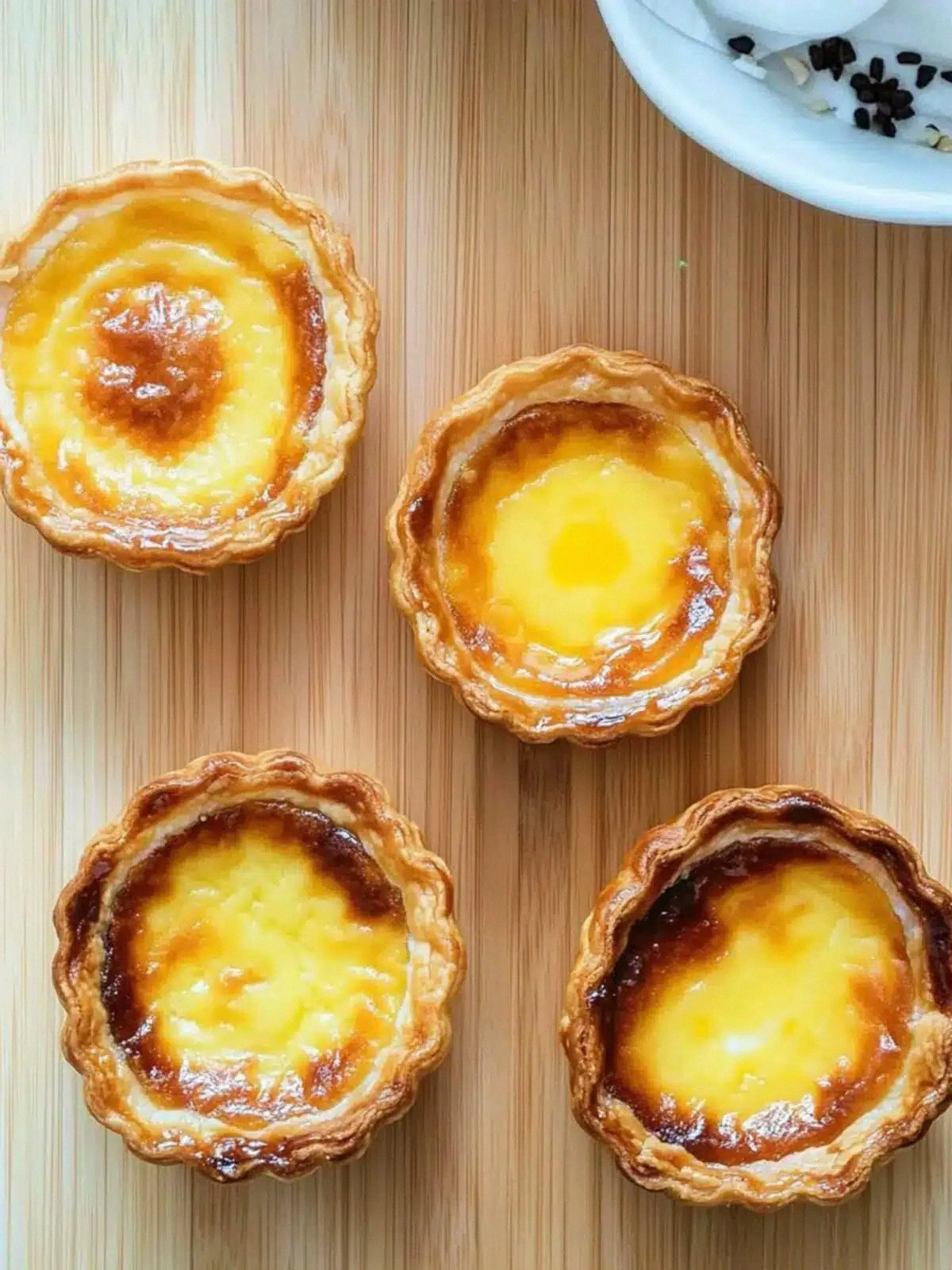
Picture yourself pulling a tray of golden tarts out of the oven, the kitchen suddenly filling with the sweet scent of caramelized sugar and warm cinnamon. The moment the crusts crackle as they cool, a gentle steam rises, carrying with it the faint citrus note of lemon zest that cuts through the richness. The first bite is an explosion of textures: a flaky, buttery shell that shatters like thin ice, followed by a silky custard that coats the palate like velvet. If you’re a fan of the classic pastel de nata, you’ll notice the added depth from the cinnamon stick and the delicate citrus undertone that keeps the flavor from becoming too heavy. And trust me, the best part is that it’s surprisingly easy to pull off, even if you’re not a seasoned pastry chef.
Most recipes for Portuguese egg tarts get this completely wrong by overcooking the custard or undercooking the pastry, resulting in a soggy, bland dessert that feels like a culinary apology. I’ve tried dozens of variations, and every time I’ve stumbled over the balance between sweet and savory, texture and flavor. What sets this version apart is a precise timing strategy that locks in the custard’s silky mouthfeel while preserving the pastry’s crispness. The secret? A gentle simmer of water, cinnamon, and lemon zest that infuses the custard with a fragrant aroma before it’s poured into the pastry shells. It’s a subtle trick that most home bakers overlook, but once you master it, the difference is night and day.
I’ll be honest—when I first baked these tarts, I ate half the batch before anyone else got a chance to try them. The aroma alone was enough to make the whole kitchen feel like a bakery in the middle of a holiday. The first bite was a revelation: a sweet, creamy custard with a hint of citrus, all nestled in a buttery, flaky crust that was crisp on the outside and tender on the inside. If you’ve ever struggled with making pastel de nata that isn’t too sweet or too dry, you’re not alone—and I’ve got the fix. And now, ready for the game‑changer? Let me walk you through every single step—by the end, you’ll wonder how you ever made it any other way.
So grab your apron, preheat that oven, and let’s dive into the world of Portuguese egg tarts that will leave your taste buds dancing and your friends begging for seconds. This recipe is not just a dessert; it’s an experience that combines tradition with a modern twist. The result? A dessert that feels like a warm hug from a distant family gathering, but with a modern, crunchy edge that makes it perfect for any occasion. Ready to see how a few simple tweaks can transform a classic into a showstopper? Let’s get started.
What Makes This Version Stand Out
- Texture: The pastry is buttery, flaky, and crisp, with a delicate crumb that breaks apart with a satisfying snap. The custard inside is silky and airy, thanks to a gentle simmer that prevents it from becoming rubbery.
- Flavor: A subtle blend of cinnamon and lemon zest creates a fragrant, balanced sweetness that is far from overpowering. The cinnamon stick infuses the custard with warmth, while the lemon zest adds a bright, citrusy lift.
- Ease of Prep: No need for a stand mixer or fancy equipment—everything can be done in a single pan or a standard mixing bowl. The recipe is designed for the average home baker who wants impressive results without a steep learning curve.
- Visual Appeal: The golden-brown tops of the tarts look like a work of art, and the caramelized sugar glaze gives them a glossy finish that will impress even the most discerning eye.
- Make‑Ahead Potential: The tarts can be assembled a day in advance and baked just before serving, making them perfect for parties or last‑minute dessert needs.
- Ingredient Quality: Using high‑quality puff pastry and fresh lemon zest ensures that every bite is full of flavor, rather than relying on artificial additives.
Alright, let’s break down exactly what goes into this masterpiece. The following sections will walk you through each component, from the buttery pastry to the fragrant custard, so you can feel confident every step of the way.
Inside the Ingredient List
The Flavor Base
The combination of ⅔ cup water, 1 stick cinnamon, and 1 strip lemon zest forms the aromatic foundation of the custard. The water acts as a medium for the spices, allowing them to infuse the mixture without diluting the richness of the yolks. Skipping the lemon zest would result in a flatter, more one‑dimensional custard; the citrus brightens the flavor profile and balances the sweetness. For an extra punch, try adding a pinch of nutmeg or cardamom to the simmering water.
When selecting the cinnamon stick, look for a piece that is straight and has a fragrant aroma. A dull or brittle stick often indicates a lower quality spice that won’t release its full flavor. If you can’t find a whole stick, a ground cinnamon equivalent will work, but remember that ground spices are more potent, so use about half the amount. The lemon zest should be fresh; dried zest loses its essential oils and won’t provide the same bright lift.
The Texture Crew
The 2 sheets of puff pastry are the backbone of these tarts, delivering a buttery, flaky shell that crumbles delightfully. Puff pastry is a laminated dough, meaning it’s layered with butter and folded multiple times to create thin, airy layers. If you’re using frozen pastry, thaw it in the refrigerator for 24 hours to avoid a soggy crust. A fresh pastry will give you a crispier edge and a more satisfying bite.
The ½ cup all‑purpose flour is added to the custard to give it body and prevent it from separating. Flour acts as a stabilizer, helping the yolks and milk bind together into a smooth custard. If you’re avoiding gluten, you can substitute a gluten‑free blend that contains xanthan gum; just keep the same quantity. The flour should be whisked into the yolk mixture slowly to avoid lumps.
The Unexpected Star
The 1 cup of whole milk and the 5 tablespoons of whole milk may seem redundant, but each plays a distinct role. The larger cup of milk provides the bulk of the custard’s liquid, while the smaller portion is used to temper the yolks, ensuring a silky texture. Using whole milk gives the custard a rich, creamy mouthfeel that is essential to the Portuguese egg tart experience. If you prefer a lighter custard, substitute 1 cup of 2% milk and 5 tablespoons of skim milk, but expect a slightly less indulgent result.
The 6 egg yolks are the star of the custard, providing both richness and structure. Yolks contain emulsifiers that help bind the milk and sugar together, creating a velvety consistency. Skipping the yolks would result in a watery custard that won’t set properly. For a vegan version, consider using aquafaba or a commercial egg replacer, but the flavor and texture will differ significantly.
The Final Flourish
The 1 cup of granulated sugar not only sweetens the custard but also caramelizes on the top, giving the tarts a glossy, golden finish. The sugar should be added gradually to the simmering water to avoid clumping. For a subtle twist, try substituting half the sugar with honey or maple syrup, which will add depth and a hint of floral undertone. The final touch of ground cinnamon, added to taste, gives the tarts a warm, comforting aroma that lingers long after the last bite.
Everything's prepped? Good. Let’s get into the real action and start assembling these heavenly tarts.
The Method — Step by Step
- Preheat your oven to 425°F (220°C) and line a muffin tin with the puff pastry sheets. Roll out each sheet to about 1/8 inch thickness, then cut into circles that fit snugly into the tin. Arrange the circles in the tin, pressing them gently into the corners so they hold their shape. The pastry should look like a delicate dome; don’t worry if it’s slightly uneven—oven heat will even it out. This step sets the foundation for a crisp, buttery shell.
- In a medium saucepan, combine the ⅔ cup water, cinnamon stick, and lemon zest. Bring the mixture to a gentle simmer over medium heat, allowing the spices to infuse for 5 minutes. The liquid should develop a fragrant aroma that fills the kitchen. Remove from heat and let it cool slightly, then strain to remove the solids. This infusion will give your custard a depth of flavor that’s hard to beat.
- While the infusion cools, whisk the 6 egg yolks and ½ cup flour in a bowl until smooth. Gradually pour the warm spice‑infused liquid into the yolk mixture, whisking constantly to prevent curdling. This step is crucial for a silky custard; take your time and whisk vigorously. The mixture should thicken slightly but remain pourable. If it looks too thick, add a splash of the 1 cup whole milk to adjust the consistency.
- Add the 1 cup whole milk and 5 tablespoons whole milk to the custard, whisking until fully incorporated. The mixture should be a pale, creamy color. Let it sit for 5 minutes so the flavors meld. During this time, you’ll notice the custard thickening slightly; this is normal. This step ensures a rich, velvety texture that won’t curdle when baked.
- Fold in the granulated sugar until dissolved, then season with a pinch of ground cinnamon to taste. The sugar should dissolve completely, creating a glossy custard base. If the custard appears too thick, add a teaspoon of milk to loosen it. The cinnamon adds warmth and depth; adjust according to your preference. This is the moment when the custard transforms from a simple mixture to a silky, aromatic filling.
- Fill each pastry shell with the custard, using a small ladle or spoon. The custard should be poured gently to avoid disturbing the pastry edges. As you fill, you’ll hear a satisfying “whoosh” as the custard settles into the shell. The shells should look almost full, but leave a little space at the top. This will allow the custard to expand slightly during baking.
- Place the filled tin in the preheated oven and bake for 12–15 minutes, or until the custard is set and the tops are golden brown. The edges of the pastry should be crisp and slightly caramelized. Keep an eye on the color; if the tops darken too quickly, lower the temperature by 25°F. The custard should feel firm to the touch but still have a slight wobble in the center. This is the moment of truth.
- Remove the tarts from the tin and let them cool completely. The custard will set as it cools, becoming silky and firm. The aroma will intensify, making the kitchen feel like a bakery. Once cooled, you can dust the tops with a light sprinkle of powdered sugar for a decorative finish. This final touch adds a touch of elegance and sweetness.
- Serve immediately or store in an airtight container at room temperature for up to 2 days. If you need to keep them longer, refrigerate them for up to 4 days. When ready to serve, warm the tarts in a 350°F oven for 5 minutes to revive the crispness. The result will be a warm, buttery pastry with a creamy custard that melts in your mouth. Enjoy the experience of a fresh, homemade dessert that feels like a treat from a Parisian café.
That’s it—you did it. But hold on, I’ve got a few more tricks that will elevate these tarts to an entirely new level of decadence. Keep reading to discover insider tips that will make your tarts irresistibly perfect.
Insider Tricks for Flawless Results
The Temperature Rule Nobody Follows
Many bakers bake these tarts at a lower temperature, thinking it will prevent burning. The truth is, a high heat of 425°F is essential to create that crisp, caramelized top while keeping the custard silky. If your oven runs hot, use a lower rack or a baking stone to moderate the heat. Keep an eye on the first batch, as oven variations can affect the final outcome. This trick guarantees a golden finish that’s hard to resist.
Why Your Nose Knows Best
The aroma of the simmering cinnamon and lemon zest is a key indicator of flavor development. If the scent feels muted, let the infusion sit a bit longer before adding it to the yolks. Your nose can tell you if the spices have released their oils. A strong, fragrant aroma means the custard will have a deeper, more complex flavor. Trust your senses to guide you to perfection.
The 5‑Minute Rest That Changes Everything
After removing the tarts from the oven, let them rest for exactly 5 minutes before serving. This brief pause allows the custard to set completely, preventing a runny center. During this time, the pastry edges will firm up further, giving you a satisfying crunch. Skipping this rest can lead to a gooey texture that feels undercooked. The rest is a small but vital step that transforms the overall experience.
The Quick Chill Trick
If you need to store the tarts for later, place them in the fridge for a quick chill before refrigerating. This step ensures the custard stays firm and prevents condensation from softening the pastry. Chill for 15 minutes, then transfer to an airtight container. When you’re ready to serve, a quick reheat in a low‑heat oven will revive the crispness. This trick keeps your tarts fresh and delicious.
The Sweet Finish
A light dusting of powdered sugar or a drizzle of caramel sauce adds a final flourish that elevates the presentation. If you prefer a nutty twist, sprinkle toasted almond slivers on top. The contrast of sweet and crunchy will surprise your palate. Don’t be afraid to experiment with different toppings; the possibilities are endless. Your guests will thank you for the extra touch of elegance.
Creative Twists and Variations
This recipe is a playground. Here are some of my favorite ways to switch things up:
Nutty Delight
Swap the lemon zest with a tablespoon of finely chopped toasted almonds for a nutty depth. The almonds add a subtle crunch that contrasts beautifully with the creamy custard. This variation is perfect for a brunch or a light dessert. The nutty aroma will entice guests who love a bit of texture.
Chocolate Infusion
Add a tablespoon of unsweetened cocoa powder to the custard for a rich chocolate twist. The chocolate pairs wonderfully with the cinnamon, creating a layered flavor profile. Serve with a dusting of cocoa powder or a drizzle of dark chocolate sauce. This version is ideal for chocolate lovers who want something sweet yet sophisticated.
Citrus Explosion
Replace the lemon zest with a strip of orange zest for a brighter, sweeter citrus note. Orange zest brings a fragrant, floral aroma that complements the cinnamon. Pair it with a sprinkle of candied orange peel on top for an extra burst of flavor. This variation is especially refreshing during spring and summer.
Spiced Latte
Infuse the custard with a shot of espresso and a pinch of cardamom for a latte-inspired twist. The coffee flavor adds depth, while the cardamom brings a warm, aromatic quality. Top with a light dusting of ground cinnamon for a balanced finish. This version is perfect for coffee lovers who want a dessert that doubles as a pick‑me‑up.
Vegan Version
Replace the egg yolks with a mixture of silken tofu and aquafaba for a vegan custard. Use coconut milk instead of whole milk for a richer texture. Sweeten with maple syrup and add a pinch of turmeric for color. This version retains the classic flavor while accommodating plant‑based preferences.
Storing and Bringing It Back to Life
Fridge Storage
Place the cooled tarts in an airtight container and refrigerate for up to 2 days. Keep them away from strong odors, as the pastry can absorb flavors. When ready to serve, let them sit at room temperature for 15 minutes to soften slightly. This short wait restores the custard’s silky texture and ensures a warm bite.
Freezer Friendly
For longer storage, wrap each tart individually in plastic wrap and place them in a freezer bag. Freeze for up to 3 months. To thaw, let them sit at room temperature for 30 minutes before reheating. The pastry remains crisp, and the custard stays creamy when reheated correctly.
Best Reheating Method
Preheat your oven to 350°F (175°C). Place the frozen or refrigerated tarts on a baking sheet and heat for 10 minutes, or until warmed through. A quick 2‑minute burst in the microwave can also work if you’re in a hurry, but be careful not to overheat. Adding a tiny splash of water before reheating creates steam that helps revive the custard’s softness. The result is a fresh, warm treat that tastes like it was just baked.