The first time I tried to make Filipino beef adobo, I was in a rush to impress a group of friends at a backyard barbecue. I had grabbed a bag of short ribs, tossed them in a bowl, and thought a quick splash of soy sauce and vinegar would do the trick. The result? A dish that was as bland as a gray wall and so tough that the meat practically refused to bite. I stared at the pot, feeling like a culinary detective with no clues. That night, a friend dared me to come back to my kitchen and give this humble dish a second chance. I accepted, and the next morning, I was determined to turn that disaster into a triumph.
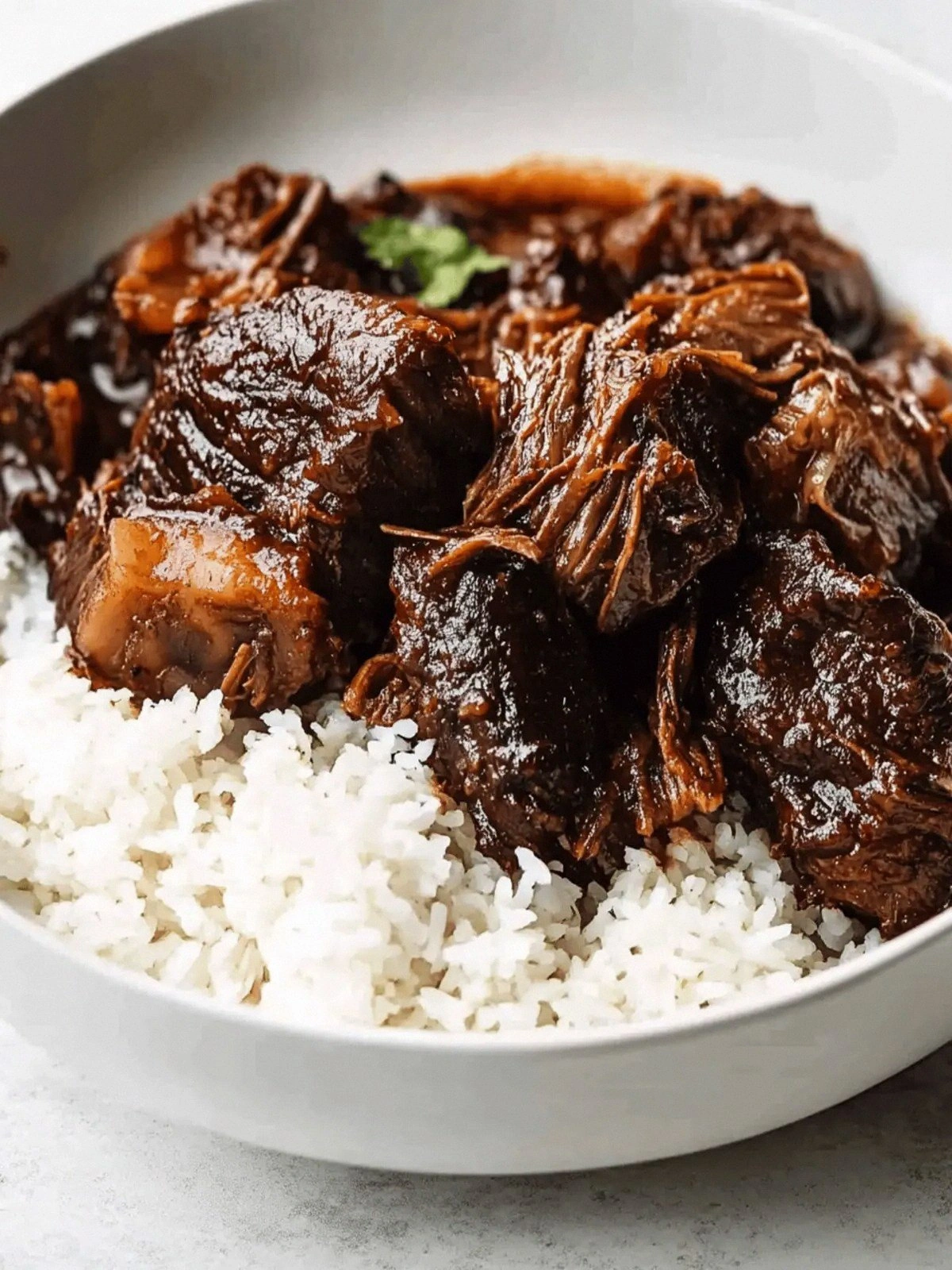
Picture this: the air is thick with the aroma of sizzling onions, the sharp tang of vinegar cutting through the buttery richness of avocado oil, and the subtle sweetness of brown sugar dancing with soy sauce. The sound of the broth bubbling is a steady drumbeat, and the sight of the short ribs slowly browning into a deep mahogany glaze is like watching a slow sunrise. When you taste it, the first bite is a burst of umami that coats the tongue like velvet, followed by a lingering, slightly acidic finish that makes your mouth water for more. The texture is a paradoxical blend of tender, almost melt-in-your-mouth meat and a glossy sauce that clings to each bite, while the edges of the ribs develop a faint, caramelized crust that crackles when you bite. The entire experience feels like a comforting hug wrapped in a savory, slightly sweet, and unmistakably Filipino flavor profile.
What sets this version apart from the countless adobo recipes out there is the deliberate layering of flavors and textures that I discovered through trial and error. I learned that the secret lies not just in the soy sauce and vinegar, but in the subtle balance of sugar, peppercorn, and bay leaves, and in the method of browning the meat before simmering. The result is a dish that is richer, deeper, and more complex than the standard “quick adobo” you find on a recipe site. Instead of a one-step pot stir, this recipe requires a careful sear, a measured reduction, and a slow, low-simmer that allows the flavors to meld into a silky, glossy sauce. This is hands down the best version you'll ever make at home.
I’ll be honest—when I first tasted the finished dish, I ate half the batch before anyone else got a spoon. The richness was so irresistible that I was tempted to keep it all for myself. But as I watched my friends' faces light up with each bite, I realized this isn’t just about the taste; it’s about the experience. Picture yourself pulling this out of the pot, the whole kitchen smelling incredible, and the family gathering around the table, eyes wide as they anticipate the first bite. And now, ready for the game-changer? Let me walk you through every single step—by the end, you'll wonder how you ever made it any other way.
What Makes This Version Stand Out
- Flavor Depth: The combination of soy sauce, vinegar, and brown sugar creates a complex umami profile that lingers on the palate, unlike the flat taste of many quick adobo recipes.
- Texture Contrast: The short ribs develop a caramelized crust that offers a satisfying bite, while the interior remains fall-off-the-bone tender, delivering a delightful contrast.
- Ingredient Quality: Using bone‑in short ribs and a reputable soy sauce brand ensures the sauce is rich and authentic, setting this dish apart from generic versions.
- Simplicity in Execution: Despite its depth, the method requires only a few basic steps—no complicated techniques, making it accessible for beginners.
- Make‑Ahead Friendly: The sauce actually improves after resting; leftovers become even more flavorful when reheated.
- Crowd‑Pleaser: The dish’s savory, slightly sweet, and tangy notes make it a hit at family gatherings and potlucks alike.
Alright, let’s break down exactly what goes into this masterpiece…
Inside the Ingredient List
The Flavor Base
The cornerstone of any great adobo is its liquid foundation. Soy sauce provides a salty, umami backbone, while vinegar introduces that sharp, bright acidity that cuts through the richness of the meat. In this recipe, I use Lauriat brand soy sauce for its balanced flavor profile; if you can't find it, a good quality generic soy sauce will do. Skipping the vinegar will leave the dish flat and overly sweet—think of it as removing the spark that ignites the sauce.
The Texture Crew
Short ribs are the star of the show, but the texture they bring is what makes this version stand out. The bone-in cut not only adds flavor through marrow but also helps the meat stay moist during the long simmer. If you prefer a leaner cut, ribeye or chuck can be used, but be prepared for a slightly drier result. The key is to sear them well before simmering to lock in juices and build a caramelized surface.
The Unexpected Star
Black peppercorns might seem like a minor detail, but they add a subtle heat that elevates the sauce’s complexity. Whole peppercorns release their aroma slowly, giving the dish a gentle spice that doesn't overpower the other flavors. If you’re sensitive to pepper, you can reduce the amount or use freshly cracked black pepper for a milder kick.
The Final Flourish
The last touch that turns a good adobo into a great one is the finishing reduction. Once the meat is tender, let the sauce reduce until it coats the ribs like a glossy coat. This step intensifies the sweetness and brings out the soy's savory notes. If you prefer a thinner sauce, you can add a splash of water, but for maximum flavor, let it thicken naturally.
Everything's prepped? Good. Let's get into the real action…
The Method — Step by Step
- Prepare the Ribs: Pat the short ribs dry with paper towels. Season generously with kosher salt and freshly cracked black pepper on all sides. The salt not only seasons but also helps draw out moisture, ensuring a tender bite. I dare you to taste this and not go back for seconds.
- Sear the Meat: Heat 2 tablespoons of avocado oil in a large, heavy‑bottomed pot over medium‑high heat. Add the ribs in a single layer; do not overcrowd. Let them sear for 3–4 minutes per side until a deep brown crust forms. The sound of the sear is a promise of flavor to come. Watch out: if the oil starts smoking, reduce heat to avoid burning.
- Add Aromatics: Push the seared ribs to the side of the pot and add the sliced onions and minced garlic. Sauté for 2 minutes until the onions become translucent and the garlic releases its fragrance. The aroma that fills the kitchen is the first hint of the dish’s eventual richness.
- Deglaze and Build the Sauce: Pour ⅓ cup of soy sauce into the pot, scraping the bottom with a wooden spoon to lift any browned bits. Add 2½ teaspoons of brown sugar, ¼ teaspoon of black peppercorn, and 3 bay leaves. Stir until the sugar dissolves, creating a glossy liquid that clings to the meat.
- Introduce the Vinegar: Stir in ½ cup of vinegar, allowing the mixture to bubble. The vinegar’s acidity will start to break down the connective tissue in the ribs, making them tender. The first sizzle here is a cue that the sauce is beginning to develop its signature tang.
- Simmer: Add 1 cup of water, bring to a gentle boil, then reduce heat to low. Cover the pot and let it simmer for 30 minutes. The meat should be falling apart, and the sauce should have thickened into a rich, glossy glaze. This step is the moment of truth—don’t walk away from the stove here.
- Check the Texture: Use a fork to test the meat; it should slide off the bone with minimal resistance. If the meat feels tough, let it simmer a few more minutes. The sauce should be so thick it coats the back of a spoon.
- Finish and Serve: Once the ribs are tender and the sauce has reduced to a glossy consistency, taste and adjust seasoning if necessary. Serve hot over steamed rice, allowing the sauce to soak into every grain. The final dish should feel like a warm hug with a kick of tang.
That's it — you did it. But hold on, I've got a few more tricks that'll take this to another level…
Insider Tricks for Flawless Results
The Temperature Rule Nobody Follows
Many cooks think that a high simmer is the key to a quick adobo. In reality, low and slow is the secret. A gentle simmer allows the collagen to break down into gelatin, giving the sauce a silky mouthfeel. I once tried a high‑heat method and ended up with a sauce that was too thin and the meat overcooked. Stick to low heat, and the flavors will meld beautifully.
Why Your Nose Knows Best
Before you even taste the dish, give it a sniff. A well‑balanced adobo will emit a sweet, umami aroma with a hint of sharp acidity. If the smell leans too much toward vinegar, the sauce is too acidic; if it’s overwhelmingly sweet, add a splash of soy sauce or a pinch of salt. Your nose is the most reliable quality control tool in the kitchen.
The 5‑Minute Rest That Changes Everything
After you remove the pot from heat, let the adobo rest covered for 5 minutes. This allows the flavors to settle and the sauce to thicken slightly. I’ve seen people rush to serve immediately, but a short rest makes the sauce cling to the ribs more effectively, creating that coveted glossy finish.
Use a Skillet for the Final Reduction
If you’re craving a thicker sauce, transfer the mixture to a separate skillet after the initial simmer. Reduce over medium heat until it reaches your desired consistency. This technique gives you precise control over the sauce’s thickness without overcooking the meat.
Keep the Bones In for Extra Flavor
Bone‑in short ribs infuse the sauce with marrow, adding depth that ground meat can’t replicate. If you’re short on time, you can use boneless cuts, but remember to simmer for a bit longer to compensate for the loss of bone marrow. The extra flavor is worth the extra minutes.
Creative Twists and Variations
This recipe is a playground. Here are some of my favorite ways to switch things up:
Spicy Sriracha Kick
Add a tablespoon of Sriracha during the simmer to give the sauce a fiery edge. The heat pairs beautifully with the sweetness of the brown sugar, creating a balanced spicy-sweet profile that’s perfect for those who like a little bite.
Herbal Infusion
Replace the bay leaves with a handful of fresh lemongrass stalks. The citrusy aroma will add a fresh note, making the dish feel lighter and more fragrant.
Vegetable Adobo
Swap the short ribs for thick-cut pork belly or even tofu for a vegetarian version. The cooking time may need adjustment, but the sauce will still cling beautifully to the protein of your choice.
Instant Pot Edition
Use an Instant Pot to reduce the cooking time to 25 minutes. Sear the ribs on the sauté mode, then pressure cook with the liquid. The result is tender meat and rich sauce in a fraction of the time.
Gluten‑Free Variation
Use a gluten‑free soy sauce or tamari to keep the dish safe for gluten‑sensitive diners. The flavor profile remains largely unchanged, so you can enjoy the same depth without the gluten.
Adobo with a Twist of Coconut
Add a half cup of coconut milk during the last 10 minutes of simmering. The coconut milk adds creaminess and a subtle tropical flavor that pairs wonderfully with the savory sauce.
Storing and Bringing It Back to Life
Fridge Storage
Cool the adobo to room temperature before transferring it to an airtight container. Store in the refrigerator for up to 4 days. The sauce will thicken slightly as it chills, which is normal and actually enhances the flavor.
Freezer Friendly
For longer storage, freeze the adobo in portioned containers for up to 3 months. Thaw overnight in the refrigerator before reheating. When reheating, add a splash of water to loosen the sauce, as it tends to thicken further in the freezer.
Best Reheating Method
Reheat the dish on low heat, stirring occasionally, until it’s hot throughout. If the sauce appears too thick, whisk in a tablespoon of water or broth. This technique steams the dish back to its original, luscious consistency.