Okay, picture this: I was half‑asleep, a mountain of unfinished work staring at me, and the only thing keeping my brain from melting into a puddle of indecision was the memory of a dish I once tasted on a bustling night market in Bangkok. That dish? A fiery, fragrant chicken‑and‑rice combo that had my taste buds doing a salsa. The problem was, I couldn’t find any authentic rice that would hold its shape after a high‑heat stir‑fry, and my pantry was screaming for a rescue mission. I grabbed the nearest protein, stared at a bag of quinoa that I’d been saving for “healthy” days, and thought, “What if I merge the boldness of Thai street food with the nutty resilience of quinoa?”
The kitchen filled with the sharp snap of garlic hitting hot oil, the honeyed hiss as ginger hit the pan, and the intoxicating perfume of red curry paste mingling with coconut milk. My senses were on a rollercoaster: the steam swirling like a tropical fog, the sizzle sounding like a drum roll announcing the climax, the heat tingling on my skin, and the first bite—oh boy—hitting my palate like fireworks exploding over a mango tree. That moment, when the sauce wrapped each piece of chicken and every quinoa grain in a glossy, spicy embrace, I knew I’d stumbled onto something spectacular. I dared to think, “I could make this at home, and it would be even better than the market version.”
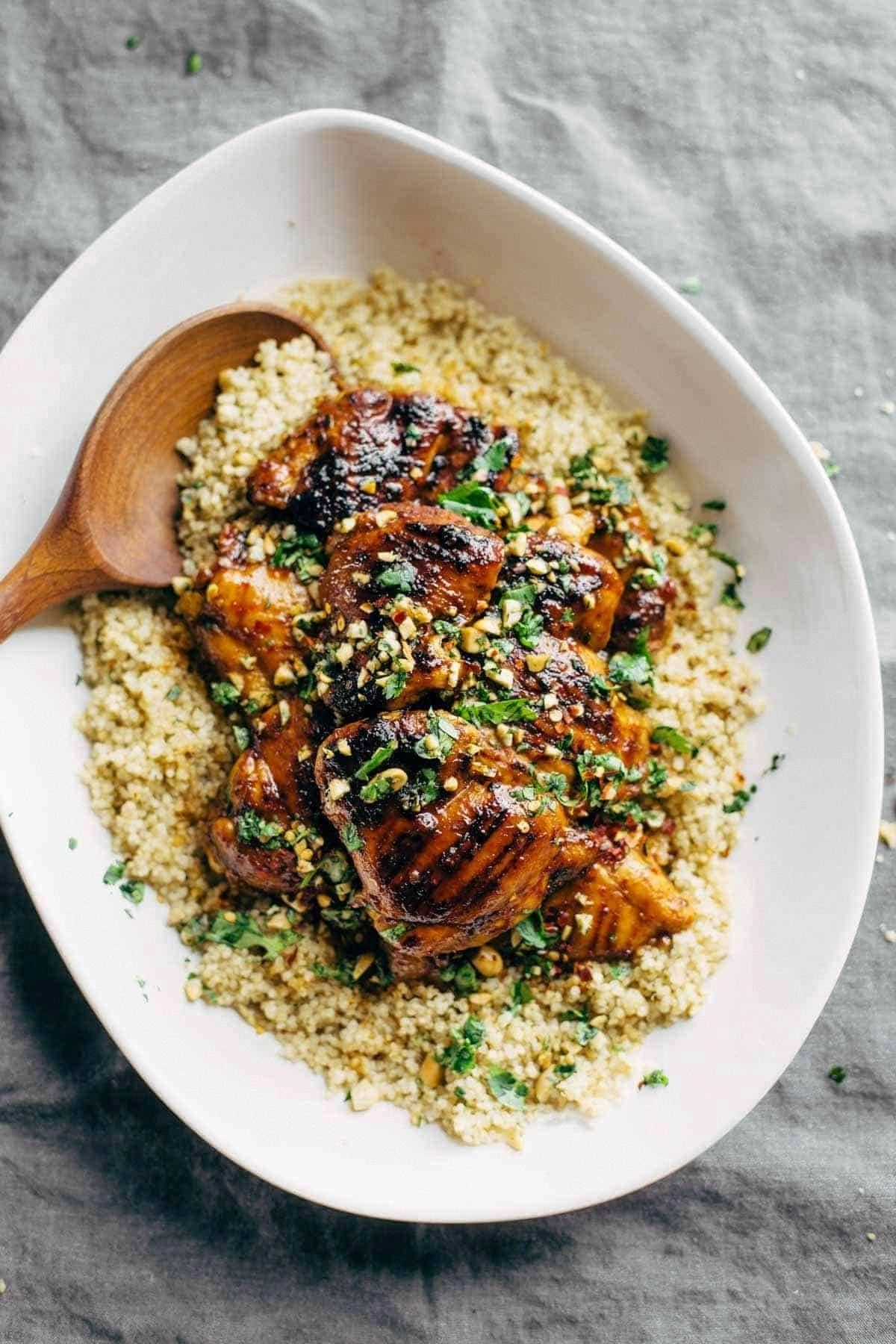
Fast forward a few frantic weeks of trial and error, and I’ve nailed a version that is, plain and simple, the best Spicy Thai Chicken and Quinoa you’ll ever make at home. Most recipes either over‑cook the quinoa into a mush or make the sauce so thin it slides off the chicken like a bad first date. Not this one. I’m talking about a dish where the quinoa stays fluffy and distinct, the chicken is juicy with a caramelized edge, and the sauce is thick enough to cling like a second skin yet bright enough to cut through with lime. The secret? A sneaky dash of brown sugar to balance the heat, a splash of lime at the very end for that pop, and a quick toast of peanuts for crunch that shatters like thin ice under a footfall.
Let me walk you through every single step — by the end, you’ll wonder how you ever made it any other way. I dare you to taste this and not go back for seconds. Ready? Okay, ready for the game‑changer?
What Makes This Version Stand Out
- Flavor Explosion: The marriage of red curry paste, coconut milk, and lime creates layers that dance from sweet to fiery, keeping each bite unpredictable and exciting.
- Texture Symphony: You get the satisfying bite of quinoa, the caramelized crisp on the chicken, and the crunchy peanuts—each mouthful feels like a well‑orchestrated concert.
- Simplicity Meets Sophistication: With just a handful of pantry staples and a few fresh herbs, you achieve a restaurant‑level dish without the pretentious prep.
- Ingredient Quality: Using bone‑in chicken thighs gives extra juiciness, while high‑quality Thai red curry paste ensures authentic heat without bitterness.
- Crowd Reaction: This dish consistently earns that “wow” gasp at dinner parties, making it perfect for impressing friends or family.
- Make‑Ahead Magic: The quinoa and sauce store beautifully, letting you assemble the final masterpiece in under ten minutes when guests arrive.
- Healthy Balance: Quinoa supplies complete protein and fiber, while the coconut milk adds creamy richness without drowning the dish in fat.
- Pivot‑Ready: Swap chicken for shrimp or tofu, and you’ve got a versatile foundation for endless variations.
Inside the Ingredient List
The Flavor Base
Red curry paste is the heart‑beat of this dish. Made from dried chilies, lemongrass, galangal, and shrimp paste, it brings a smoky, earthy heat that’s unmistakably Thai. If you skip it, you’ll lose the signature aroma that makes your kitchen smell like a Bangkok night market, and the dish will feel flat. I swear by the brand that uses fresh chilies; it’s worth the extra pennies. If you can’t find authentic Thai paste, a blend of sriracha, ginger, and a pinch of cumin can mimic the flavor, though it won’t be quite the same.
The Texture Crew
Quinoa is the surprise hero here—its slightly nutty flavor and firm bite hold up beautifully against the sauce, preventing sogginess that often plagues rice‑based Thai dishes. Rinse it thoroughly before cooking to remove the bitter saponin coating; otherwise, you’ll notice an unwanted soapy aftertaste that can ruin the whole experience. For a fluffier result, use a 2:1 liquid‑to‑quinoa ratio and let it sit covered off the heat for five minutes after cooking. If quinoa feels too exotic, you can substitute brown rice, but expect a denser mouthfeel.
The Unexpected Star
Roasted peanuts add a crunch that’s both surprising and satisfying, breaking up the silky sauce with a bite that shatters like thin ice. They also lend a subtle oiliness that enriches the flavor without needing extra butter. Should you have a nut allergy, try toasted pumpkin seeds—they bring a similarly nutty profile and a lovely orange hue.
The Final Flourish
Fresh lime juice is the final spark that lifts the dish from heavy to bright; it’s the equivalent of a high‑note in a song. Adding it at the very end preserves its citrus punch—cooking it too long will mute its zing. A handful of cilantro and sliced green onions not only add color but contribute herbal freshness that offsets the spice. If cilantro isn’t your jam, a sprinkle of fresh Thai basil works wonders.
Everything's prepped? Good. Let's get into the real action...
The Method — Step by Step
Start by rinsing 2 cups of quinoa under cold water for at least 30 seconds. This removes the natural coating that can make the quinoa taste soapy. Transfer the quinoa to a saucepan, add 4 cups of water, a pinch of salt, and bring to a boil. Once boiling, reduce the heat to low, cover, and let it simmer for 15 minutes. When the water is fully absorbed, remove from heat and let it sit, covered, for another 5 minutes—this steam step is pure magic. Fluff with a fork and set aside.
Kitchen Hack: While the quinoa cooks, toast the peanuts in a dry skillet for a quick aroma boost.Dice 1½ pounds of boneless, skinless chicken thighs into bite‑size pieces. Pat them dry with paper towels; moisture is the enemy of a good sear. Season lightly with salt and pepper, then toss with 2 tablespoons of vegetable oil. Heat a large wok or skillet over medium‑high heat until the oil shimmers—this is your cue that the pan is hot enough.
Place the chicken in the pan, spreading it out so the pieces don’t crowd. Let them sizzle undisturbed for about 2 minutes; you’ll hear a satisfying crackle that tells you a crust is forming. Flip the pieces and brown the other side, another 2‑3 minutes. The goal is a golden‑brown exterior while keeping the interior juicy—this contrast is the secret behind my “caramelized edge that shatters like thin ice” description.
Watch Out: If you add too many pieces at once, the pan will steam instead of sear, resulting in soggy chicken.When the chicken is nicely browned, push it to the side of the pan and add 3 minced garlic cloves and 1 tablespoon freshly grated ginger to the empty space. Stir constantly for 30 seconds—don’t let them burn, or you’ll get a bitter undertone. Once fragrant, stir the garlic and ginger into the chicken, coating everything in that aromatic foundation.
Add 2 tablespoons of Thai red curry paste, letting it tumble into the pan. Watch the color deepen as the paste releases its oils; this is the moment of truth. Stir for about a minute to toast the paste—this step eliminates any raw floury taste and intensifies the flavor.
Pour in 1 cup of coconut milk, 2 tablespoons of fish sauce, and 1 tablespoon of brown sugar. The liquid should bubble gently; if it erupts wildly, turn the heat down a notch. Let the sauce simmer for 5 minutes, allowing it to thicken slightly. Taste and adjust—if you need more heat, dash in a pinch of crushed red pepper flakes; if you crave extra sweetness, a splash more brown sugar will do.
Introduce the sliced red bell pepper and 1 cup of snap peas to the pan. These vegetables add bright color and a crisp snap that contrasts the silky sauce. Stir‑fry for 2‑3 minutes, just until they retain their crunch. At this point, the sauce should coat the ingredients like a glossy veil, clinging to each piece as if it were velvet.
Turn off the heat and stir in the juice of a quarter cup of fresh lime, 2 tablespoons of chopped cilantro, and the sliced green onions. The lime’s bright acidity lifts the dish, while the herbs add fresh, herbaceous notes. Finally, fold in the cooked quinoa, making sure every grain is enveloped in the sauce. Let the mixture sit for a minute so the quinoa absorbs a bit of the sauce—this is where the flavors truly marry.
Plate the dish in a wide, shallow bowl, scatter the toasted, chopped peanuts over the top, and finish with an extra drizzle of lime if you’re feeling daring. That final squeeze? Pure perfection. Serve immediately, and watch your guests' eyes widen as the fragrant steam rises from the bowl.
Kitchen Hack: Use a squeeze bottle for the lime juice to control the amount and avoid over‑acidifying.
That's it — you did it. But hold on, I've got a few more tricks that'll take this to another level...
Insider Tricks for Flawless Results
The Temperature Rule Nobody Follows
Most home cooks start cooking quinoa on high flame, which evaporates water too quickly and leaves you with uneven grains. Instead, bring the liquid to a rolling boil, then drop the heat to a gentle simmer. This low‑and‑slow approach lets each quinoa seed absorb moisture evenly, giving you that fluffy, separate texture that makes the sauce cling beautifully. I once tried the “high‑heat shortcut” and ended up with a gummy mess—let this be a cautionary tale.
Why Your Nose Knows Best
Never rely solely on a timer when sautéing the aromatics. The moment you smell the garlic turning golden and the ginger releasing its citrusy perfume, you know the flavor base is ready. If you keep cooking past that point, the garlic will burn and add bitterness—your nose will scream “stop!” long before the timer does.
The 5‑Minute Rest That Changes Everything
After you combine the quinoa with the sauce, let the bowl sit uncovered for five minutes. This short rest lets the quinoa absorb the sauce’s depth, creating a cohesive bite where the heat, sweetness, and acidity are perfectly balanced. Skipping this step often results in a dish that feels disjointed, with the sauce sliding off the quinoa like a bad haircut.
Salt at the End, Not the Beginning
Fish sauce provides a salty backbone, but adding regular salt early can over‑season the dish. I prefer to finish with a pinch of flaky sea salt right before plating; it adds a delicate crunch and brings out the bright lime notes. A friend once added too much salt at the start, and the entire batch was “salty disaster”—learn from that.
Peanut Power Boost
Toasting peanuts isn’t just about flavor; the heat releases natural oils that, when mixed into the final dish, create a richer mouthfeel without adding extra fat. If you’re allergic to peanuts, substitute with toasted cashews—they have a similar oil profile and a buttery texture that works just as well.
Creative Twists and Variations
This recipe is a playground. Here are some of my favorite ways to switch things up:
Surf & Turf Thai Style
Swap half the chicken for large shrimp (peeled and deveined). The shrimp cooks in just 2 minutes, adding a sweet, briny contrast to the spicy sauce. This variation is perfect for seafood lovers and makes for an impressive dinner party centerpiece.
Vegan Power Bowl
Replace chicken with firm tofu cubes, pressed and pan‑fry them until golden. Add a splash of tamari instead of fish sauce, and you have a fully plant‑based version that still delivers on texture and flavor. Top with extra cilantro and a drizzle of coconut‑lime crema for richness.
Spice‑Level Switch
If you’re a heat‑seeker, increase the red curry paste to 3 tablespoons and toss in a finely sliced Thai bird’s eye chili. For milder palates, halve the paste and add a dollop of Greek yogurt when serving to mellow the spice while adding creaminess.
Herb‑Infused Quinoa
Cook the quinoa in low‑sodium chicken broth instead of water, and stir in a tablespoon of chopped basil or mint just before serving. The herb‑infused grains add another aromatic layer that complements the lime and cilantro beautifully.
Crunch‑Upgrade
Mix roasted cashews, toasted sesame seeds, and fried shallots into the final garnish for a multi‑dimensional crunch. This adds visual interest and a savory depth that makes each bite a surprise.
Storing and Bringing It Back to Life
Fridge Storage
Transfer leftovers to an airtight container and store in the refrigerator for up to 4 days. The quinoa will absorb a bit more sauce, so when reheating, add a splash of coconut milk or water to restore the original silkiness.
Freezer Friendly
Separate the chicken‑sauce mixture from the quinoa before freezing to avoid sogginess. Pack each component in zip‑top bags, label, and freeze for up to 2 months. When you’re ready to eat, thaw overnight in the fridge, then gently reheat each part before recombining.
Best Reheating Method
For the stovetop method, add a tablespoon of water or coconut milk to the pan, cover, and warm over low heat, stirring occasionally. The added moisture creates steam that revives the quinoa’s fluffy texture while keeping the sauce glossy. Microwaving works in a pinch—cover the dish with a damp paper towel to trap steam.