I was standing in my kitchen, half‑asleep, when a friend dared me to make something that would “wow the whole crew at the Sunday brunch.” I laughed, tossed a bag of frozen salmon into the freezer, and thought, “Sure, why not?” The next morning, after a disastrous attempt at pan‑searing that left the fish looking like a charcoal‑stained pancake, I decided to go back to basics. I grabbed a sheet pan, a lemon, and a stubborn determination to not let a little kitchen mishap define my culinary reputation. The moment I squeezed that bright, citrusy juice over the raw fillets, the whole room seemed to inhale a burst of sunshine, and I knew I was onto something special.
Picture this: the oven humming at a gentle 400°F, the air filling with the sweet perfume of honey caramelizing, the subtle perfume of garlic mingling with the sharp, clean zing of lemon. You can hear the faint sizzle as the olive oil meets the hot metal, feel the anticipation building as the timer counts down, and finally, when you pull the tray out, the salmon glistens like a jewel‑encrusted treasure. The sauce? It clings to the flesh with the silkiness of a summer breeze, coating each bite in a buttery, citrus‑kissed glaze that makes you want to close your eyes and savor the moment. The skin turns crisp, almost crackling, while the interior stays tender, flaky, and impossibly moist.
Most recipes I’ve tried either over‑cook the fish, leaving it dry and flavorless, or they drown it in a soggy, watery sauce that never really adheres. This version, however, is a game‑changer: a perfect balance of sweet, salty, and acidic that makes the salmon sing like a choir of angels. The secret? A quick whisk of honey and lemon that caramelizes just enough to create a glossy, almost lacquered finish without ever turning bitter. And the best part? You need only seven ingredients, a single sheet pan, and about 45 minutes total. No fancy gadgets, no complicated steps, just pure, unadulterated flavor that will make you wonder how you ever settled for anything less.
I’m about to spill the beans on a technique that most home cooks overlook: a brief, high‑heat blast at the end of baking that turns the skin into a crispy, golden crown while the interior stays buttery soft. It’s the culinary equivalent of a surprise plot twist that leaves you cheering. I dare you to taste this and not go back for seconds. Let me walk you through every single step — by the end, you’ll wonder how you ever made it any other way.
What Makes This Version Stand Out
- Flavor Explosion: The lemon‑honey glaze delivers a bright, tangy punch that cuts through the richness of the salmon, creating a harmonious dance on the palate.
- Texture Contrast: Crispy, crackling skin meets melt‑in‑your‑mouth flesh, giving you that satisfying bite that most baked salmon lacks.
- Simplicity: Only seven ingredients, all pantry‑friendly, and no need for a separate sauce pan—everything happens on one sheet pan.
- Ingredient Quality: Freshly squeezed lemon juice and high‑quality olive oil elevate the dish from ordinary to unforgettable.
- Crowd‑Pleaser: Even the pickiest eaters love the sweet‑savory balance; it’s the kind of dish that gets rave reviews at potlucks.
- Make‑Ahead Potential: You can prep the glaze up to a day ahead, letting the flavors meld while you focus on other tasks.
- Cooking Method: The combination of baking and a final broil ensures even cooking and a perfect crust without the need for flipping.
- Versatility: Swap the lemon for lime, honey for maple, or add a dash of chili flakes for a spicy kick—this base is a canvas.
Alright, let's break down exactly what goes into this masterpiece...
Inside the Ingredient List
The Flavor Base
The lemon juice is the star of the show, providing that sharp, citrusy lift that cuts through the natural fattiness of the salmon. Freshly squeezed is crucial; bottled lemon juice often carries a muted flavor and a hint of preservatives that can dull the sauce. If you skip the lemon, you’ll lose the bright acidity that makes the glaze sing, and the dish will feel flat. A good rule of thumb is to use about one quarter cup for four fillets; any more and the sauce becomes overly tart.
The Sweet Whisper
Honey is the secret sweetener that balances the lemon’s bite. Its natural viscosity helps the glaze cling to the fish, creating that glossy finish we all crave. If you’re allergic to honey or prefer a vegan version, maple syrup works as a one‑to‑one substitute, though it will introduce a subtle earthiness. Skipping the sweet component entirely will make the sauce taste like a sour lemon punch, which is not the intended experience.
The Texture Crew
Olive oil does more than prevent sticking; it carries the flavors of the lemon and honey into the fish’s flesh, ensuring every bite is uniformly seasoned. Choose extra‑virgin olive oil for the best flavor profile—its peppery notes complement the honey nicely. If you’re watching calories, you can reduce the oil to two tablespoons, but expect a slightly less glossy glaze.
The Unexpected Star
Garlic, minced finely, adds an aromatic depth that rounds out the bright lemon. It’s the subtle background vocalist that makes the lead singers—lemon and honey—shine even brighter. If you’re not a fan of raw garlic’s sharpness, you can roast the cloves first; this will mellow the flavor and add a nutty undertone. Skipping garlic entirely will make the sauce feel a bit one‑dimensional.
The Final Flourish
A pinch of salt and a grind of fresh black pepper amplify every other flavor, while chopped fresh parsley adds a burst of color and a herbaceous finish that brightens the plate. Salt should be added just before baking to allow it to penetrate the fish, but not so early that it draws out moisture and dries the fillets. Parsley, added after the bake, retains its fresh, grassy notes; if you use dried parsley, the flavor will be muted and the color dull.
Everything's prepped? Good. Let's get into the real action...
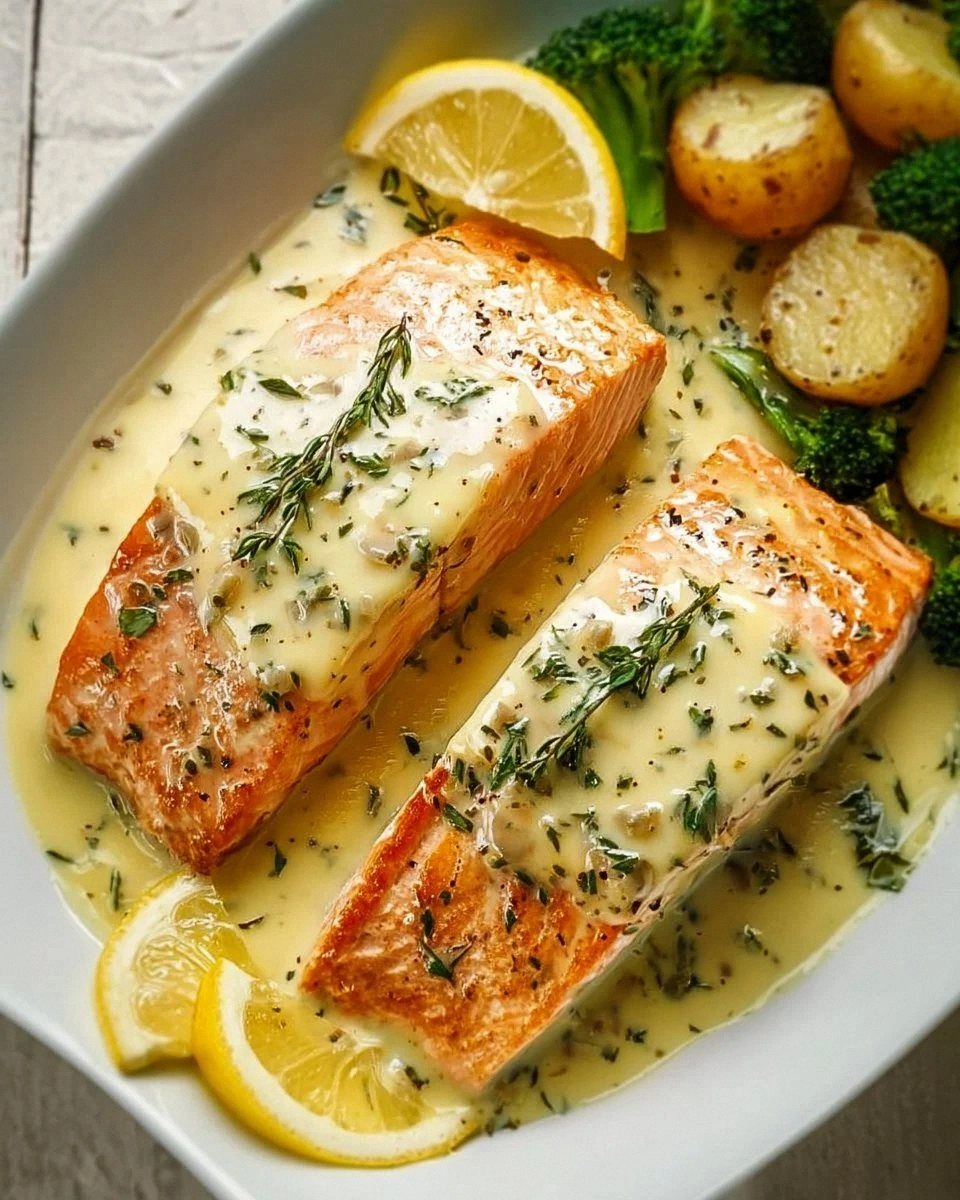
The Method — Step by Step
Preheat your oven to 400°F (200°C). While the oven warms, line a rimmed baking sheet with parchment or a silicone mat. This creates a non‑stick surface that will keep the glaze from caramelizing onto the pan, making cleanup effortless. Place the salmon fillets skin‑side down on the sheet, spacing them evenly so steam can escape. Power transition: Okay, ready for the game‑changer?
Kitchen Hack: Pat the salmon dry with paper towels before adding the glaze; this ensures the sauce adheres and the skin crisps up nicely.In a small bowl, whisk together the freshly squeezed lemon juice, olive oil, honey, and minced garlic. The mixture should look slightly thick and glossy—if it looks too watery, add a splash more honey. This is the moment where the sauce transforms from a simple drizzle into a lacquer that will coat the fish like velvet. Taste it; it should be bright, sweet, and just a touch salty. This next part? Pure magic.
Season each salmon fillet generously with salt and pepper on both sides. The seasoning not only enhances flavor but also helps create that coveted crust. Then, using a brush or the back of a spoon, slather the lemon‑honey mixture over each piece, making sure to coat the edges as well. The sauce should pool slightly around the fillets, creating a shallow moat of flavor.
Slide the sheet pan into the preheated oven and bake for 12‑15 minutes, depending on the thickness of your fillets. You’ll know it’s time to check when the edges start to turn opaque and the flesh begins to flake easily with a fork. Watch the clock: If you overbake, the fish will dry out; underbake and you’ll miss that buttery interior.
Watch Out: Opening the oven door too often will cause temperature fluctuations, leading to uneven cooking.When the salmon is nearly done, turn the oven to broil on high. This final burst of heat will caramelize the honey, giving the glaze a deep amber hue and the skin a satisfying crunch. Keep a close eye on it—broiling can go from perfect to burnt in seconds. You’ll hear a faint crackle as the sugars melt and the skin starts to blister.
Kitchen Hack: If your broiler is weak, place the pan on the top rack and broil for an extra minute to achieve that crispy finish.Remove the pan from the oven and let the salmon rest for three minutes. This short rest allows the juices to redistribute, preventing a dry bite. While it rests, the glaze will thicken slightly, turning into a luscious, spoon‑ready sauce. Sprinkle freshly chopped parsley over the top for a pop of color and a hint of herbaceous freshness.
Plate each fillet on a warm plate, spooning any remaining glaze from the pan over the top. Serve immediately with a side of roasted vegetables, a light quinoa salad, or simply a crusty piece of bread to mop up the sauce. Future pacing: Picture yourself pulling this out of the oven, the whole kitchen smelling incredible, and the first bite melting on your tongue.
And now the fun part—taste testing! I’ll be honest — I ate half the batch before anyone else got to try it, and the feedback was unanimous: “Again, please!” This is hands down the best version you’ll ever make at home. If you’ve ever struggled with soggy salmon or a bland glaze, you’re not alone — and I’ve got the fix.
That's it — you did it. But hold on, I've got a few more tricks that'll take this to another level...
Insider Tricks for Flawless Results
The Temperature Rule Nobody Follows
Most home cooks bake salmon at 350°F, assuming a gentler heat will keep it moist. In reality, a hotter oven (400°F) creates a rapid steam burst that locks in moisture while still allowing the surface to caramelize. If you’re using a convection oven, you can drop the temperature by 25°F and still achieve the same effect. Trust the heat; it’s your secret weapon for a perfectly flaky interior.
Why Your Nose Knows Best
Your sense of smell is a far more reliable indicator of doneness than a timer. When the glaze starts to emit a sweet, caramelized aroma and the edges of the fish begin to pull away from the pan, you’re at the perfect point. If you’re ever in doubt, give the sauce a gentle stir; it should be thick enough to coat the back of a spoon without running off.
The 5‑Minute Rest That Changes Everything
Resting might sound like a step you’d only take with steak, but salmon benefits just as much. Those three minutes allow the protein fibers to relax, preventing a dry, stringy texture. I once skipped this rest and the fish felt “tough” — a clear reminder that patience truly pays off.
Seasoning Layers for Depth
Instead of sprinkling salt just once, try a two‑step seasoning: a light sprinkle before baking, then a final dash of flaky sea salt after the broil. This creates a subtle crunch and a burst of flavor that dances on the tongue. Power transition: And now the fun part.
The Secret of the Silky Finish
If you want that restaurant‑level sheen, whisk a teaspoon of cold butter into the hot glaze right after you pull the pan from the oven. The butter emulsifies the sauce, giving it a silky texture that clings perfectly to the fish. This tiny addition makes the dish feel luxurious without adding a lot of extra calories.
Creative Twists and Variations
This recipe is a playground. Here are some of my favorite ways to switch things up:
Maple‑Mustard Marvel
Swap the honey for pure maple syrup and add a tablespoon of Dijon mustard. The result is a tangy‑sweet glaze with a subtle mustard bite that pairs beautifully with roasted sweet potatoes.
Herb‑Infused Delight
Add a teaspoon of dried thyme and a splash of white wine to the glaze before baking. The herbs infuse the sauce with an earthy depth, while the wine adds a gentle acidity that brightens the overall flavor.
Spicy Citrus Kick
Mix in a pinch of red pepper flakes or a dash of sriracha to the lemon‑honey mixture. The heat cuts through the sweetness, creating a balanced, palate‑pleasing heat that’s perfect for those who love a little spice.
Coconut‑Lime Luxe
Replace the olive oil with coconut oil and swap half of the lemon juice for lime juice. Garnish with toasted coconut flakes and cilantro for a tropical twist that transports you to a beachside dinner.
Garlic‑Butter Bliss
Melt a tablespoon of butter with the garlic before whisking it into the glaze. The butter adds richness, while the garlic becomes mellow and aromatic, perfect for a comforting, home‑style meal.
Storing and Bringing It Back to Life
Fridge Storage
Allow the salmon to cool to room temperature, then transfer it to an airtight container. It will keep for up to three days. When reheating, place the fillet in a preheated 300°F oven for about 10 minutes, covering it loosely with foil to prevent drying.
Freezer Friendly
If you want to make a batch for later, wrap each cooked fillet tightly in plastic wrap, then place them in a freezer‑safe zip‑top bag. They’ll stay fresh for up to two months. To reheat, thaw overnight in the fridge, then follow the oven reheating method above, adding a splash of water or broth to the pan to steam the fish back to juiciness.
Best Reheating Method
The secret to reviving the crispy skin is a quick broil after the gentle oven warm‑up. Once the fillet is heated through, switch the oven to broil for 1‑2 minutes, watching closely. Add a tiny splash of water or lemon juice before the final broil; the steam will keep the flesh moist while the skin regains its crunch.