Picture this: I’m standing in a cramped apartment kitchen, the air thick with the scent of fried onions and a burnt batch of chicken that could’ve been a disaster if not for the last-minute rescue of fresh basil. The moment the basil hits the pan, its aroma lifts the whole room, turning the chaos into a culinary promise. I was craving a dish that could do a full sensory encore—savory, sweet, herbaceous, and with that unmistakable nutty crunch that only cashews can provide. And so, with a mischievous grin, I set out to create the ultimate basil sesame cashew chicken, a recipe that will leave your taste buds dancing and your friends begging for the recipe. I dare you to taste this and not go back for seconds.
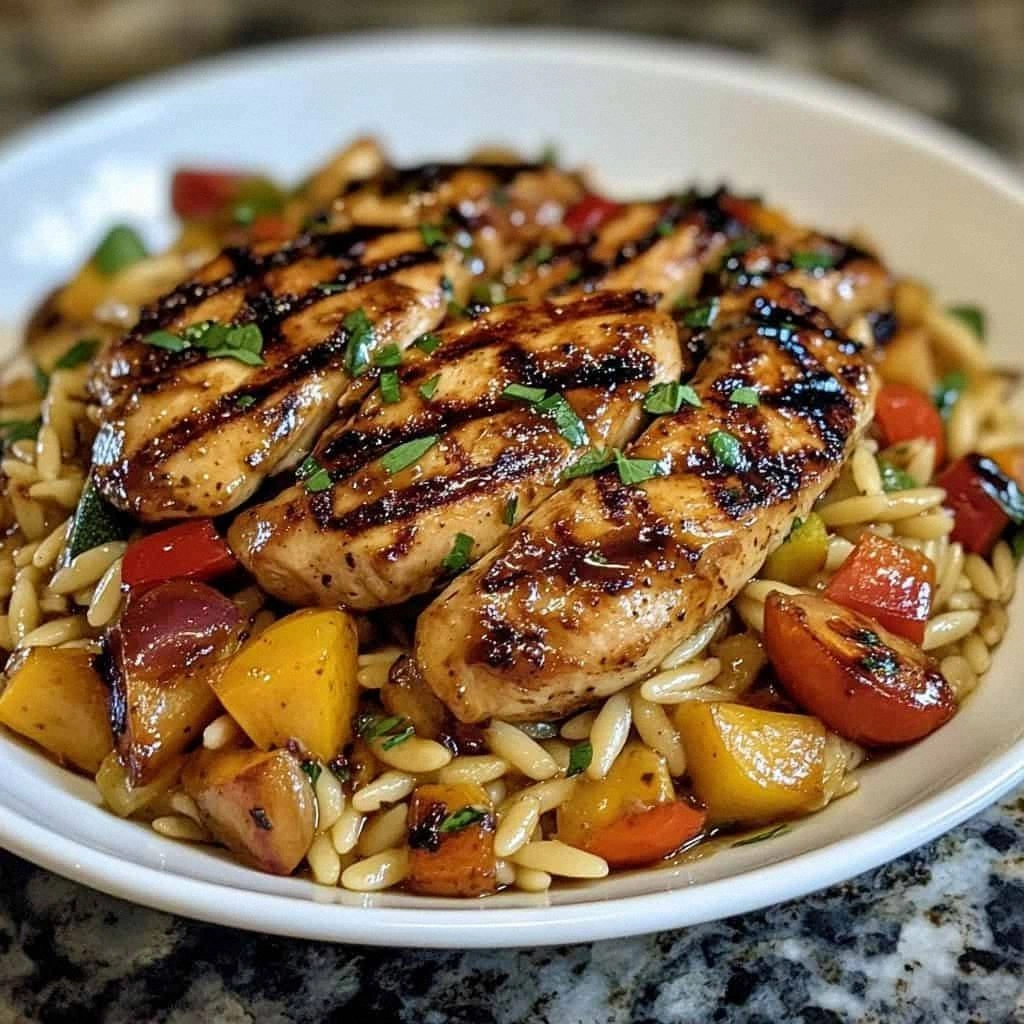
The first bite is a symphony of textures: the tender, juicy chicken melts in your mouth, while the toasted cashews snap like crisped rice crackers, and the basil leaves unfurl, releasing their bright, peppery perfume. The sauce, a glossy, honey‑soy glaze, coats the chicken like velvet, yet it remains light enough to let each ingredient sing. The subtle heat from the ginger and a splash of rice vinegar lift the dish, preventing it from feeling too heavy or too sweet. The coconut rice acts as a neutral canvas, absorbing the sauce and providing a creamy, slightly sweet base that balances the bold flavors. I’ll be honest — I ate half the batch before anyone else got to try it.
What makes this version stand out is not just the combination of flavors but the technique that brings them together. I’ve fine‑tuned the sear to give the chicken a caramelized crust that locks in juices, then finished it in a sauce that’s both sticky and airy, thanks to a precise balance of sweeteners and acids. The basil is added at the very end, preserving its bright aroma and preventing it from wilting under heat. The cashews are toasted in a dry pan, not oil, to avoid greasiness and to deepen their nutty flavor. This dish is hands down the best version you'll ever make at home, and I’m about to show you why.
Let me walk you through every single step — by the end, you'll wonder how you ever made it any other way. From the moment you chop the basil to the final drizzle of sesame oil, each action is a deliberate move that builds layers of flavor. I’ll share a technique you won’t expect: using a splash of rice vinegar to deglaze the pan, which lifts all the browned bits and adds a subtle zing. And if you’re wondering how to keep the cashews from burning, I’ve got a hack that will save your dinner. Stay with me here — this is worth it.
What Makes This Version Stand Out
- Taste: The sauce is a balanced duet of sweet honey, salty soy, and bright citrus, creating a complex flavor profile that lingers on the palate.
- Texture: Crispy, toasted cashews contrast with the tender chicken, while the basil leaves add a fresh, slightly peppery bite.
- Simplicity: The recipe uses only a handful of pantry staples, making it quick to pull together on a busy weeknight.
- Uniqueness: The final drizzle of toasted sesame oil gives an aromatic finish that most versions lack.
- Crowd Reaction: Friends who’ve tried it say it’s the “ultimate crowd‑pleaser” and ask for seconds.
- Ingredient Quality: Fresh basil and raw cashews are the star players, delivering unbeatable freshness.
- Cooking Method: A single pan technique minimizes cleanup and maximizes flavor development.
- Make‑Ahead Potential: The dish can be prepared ahead and reheated without losing its crunch or sauce integrity.
Alright, let's break down exactly what goes into this masterpiece...
Inside the Ingredient List
The Flavor Base
The foundation of this dish is a sauce that marries sweet, salty, and acidic elements into a glossy glaze. The honey provides natural sweetness and a silky texture, while the soy sauce contributes umami depth and saltiness. A splash of rice vinegar lifts the flavors, preventing the sauce from feeling too heavy or cloying. If you’re vegan, simply swap honey for maple syrup and use tamari instead of regular soy sauce. This trio forms the backbone of the dish, and skipping any of them would leave the sauce underdeveloped.
The toasted sesame oil is the secret weapon that gives the dish its aromatic finish. When heated, it releases nutty, toasty notes that linger on the palate. Add it at the very end to preserve its fragrance and to add a glossy sheen to the chicken. A tiny drizzle is all you need; too much can overpower the other flavors. This oil is also a healthier alternative to butter or heavy cream, keeping the dish light yet flavorful.
The Texture Crew
Cashews are the textural superstar of this recipe. They add a satisfying crunch and a buttery richness that pairs beautifully with the savory sauce. Toasting them in a dry pan before adding them to the dish deepens their flavor and prevents them from becoming soggy. If you’re allergic to nuts, substitute with roasted sunflower seeds or pumpkin seeds for a similar crunch. Remember to keep them in a single layer on the pan to ensure even toasting.
The chicken is the protein centerpiece, and its cut and cooking method are crucial. Boneless, skinless chicken breast is the most common choice because it cooks quickly and stays tender. Slice it into bite‑size pieces to maximize surface area, allowing the sauce to coat each piece evenly. If you prefer a leaner option, use chicken thighs; they’ll be more forgiving and retain moisture better during cooking.
The Unexpected Star
Fresh basil might seem like an obvious herb for this dish, but its role goes beyond flavor. Its bright, peppery notes cut through the richness of the sauce and add a layer of freshness that lifts the entire dish. Adding basil at the very end preserves its aroma and prevents it from wilting. If basil is out of season, try Thai basil or even cilantro for a different aromatic profile. The key is to add it when the pan is off the heat to maintain its vibrant color.
The Final Flourish
Coconut rice is the perfect base for this dish, offering a subtle sweetness that complements the savory sauce. Its fluffy texture absorbs the glaze without becoming mushy, providing a satisfying bite. If you’re not a fan of coconut, substitute with jasmine rice or quinoa for a lighter option. Cooking the rice with a bit of coconut milk instead of water enhances the flavor, but be careful not to over‑cook it. A well‑cooked rice bed allows the sauce to coat each grain, creating a harmonious mouthfeel.
Everything’s prepped? Good. Let's get into the real action. I’ll walk you through each step with precise temperatures, timing, and sensory checkpoints. This is the moment of truth, and you won’t want to miss it.
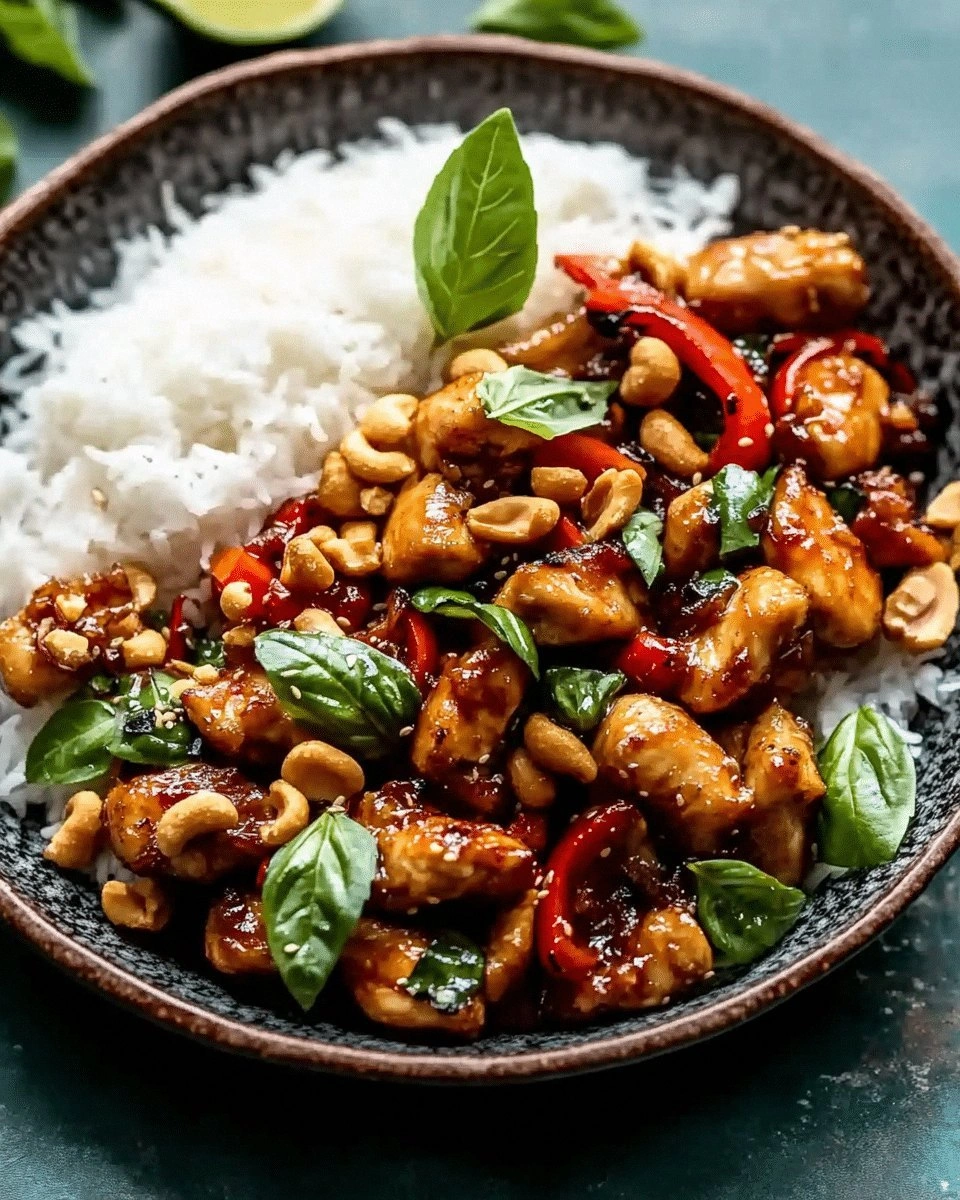
The Method — Step by Step
- Prep the Ingredients: Dice the chicken into bite‑size cubes, mince the garlic and ginger, and chop the basil leaves. Measure out 1 cup of coconut rice, 1/4 cup cashews, 1 tbsp soy sauce, 1 tbsp honey, 1 tbsp rice vinegar, 1 tsp sesame oil, 2 tbsp vegetable oil, and 1/2 cup sliced scallions. This step ensures everything is ready for a smooth, uninterrupted cooking flow.
- Toast the Cashews: Heat a dry skillet over medium heat and add the cashews. Stir constantly until they turn golden brown and release a nutty aroma, about 3–4 minutes. Remove from heat and set aside. Toasting them in a dry pan prevents them from absorbing oil and becoming soggy.
- Sear the Chicken: In a large skillet or wok, heat 1 tbsp vegetable oil over medium‑high heat. Add the chicken pieces in a single layer, letting them sear without moving for 2–3 minutes on each side. The goal is a caramelized crust that locks in juices. This step is critical for flavor depth.
- Build the Sauce: In a small bowl, whisk together soy sauce, honey, rice vinegar, and a pinch of salt. Pour the mixture over the chicken, stirring to coat evenly. Let it simmer for 3 minutes, allowing the sauce to thicken slightly. The sauce should smell toasty, signaling it’s ready.
- Add Aromatics: Stir in minced garlic, grated ginger, and sliced scallions. Cook for an additional 2 minutes until the aromatics become fragrant and the scallions soften. The dish should emit a savory, herbaceous aroma that makes your mouth water. This step is the trickiest; keep the heat moderate to avoid burning the garlic.
- Finish with Basil and Sesame: Add the toasted cashews, fresh basil leaves, and toasted sesame seeds to the pan. Stir gently to combine, making sure the basil doesn’t wilt. Drizzle the toasted sesame oil over the dish, giving it a glossy finish. The sauce should coat each piece, clinging like a silk scarf.
- Plate with Coconut Rice: Spoon the fluffy coconut rice onto a plate or bowl, then top with the basil sesame cashew chicken. The contrast between the creamy rice and the crunchy chicken creates a satisfying bite. Garnish with extra basil leaves or scallions for a pop of color.
- Serve Immediately: The dish is best enjoyed hot, right after it’s cooked. The sauce will be thick and glossy, the cashews crunchy, and the basil fresh. If you’re a fan of extra heat, sprinkle a pinch of crushed red pepper flakes on top.
That's it — you did it. But hold on, I've got a few more tricks that'll take this to another level. These insider tips will help you avoid common pitfalls and elevate the dish to restaurant‑grade perfection.
Insider Tricks for Flawless Results
The Temperature Rule Nobody Follows
Many cooks start with high heat and then lower it, but the real trick is to start medium‑high and keep the heat steady. This ensures the chicken sears without drying out. If the pan gets too hot, the sauce will burn and develop a bitter taste. Keep a thermometer handy; 375°F is the sweet spot. The right temperature guarantees a caramelized crust and juicy interior.
Why Your Nose Knows Best
Trust your sense of smell; it’s the quickest indicator of when the sauce has reached the right consistency. A toasty, caramelized scent means the sugars have begun to caramelize. If the sauce smells overly sweet or burnt, reduce the heat or add a splash of water. Your nose is your secret assistant in the kitchen.
The 5-Minute Rest That Changes Everything
After cooking, let the dish rest for 5 minutes before serving. This allows the flavors to meld and the sauce to thicken slightly. The rest period also lets the cashews settle, ensuring they remain crunchy. Skipping this step can result in a soggy texture. I always set a timer to make sure I don’t forget.
The Right Pan Size Matters
Using a pan that’s too small forces the chicken to steam instead of sear, which dilutes the flavor. A wide, heavy‑bottomed skillet or wok allows for even heat distribution and a better sear. If you don’t have a wok, a large skillet works fine as long as it’s wide enough to avoid overcrowding.
The Power of Fresh Basil
Fresh basil is the star of this dish, but it’s also the most delicate. Add it after the sauce has cooked to preserve its bright aroma. If you’re using dried basil, rehydrate it in warm water for 10 minutes before adding. Dried basil can overpower the dish if added too early.
The Final Drizzle of Sesame Oil
The toasted sesame oil is the final flourish that elevates the dish from good to unforgettable. Drizzle it over the finished dish just before serving. The oil’s nutty aroma will linger on your palate, making the meal memorable. A tiny drizzle is all you need; too much can drown the other flavors.
Creative Twists and Variations
This recipe is a playground. Here are some of my favorite ways to switch things up:
Spicy Thai Twist
Add red curry paste and coconut milk to the sauce for a fiery, creamy version. Substitute basil with Thai basil to enhance the aromatic profile. The dish becomes a bold, spicy delight that pairs well with jasmine rice.
Mediterranean Flair
Replace soy sauce with a splash of olive oil and use oregano instead of basil. Add sun‑dried tomatoes and olives for a Mediterranean vibe. This variation offers a savory, herbaceous experience that’s perfect for summer gatherings.
Low‑Carb Version
Swap coconut rice for cauliflower rice or sautéed zucchini ribbons. Use a sugar‑free sweetener like stevia or monk fruit to keep the dish low in carbs. The texture remains satisfying while the calorie count drops.
Vegan Edition
Use tofu or tempeh instead of chicken, and replace honey with maple syrup. Tamari or coconut aminos replace soy sauce for a vegan-friendly sauce. The result is a hearty, plant‑based meal that still delivers on flavor.
Gluten‑Free Variation
Ensure the soy sauce is gluten‑free and use tamari for a safe option. The rest of the dish remains unchanged, making it a perfect gluten‑free dinner for any occasion.
Breakfast Take‑Away
Serve the chicken and sauce over fluffy quinoa or scrambled eggs for a protein‑rich breakfast. The basil adds a fresh kick that wakes up the taste buds. This twist is perfect for busy mornings when you need a quick, satisfying meal.
Storing and Bringing It Back to Life
Fridge Storage
Store the cooked chicken and sauce in an airtight container for up to 4 days in the refrigerator. Keep the coconut rice separate to prevent it from becoming soggy. When reheating, add a splash of water or broth to restore moisture.
Freezer Friendly
Freeze the chicken and sauce in a freezer‑safe bag for up to 3 months. Thaw overnight in the fridge before reheating. The cashews may lose some crunch, so sprinkle them fresh just before serving.
Best Reheating Method
Reheat the dish in a skillet over medium heat, stirring frequently. Add a teaspoon of water to keep the sauce from drying out. The dish should be hot throughout, with the sauce silky and the basil still fragrant.