Picture this: a rainy Tuesday night, the kind where you stare at the pantry and wonder if anything can actually lift your mood. I was battling a bowl of soggy noodles and a half‑cooked chicken breast when my roommate dared me to make something that could actually make the rain feel like a celebration. I accepted, and after a series of near‑disasters—think burnt garlic and a burrata that collapsed like a sad snowman—I finally nailed a dish that turned my kitchen into a five‑star Italian trattoria. This is not just another chicken‑and‑pasta combo; it’s a love‑letter to bright citrus, creamy cheese, and that perfect al‑dente snap that makes you close your eyes and sigh.
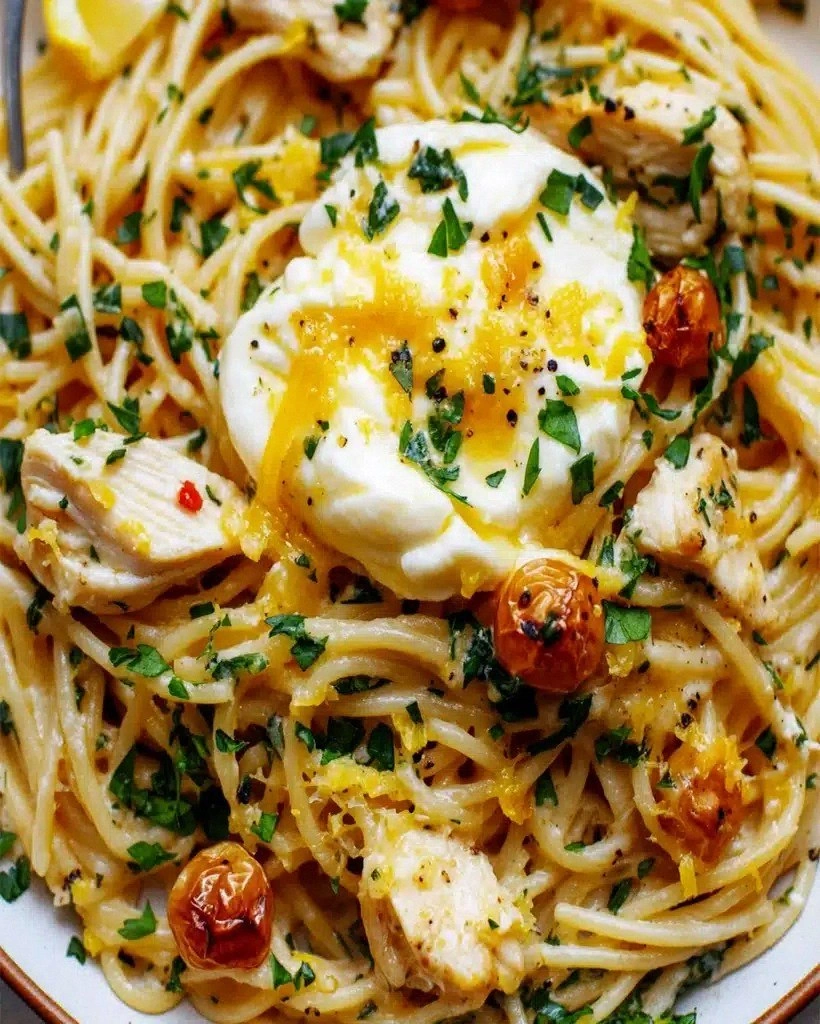
The moment the sauce hit the pan, the whole apartment filled with a perfume that could convince even the most stoic office worker to drop everything and run home for a taste. You can hear the gentle hiss as butter meets olive oil, feel the heat radiating from the skillet like a warm hug, and see the chicken turn a golden‑brown that would make a sunrise jealous. The lemon garlic sauce coats each strand of spaghetti like velvet, while the burrata melts into a silky river that pools around every bite. It’s a symphony of textures: the tender chicken, the slight bite of pasta, the luxurious creaminess of burrata, and the bright pop of lemon that cuts through the richness in a single, unforgettable flash.
What truly sets this version apart from the countless chicken‑spaghetti recipes floating around the internet is a handful of secret moves that most cooks completely overlook. I’m talking about a technique that locks in moisture for the chicken, a precise timing trick for the sauce that prevents it from turning bitter, and an ingredient swap that adds a depth of flavor you never knew you were missing. Most recipes get this completely wrong—either they drown the pasta in a soupy mess or they leave the chicken dry as a desert. This version respects each component, letting them shine without stepping on each other’s toes.
And here’s the kicker: I’m going to reveal a surprising ingredient that most chefs keep hidden, a dash of white wine that lifts the lemon without making the sauce taste alcoholic. I dare you to taste this and not go back for seconds. Let me walk you through every single step — by the end, you’ll wonder how you ever made it any other way.
What Makes This Version Stand Out
- Flavor Explosion: The lemon‑garlic sauce is balanced with just enough acidity to cut through the richness of burrata, while a whisper of white wine adds depth without overpowering.
- Texture Harmony: Each bite delivers a contrast—crispy‑seared chicken, silky burrata, and spaghetti that has that perfect al‑dente bite that feels like a gentle chew.
- Simplicity Meets Sophistication: You only need a handful of pantry staples, yet the result feels like a dish you’d order at a Michelin‑starred restaurant.
- Ingredient Quality: Using fresh, high‑quality burrata and organic lemons makes the sauce sing; cheap alternatives flatten the entire experience.
- Crowd‑Pleaser: Even the pickiest eaters love the creamy burrata and bright lemon; it’s a guaranteed hit at family dinners or casual get‑togethers.
- Cooking Method: A quick pan‑sear locks in chicken juices, while finishing the sauce in the same pan captures every caramelized morsel for maximum flavor.
- Make‑Ahead Potential: The sauce can be prepared ahead and reheated gently, making this an excellent option for busy weeknights.
- Visual Appeal: The contrast of white burrata against golden spaghetti and specks of fresh parsley makes the plate look Instagram‑ready.
Inside the Ingredient List
The Flavor Base
Fresh lemon juice is the star of the show, providing a bright, citrusy punch that awakens the palate. If you ever skip the lemon, you’ll end up with a sauce that feels flat and overly buttery, missing that essential zing. A good rule of thumb is to use lemons that feel heavy for their size; they contain more juice. If you can’t find fresh lemons, a splash of high‑quality lemon zest‑infused olive oil can work as a backup, though the aroma won’t be as vibrant.
The Texture Crew
Chicken breasts, when pounded to an even thickness, sear beautifully and stay juicy. The key is to pat them dry before seasoning; excess moisture creates steam, which prevents that coveted golden crust. If you’re allergic to chicken or want a vegetarian twist, firm tofu or thick‑cut cauliflower steaks can step in, but you’ll need to adjust cooking time to avoid sogginess.
The Unexpected Star
Burrata is the creamy, indulgent surprise that turns this dish from ordinary to unforgettable. Its outer mozzarella shell holds a luscious, buttery interior that melts into the sauce like a cloud. When buying burrata, look for a firm outer shell and a milky‑white interior; if it’s too soft, it may leak before you get a chance to serve it. A great swap for those who can’t find burrata is fresh mozzarella paired with a dollop of ricotta, though the texture won’t be quite as luxurious.
The Final Flourish
Fresh parsley adds a herbaceous brightness that balances the richness, while a pinch of red pepper flakes offers a subtle heat that lingers on the tongue. If you’re not a fan of heat, you can omit the flakes without sacrificing flavor, but I recommend at least a whisper to keep the dish lively. Finally, a splash of high‑quality extra‑virgin olive oil finished over the plate adds a silky mouthfeel and a glossy finish.
Everything's prepped? Good. Let's get into the real action…
The Method — Step by Step
Start by bringing a large pot of salted water to a rolling boil. While you wait, slice the chicken breasts into bite‑size strips, then season generously with kosher salt, freshly cracked black pepper, and a light dusting of paprika for color. The salt will draw out moisture, creating a beautiful crust later. This is the moment of truth: the water should be as salty as the sea, because this is the only chance the pasta gets to absorb flavor.
Drop the spaghetti into the boiling water and cook until just shy of al‑dente—about 1 minute less than the package suggests. This ensures the pasta will finish cooking in the sauce, absorbing that lemon‑garlic goodness without becoming mushy. Keep a ladle of pasta water handy; you’ll need it to loosen the sauce later.
While the pasta cooks, heat a large skillet over medium‑high heat and add a splash of olive oil followed by a pat of butter. As soon as the butter foams, lay the seasoned chicken strips in a single layer, giving each piece enough room to breathe. Let them sear undisturbed for 3‑4 minutes; you’ll hear a satisfying sizzle that tells you a crust is forming.
Kitchen Hack: Press a piece of parchment paper onto the chicken while it sears to encourage even browning without flipping.When the chicken is golden on one side, flip it and add minced garlic (about 4 cloves) and a pinch of red pepper flakes. The garlic should become fragrant in about 30 seconds—watch closely, because burnt garlic will make the entire sauce taste bitter. Stir everything together, letting the garlic coat the chicken and release its aroma.
Now deglaze the pan with a generous splash of dry white wine (about ½ cup). As the wine bubbles, it will lift the caramelized bits stuck to the bottom—those are flavor gold. Let the wine reduce by half, which should take about 2‑3 minutes, concentrating the taste without leaving any alcoholic bite.
Next, add the freshly squeezed lemon juice (the juice of 2 lemons) and zest from one of them. The sauce should instantly brighten, and you’ll notice a slight steam rise, signaling that the acid is reacting with the pan’s heat. Stir in a cup of low‑sodium chicken broth to create a silky base, then lower the heat to a gentle simmer.
At this point, drain the spaghetti, reserving a cup of the starchy pasta water. Toss the spaghetti directly into the skillet, allowing the noodles to mingle with the sauce. Add a splash of the reserved pasta water—just enough to loosen the sauce so it clings to each strand without pooling.
Watch Out: If the sauce looks too thick, add more pasta water a tablespoon at a time; over‑watering will make it soupy.Finish the dish by folding in a drizzle of high‑quality extra‑virgin olive oil and a handful of chopped fresh parsley. Taste and adjust seasoning with more salt or a pinch of black pepper if needed. The sauce should feel glossy, coating the pasta like a satin sheet.
Plate the spaghetti in shallow bowls, then crown each serving with a generous mound of burrata. The heat from the pasta will gently melt the burrata’s creamy interior, creating a luscious river that pools around the noodles. Finish with a final squeeze of lemon, a sprinkle of extra parsley, and, if you’re feeling indulgent, a light grating of Pecorino Romano.
Serve immediately, encouraging guests to break the burrata open with a fork, letting the creamy center cascade over the pasta. The combination of bright lemon, buttery garlic, and velvety burrata is pure magic. And now the fun part: watch everyone’s faces light up as they take that first bite.
Insider Tricks for Flawless Results
The Temperature Rule Nobody Follows
Most home cooks keep the skillet on high heat the entire time, which leads to burnt garlic or unevenly cooked chicken. The secret is to start hot for searing, then dial back to medium‑low for the sauce. This gentle reduction allows the lemon juice to stay bright without turning bitter. I once tried to rush the process on high heat; the sauce turned a nasty gray and the chicken dried out. Trust the temperature curve, and your dish will stay vibrant.
Why Your Nose Knows Best
Don’t rely solely on timers; your nose is the ultimate gauge. When the garlic turns golden and aromatic, you know it’s time to add the wine. If the sauce smells overly acidic, it probably needs a pinch more butter or a splash of cream to round it out. I’ve learned that a quick sniff can save a sauce from becoming a lemony disaster.
The 5‑Minute Rest That Changes Everything
After plating, let the dish sit for exactly five minutes before the first fork hits the burrata. This rest allows the cheese to melt just enough to coat the pasta without disappearing entirely. Skipping this step results in a cold, clumpy cheese that feels out of place. It’s a tiny pause that makes a massive difference in texture.
Salt Timing Mastery
Season the chicken before searing, but hold off on salting the sauce until the very end. Early salt can draw moisture out of the lemon, making the sauce watery. By adding salt at the finish, you preserve the lemon’s bright punch while ensuring the overall seasoning is spot‑on.
Finish with a Flip of Freshness
Just before serving, grate a tiny amount of lemon zest over the top. The zest’s essential oils add a burst of aroma that makes the dish smell as good as it tastes. It’s a micro‑step that elevates the entire experience, turning a good plate into a great one.
Creative Twists and Variations
This recipe is a playground. Here are some of my favorite ways to switch things up:
Spicy Sriracha Swirl
Mix a tablespoon of sriracha into the sauce after adding the lemon juice. The heat pairs beautifully with the creamy burrata, creating a sweet‑heat balance that will win over anyone who loves a little kick.
Herb‑Infused Burrata
Stir finely chopped basil or mint into the burrata before placing it on the plate. The herb‑infused cheese adds an extra layer of freshness, turning the dish into a garden‑fresh experience.
Smoky Paprika Chicken
Replace regular paprika with smoked paprika in the chicken seasoning. The smoky undertones complement the lemon’s brightness, giving the dish a subtle depth reminiscent of a summer BBQ.
Whole‑Wheat or Gluten‑Free Pasta
Swap regular spaghetti for whole‑wheat or gluten‑free varieties. The nutty flavor of whole‑wheat adds heartiness, while gluten‑free pasta makes the dish accessible to those with dietary restrictions.
Seafood Swap
Replace the chicken with succulent shrimp or scallops. Cook the seafood just 2‑3 minutes per side, then follow the same sauce steps. The briny sea flavor pairs wonderfully with lemon and garlic.
Winter Warmth
For a cozier version, add a handful of roasted butternut squash cubes and a pinch of nutmeg to the sauce. The sweet earthiness balances the acidity, making it perfect for colder evenings.
Storing and Bringing It Back to Life
Fridge Storage
Transfer leftovers to an airtight container and refrigerate for up to 3 days. Keep the burrata separate and add it fresh when reheating to preserve its creamy texture. When you’re ready to eat, gently reheat the pasta and sauce in a skillet over low heat, adding a splash of water if needed.
Freezer Friendly
The sauce freezes beautifully; pour it into a freezer‑safe bag and store for up to 2 months. The chicken can also be frozen after searing—just make sure it’s cooled before packaging. Thaw overnight in the fridge, then reheat gently, adding a bit more broth or water to revive the sauce’s silkiness.
Best Reheating Method
For the ultimate reheated experience, use a skillet rather than a microwave. Add a teaspoon of butter and a splash of chicken broth, then stir over medium‑low heat until the sauce regains its glossy sheen. Finish with a fresh dollop of burrata to bring back that luxurious mouthfeel.