I was in the middle of a frantic weekday dinner when a sudden craving for something crunchy, aromatic, and undeniably addictive struck me like a bolt of lightning. I rummaged through the pantry, found a pack of rice paper, a bunch of scallions, and a half‑cracked egg, and thought, “What if I could turn these humble staples into a pancake that shatters expectations?” The result? A pancake that crackles in the pan like a firework and smells like a street‑market stall in Shanghai. I dare you to taste this and not go back for seconds—because you won’t be able to stop.
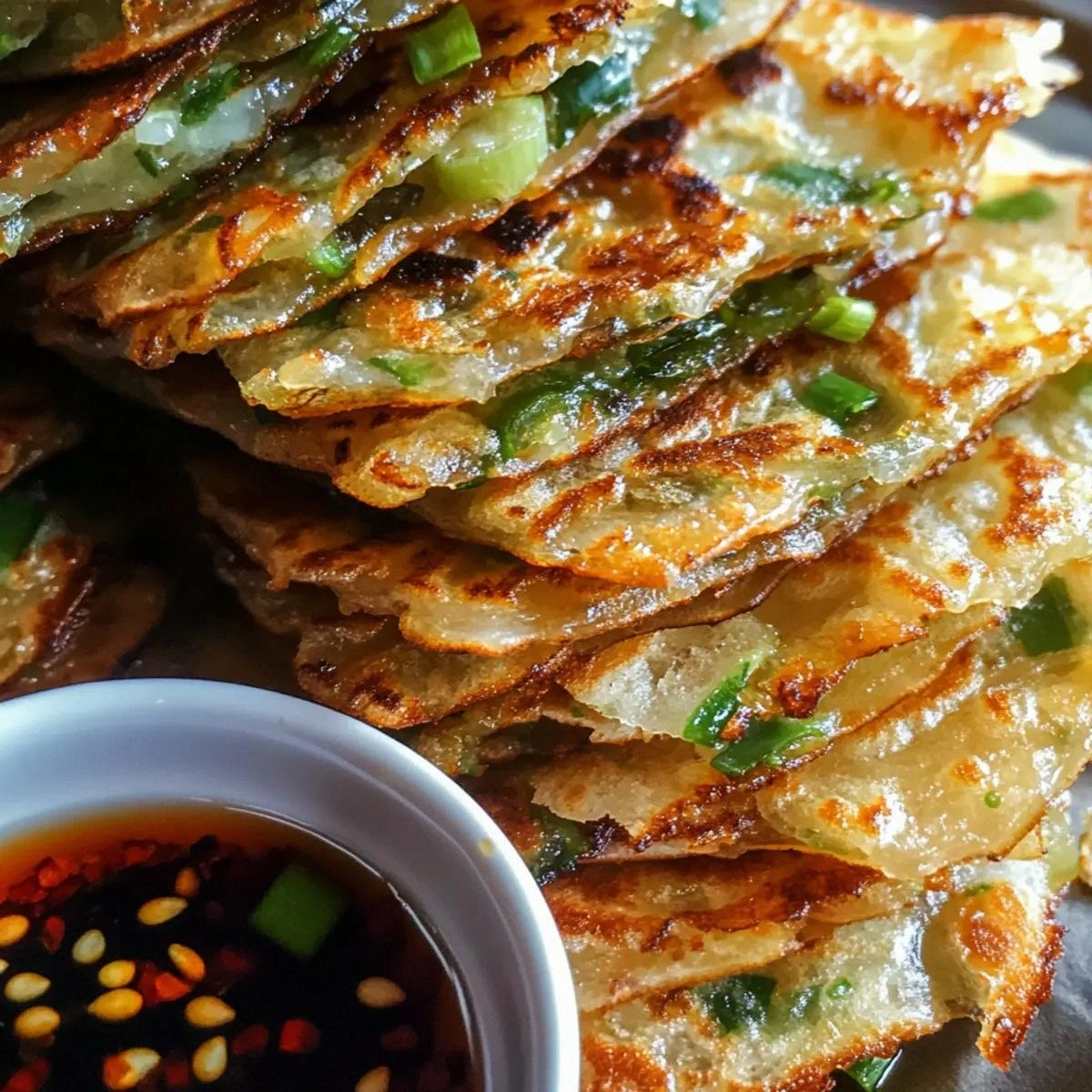
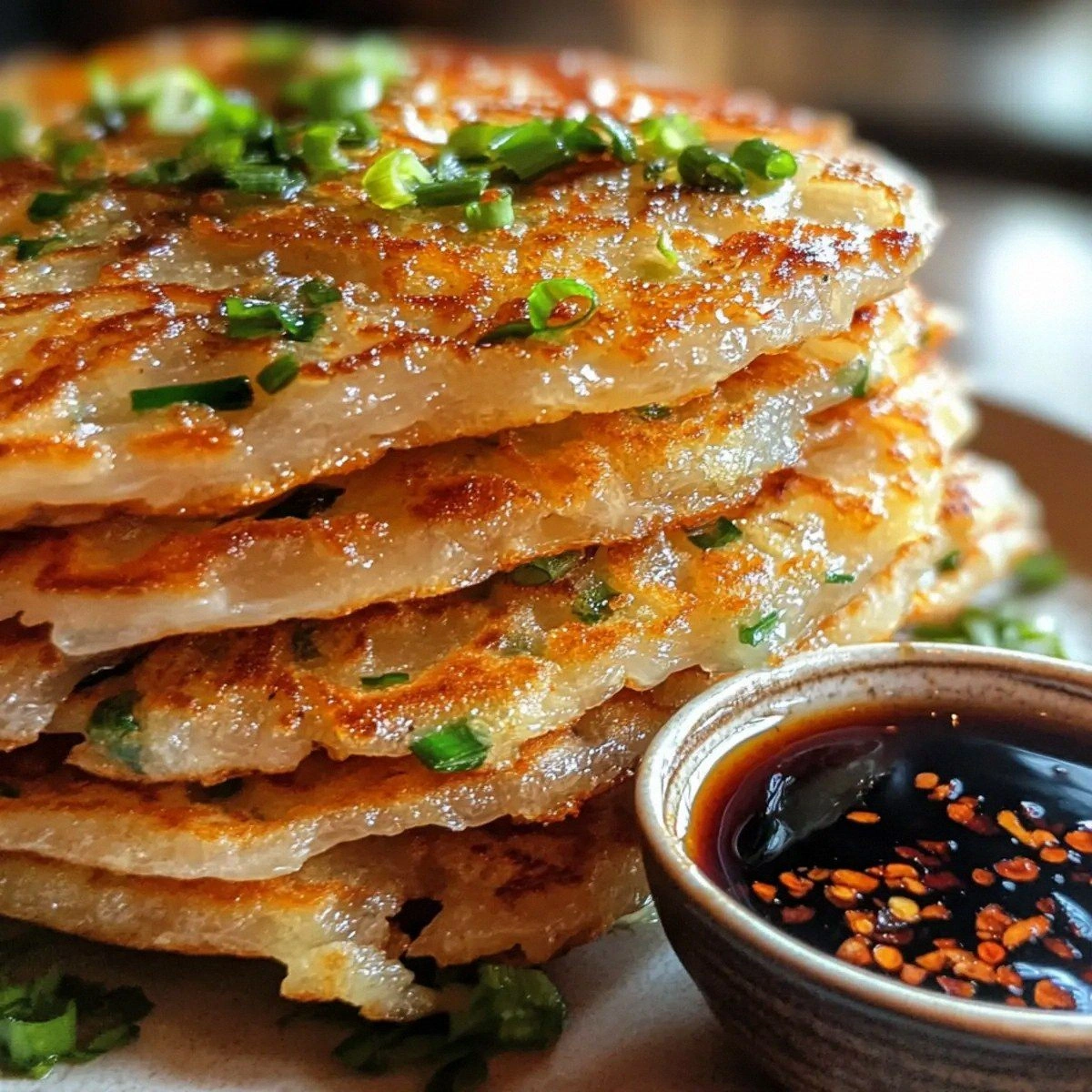
Picture this: the first bite delivers a buttery, sesame‑kissed crunch that gives way to the sweet, oniony bite of scallions, all wrapped in a paper‑thin, golden‑brown shell. The sound of the sizzle when the rice paper hits the hot oil is a siren call that makes the whole kitchen feel alive, and the steam that rises carries a whisper of soy and vinegar that tingles the nose. My friends were skeptical at first, but after the first round, the room erupted in applause louder than a dinner‑party toast. This is hands down the best version you’ll ever make at home.
Most recipes for scallion pancakes either drown the delicate flavor in a sea of flour or produce a soggy mess that sticks to the pan. I’ve tried those failures, and I’ve learned that the secret lies in the marriage of rice paper’s delicate texture with a quick‑sear technique that locks in flavor while keeping the exterior feather‑light. The moment you see those sheets transform into a crispy canvas, you’ll understand why this method is a game‑changer. And trust me, the ingredient list is so short you could shop for it in under five minutes.
Okay, ready for the game‑changer? I’m about to walk you through every single step—by the end, you’ll wonder how you ever made it any other way. Keep your spatula handy, your senses alert, and your appetite ready for a ride that’s part comfort food, part culinary fireworks.
What Makes This Version Stand Out
- Texture: The rice paper creates a crackling crust that shatters like thin ice, while the interior stays tender and airy, a contrast that most flour‑based pancakes can’t achieve.
- Flavor: A blend of sesame oil, soy sauce, and a dash of chili oil gives each bite a layered umami punch that lingers just long enough to keep you reaching for more.
- Simplicity: With only ten core ingredients, you won’t need a pantry raid—just a quick dash to the grocery store and you’re set.
- Speed: From prep to plate it takes under 45 minutes, perfect for weeknight cravings or a spontaneous brunch.
- Visual Appeal: The golden‑brown speckles and the delicate scallion ribbons make these pancakes look as good as they taste, Instagram‑ready without the filter.
- Versatility: Serve them as an appetizer, a side, or even a light main—pair with a dipping sauce or a simple soy‑vinegar glaze.
- Make‑Ahead Potential: You can prep the batter and scallion mixture ahead of time, then fry when you’re ready for that fresh‑out‑the‑pan crunch.
- Allergy‑Friendly: No gluten, dairy, or nuts unless you add them, making it a safe choice for many dietary restrictions.
Inside the Ingredient List
The Flavor Base
The star of the show is the scallion, or green onion, which brings a bright, slightly pungent note that cuts through the richness of sesame oil. Six scallions, chopped fine, release their aromatic oils the moment they hit the hot pan, creating a fragrance that fills the kitchen like a promise. If you skip them, you lose that signature bite and the pancakes become bland. You can swap scallions for leeks for a milder flavor, but the classic version shines with the sharpness of scallions.
Salt and white pepper are the subtle enhancers that bring out the depth of each component. One teaspoon of each is just enough to season without overwhelming the delicate rice paper. If you’re watching sodium, you can reduce the salt to half a teaspoon, but keep the pepper for that gentle heat.
The Texture Crew
Rice paper is the unsung hero here. Those translucent sheets, usually reserved for fresh spring rolls, become a crispy, golden wrapper when fried. Six sheets give you enough surface area to fold around the scallion mixture, creating a pocket that holds the flavor while staying light. If you can’t find rice paper, try using a thin tortilla, but expect a different texture.
Cooking oil—preferably a neutral oil with a high smoke point—ensures the pancakes fry evenly without burning. Two tablespoons are enough to coat the pan, creating that coveted crackle. Using too much oil will drown the pancake; too little will cause it to stick.
The Unexpected Star
Sesame oil is the secret weapon that adds a nutty depth you won’t get from any other oil. One tablespoon, drizzled into the scallion mixture, coats each strand with a glossy sheen that turns into a caramelized crust when fried. If you’re allergic to sesame, substitute with a few drops of toasted walnut oil for a similar richness.
Eggs act as a binder, holding the scallion‑oil mixture together so it doesn’t fall apart during frying. One large egg is sufficient; it adds a subtle richness without making the pancake heavy. For a vegan twist, replace the egg with a tablespoon of aquafaba—just beat it until frothy.
The Final Flourish
Soy sauce, rice vinegar, and chili oil create a quick, tangy‑spicy glaze that drizzles over the finished pancake, adding layers of salty, sour, and heat. Two tablespoons of soy sauce provide the umami backbone, while one tablespoon of rice vinegar brightens the palate. A teaspoon of chili oil adds just enough heat to make your taste buds tingle without overpowering the scallions.
Everything's prepped? Good. Let’s get into the real action—your skillet is about to become a stage for culinary fireworks.
The Method — Step by Step
Start by prepping the scallions: trim the roots, slice the white and green parts thinly, then toss them in a bowl with the tablespoon of sesame oil, the teaspoon of salt, and the teaspoon of white pepper. Let this mixture sit for five minutes so the flavors meld; you’ll notice the scallions turning a glossy shade, a sign that the oil has fully coated them. This is the moment of truth for flavor—if it smells nutty and fresh, you’re on the right track.
Crack the egg into a separate bowl, beat it lightly, then pour it over the seasoned scallions. Fold the mixture gently, ensuring the egg coats the scallions without turning them into a scrambled mess. The egg should act like a silk sheet, binding everything together.
Kitchen Hack: Use a fork instead of a whisk for the egg—this creates larger bubbles that keep the pancake airy.While the scallion‑egg blend rests, prepare the rice paper. Fill a shallow dish with warm water (not boiling), dip each sheet for exactly five seconds, then lay them flat on a clean kitchen towel. Pat them gently to remove excess moisture; they should be supple but not dripping. This step is crucial—over‑soaking will make them soggy, under‑soaking will cause tearing.
Lay a soaked rice paper sheet on a flat surface, then spoon a generous tablespoon of the scallion mixture onto the center. Fold the edges over like you’re making a small parcel, then press gently to seal. Repeat with the remaining sheets, ensuring each pancake is uniformly packed. The goal is a compact pocket that won’t burst open when it hits the pan.
Heat a large non‑stick skillet over medium‑high heat and add the two tablespoons of cooking oil. When the oil shimmers and you can see a faint ripple, it’s ready. Place the first rice‑paper parcel into the pan, seam side down. You’ll hear an immediate sizzle—That sizzle when it hits the pan? Absolute perfection.
Fry each side for about 2‑3 minutes, or until the surface turns a deep amber and the edges start to curl and lift from the pan.
Use a spatula to gently flip—avoid tearing by supporting the pancake with the spatula’s wide side.Watch Out: If the heat is too high, the rice paper will burn before the interior cooks; if too low, it will absorb oil and become greasy. Adjust the flame to maintain a steady, golden‑brown crust.Once both sides are beautifully crisp, transfer the pancake to a plate lined with paper towels to absorb excess oil. Drizzle the combined soy sauce, rice vinegar, and chili oil mixture over the hot pancake; the heat will slightly caramelize the glaze, adding a glossy finish. This step adds that tangy‑spicy kick that makes the dish unforgettable.
Repeat the frying process with the remaining pancakes, adding a splash more oil if the pan looks dry. Keep the finished pancakes warm in a low oven (about 120°F) while you finish the batch—this prevents them from getting soggy.
Serve immediately, cutting each pancake into wedges or strips for easy dipping. Pair with a simple soy‑ginger dip or enjoy them plain; the crunch and flavor are enough to stand on their own. And now the fun part—watch your guests devour them faster than you can say “second helping.”
That's it — you did it. But hold on, I've got a few more tricks that'll take this to another level, ensuring every bite is as perfect as the first.
Insider Tricks for Flawless Results
The Temperature Rule Nobody Follows
A steady medium‑high heat is the sweet spot. If the pan is too cold, the rice paper absorbs oil like a sponge, resulting in a greasy pancake. If it’s too hot, the exterior chars before the interior can set, leaving a burnt taste. I like to pre‑heat the pan for exactly 2 minutes, then test with a single drop of water; it should dance and evaporate instantly. This tiny ritual saves you from a kitchen disaster and guarantees that perfect, even crunch.
Why Your Nose Knows Best
Your sense of smell is a reliable timer. When the pancakes are about halfway done, you’ll notice a fragrant, toasty aroma rising from the pan, mingling with the sesame and scallion notes. That scent is the cue to flip. Trusting your nose is faster than watching the clock and results in a more instinctive cooking flow.
The 5‑Minute Rest That Changes Everything
After frying, let the pancakes rest for five minutes on a wire rack before cutting. This short pause allows the steam to redistribute, keeping the interior moist while the crust stays crisp. Skipping this step makes the edges soggy, especially if you’re serving them with a dipping sauce. Think of it as a mini‑cool‑down for your masterpiece.
Oil Management Mastery
Instead of dumping a ladle of oil each time, keep a small bowl of oil nearby and use a silicone brush to swipe a thin, even layer onto the pan. This method prevents excess oil buildup, ensuring each pancake gets the same golden coating without becoming greasy. A friend once tried using spray oil and ended up with uneven spots—let’s just say the results were disappointing.
Dipping Sauce Symphony
A simple dip can elevate the dish from great to unforgettable. Mix equal parts soy sauce and rice vinegar, add a teaspoon of chili oil, a pinch of sugar, and a minced garlic clove. Let it sit for a minute so the flavors meld. This sauce adds a bright acidity that cuts through the richness, creating a balanced bite every time.
Creative Twists and Variations
This recipe is a playground. Here are some of my favorite ways to switch things up:
Spicy Kimchi Explosion
Finely chop a handful of kimchi and fold it into the scallion‑egg mixture. The fermented tang adds depth and a pleasant heat that pairs beautifully with the sesame oil. Perfect for those who love a bit of probiotic punch.
Cheesy Melt
Sprinkle a thin layer of shredded mozzarella or a vegan cheese alternative onto the scallion mixture before folding the rice paper. As the pancake fries, the cheese melts into gooey pockets, creating a delightful stringy surprise.
Herb‑Infused Bliss
Add a tablespoon of finely chopped cilantro or Thai basil to the scallion blend. The fresh herb notes brighten the overall flavor, making the pancake feel lighter and more aromatic.
Sweet & Savory
Drizzle a tiny amount of honey over the finished pancake before serving, then sprinkle toasted sesame seeds. The sweet glaze contrasts with the salty soy‑vinegar drizzle, creating a harmonious sweet‑savory dance.
Crispy Noodle Crunch
Mix a handful of crushed, pre‑fried rice noodles into the scallion mixture. This adds an extra layer of crunch that shatters like fireworks when you bite in.
Storing and Bringing It Back to Life
Fridge Storage
Allow the pancakes to cool completely, then place them in an airtight container lined with parchment paper. They’ll keep for up to three days in the refrigerator. When you’re ready to eat, reheat in a hot skillet for two minutes per side to revive the crispness.
Freezer Friendly
Layer the cooled pancakes between sheets of wax paper, then seal them in a zip‑top freezer bag. They freeze beautifully for up to two months. To reheat, pop them straight from the freezer into a pre‑heated 375°F oven for 8‑10 minutes, or pan‑fry for a quicker fix.
Best Reheating Method
For the ultimate crunch revival, heat a tablespoon of oil in a skillet over medium heat, add a splash of water (about a teaspoon) to create a brief steam, then place the pancake in the pan. The steam loosens any stiffness while the oil restores the golden crust. This trick works wonders and makes leftovers taste like fresh‑made.