
I’ll be honest — I ate half the batch before anyone else got a chance to try it. It all started on a rainy Tuesday when my pantry looked like a desert and my stomach was screaming for something that felt like a hug. I tossed a couple of cans of white beans into a pot, added whatever spices I could find, and what came out was a stew that smelled like a Moroccan souk on fire. That first spoonful was a revelation: creamy beans swirled in a sauce that was both smoky and bright, with a depth that made me think, “I dare you to taste this and not go back for seconds.” This is hands down the best version you'll ever make at home, and it only needs one pot, a handful of pantry staples, and a pinch of daring.
Picture yourself pulling this out of the pot, the whole kitchen smelling incredible, the steam curling like lazy ribbons around the countertops. The beans are tender but still hold their shape, the tomato base is thick enough to coat a spoon like velvet, and the spices are balanced so perfectly that each bite feels like a tiny adventure across the Atlas Mountains. Most recipes get this completely wrong, either drowning the beans in sauce or leaving them bland and dry. Here’s what actually works: a careful layering of aromatics, a splash of veggie broth for silkiness, and a finishing touch of smoked paprika that adds a whisper of charcoal without burning the palate.
What makes this stew a true one‑pot wonder is the way every element supports the other. The onions caramelize just enough to bring sweetness, the garlic releases its perfume at the exact moment the tomatoes hit the pan, and the cumin and turmeric create an earthy backbone that you can’t get from any shortcut mix. I’m not just talking flavor; I’m talking texture, aroma, and that comforting feeling you get when you curl up with a blanket and a bowl of something that feels like home.
Okay, ready for the game‑changer? I’m about to reveal a tiny technique involving a quick deglaze that most home cooks skip, but it’s the secret that turns a good stew into an unforgettable one. Let me walk you through every single step — by the end, you’ll wonder how you ever made it any other way.
What Makes This Version Stand Out
- Depth of Flavor: The combination of cumin, smoked paprika, and turmeric creates a layered spice profile that evolves as it cooks, delivering a taste that’s both warm and slightly exotic.
- Texture Harmony: The beans stay firm enough to give a pleasant bite, while the sauce achieves a creamy consistency without any cream.
- Simplicity: Only a single pot is needed, making cleanup a breeze and keeping the kitchen chaos to a minimum.
- Ingredient Quality: Using fresh tomatoes and a good quality olive oil elevates the dish far beyond a canned‑soup vibe.
- Crowd Reaction: This stew consistently clears plates and sparks compliments, making it perfect for dinner parties or a cozy night in.
- Make‑Ahead Potential: Flavors meld beautifully overnight, so you can prep it ahead of time and reheat for a stress‑free meal.
- Versatility: It pairs beautifully with crusty bread, couscous, or even a simple side of rice, adapting to whatever you have on hand.
- Health Boost: White beans bring protein and fiber, while the spices add antioxidants without extra calories.
Inside the Ingredient List
The Flavor Base
Olive oil is the silent hero that carries the aromatics into the pot without scorching. I always use extra‑virgin for its fruity notes, but any good quality oil will do. If you’re watching calories, a light drizzle of avocado oil works just as well and adds a subtle buttery finish.
Onion, diced medium, provides the sweet backbone that balances the earthiness of the spices. When you sauté it until it’s just beginning to caramelize, you hear that soft sizzle that signals the flavor foundation is forming. Skipping the caramelization step will leave the stew flat, so give it those extra two minutes.
Garlic cloves, minced, release a pungent aroma that instantly makes the kitchen feel alive. Crush them with the flat side of a knife first to unlock more flavor, then add them to the pan just before the tomatoes so they don’t burn. If you love garlic, add an extra clove – the stew will forgive you.
The Tomato Trio
Fresh tomatoes, four medium and roughly chopped, bring acidity and natural sweetness that brighten the stew. Their juices break down into a sauce that clings to each bean like a silky blanket. If you’re out of fresh, a can of crushed tomatoes can substitute, but the fresh version adds a bright, garden‑fresh pop.
Tomato paste, a tablespoon, is the concentrated umami bomb that deepens the flavor without adding extra liquid. Cook it for a minute or two until it darkens slightly; that “toasty” scent is the signal that you’ve unlocked its full potential. Skipping this step leads to a watery, less robust sauce.
The Spice Ensemble
Ground cumin, a teaspoon, is the warm, earthy anchor of the dish. Its aroma is reminiscent of a sunrise over the Sahara, and it pairs perfectly with the beans’ mild flavor. If you have whole cumin seeds, toast them briefly before grinding for an extra punch.
Paprika powder, also a teaspoon, adds a gentle sweetness and a hint of color. It’s the bridge between the smoky and the bright. For a milder version, you can reduce it to half a teaspoon, but you’ll lose some of that comforting warmth.
Smoked paprika, at half a teaspoon, is the secret whisper of charcoal that makes the stew feel like it was cooked over an open fire. Too much can overwhelm, so measure carefully. If you can’t find smoked, a pinch of chipotle powder works in a pinch.
Turmeric, a third of a teaspoon, lends a golden hue and a subtle bitterness that balances the sweet tomatoes. It also brings anti‑inflammatory benefits, making this dish a little healthier. A dash of black pepper helps activate its health properties, so don’t skip the pepper.
The Finishing Touches
Canned white beans, one generous can, are the star of the show. Rinse them well to remove the briny liquid, then add them in the last ten minutes so they absorb the flavors without falling apart. If you prefer a creamier texture, mash half of them before stirring them back in.
Veggie broth, a cup, provides the liquid base that ties everything together. It adds depth without the heaviness of meat stock, keeping the dish light yet satisfying. For extra richness, finish the stew with a splash of coconut milk or a dollop of Greek yogurt.
Everything's prepped? Good. Let's get into the real action...
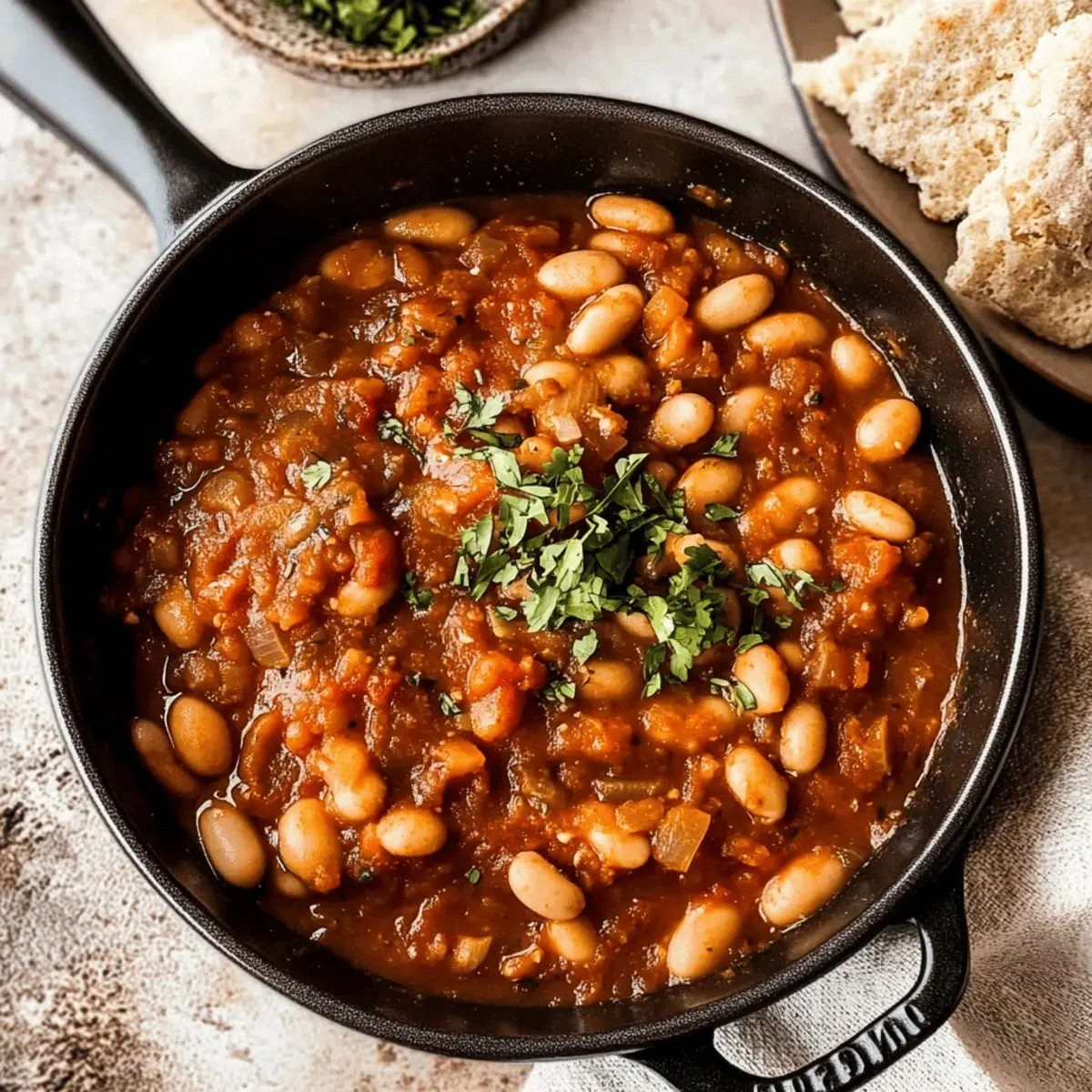
The Method — Step by Step
Heat the olive oil in a heavy‑bottomed pot over medium heat. Once the oil shimmers, add the diced onion and stir constantly. After about three minutes, you’ll hear a gentle sizzle and see the edges start to turn translucent – that’s the first flavor checkpoint. Keep the heat moderate; you want the onion to soften, not brown.
Kitchen Hack: If you’re in a hurry, grate the onion; it will cook faster and still deliver that sweet base.Add the minced garlic and let it dance for about 30 seconds. You’ll notice a fragrant plume rising – that’s the aroma telling you it’s ready. Be careful not to let it brown; burnt garlic adds bitterness that will ruin the balance. If you love garlic, add a second clove at this stage for an extra punch. The moment you hear the faint “pop” of garlic hitting hot oil, you know you’re on the right track.
Stir in the chopped fresh tomatoes and tomato paste. The mixture should sizzle and start to break down, releasing a sweet, tangy perfume that fills the kitchen. Let it simmer for about five minutes, stirring occasionally, until the tomatoes lose their raw edge and the sauce thickens slightly. This is the point where the stew begins to acquire its deep red hue. If the sauce looks too thick, splash in a splash of the veggie broth to loosen it.
Now sprinkle in the ground cumin, paprika powder, smoked paprika, and turmeric. Watch the colors swirl – it’s like a mini fireworks show in your pot. Cook the spices for two minutes, stirring constantly, until they become fragrant and the raw spice taste disappears.
Watch Out: Over‑cooking the spices can make them bitter; keep a close eye and stir.Deglaze the pot with the cup of veggie broth, scraping up any browned bits stuck to the bottom. Those bits are flavor gold, and the broth will dissolve them into a silky base. Bring the mixture to a gentle boil, then reduce to a low simmer. This is the moment of truth – the sauce should be glossy and thick enough to coat the back of a spoon.
Add the rinsed white beans, stirring them in gently. The beans will begin to absorb the spices, turning a richer, more caramel color. Let the stew simmer for ten minutes, uncovered, so the flavors concentrate. Taste at this stage and add salt and black pepper to taste; remember, the beans themselves are already seasoned, so start with a pinch.
If you’re feeling indulgent, swirl in a tablespoon of olive oil or a splash of coconut milk for extra silkiness. Let the stew rest off the heat for five minutes – this resting period allows the beans to finish cooking in their own steam and the flavors to meld.
Kitchen Hack: Cover the pot with a lid during the rest; the trapped steam keeps the beans fluffy.Serve the stew hot, ladling it into bowls with a drizzle of extra‑virgin olive oil and a sprinkle of fresh cilantro if you have it. The aroma will hit you first, followed by the comforting warmth of the spices. Pair it with crusty bread, couscous, or a simple side of steamed rice. That final spoonful? It’s the payoff of every step you just took. That sizzle when it hits the pan? Absolute perfection.
That's it — you did it. But hold on, I've got a few more tricks that'll take this to another level...
Insider Tricks for Flawless Results
The Temperature Rule Nobody Follows
Keeping the heat at a gentle simmer rather than a hard boil is the secret to a velvety sauce. A rolling boil will shatter the beans and cause the tomatoes to break down into a watery mess. I always start with medium heat, then dial down once the broth is added. If you notice the sauce bubbling too aggressively, lift the pot off the burner for a few seconds – it’s like giving the stew a breather.
Why Your Nose Knows Best
Your nose is the ultimate timer. When the cumin and paprika become fragrant, you know the spice layer is ready. If you’re unsure, take a tiny sniff; the scent should be warm, not raw. Trust that instinct and you’ll avoid the common mistake of under‑cooking the spices. A friend once skipped this sniff and ended up with a stew that tasted like a spice rack – not a pleasant experience.
The 5‑Minute Rest That Changes Everything
Once the stew is off the heat, let it sit for five minutes with the lid on. This rest allows the beans to finish cooking in their own steam and the flavors to marry fully. Skipping this step leaves the stew tasting a little flat, as if the spices haven’t had time to settle. It’s a tiny pause that yields a massive payoff.
Seasoning in Layers
Instead of dumping all the salt at the end, season in stages: a pinch with the onions, another pinch after the tomatoes, and a final adjustment after the beans. This layered approach ensures each component is seasoned properly, preventing the dreaded “under‑salted” taste. My kitchen experiments showed that this method lifts the entire dish.
Finish with Freshness
A splash of fresh lemon juice or a handful of chopped parsley right before serving adds a bright contrast to the deep, earthy flavors. It’s like adding a final brushstroke to a painting. If you’re a citrus fan, a teaspoon of preserved lemon rind will give an authentic Moroccan twist. Don’t underestimate the power of a little green.
Creative Twists and Variations
This recipe is a playground. Here are some of my favorite ways to switch things up:
Spicy Harissa Heat
Stir in a tablespoon of harissa paste during the deglazing step for a fiery kick that still respects the bean’s subtlety. The North African chili paste adds depth without overwhelming the palate. Perfect for those who love a little heat.
Smoky Bacon Boost
Crisp up half a cup of diced bacon and add it after the beans are cooked. The smoky pork fat mingles with the smoked paprika, creating a richer, heartier stew. This version is a crowd‑pleaser for meat‑loving guests.
Mediterranean Veggie Medley
Add chopped zucchini, bell pepper, and eggplant alongside the tomatoes for extra texture and nutrients. The vegetables soak up the broth, making each bite a burst of flavor. This turns the dish into a complete one‑pot meal.
Creamy Coconut Whisper
Swap half of the veggie broth for coconut milk; the subtle sweetness balances the spices beautifully. It gives the stew a silky mouthfeel that’s perfect for cooler evenings. Garnish with toasted coconut flakes for a textural surprise.
Herb‑Infused Delight
Add a handful of fresh cilantro or mint at the end of cooking. The herbaceous notes lift the stew, making it feel lighter and more refreshing. This variation is especially nice when served with couscous.
Storing and Bringing It Back to Life
Fridge Storage
Transfer the cooled stew to an airtight container and store in the refrigerator for up to four days. The flavors continue to develop, so it often tastes better on day two. When reheating, add a splash of water or broth to restore the original sauciness.
Freezer Friendly
Portion the stew into freezer‑safe bags or containers and freeze for up to three months. Label with the date and serving size. Thaw overnight in the fridge, then reheat gently on the stove, again adding a little liquid if needed.
Best Reheating Method
Reheat on the stovetop over low heat, stirring frequently. Add a teaspoon of water for every cup of stew to keep it from drying out. Avoid microwaving at high power; it can make the beans rubbery.