INTRODUCTION
Picture this: I’m standing in a cramped apartment kitchen, the stove already humming from last night’s burnt lasagna, and the air is thick with the scent of something that makes my stomach rumble in anticipation. A friend dared me to whip up a bowl of pho that would outshine the ones I’d seen in the city’s most famous Vietnamese eateries, and I swore I’d rise to the challenge. The moment I cracked open the onion skins, the charred edges released a smoky perfume that danced with the sharp bite of ginger, and my kitchen felt like a secret spice laboratory. I could almost hear the sizzle of the broth coming to life, the clink of chopsticks, and the collective gasp of everyone who tastes it for the first time. If you’re ready for a culinary adventure that will turn your humble kitchen into a fragrant, steaming sanctuary, let’s dive in, and by the end of this, you’ll wonder how you ever made pho any other way.
I’ve spent countless nights experimenting with different bone stocks, but this version is a revelation. It marries the deep, earthy flavor of marrow bones with the bright, citrusy lift of lemongrass, creating a broth that feels both comforting and adventurous. The secret? A meticulous char of onions and ginger that releases caramelized sweetness, and a splash of apple cider vinegar that cuts through the richness without overpowering it. I dare you to taste this and not go back for seconds, because the first spoon will leave a lingering warmth that’s hard to forget. And trust me, this is hands down the best version you’ll ever make at home.
Most recipes get this completely wrong by rushing the broth or using too much sugar, which masks the subtle notes of the spices. In this rendition, I’ve kept the cooking process simple yet intentional: a long, slow simmer that extracts every ounce of flavor from the bones, followed by a quick infusion of aromatics that stay bright and fresh. The result is a broth that is silky on the palate, with a depth that feels like a hug from a seasoned chef. I’ll be honest — I ate half the batch before anyone else got to try it, and that’s the honest testament to how addictive it can be. The next step? Let’s walk through the ingredients and techniques that make this pho unforgettable.
Picture yourself pulling this out of the pot, the whole kitchen smelling incredible, and guests gathering around to slurp the first bowl. The steam rises like a fragrant cloud, and every spoonful carries the harmony of spices, herbs, and tender beef. I’m about to share a recipe that will become a staple in your culinary repertoire, a bowl that will bring people together with each slurp. Okay, ready for the game‑changer? Let me walk you through every single step — by the end, you’ll wonder how you ever made it any other way.
What Makes This Version Stand Out
- Depth of Flavor: The broth is a symphony of caramelized onions, charred ginger, and aromatic spices, delivering a taste that is both robust and nuanced. Each component is carefully balanced, ensuring no single element overwhelms the others.
- Texture: The beef bones simmer for hours, releasing a silky, gelatinous broth that coats the noodles like velvet. The thinly sliced beef cooks instantly, retaining its tender chewiness.
- Simplicity: Despite its complex flavor profile, the recipe uses only a handful of ingredients, making it approachable for cooks of any skill level.
- Uniqueness: The addition of a splash of apple cider vinegar and the optional lemongrass give this pho a bright, tangy edge that sets it apart from traditional versions.
- Crowd‑Pleaser: Whether you’re feeding a family or hosting a dinner party, this pho delivers a wow factor that will have everyone asking for seconds.
- Ingredient Quality: Using marrow bones and fresh herbs ensures the highest quality flavor, turning an ordinary bowl into a gourmet experience.
- Make‑Ahead Potential: The broth can be prepared in advance and stored, allowing you to focus on assembling the final bowl quickly on busy nights.
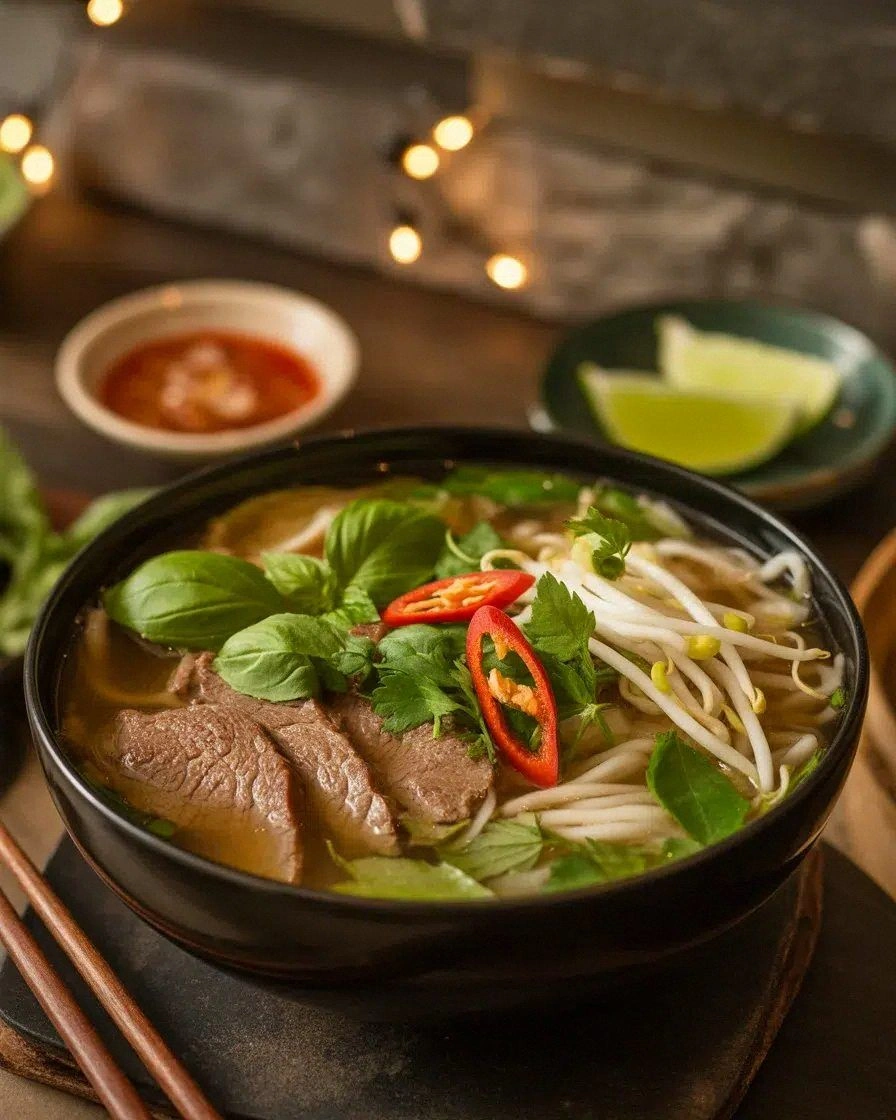
- Visual Appeal: The vibrant colors of fresh basil, bean sprouts, and lime wedges create a feast for the eyes before the first bite.
Alright, let's break down exactly what goes into this masterpiece...
Inside the Ingredient List
The Flavor Base
At the heart of any great pho lies its broth, and this recipe starts with 2 lbs of beef bones, preferably marrow for that rich, gelatinous texture. The bones are first parboiled to remove impurities, then rinsed before the long, slow simmer that extracts deep umami notes. Skipping this step results in a watery stock that lacks body. For a lighter version, swap the beef bones for a mix of beef and pork bones, but keep the simmer time the same to preserve depth.
Next, 2 charred onions and 1 charred ginger slice are added to the pot, releasing sweet, smoky flavors that become the backbone of the broth. Char them on an open flame or under the broiler until the skins blister; this caramelization is essential for a complex, layered taste. If you’re short on time, you can quickly sauté them in a dry pan, but the charred finish will be less pronounced.
1 tablespoon of fish sauce and 1 tablespoon of rock sugar balance the savory with a subtle sweetness, preventing the broth from tasting flat. Fish sauce provides the authentic briny depth that defines pho, while rock sugar offers a clean, unadulterated sweetness that doesn’t overpower the spices. If you’re vegan, replace fish sauce with a soy sauce–ginger blend, but be aware the flavor profile will shift slightly.
1 stick of cinnamon, 2 star anise, and 4 cloves are the classic spice trio that imparts warmth and earthiness. Toast them lightly in a dry skillet before adding to the broth to unlock their essential oils. If you can’t find star anise, a small pinch of dried bay leaves can act as a stand‑in, though the aroma will differ.
1 tablespoon of coriander seeds round out the spice blend with a citrusy, nutty note. Toast them until fragrant, then grind them with a pestle or spice grinder. The ground seeds dissolve into the broth, creating a subtle, peppery undertone that lingers on the palate. For an extra kick, add a pinch of crushed red pepper flakes during the final simmer.
The Texture Crew
8 oz of rice noodles (banh pho) are the canvas that holds all the flavors. Soak them in warm water for 30 minutes before adding to the bowl, ensuring they’re pliable and ready to absorb the broth. If you prefer a chewier bite, soak them for an additional 15 minutes; if you like a softer texture, reduce soaking time.
1 lb of thinly sliced beef is the star protein, and it’s crucial to slice against the grain for maximum tenderness. Use a sharp knife and a clean cutting board to achieve uniform slices; this ensures even cooking and a pleasant mouthfeel. If you’re using a different cut, such as flank steak, marinate it briefly in a mixture of soy sauce, garlic, and a splash of rice wine to tenderize.
1 cup of Thai basil, 1 cup of bean sprouts, 1 sliced jalapeño, and 1 lime cut into wedges are the fresh toppings that bring brightness and contrast. The basil adds a sweet, aromatic finish, while the bean sprouts introduce a crisp texture that breaks up the richness of the broth. The jalapeño offers a gentle heat that can be adjusted to taste, and the lime wedges provide a citrusy zing that lifts every spoonful.
To taste: salt and optional 1 tablespoon of apple cider vinegar. Salt is added in small increments, tasting frequently to avoid over‑salting. The vinegar adds a subtle tang that brightens the broth, preventing it from feeling heavy. If you’re avoiding vinegar, a splash of lime juice can serve as a substitute, though the flavor will be slightly different.
Everything’s prepped? Good. Let’s get into the real action...
The Method — Step by Step
- Parboil the Bones: In a large stockpot, cover the 2 lbs of beef bones with cold water, bring to a rolling boil, and let it simmer for 10 minutes. Drain and rinse the bones under running water to remove any foam or impurities. This step ensures a clear, flavorful broth and prevents cloudiness. Skipping it will leave your pho with a muddy appearance that can be hard to enjoy.
- Char the Aromatics: While the bones are parboiling, char the 2 onions and 1 ginger on an open flame or under the broiler until the skins blister and develop dark spots. The char adds a smoky sweetness that will become the backbone of your broth. If you’re short on time, a quick sauté in a dry pan will suffice, but the charred finish will be less pronounced.
- Build the Spice Blend: Toast the cinnamon stick, star anise, cloves, and coriander seeds in a dry skillet until fragrant, then grind them lightly with a pestle. This releases essential oils that give the broth its warm, earthy undertones. Add the ground spices to the pot along with the charred onions and ginger, allowing them to bloom for 2 minutes before adding the water.
- Simmer the Broth: Return the pot to the stove, add 12 cups of fresh water, and bring to a gentle simmer. Add 1 tablespoon of fish sauce and 1 tablespoon of rock sugar, stirring until dissolved. Let the broth simmer uncovered for 3 to 4 hours, skimming any foam that rises to keep the liquid clear. This long, slow simmer extracts maximum flavor and gelatin from the bones, resulting in a silky, rich broth.
- Infuse the Final Touches: After the simmer, add the optional 1 tablespoon of apple cider vinegar and 1 stalk of lemongrass (cut into 2‑inch pieces). Let the mixture steep for 10 minutes to allow the vinegar’s bright acidity to cut through the richness of the stock. Taste and adjust salt as needed; remember, the broth should have a balanced, savory profile.
- Prepare the Noodles: While the broth is finishing, soak the 8 oz of rice noodles in warm water for 30 minutes, then drain. In a separate pot, bring water to a boil and blanch the noodles for 2 minutes, then transfer them to a bowl of ice water to stop the cooking process. This ensures the noodles are tender yet still hold their shape when served.
- Slice the Beef: Thinly slice the 1 lb of beef against the grain into 1/8‑inch thick pieces. If you prefer a slightly marinated flavor, toss the slices in a mix of soy sauce, minced garlic, and a splash of rice wine for 10 minutes before serving.
- Assemble the Bowls: In each bowl, place a handful of soaked noodles, top with the raw beef slices, and pour the hot broth over the top. The heat from the broth will cook the thinly sliced beef instantly. Garnish with Thai basil, bean sprouts, jalapeño slices, and lime wedges. Add sriracha to taste if you enjoy a spicy kick.
- Serve Immediately: Serve the pho hot, encouraging diners to squeeze fresh lime juice and drizzle sriracha as they like. The broth should be steaming, aromatic, and ready to be slurped straight from the bowl. The first spoon will transport you to a bustling Vietnamese street market, and the second will have you reaching for more.
Insider Tricks for Flawless Results
The Temperature Rule Nobody Follows
Maintaining a low, steady simmer is critical; a rolling boil can cause the broth to become cloudy and the bones to break apart, releasing unwanted texture. Use a thermometer to keep the temperature between 180°F and 190°F, and adjust the heat as needed. A gentle simmer allows the flavors to meld without breaking down the gelatin that gives pho its silky mouthfeel.
Why Your Nose Knows Best
Trust your sense of smell to gauge when the broth has reached its peak. When the aroma shifts from sweet to slightly smoky and aromatic, the broth is ready. If the smell feels flat or overly sweet, let it simmer longer; if it’s too sharp, reduce the vinegar or sugar to balance it.
The 5‑Minute Rest That Changes Everything
After you finish simmering, let the broth rest for five minutes before skimming. This resting period allows the gelatin to settle, making the broth thicker and more flavorful. A friend once skipped this step and ended up with a watery broth that lacked depth; the rest is worth the wait.
Mind the Salt
Salt is a flavor enhancer, but adding it too early can lock in bitterness from the bones. Add salt in the final 10 minutes of simmering, tasting as you go. This ensures the broth is perfectly seasoned without overwhelming the delicate spices.
Freshness Is Key
Use fresh basil, bean sprouts, and lime whenever possible. The brighter the herbs and citrus, the more vibrant the finished dish. If fresh produce isn’t available, frozen bean sprouts can be used, but fresh is always better.
Creative Twists and Variations
This recipe is a playground. Here are some of my favorite ways to switch things up:
Herb‑Infused Pho
Swap Thai basil for fresh mint or cilantro for a different herbal note. The bright, peppery flavor of mint pairs wonderfully with the beef, while cilantro adds a citrusy freshness that complements the lime.
Spicy Tom Yum Pho
Introduce lemongrass, kaffir lime leaves, and a generous amount of chilies to transform the broth into a Tom Yum‑style pho. The spicy, sour profile will appeal to those who love a fiery kick.
Vegan Pho
Replace beef bones with a mix of vegetable and mushroom stock, use tofu or tempeh instead of beef, and add sliced carrots and mushrooms for depth. The broth will still be rich and comforting, but entirely plant‑based.
Breakfast Pho
Serve the pho with a poached egg on top, letting the yolk run into the broth for a silky, rich finish. Add a splash of soy sauce and a pinch of sesame oil for extra umami.
Sweet and Savory Pho
Add a tablespoon of hoisin sauce and a few drops of sesame oil to the broth for a subtle sweetness that balances the savory elements. This variation is perfect for those who enjoy a touch of sweetness in their soups.
Cold Pho
After the broth has cooled, refrigerate it overnight. Serve with chilled rice noodles, fresh herbs, and a drizzle of sriracha for a refreshing summer dish.
Storing and Bringing It Back to Life
Fridge Storage
Cool the broth to room temperature, then transfer it to an airtight container and refrigerate for up to 3 days. The gelatin will set, creating a thicker, more concentrated flavor.
Freezer Friendly
Divide the broth into 1‑cup portions, seal tightly, and freeze for up to 2 months. When you’re ready, thaw in the refrigerator overnight before reheating.
Best Reheating Method
Reheat the broth gently on the stove over low heat, adding a splash of water if it has thickened too much. The steam will revive the broth’s silky texture and bring it back to its original, aromatic glory.
Everything’s prepped? Good. Let’s get into the real action...