I was once standing in a cramped kitchen, the kind of place where the only thing louder than the dishwasher is the sound of my own frustration. I had promised a group of friends that I’d deliver something “fancy enough to impress but simple enough not to ruin my sanity,” and after a disastrous attempt at flambéed shrimp (which ended in a smoke alarm chorus), I swore I’d never try another high‑stakes seafood dish again. Yet the craving for that sweet, buttery bite of a perfectly cooked scallop kept nagging at me, and I decided to turn the tables: instead of fighting the heat, I’d harness it, and I’d bring a bold Cajun twist that would make the whole kitchen sing.
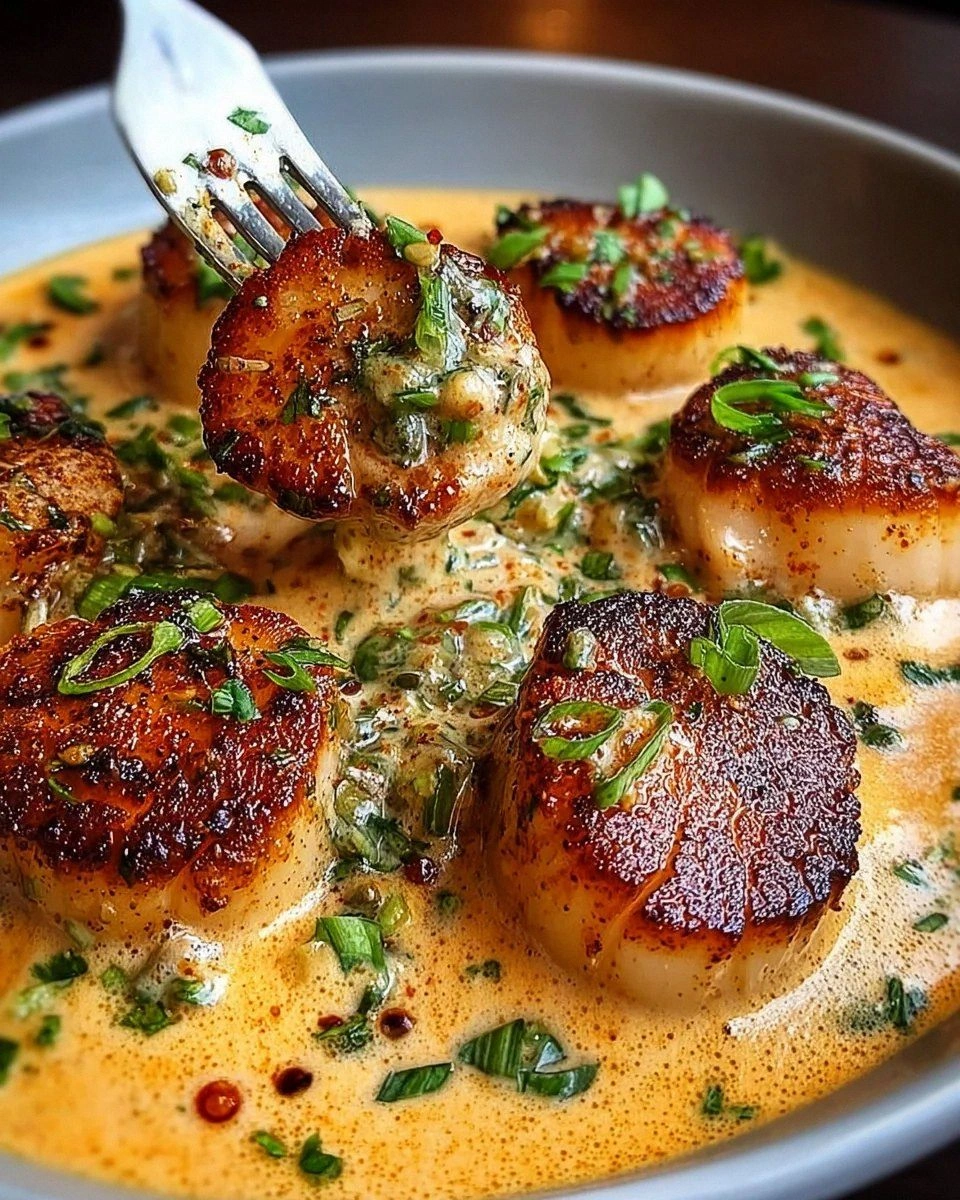
Picture this: a heavy skillet humming as it heats, the faint scent of paprika and garlic already teasing your nostrils, and a pan of scallops that sizzle the moment they meet the oil, creating a caramelized crust that crackles like tiny fireworks. The air fills with a buttery, peppery aroma that makes you want to inhale deeply, feeling the steam kiss the back of your throat. When you finally drizzle the spicy Cajun cream sauce over the golden nuggets, it cascades like a silky, amber waterfall, coating each scallop with a heat that’s just enough to make you gasp but not enough to scorch the delicate sweetness. The whole experience is a symphony of textures—crispy edges that shatter like thin ice, a buttery interior that melts on the tongue, and a sauce that clings like velvet to every curve.
Most recipes I’ve seen either over‑cook the scallops, turning them rubbery, or drown them in a sauce that masks their natural flavor. This version, however, respects the scallop’s natural sweetness while giving it a bold, smoky kick that makes every bite unforgettable. I’m daring you to taste this and not go back for seconds—because once you’ve felt that perfect sear paired with a sauce that sings, you’ll understand why this is hands down the best version you’ll ever make at home. I’ll even confess—when I first plated it, I ate half the batch before anyone else got a chance, and I didn’t even feel guilty.
One thing that sets this dish apart is the secret ingredient: a splash of fresh lemon juice added at the very end, which brightens the whole sauce like a spotlight on a stage. It’s a tiny step, but it makes the difference between a sauce that feels heavy and one that feels alive. Let me walk you through every single step — by the end, you’ll wonder how you ever made it any other way.
What Makes This Version Stand Out
- Taste: The sweet, briny flavor of the scallops is amplified by a smoky paprika and a punchy Cajun blend, while the cream adds a luxurious mouthfeel that never overwhelms.
- Texture: You get a caramelized crust that cracks like thin ice, a buttery interior that stays tender, and a sauce that coats each piece like silk.
- Simplicity: Fewer than ten ingredients, a single skillet, and a 45‑minute timeline make this feel like a restaurant secret you can pull off on a weeknight.
- Uniqueness: The Cajun seasoning brings a Southern heat that most seafood recipes shy away from, turning a classic into a conversation starter.
- Crowd Reaction: I’ve watched grown‑ups and kids alike gasp, smile, and then immediately ask for “just one more” — a true sign of culinary success.
- Ingredient Quality: Fresh sea scallops are the star; their natural sweetness is the canvas for every other flavor you add.
- Cooking Method: The high‑heat sear locks in juices, while the gentle simmer of the sauce keeps everything silky without curdling.
- Make‑Ahead Potential: The sauce can be prepared ahead of time and gently reheated, allowing you to focus on the perfect sear when guests arrive.
Alright, let's break down exactly what goes into this masterpiece...
Inside the Ingredient List
The Flavor Base
Sea Scallops are the heart of this dish. Their natural sweetness is delicate, and any over‑cooking will turn them rubbery, so you must treat them with respect. If you can, buy them fresh from a fish market; look for a firm, milky white flesh that springs back when pressed. As a fallback, well‑thawed frozen scallops work just fine, but be sure to thaw them slowly in the fridge and pat them dry. Skipping the scallops entirely would defeat the purpose, but if you’re allergic, a firm white fish like cod can stand in, though the texture will be different.
Olive Oil (or avocado oil for a higher smoke point) is the medium that delivers the sear. Olive oil adds a subtle fruitiness, while avocado oil stays liquid at higher temps, preventing the oil from smoking and ruining the flavor. If you’re out of both, a neutral oil like grapeseed works, but you’ll miss the slight depth that olive brings. The oil’s role isn’t just to prevent sticking; it also helps the paprika and Cajun spices adhere to the scallops, creating that beautiful crust.
The Texture Crew
Butter is the indulgent backbone of the sauce. When it melts, it creates a glossy finish that clings to the scallops like a lover’s embrace. You can substitute a plant‑based butter if you’re dairy‑free, but be aware that the flavor will shift slightly toward a nutty note. Salt and freshly cracked pepper are the unsung heroes that amplify every other flavor; a pinch of each can turn a bland sauce into a masterpiece. If you’re watching sodium, use a light hand on the salt and let the Cajun seasoning carry the punch.
Paprika, especially smoked paprika, adds a subtle wood‑smoked depth that mimics a grill without the grill. It also gives the sauce a gorgeous amber hue that makes the dish look as good as it tastes. If you’re daring, swap half the smoked paprika for a dash of chipotle powder for an extra smoky kick. Skipping paprika would leave the sauce looking pale and flat, both visually and flavor‑wise.
The Unexpected Star
Onion and garlic form the aromatic foundation. Finely chopped onion releases a sweet caramel note as it softens, while garlic brings a sharp, pungent bite that balances the cream’s richness. If you’re a fan of milder aromatics, substitute shallots for onion; they’ll give a more delicate flavor. Missing these aromatics would result in a sauce that feels one‑dimensional, like a movie without a soundtrack.
Heavy Cream is the luxurious body of the sauce. It thickens without curdling, creating that velvety texture that makes the sauce cling to each scallop. For a lighter version, you can use half‑and‑half, but be careful not to let it boil too hard or it may split. Coconut cream is a dairy‑free alternative that adds a faint tropical note, which can be surprisingly delightful with the Cajun spices.
The Final Flourish
Cajun Seasoning is the spice fireworks that give this dish its name‑dropping reputation. It typically contains paprika, garlic powder, onion powder, cayenne, and herbs like thyme and oregano. Adjust the amount based on your heat tolerance; start with two teaspoons and taste before adding more. If you’re missing a pre‑made blend, mix equal parts smoked paprika, garlic powder, onion powder, a pinch of cayenne, and dried thyme for a close approximation.
Lemon Juice is the brightening agent that cuts through the richness, adding a zesty pop that lifts the entire dish. A tablespoon of freshly squeezed juice is enough; bottled juice works in a pinch but won’t have the same fresh aroma. Skipping the lemon would leave the sauce feeling heavy, like a blanket you can’t shake off.
Fresh Parsley, chopped just before serving, adds a splash of color and a herbaceous freshness that balances the heat. It also gives a visual cue that says “I put effort into this.” If parsley isn’t your thing, cilantro can be used for a different flavor profile, though it will change the dish’s character.
Everything's prepped? Good. Let's get into the real action...
The Method — Step by Step
Gather all your ingredients and set them within arm’s reach. This is the moment of truth: a well‑organized mise en place will keep you from scrambling mid‑cook. Pat the scallops dry with paper towels, then lightly season each side with salt, pepper, and a pinch of paprika. The dry surface is crucial; it ensures that when the scallops hit the hot pan, they’ll sizzle like fireworks rather than steam.
Heat a large skillet over medium‑high heat until it’s shimmering, then add the olive oil. When the oil begins to ripple, it’s ready. Add the scallops in a single layer, making sure they’re not crowded—overcrowding drops the temperature and results in soggy edges. Let them sear undisturbed for about 2 minutes; you’ll hear a satisfying sizzle that tells you the crust is forming.
Kitchen Hack: Use a splatter guard after the first minute to keep the oil from jumping out while still allowing steam to escape.After the first side is golden brown and releases easily from the pan, flip the scallops and add the butter. As the butter melts, it will foam and turn a light amber color—this is the base of your sauce. Quickly add the finely chopped onion and minced garlic, stirring constantly. You’ll notice the aromatics soften and become fragrant; this is your cue to keep moving.
Now, sprinkle in the Cajun seasoning and smoked paprika, letting the spices toast for about 30 seconds. This step is crucial; toasting releases the essential oils and prevents a raw, powdery taste. Keep the heat moderate—too high and the spices will burn, too low and they won’t bloom.
Watch Out: If you see the spices turning black, you’ve gone too far; lower the heat immediately and add a splash of cream to rescue the flavor.Pour in the heavy cream, stirring continuously. The sauce should begin to thicken within a minute, coating the back of a spoon. If it looks too thin, let it simmer gently for another two minutes; if it threatens to boil vigorously, reduce the heat. This is where the magic happens: the cream melds with the butter, oil, and spices to create a silky, slightly thickened sauce that clings lovingly to each scallop.
Just before the sauce reaches your desired consistency, add the freshly squeezed lemon juice and a handful of chopped parsley. The lemon’s acidity brightens the sauce, while the parsley adds a fresh, herbaceous note and a splash of color. Taste the sauce now—if it needs a touch more salt or pepper, season lightly. Remember, the scallops themselves already carry a hint of brine, so you don’t want to over‑season.
Return the seared scallops to the pan, spooning the sauce over them to ensure each piece is fully coated. Let them sit for another minute, allowing the sauce to seep into the crevices of the crust. This final rest is essential; it lets the flavors meld and the heat distribute evenly, preventing a cold bite in the center.
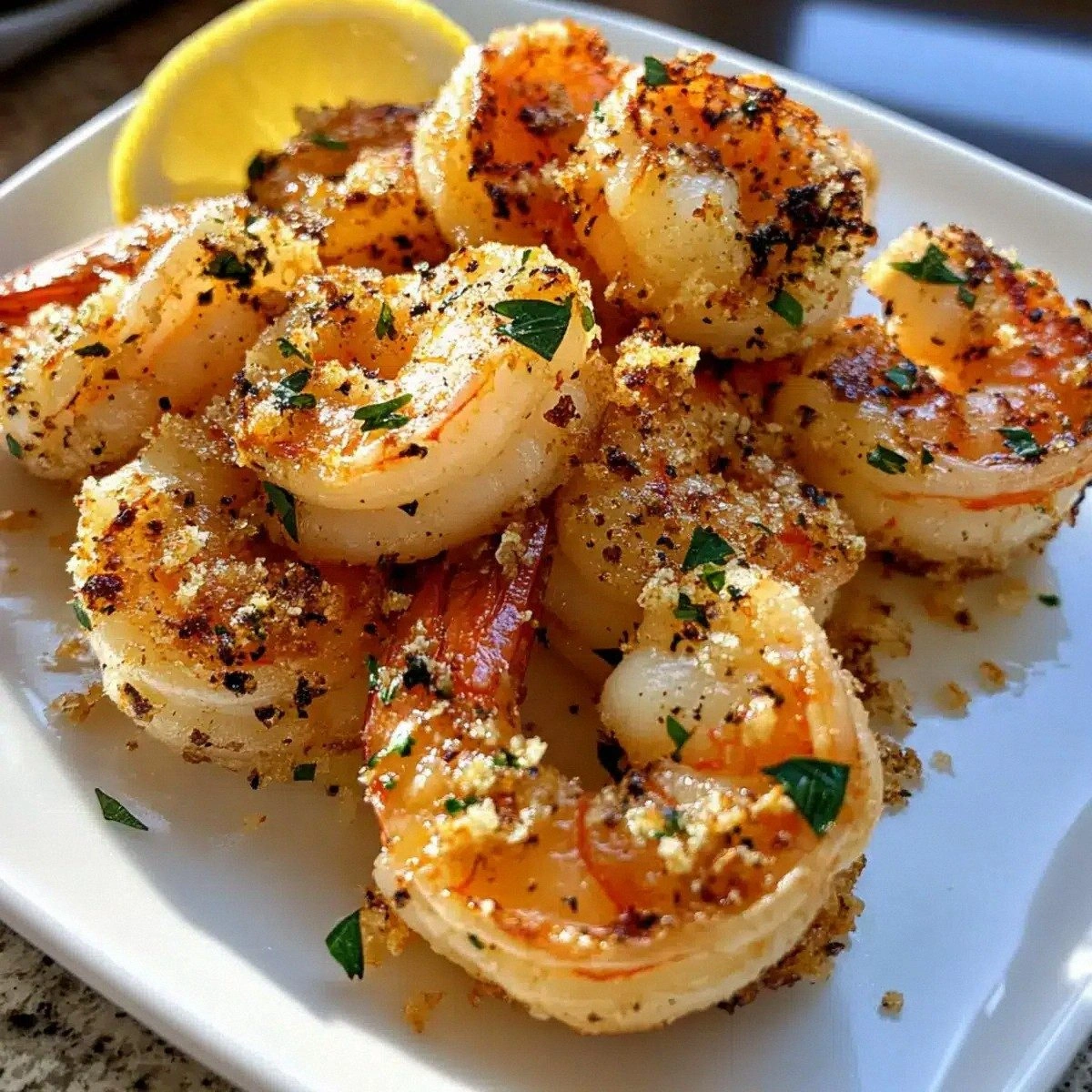
Plate the scallops on a warm serving dish, drizzle any remaining sauce over the top, and garnish with an extra sprinkle of parsley for visual appeal. Serve immediately while the crust is still crisp and the sauce is glossy. That final moment, when you see the golden sear against the creamy orange‑red sauce, is worth every second of effort.
Kitchen Hack: Warm the serving plates in the oven for a minute before plating; this keeps the scallops hot longer and preserves the crisp crust.
That's it — you did it. But hold on, I've got a few more tricks that'll take this to another level...
Insider Tricks for Flawless Results
The Temperature Rule Nobody Follows
Most home cooks think “medium heat” is a safe default, but for scallops you need a pan that’s genuinely hot—around 400°F (204°C). A quick test: flick a few drops of water onto the surface; they should sizzle and evaporate instantly. If the oil smokes, you’ve overshot it, and the scallops will burn before they get a proper crust. The rule of thumb: the hotter the pan, the quicker the crust forms, sealing in moisture.
Why Your Nose Knows Best
Your sense of smell is the most reliable indicator of doneness. When the butter and oil begin to turn a light caramel color and the aromatics release a nutty scent, you’re at the perfect point to add the cream. If you rely solely on a timer, you risk either under‑cooking the sauce (it’ll be runny) or over‑cooking it (it’ll separate). Trust the nose, not the clock.
The 5‑Minute Rest That Changes Everything
After plating, let the scallops rest for about five minutes. This brief pause lets the juices redistribute, preventing them from spilling out when you cut into a scallop. It also allows the sauce to thicken a touch more, creating a richer mouthfeel. Skipping this rest is the most common mistake I see, and it results in a soggy crust.
Seasoning Layers, Not a Single Dump
Instead of dumping all salt and pepper at once, season the scallops before searing, then taste the sauce and finish with a pinch of finishing salt. This layered approach builds depth and prevents the dish from tasting flat. I once tried a “all‑in‑one” seasoning and the sauce turned bland; the layered method saved the day.
The Butter‑Oil Hybrid
Using a combination of oil and butter gives you the high smoke point of oil and the flavor richness of butter. If you use only butter, it will burn before the scallops sear; only oil, and you lose the buttery finish. The hybrid is the secret weapon I swear by for any pan‑seared seafood.
Creative Twists and Variations
This recipe is a playground. Here are some of my favorite ways to switch things up:
Coconut‑Cajun Fusion
Swap heavy cream for full‑fat coconut cream and add a teaspoon of lime zest. The result is a tropical spin that pairs beautifully with the Cajun heat, perfect for a summer dinner on the patio. Garnish with toasted coconut flakes for crunch.
Mushroom‑Infused Sauce
Sauté sliced shiitake or cremini mushrooms after the scallops, then proceed with the cream sauce. The earthy umami adds depth, turning the dish into a hearty entrée suitable for cooler evenings. Finish with a drizzle of truffle oil for extra luxury.
Spicy Tomato Kick
Add a half cup of crushed tomatoes after the spices and let them simmer before adding the cream. This creates a reddish‑orange base that’s both tangy and spicy, reminiscent of a Creole étouffée. Serve over a bed of creamy polenta for a comforting twist.
Herbaceous Green
Blend fresh basil, cilantro, and a touch of mint into the sauce at the end for a bright, herb‑forward version. The fresh greens cut through the richness and add a garden‑fresh vibe, ideal for spring gatherings.
Smoky Bacon Crunch
Crisp up a few slices of bacon, crumble them, and sprinkle over the finished dish. The smoky, salty crunch contrasts with the buttery scallops and adds a textural surprise that guests love.
Storing and Bringing It Back to Life
Fridge Storage
Place any leftovers in an airtight container and store in the refrigerator for up to two days. Keep the sauce separate from the scallops if possible; this prevents the scallops from becoming soggy. When reheating, gently warm the sauce on low heat and add a splash of water to restore its silkiness.
Freezer Friendly
Both the sauce and the cooked scallops freeze well individually. Transfer the sauce to a freezer‑safe jar, leaving headspace, and freeze the scallops on a parchment‑lined tray before moving them to a zip‑top bag. They’ll keep for up to three months. Thaw overnight in the fridge, then reheat as described.
Best Reheating Method
To revive the dish, warm a skillet over low‑medium heat, add a teaspoon of butter, then toss the scallops briefly—just enough to warm through without overcooking. Warm the sauce in a separate saucepan, stirring in a tablespoon of water or broth to bring back its glossy texture. Combine and serve immediately for a near‑fresh experience.