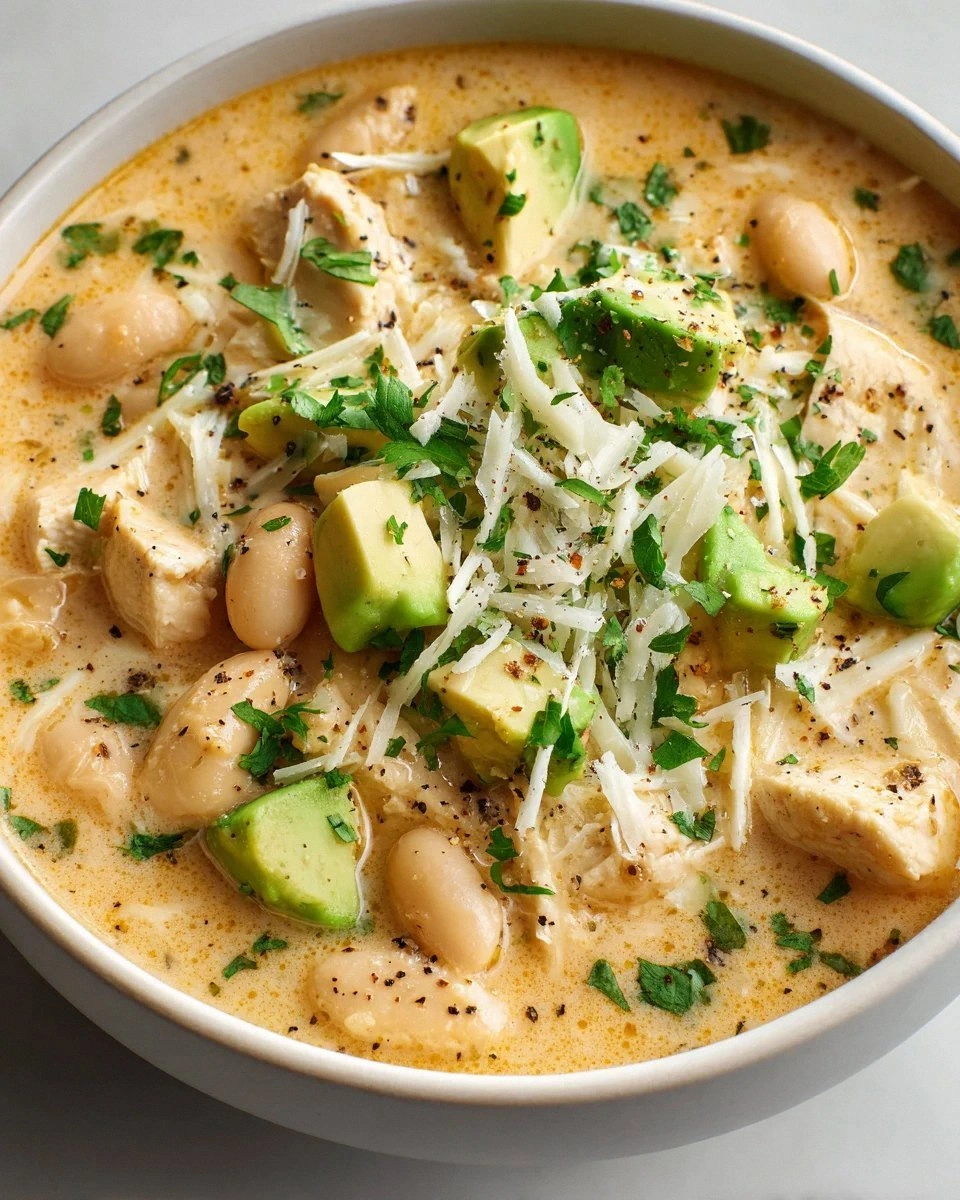
I still remember the first time I made white chicken chili. It was one of those grey, drizzly Tuesdays that felt like a Monday had overstayed its welcome. I was supposed to bring something to book club, but I'd forgotten until the last minute. My pantry looked like a crime scene—half-empty bags of beans, some questionable sour cream, and chicken I'd forgotten to thaw. I was this close to grabbing a sad rotisserie bird from the store and calling it a day. Then my competitive streak kicked in: How hard could chili be? Famous last words.
Two hours later, my kitchen smelled like a southwest candle factory had exploded. The first spoonful was a revelation—creamy, tangy, with this gentle heat that snuck up like a plot twist. My book club friends demolished the entire pot, then sent me texts the next day asking for the recipe. That's when I knew I was onto something special. Over the next six months, I tinkered with every variable—different beans, various dairy fat percentages, spice ratios that would make a chemist proud—until I landed on this version. It's the one that converts chili purists who swear red chili is the only chili. It's the one that disappears at potlucks while the traditional beef chili sits sadly in the corner.
What makes this recipe different? It's not just throwing ingredients in a pot and hoping for the best. We're building layers of flavor like a symphony—each ingredient has a job, a purpose, a moment to shine. The great northern beans aren't just filler; they're creamy little clouds that absorb all the good stuff. The sour cream doesn't just make it rich; it balances the heat from those green chilies in a way that keeps you coming back for "just one more bite" until suddenly the pot's empty and you're licking the spoon like a teenager with their first crush.
This recipe has saved me on countless occasions—when my in-laws announced they were visiting, when my kid's soccer team needed a last-minute tournament snack, when I needed comfort food that felt like a warm hug from the inside out. It's become my signature dish, the one friends request by name. And now I'm sharing it with you, complete with all the tricks I've learned through trial, error, and that one memorable incident involving a smoke alarm and my neighbor's concerned visit.
What Makes This Version Stand Out
Creamy Dreamy: Unlike watery versions that separate into sad layers, this chili achieves a velvety consistency that coats your spoon like liquid velvet. The secret isn't just dumping in sour cream at the end—we create an emulsion that stays stable even when reheated three days later.
Heat with Sweetness: Most recipes assault your taste buds with raw heat. This one uses a gentle cayenne background that builds slowly, then surprises you with bright lime juice that makes everything pop like culinary fireworks. It's the difference between a slap and a caress.
Bean Perfection: Great northern beans are the Goldilocks of the legume world—not too firm, not too mushy. They absorb flavors like tiny sponges while maintaining their shape, giving you textural contrast in every bite instead of turning into bean paste.
Chicken that Shreds Itself: Through precise timing and temperature control, the chicken becomes so tender it practically falls apart when you look at it sideways. No more wrestling with forks for twenty minutes while your dinner gets cold.
One-Pot Wonder: Despite tasting like you spent hours crafting layers of flavor, this entire masterpiece comes together in a single pot. Less dishes means more time for important things, like eating a second bowl while watching your favorite show.
Make-Ahead Magic: This chili actually improves overnight as the flavors mingle and marry in your fridge. It's the rare dish that gets better with age, like a fine wine or George Clooney.
Customizable Canvas: Want it spicier? Add jalapeños. Prefer it mild? Skip the cayenne entirely. Vegetarian? Swap the chicken for jackfruit. This recipe bends to your will like a culinary genie.
Inside the Ingredient List
The Flavor Foundation
Olive oil isn't just for preventing sticking—it's the carrier for all those aromatic compounds that make your neighbors knock on your door asking what you're cooking. When it shimmers like a desert mirage, that's your cue that the pan's ready for the onion. Speaking of which, don't you dare use a massive onion and wonder why your chili tastes like French onion soup. A small yellow onion provides the perfect amount of sweetness without overwhelming the delicate balance we're creating here.
Garlic is where most recipes go wrong. They treat it like an afterthought, throwing it in too early so it burns and turns bitter. We're adding it after the onion softens, giving it just enough time to release its pungent magic without turning into acrid disappointment. Fresh garlic makes pre-minced jarred stuff taste like sad cardboard in comparison—trust me, I tested both ways and the difference is night and day.
The Texture Crew
Great northern beans are the unsung heroes of this dish. They're like the reliable friend who always shows up on time—consistent, dependable, and they play well with others. Cannellini beans work in a pinch, but they're firmer and don't create that silky texture that makes this chili special. And navy beans? Too small, too prone to turning to mush. We're not making bean soup here.
The chicken needs to be cooked just right—overcook it and you get dry, stringy bits that ruin every spoonful. Undercook it and, well, nobody wants a side of salmonella with dinner. Shredded rotisserie chicken works if you're in a rush, but poaching your own gives you control over seasoning and ensures every bite is juicy and flavorful. Plus, you get that gorgeous poaching liquid to add back into the chili for extra chicken-y goodness.
The Spice Architects
Ground cumin is what makes this taste like chili instead of chicken soup with beans. It's earthy, warm, and slightly nutty—the backbone of southwestern flavor. Don't even think about skipping it or substituting with curry powder unless you want your dinner guests to stage an intervention. The amount might seem small, but cumin is potent stuff. Too much and your chili tastes like you're eating a spice rack.
Cayenne pepper is where we control the heat dial. A quarter teaspoon gives you a pleasant warmth that builds slowly, like a good friendship. Want to feel alive? Add more. Prefer to taste your food without reaching for a fire extinguisher? Use less. The key is adding it early so the heat distributes evenly instead of hitting you in random spicy pockets.
The Creamy Dream Team
Sour cream versus Greek yogurt is the eternal debate in my kitchen. Sour cream gives you richness and tang that makes the whole dish feel indulgent. Greek yogurt adds protein and makes you feel virtuous about eating a second bowl. I've made it both ways countless times, and honestly? They both work beautifully. The yogurt version is slightly tangier and feels lighter, while sour cream gives you that restaurant-style decadence.
The corn isn't traditional, but it adds these sweet little bursts that play beautifully against the heat. Frozen works perfectly—no need to track down fresh corn in February. Just make sure to add it at the right time so it stays plump and sweet instead of turning into tough little kernels that feel like eating gravel.
The Method — Step by Step
- Heat your heavy-bottomed pot over medium heat until you can feel the warmth when you hover your hand over the surface. Add the olive oil and watch for it to shimmer—this takes about 30 seconds if your pan is properly heated. Toss in the chopped onion and listen for that satisfying sizzle that tells you the temperature is perfect. Stir occasionally for about 5 minutes until the onion turns translucent and starts to smell sweet, not sharp. If it starts browning too quickly, reduce the heat—we want soft and sweet, not crispy and bitter.
- Clear a small space in the center of the pot and add the minced garlic. Let it sit undisturbed for 20 seconds—this prevents it from burning and turning acrid. Then stir to combine with the onions for another 30 seconds until your kitchen smells like you've been transported to a Mediterranean grandmother's kitchen. The garlic should look creamy and pale golden, not brown and angry. If you see any dark spots, you've gone too far and need to start over.
- Pour in the chicken broth and prepare for the glorious steam that rises up like you've summoned a culinary genie. Use your spoon to scrape up any browned bits from the bottom—these are flavor gold mines that will deepen your chili's complexity. Add the diced green chilies, cumin, cayenne, oregano, and paprika. Give everything a good stir and watch as the liquid transforms from plain chicken stock to something that smells like a southwest sunset.
- Bring this mixture to a gentle simmer—tiny bubbles should break the surface, not a rolling boil that looks like a jacuzzi on steroids. Let it bubble away for 10 minutes so the spices can bloom and marry. Your kitchen should start smelling like a Mexican restaurant at this point. If your neighbors don't start sniffing around, check that your ventilation fan isn't on high.
- Drain and rinse the great northern beans until the water runs clear. This removes the starchy liquid they're packed in, which can make your chili taste metallic. Add them to the pot along with the corn. Stir gently—these beans are tender and you want them to stay whole, not turn into bean confetti. Let everything simmer together for 5 minutes so the beans can absorb all those beautiful flavors.
- Add the shredded chicken and stir just until combined. The chicken is already cooked, so we're just warming it through and letting it absorb some of the chili flavors. If you're using raw chicken, add it earlier and let it poach in the liquid for 15-20 minutes until cooked through. But honestly, using pre-cooked chicken gives you better control over texture.
- Reduce the heat to low and add the sour cream or Greek yogurt. Here's the crucial part—whisk a small amount of hot liquid from the pot into the dairy first to temper it. This prevents the cold dairy from curdling when it hits the hot chili. Think of it as introducing your dairy to the hot tub gradually instead of shoving it in cannonball-style.
- Stir in the lime juice and taste for seasoning. This is where you add salt and pepper until it tastes like something you'd pay $12 for in a restaurant. The lime juice brightens everything and makes all the other flavors pop. If it tastes flat, it needs more salt. If it tastes boring, it needs more lime. If it tastes perfect, you've nailed it.
- Let the chili simmer gently for another 5 minutes, but don't let it boil—high heat will break the dairy and give you a grainy texture. The consistency should be thick enough to coat your spoon but still loose enough to ladle easily. If it's too thick, add a splash of chicken broth. Too thin? Let it simmer a bit longer. You're looking for the texture of a cozy sweater in food form.
Insider Tricks for Flawless Results
The Temperature Rule Nobody Follows
Here's the thing about dairy in hot liquids—it's like that friend who seems chill until suddenly they're not. The difference between silky smooth and curdled disaster is literally 10 degrees. Keep your heat at the lowest setting after adding the sour cream, and if you see tiny bubbles starting to form around the edges, immediately remove from heat. Curdled chili tastes fine, but the texture resembles cottage cheese floating in soup, and nobody wants that visual with dinner.
I learned this the hard way during a dinner party when I got cocky and cranked the heat to speed things along. My beautiful chili turned into something that looked like it needed medical attention. My guests were polite about it, but I caught them eating around the white chunks like they were landmines. Now I treat the dairy addition like defusing a bomb—slow, careful, and with complete focus.
Why Your Nose Knows Best
Don't trust timers alone—your nose is the most sophisticated kitchen tool you own. When the cumin hits the oil, you should smell warm earth and toasted nuts, not acrid smoke. If your onions start smelling sharp and eyes start watering, you've gone too far and need to dial back the heat. The garlic should smell fragrant and inviting, not like burnt offerings to the cooking gods.
I've cooked through three different timers over the years, but my nose has never failed me. When the chili is perfectly seasoned, your kitchen smells like you should charge admission. It's a complex aroma that's both comforting and exciting, like your favorite sweater that somehow makes you look amazing every time you wear it.
The 5-Minute Rest That Changes Everything
After you finish cooking, let the chili rest off heat for 5 minutes before serving. This isn't just chef nonsense—those minutes allow the flavors to settle down and mingle properly. Think of it like letting a red wine breathe, except instead of tannins softening, the cumin gets friendlier with the beans and the lime juice stops being quite so aggressive.
During this rest, the beans absorb more liquid and the whole thing thickens slightly to the perfect consistency. Plus, it gives you time to set out toppings, warm some crusty bread, and pour yourself a beverage. You've worked hard—treat yourself to those five minutes of anticipation while everything comes together.
Creative Twists and Variations
This recipe is a playground. Here are some of my favorite ways to switch things up:
Green Chile Pork Party
Swap the chicken for pork shoulder cut into 1-inch cubes. Brown the pork first, then let it simmer in the chili for 45 minutes until it's fall-apart tender. The pork fat adds incredible richness, and the green chilies love hanging out with pig. It's like they were separated at birth and finally reunited. Top with fresh cilantro and a squeeze of lime for a bowl that tastes like New Mexico in the best possible way.
Vegetarian Powerhouse
Replace chicken with jackfruit (the young green kind, not the ripe stuff that tastes like Juicy Fruit). It shreds beautifully and absorbs flavors like a sponge. Add a can of diced fire-roasted tomatoes for extra depth, and throw in some diced zucchini for texture. Even meat lovers won't miss the chicken when you've got this much going on. The jackfruit adds a subtle sweetness that plays beautifully with the heat.
Seafood Coastal Version
Use shrimp instead of chicken, but add them in the last 3 minutes—just until they turn pink and curl. The ocean-sweet flavor against the creamy base is surprisingly addictive. Add some fresh corn kernels and a handful of chopped cilantro right at the end. It's like someone took a beach vacation and brought back the best souvenir ever.
Extra Spicy Daredevil
Add a diced jalapeño with the onions, swap the cayenne for chipotle powder, and include a dash of your favorite hot sauce. The chipotle adds smoky depth that regular cayenne can't touch. Top with pickled jalapeños and a drizzle of hot honey for sweet heat that builds like a crescendo. I dare you to taste this and not go back for seconds, even as your nose runs and your eyes water.
Creamy Mushroom Luxury
Add 8 ounces of cremini mushrooms, sliced and sautéed until golden, along with the beans. They add an earthy depth that makes the whole thing taste like it came from a fancy restaurant. Use full-fat sour cream and add a splash of white wine with the broth. It's rich enough to serve to company but comforting enough for a Tuesday night when you need a hug in bowl form.
Breakfast Chili Transformation
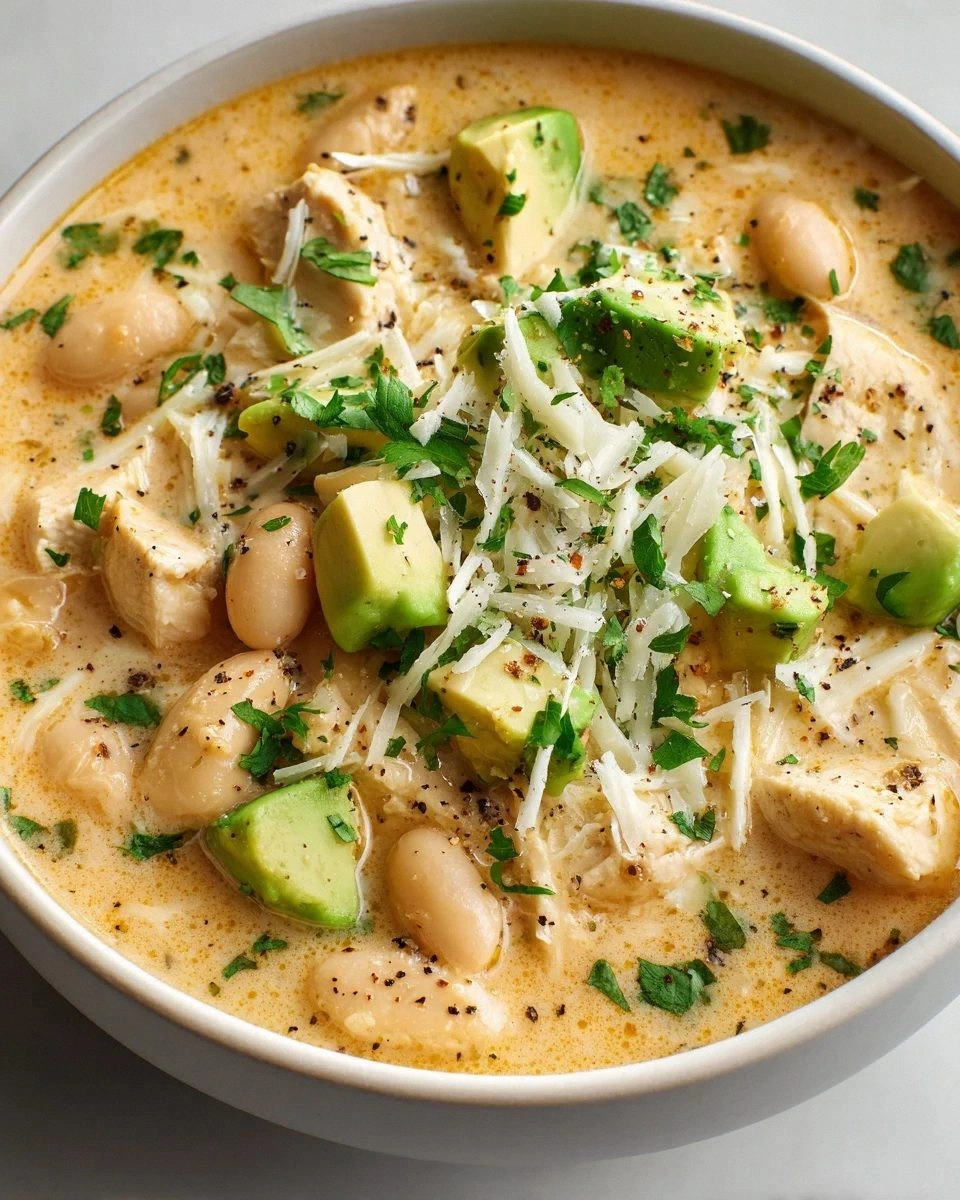
Top a warm bowl with a fried egg, crispy bacon bits, and avocado slices. The runny yolk creates a sauce that's absolutely criminal. Serve with warm tortillas for scooping. It's the hangover cure you didn't know you needed, and it's substantial enough to keep you going until dinner. My weekend brunch guests request this more than my famous French toast.
Storing and Bringing It Back to Life
Fridge Storage
Let the chili cool completely before transferring to airtight containers. It keeps beautifully for up to 4 days, though I've never seen it last that long in my house. Store in individual portions for easy grab-and-go lunches that'll make your coworkers jealous. The flavors actually improve after a day as everything melds together like old friends. Just remember to add a splash of water or broth when reheating—it thickens considerably as it sits.
Freezer Friendly
This chili freezes like a dream for up to 3 months. Portion it into freezer bags, squeeze out excess air, and lay flat to freeze for space-saving storage. Thaw overnight in the fridge, then reheat gently on the stove. The texture stays perfect because we're not relying on dairy for thickness—the beans do the heavy lifting. Pro tip: Freeze some in ice cube trays for quick weeknight flavor boosters for soups and sauces.
Best Reheating Method
Skip the microwave unless you're desperate—it heats unevenly and can break the dairy. Instead, warm gently in a pot over medium-low heat, stirring frequently. Add a splash of chicken broth or water to loosen it up. If it looks separated, whisk in a tablespoon of sour cream to bring it back together. Taste and adjust seasoning after reheating—sometimes it needs a fresh squeeze of lime to wake everything up. Picture yourself pulling this out of the fridge, the whole kitchen smelling incredible as it warms, and suddenly that Tuesday night feels a lot less ordinary.