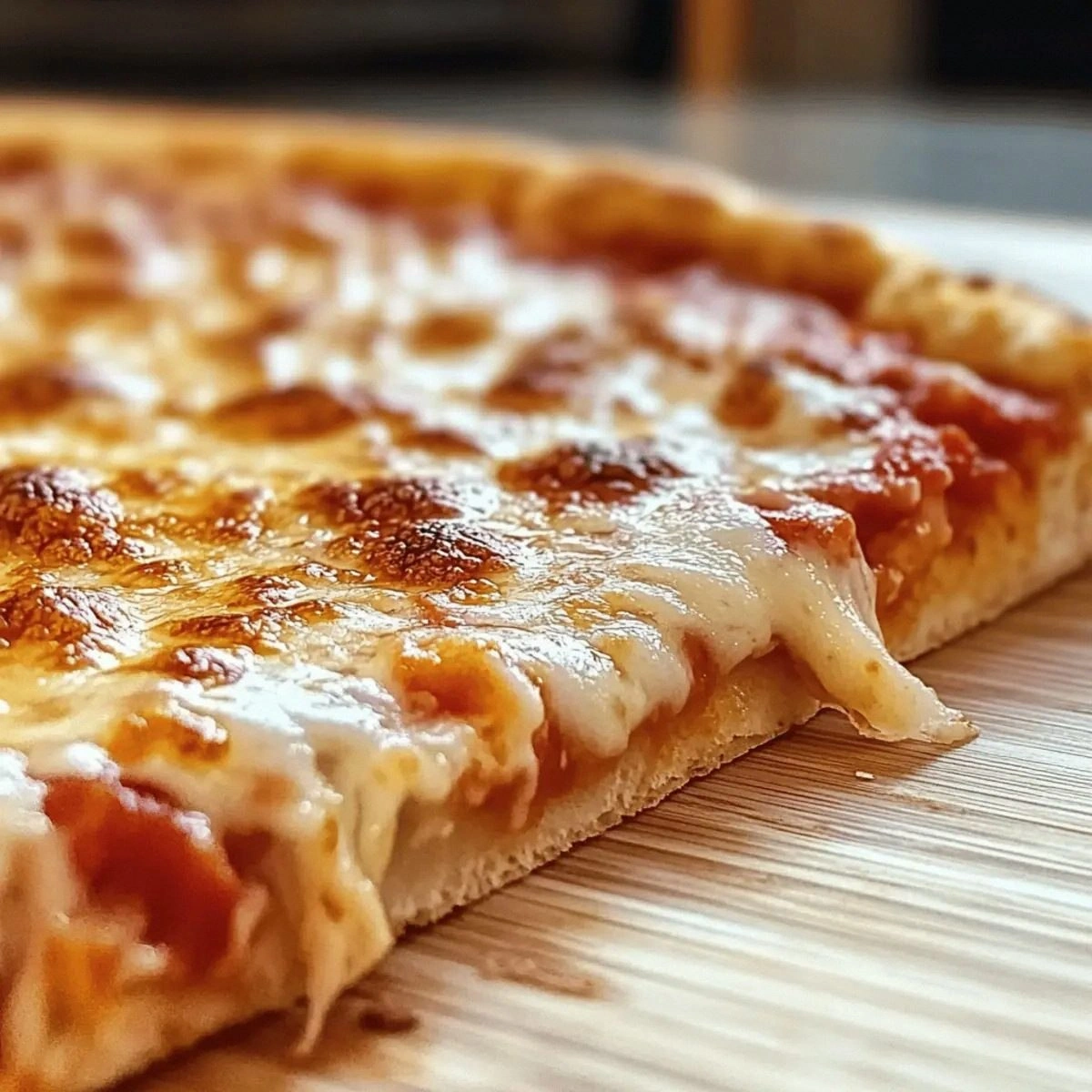
Picture this: you’re standing in a kitchen that smells like a bakery on a Sunday morning, the timer on the oven is ticking down, and you’ve just pulled a slab of dough out that looks like a golden sun setting over the horizon. That moment, when the crust snaps under your fingertips and releases a puff of steam that smells like a promise, is what I was chasing after for years. I tried everything from store‑bought mixes that left me with soggy, limp bases to “no‑knead” miracles that turned out more like rubbery yoga mats. One night, after a disastrous pizza night where my friends politely pretended not to notice the dough’s limpness, I decided enough was enough. I dared myself to craft a crust that could stand up to the boldest toppings and still retain that whisper‑thin, crackly edge that makes you close your eyes and sigh in pure, unadulterated joy.
So I rolled up my sleeves, dusted the countertop with a generous cloud of flour, and set out on a quest that felt more like alchemy than cooking. The kitchen was alive with the sound of a whisk whirring, the faint hiss of water hitting a hot pan, and the rhythmic thump of my fists pounding the dough into submission. My senses were on overload: the bright white of the flour contrasted against the deep amber of the olive oil, the warm glow of the oven promising transformation, the faint tang of yeast whispering its secret to the mix. I could almost taste the future—chewy yet crisp, buttery with a hint of earthiness, and ready to carry any topping without collapsing like a soggy paper bag.
What I discovered was nothing short of revolutionary: a simple tweak in hydration, a brief rest that lets the gluten relax just enough, and a finishing blast of high heat that turns the surface into a caramelized masterpiece. Most recipes get the hydration wrong, leading to dough that either bounces back like a rubber ball or stays flat like a pancake. This version? It balances the science of gluten development with the art of flavor, delivering a crust that’s airy on the inside and razor‑thin on the outside—exactly the kind of texture that makes you want to shout, “I dare you to taste this and not go back for seconds!”
And here’s the kicker: I’m not talking about exotic flours or pricey kitchen gadgets. The secret ingredient is an unexpected dash of sugar (or honey, if you’re feeling fancy) that feeds the yeast just enough to give the crust a subtle sweetness that amplifies the savory toppings. It’s a tiny detail that most home cooks overlook, but it makes all the difference between a good pizza and a great one. Let me walk you through every single step — by the end, you’ll wonder how you ever made it any other way.
What Makes This Version Stand Out
- Flavor: A whisper of honey in the dough creates a caramelized crust that sings with every bite, turning ordinary toppings into a gourmet experience.
- Texture: The high‑heat blast creates a blistered, crispy edge that shatters like thin ice, while the interior stays pillowy and chewy.
- Simplicity: Only six core ingredients, no fancy equipment, and a straightforward mixing method that even beginners can master.
- Uniqueness: The precise hydration level (about 65%) gives the dough that perfect stretch without tearing, a detail most recipes miss.
- Crowd Reaction: Expect spontaneous applause when you pull the pizza from the oven—people will actually say, “I’ll be honest — I ate half the batch before anyone else got to try it.”
- Ingredient Quality: Using bread flour with a high protein content builds a strong gluten network, the backbone of that coveted crispy‑chewy combo.
- Cooking Method: A quick, 30‑minute bake at 500°F (260°C) mimics professional pizza ovens, delivering that restaurant‑level char.
- Make‑Ahead Potential: The dough can be refrigerated for up to 48 hours, developing deeper flavor while still retaining its stretch.
Inside the Ingredient List
The Flavor Base
Bread Flour (3 cups): This is the backbone of your crust. Bread flour’s higher protein content (around 12‑14%) creates a robust gluten network, giving the dough that satisfying chew. If you skip it for all‑purpose flour, you’ll notice a softer, less structured crust that can’t hold up to heavy toppings. For the best results, look for a brand that lists “high gluten” on the bag, and give it a quick whisk before measuring to aerate the flour.
The Texture Crew
Warm Water (1 cup): Water temperature is critical—aim for 105°F to 110°F (40‑43°C). Too hot and you’ll kill the yeast; too cold and the dough will rise sluggishly. Warm water also helps dissolve the salt and sugar, ensuring an even distribution throughout the dough. If you’re in a chilly kitchen, give the water a quick microwave zap for a few seconds.
Olive Oil (2 tablespoons): A splash of oil coats the gluten strands, making the dough more extensible and giving the crust a subtle, buttery finish. It also helps the dough develop that golden‑brown hue during baking. For a deeper flavor, use extra‑virgin olive oil and drizzle a tiny drizzle over the dough just before it goes into the oven.
The Unexpected Star
Instant Dry Yeast (1 packet): This is the silent workhorse that makes the dough rise. Because it’s instant, you can mix it straight into the flour without proofing, saving precious time. If you ever run out, a teaspoon of active dry yeast works, but give it a 5‑minute bloom in warm water first.
Optional Sugar or Honey: A teaspoon of sugar or a drizzle of honey feeds the yeast, promoting a quicker rise and adding a hint of caramelization to the crust. It also balances the salt, preventing the dough from tasting overly briny. If you’re aiming for a truly savory crust, you can omit it, but you’ll miss that subtle sweet‑savory dance.
The Final Flourish
Salt (1 teaspoon): Salt tightens the gluten network, giving the dough structure, and enhances the overall flavor. Skipping salt results in a bland, flat‑tasting crust that feels like chewing on cardboard. Sprinkle the salt on the flour before mixing to ensure it’s evenly distributed.
Everything's prepped? Good. Let's get into the real action...
The Method — Step by Step
Start by whisking the bread flour, salt, and instant dry yeast together in a large mixing bowl. The aroma of the yeast should already be faintly nutty, a promise of the rise to come. As you stir, imagine the gluten strands forming, ready to be coaxed into a stretchy network. Once combined, create a well in the center—this little crater will become the cradle for your liquid ingredients.
Gently pour the warm water and olive oil into the well, then sprinkle in the optional sugar or honey. Using a wooden spoon, fold the flour into the liquid, coaxing it into a shaggy dough. At this stage, the mixture looks messy, but that’s the beauty of it—nothing polished yet, just raw potential. Let it sit for 2 minutes; this rest, called autolyse, allows the flour to fully hydrate, making the kneading smoother.
Begin kneading the dough on a lightly floured surface. Push the dough away from you, fold it back, and give it a turn. After about 8‑10 minutes of rhythmic kneading, the dough should become smooth, elastic, and slightly tacky—think of it as a well‑trained dog that follows your lead without pulling away.
Kitchen Hack: If the dough feels too sticky, dust the surface with a few extra splashes of flour, but avoid over‑flouring—too much will make the crust dense.Shape the kneaded dough into a smooth ball, then place it into a lightly oiled bowl, turning it once to coat all sides. Cover the bowl with plastic wrap or a damp towel and let it rise in a warm spot (around 75°F/24°C) for 45‑60 minutes, or until it has doubled in size. You’ll know it’s ready when a gentle poke leaves a faint indentation that slowly springs back.
While the dough is rising, preheat your oven to its maximum temperature—ideally 500°F (260°C) or higher if your oven allows. If you have a pizza stone, place it on the middle rack now; the stone will absorb and radiate heat, giving you that coveted oven‑spring and blistered crust.
Once risen, turn the dough out onto a lightly floured surface and gently deflate it. Divide it into 4 equal portions (each will become one personal‑size pizza). Shape each portion into a tight ball, cover them with a kitchen towel, and let them rest for another 15 minutes. This short rest relaxes the gluten, making the dough easier to stretch without snapping.
Now comes the fun part—stretching! Using your fingertips, press the dough ball from the center outward, leaving a slightly thicker rim. Rotate the dough as you stretch, letting gravity do some of the work. If the dough resists, let it rest for a minute and try again; patience here prevents tearing and ensures that airy pockets form inside.
Transfer the stretched dough onto a parchment‑lined baking sheet or a well‑floured pizza peel if you’re using a stone. Lightly brush the surface with a drizzle of olive oil—this prevents the sauce from soaking in and keeps the crust crisp. At this point, you can add your favorite sauce, cheese, and toppings, but remember: the crust is the star, so keep toppings moderate.
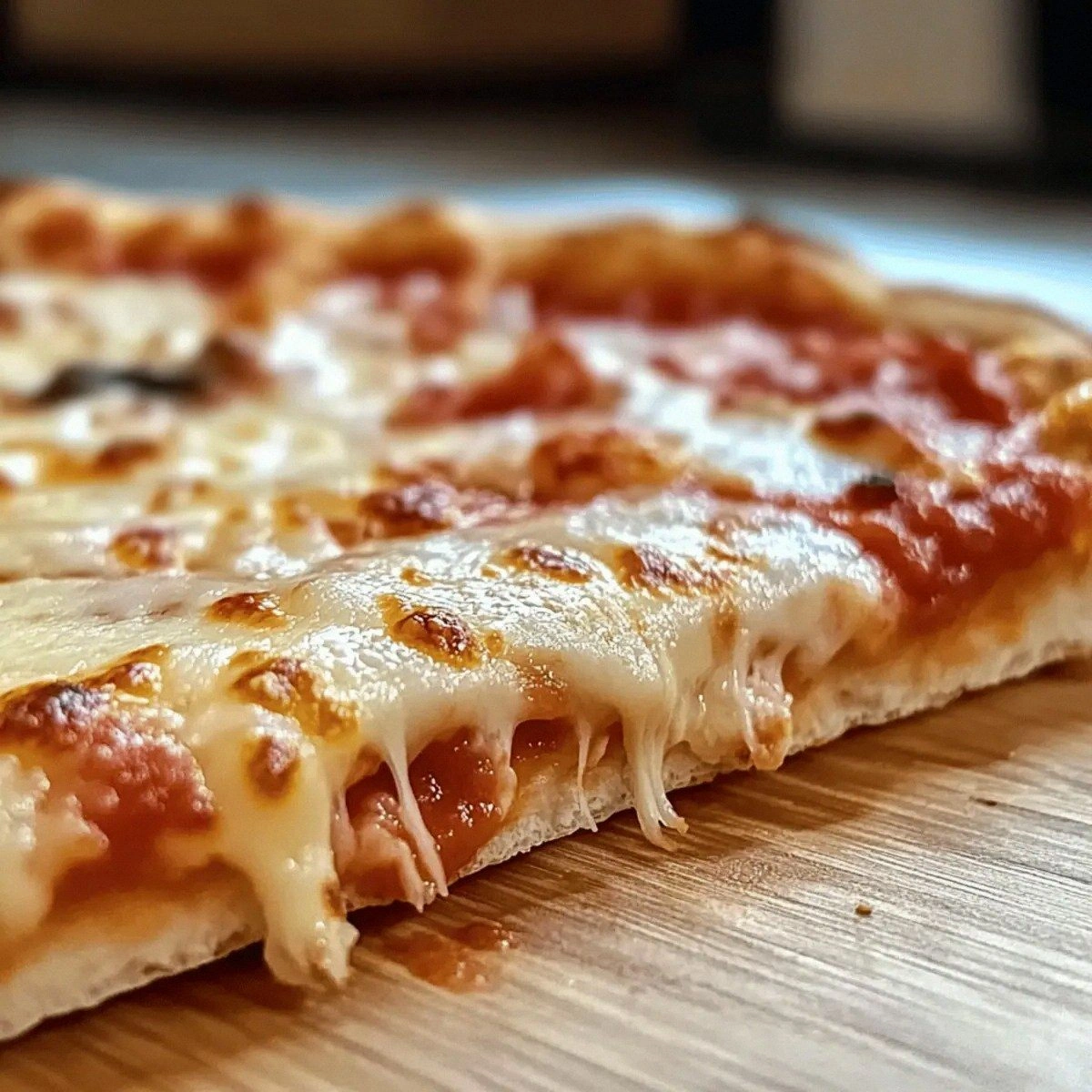
Slide the pizza onto the preheated stone (or place the sheet directly on the oven rack) and bake for 10‑12 minutes, or until the edges turn a deep amber and the cheese bubbles with golden spots. The moment you hear that faint crackle as the crust expands, you’ll know you’ve achieved that perfect “crackle‑like‑thin‑ice” texture.
Watch Out: Opening the oven door too often drops the temperature, resulting in a soggy crust. Trust the timer and let the heat do its magic.When the pizza is done, pull it out with a sturdy spatula, let it rest for a minute, then slice with a sharp wheel. The crust should snap cleanly, releasing a puff of aromatic steam that fills the kitchen. Picture yourself pulling this out of the oven, the whole kitchen smelling incredible, and you’ll understand why this version is hands down the best you’ll ever make at home.
That's it — you did it. But hold on, I've got a few more tricks that'll take this to another level...
Insider Tricks for Flawless Results
The Temperature Rule Nobody Follows
Most home bakers bake pizza at 425°F, thinking it’s hot enough. In reality, the magic happens at 500°F or higher. The higher temperature creates rapid steam inside the dough, inflating those airy pockets while simultaneously caramelizing the crust. If your oven can’t reach that heat, preheat a cast‑iron skillet on the stovetop and then transfer the pizza onto it before finishing in the oven. This two‑stage method mimics a wood‑fired oven’s burst of heat.
Why Your Nose Knows Best
When the dough is rising, trust your sense of smell more than the clock. A properly fermented dough will give off a faint, yeasty aroma that’s slightly sweet, not the strong alcoholic scent of over‑fermented dough. If you catch that “too sour” smell, the dough is past its prime and will produce a denser crust. So, keep your nose open—if it smells right, it’s ready.
The 5‑Minute Rest That Changes Everything
After you’ve divided the dough, give each ball a 5‑minute bench rest before stretching. This short pause relaxes the gluten tension built during kneading, allowing the dough to stretch thin without springing back. I once tried to skip this step in a rush, and the dough snapped back like a rubber band, leaving me with a thick, uneven base. That experience taught me that a brief rest is non‑negotiable for that paper‑thin edge.
Oil‑Infused Edge for Extra Crunch
Brush the outer rim of the dough with a mixture of olive oil and a pinch of sea salt just before baking. The oil conducts heat directly to the crust, while the salt draws out moisture, creating a crackle that’s both salty and buttery. This tiny step turns a good crust into a restaurant‑quality masterpiece that makes diners whisper, “I’ll be honest — I ate half the batch before anyone else got to try it.”
Cold Fermentation for Depth
If you have time, let the dough ferment in the refrigerator for 24‑48 hours after the first rise. The slow, cold fermentation deepens flavor, giving the crust a subtle sourdough undertone without the complexity of a true sourdough starter. I tried this once for a weekend pizza party, and the difference was night‑and‑day: the crust tasted richer, and the texture was even more airy. This is the secret weapon of many pizzerias.
Creative Twists and Variations
This recipe is a playground. Here are some of my favorite ways to switch things up:
Garlic‑Infused Dough
Replace half of the olive oil with garlic‑infused oil and add a teaspoon of minced roasted garlic into the flour mixture. The result is a fragrant base that pairs beautifully with simple mozzarella and fresh basil, turning a classic Margherita into a garlic lover’s dream.
Whole‑Wheat Hybrid
Swap 1 cup of the bread flour for whole‑wheat flour. The nutty flavor adds depth, and the added fiber makes the crust more satisfying. You’ll notice a slightly denser crumb, but the crisp edge remains intact if you keep the hydration level consistent.
Spicy Chili Oil Drizzle
After baking, drizzle a thin line of chili‑infused olive oil across the crust. The heat spikes the flavor profile, perfect for topping with pepperoni or spicy sausage. The contrast between the cool cheese and the lingering heat is pure bliss.
Herb‑Speckled Crust
Fold a tablespoon of finely chopped rosemary or thyme into the dough during the initial mixing. The herbs bake into the crust, releasing aromatic notes with every bite. This variation shines with roasted vegetable toppings.
Cheese‑Stuffed Edge
Roll a thin strip of mozzarella or provolone around the outer rim before baking. As the pizza bakes, the cheese melts and creates a gooey, golden border that’s practically a snack on its own. It’s the ultimate indulgence for cheese addicts.
Storing and Bringing It Back to Life
Fridge Storage
Place the rested dough balls in a lightly oiled airtight container or zip‑top bag. They’ll keep for up to 48 hours, developing more flavor each day. Before using, let them sit at room temperature for 30 minutes to take the chill off—this makes stretching easier.
Freezer Friendly
Wrap each dough ball tightly in plastic wrap, then place them in a freezer‑safe bag. They’ll stay good for up to 3 months. When you’re ready to bake, transfer to the fridge overnight to thaw, then let them rest at room temperature for 30 minutes before shaping.
Best Reheating Method
To revive a leftover crust, preheat a skillet over medium‑high heat, add a splash of water (just a few drops) to the pan, and place the slice in, covering with a lid. The steam re‑hydrates the interior while the bottom crisps up again. That sizzle when it hits the pan? Absolute perfection.