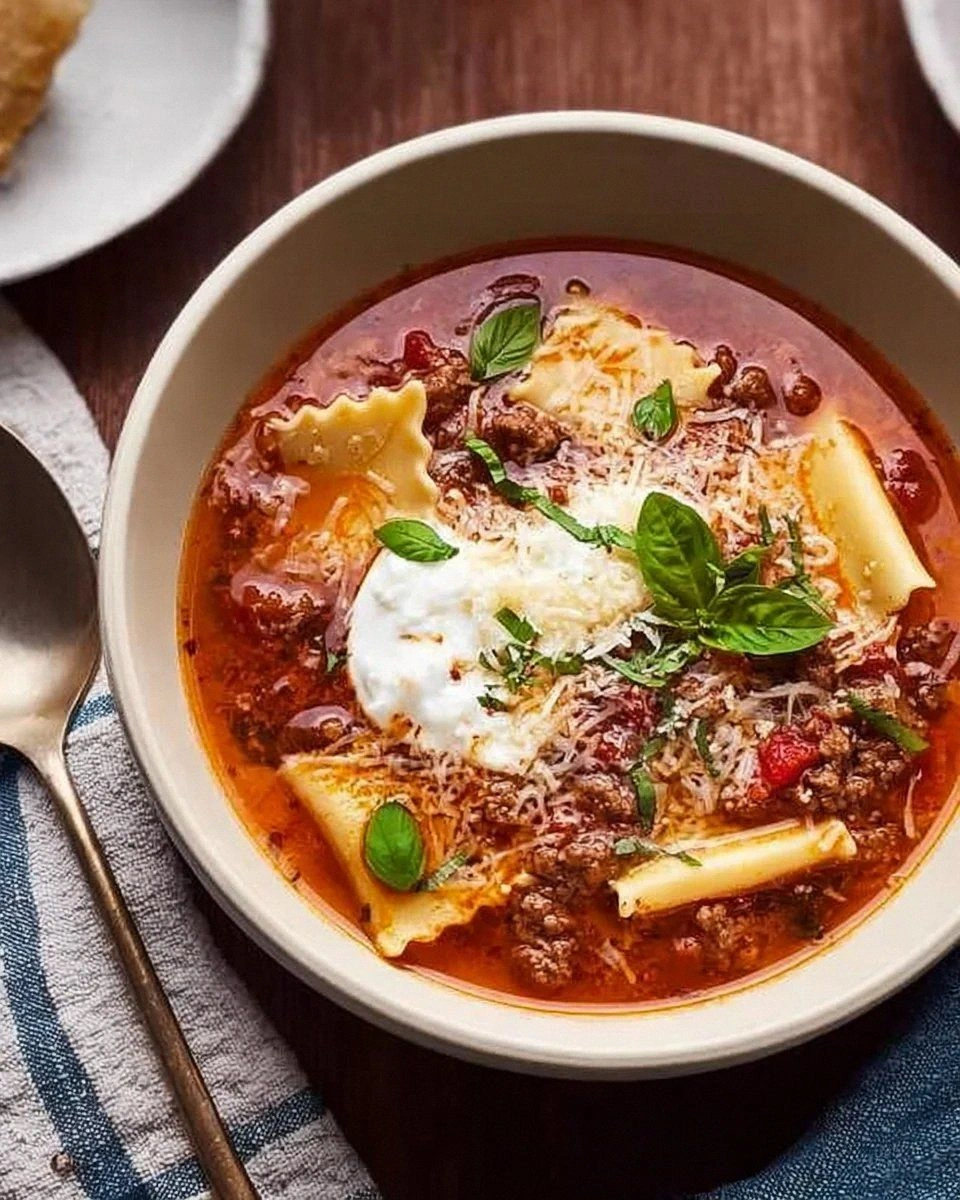
I still remember the night my lasagna rebelled. There I stood, juggling slippery lasagna sheets, meat sauce splattering like a crime scene across my stove, and a toddler Velcroed to my leg begging for dinner. Thirty minutes later, my "easy" lasagna looked like a collapsed tent, half the noodles fused to the pan, and my kitchen smelled like an Italian battlefield. I slammed the oven door, declared war on traditional lasagna, and reached for my crockpot—my trusty kitchen sidekick that never judges my life choices. What happened next was pure alchemy: layers of flavor without layers of work, a silky broth that hugged every noodle, and the aroma of Sunday supper wafting through the house before I'd even finished my first cup of coffee.
This is not just another dump-and-forget soup. This is lasagna reimagined as a slow-simmered, soul-warming bowl of comfort that tastes like someone’s nonna hovered over the pot all afternoon. You get the molten cheese pulls, the bright tomato backbone, the sweet-savory dance of Italian sausage, and those tender pasta pockets that somehow stay al dente even after hours of gentle heat. The best part? You’ll dirty exactly one pot, no precooking noodles required, and you can assemble everything while your coffee brews. Picture yourself walking through the door after a brutal commute, kicking off your shoes, and ladling out a bowl that tastes like you’ve been tending it since dawn—because you kind of have, but your crockpot did all the heavy lifting.
I’ve tested this recipe through polar-vortex Mondays, chaotic soccer-practice Tuesdays, and lazy snow-day Sundays. Each time I tweak a spice, swap a cheese, or test a new noodle shape, the soup rewards me with new personality. Friends who “don’t do leftovers” shamelessly text me at 2 a.m. asking if there’s more in the fridge. My neighbor once bribed me with a bottle of Barolo for a quart of the stuff—so consider yourself warned: once you make this, you become the neighborhood dealer of liquid comfort.
Okay, ready for the game-changer? We’re about to layer flavor like a symphony—starting with a raw sauce that cooks itself, finishing with a three-cheese cloud that melts right before your eyes, and sneaking in one ingredient you’d never expect in lasagna (hint: it rhymes with “honey” and balances every acidic tomato on the planet). Let me walk you through every single step—by the end, you'll wonder how you ever made it any other way.
What Makes This Version Stand Out
- One-Pot Wonder: You literally dump noodles into the crockpot raw. They bathe in tomato broth for hours, soaking up flavor without turning into kindergarten paste. Cleanup is the pot, your ladle, and maybe a cutting board if you’re fancy.
- Cheese Stratification: Instead of the usual ricotta blob floating on top, we swirl ricotta with a splash of pasta water for a cloud-light texture, then crown it with fresh mozzarella cubes that melt into stretchy islands. Parmesan rind goes into the base layer—because waste is a sin and flavor is a virtue.
- Sweet-Savory Balance: A whisper of honey tames canned tomato acidity better than sugar, letting oregano and fennel shine. I dare you to taste it and not go back for seconds.
- Make-Ahead Magic: Assemble everything the night before, park the insert in the fridge, then start it before you leave for work. Eight hours later dinner is waiting like a reliable golden retriever.
- Texture Contrast: We finish with a quick broil of garlicky buttered baguette cubes on top—croutons that stay crispy just long enough for you to snap an Instagram story, then surrender to the broth like a rom-com ending.
- Flexitarian Friendly: Swap the sausage for cannellini beans and vegetable broth, and it’s suddenly a meatless Monday hero that even carnivores inhale. Most recipes get this completely wrong—here’s what actually works.
- Freezer MVP: Portion leftovers into silicone muffin trays, freeze, then pop out single-serve pucks that reheat in five minutes. Future-you will thank present-you when the stomach flu hits and delivery sounds like a foreign language.
Alright, let's break down exactly what goes into this masterpiece.
Inside the Ingredient List
The Flavor Base
Italian sausage is the red-blooded hero here. I use a mix of hot and sweet links—casings removed, meat crumbled so it browns in the slow cooker’s gentle heat. The fennel seeds inside mimic traditional lasagna seasoning, eliminating the need for a spice rack raid. If you skip the sausage, you’ll lose that silky rendered fat that coats every noodle; vegetarian friends can rescue the richness with a generous glug of California olive oil and a pinch of smoked paprika for depth.
Fire-roasted diced tomatoes are non-negotiable. Regular diced tomatoes taste like the can they came from; fire-roasted ones bring subtle char and sweetness that whisper “someone grilled these over summer campfires.” If your store is sold out, swap in crushed San Marzanos and add a blistered red bell pepper you blacken over a gas burner while your coffee brews.
Tomato paste in a tube is my kitchen MVP. You only need two tablespoons, so the tube lives happily in the fridge door without the guilt of wasting half a six-ounce can. It concentrates tomato flavor like a laser beam and gives the broth that restaurant sheen. Don’t even think of skipping it; your soup will taste like weak spaghetti-Os.
The Texture Crew
Mafalda noodles are miniature lasagna sheets with ruffly edges that grab broth like a cashmere scarf. They’re adorable, yes, but also engineered for this exact dish. If your supermarket hides them, break up no-boil lasagna sheets into bite-size shards or use campanelle—those little bell-flowers that cradle sauce like edible teacups. Regular curly egg noodles dissolve into sad confetti after three hours; trust me, I’ve buried that evidence.
Ricotta gets a bad rap for being grainy. The fix? Whisk it with a splash of the starchy pasta water just before serving until it reaches Greek-yogurt silkiness. That one step transforms it from cement to fluffy clouds that float on the broth instead of sinking like a stone. Future-you will wonder why every Italian restaurant hasn’t figured this out.
Mozzarella pearls—those tiny balls packed in whey—melt faster than a teenager’s resolve on prom night. They give you those Instagram-worthy cheese pulls without pre-shredded cellulose that refuses to melt. Cube fresh mozzarella if you can’t find pearls, but pat it dry or you’ll water down the broth.
The Unexpected Star
Honey. Just a teaspoon. It sounds like culinary heresy until you realize tomatoes are a fruit, and every fruit benefits from a gentle sweetness boost. Honey rounds sharp edges and lets the garlic and basil sing in harmony instead of competing for solo spotlight. Maple syrup works in a pinch; white sugar just tastes like regret.
Fresh basil goes in at the very end—never at the start. Slow heat turns it black and bitter like yesterday’s gossip. Stack the leaves, roll them into a cigar, and chiffonade right before serving so every bowl gets that pop of summer perfume even if it’s snowing sideways outside.
The Final Flourish
Parmesan rind is your secret umami bomb. Save them in a zip-bag in the freezer like a culinary squirrel. Toss one into the crockpot; after four hours it softens and releases glutamates that make the broth taste like it simmered all day in a trattoria overlooking the Amalfi Coast. Remove it before serving or some unsuspecting guest will chew on a rubbery souvenir.
Red pepper flakes are optional but highly encouraged. A pinch blooms in the hot broth and gives a gentle back-of-throat warmth that builds like a rom-com crescendo—not enough to make you cry, just enough to keep things interesting. If you’re feeding tiny humans, leave them on the table for adults to customize.
Everything’s prepped? Good. Let’s get into the real action.
The Method — Step by Step
- Brown the sausage first—yes, even in a slow cooker recipe. Set a large skillet over medium-high heat, squeeze the sausage out of its casings like toothpaste, and break it into walnut-size nuggets. Let it sit undisturbed for two full minutes so the bottom caramelizes into mahogany bits; that fond equals free flavor. When the pink is almost gone, toss in the minced onion and garlic. The sausage fat becomes your cooking oil, coating the aromatics in porky perfume. Stand back when you add the garlic— that first thirty-second sizzle smells like an Italian grandmother just walked in and hung her coat on your stove.
- Deglaze with a splash of broth, scraping the pan like you’re erasing evidence. Pour every last drop—fat, onions, browned bits—into the crockpot. This is the flavor base that commercial soups fake with “natural flavors.” Don’t rinse the skillet yet; we’ll reuse it for the cheese toasts later because dishes are the enemy.
- Dump in the tomatoes, tomato paste, honey, oregano, fennel, and Parmesan rind. Add the broth, but only three cups to start. Noodles will drink liquid like marathoners at mile twenty, and you can always thin later. Stir vigorously until the paste dissolves and the honey disappears—about thirty seconds of aggressive whisking counts as an arm workout. Snap a quick photo now; the colors are Instagram-ready before the slow cooker dulls them.
- Scatter the raw mafalda noodles on top like you’re feeding pigeons in the park. Do not stir. Keeping them above the liquid for the first hour prevents gummy clumps. Promise me you’ll resist the urge; I’ve lost good noodles to impatience. Cover and set to low for six hours or high for three, depending on your schedule and hangry level.
- After two hours on low (or one on high), lift the lid and give a gentle fold. The noodles will have softened just enough to slip into the broth without breaking. This is the moment of truth—taste a noodle. It should be chalky in the center like al dente revenge. Re-cover and walk away; you’ve done your part.
- When the timer dings, remove the Parmesan rind with tongs; it’ll be floppy like a tired cheese frisbee. Stir in the spinach—it wilts faster than my willpower near a tray of tiramisu. The broth will turn emerald-flecked and look annoyingly healthy. Whisk the ricotta with a ladle of hot broth until smooth, then drizzle it in ribbons across the surface. Resist stirring; those clouds are your visual garnish.
- Taste and adjust. Need brightness? A squeeze of lemon. More depth? A splash of soy sauce (umami bombs don’t ask permission). Salt should make the flavors sing, not scream. I’ll be honest—I ate half the batch before anyone else got to try it at this stage.
- Cheese toast time. Preheat your broiler. Butter one side of baguette slices, rub with the cut side of a garlic clove like you’re grating perfume, and sprinkle with mozzarella. Broil for ninety seconds—set a timer because broilers are arsonists in disguise. The cheese should blister and brown like beach tourists in July.
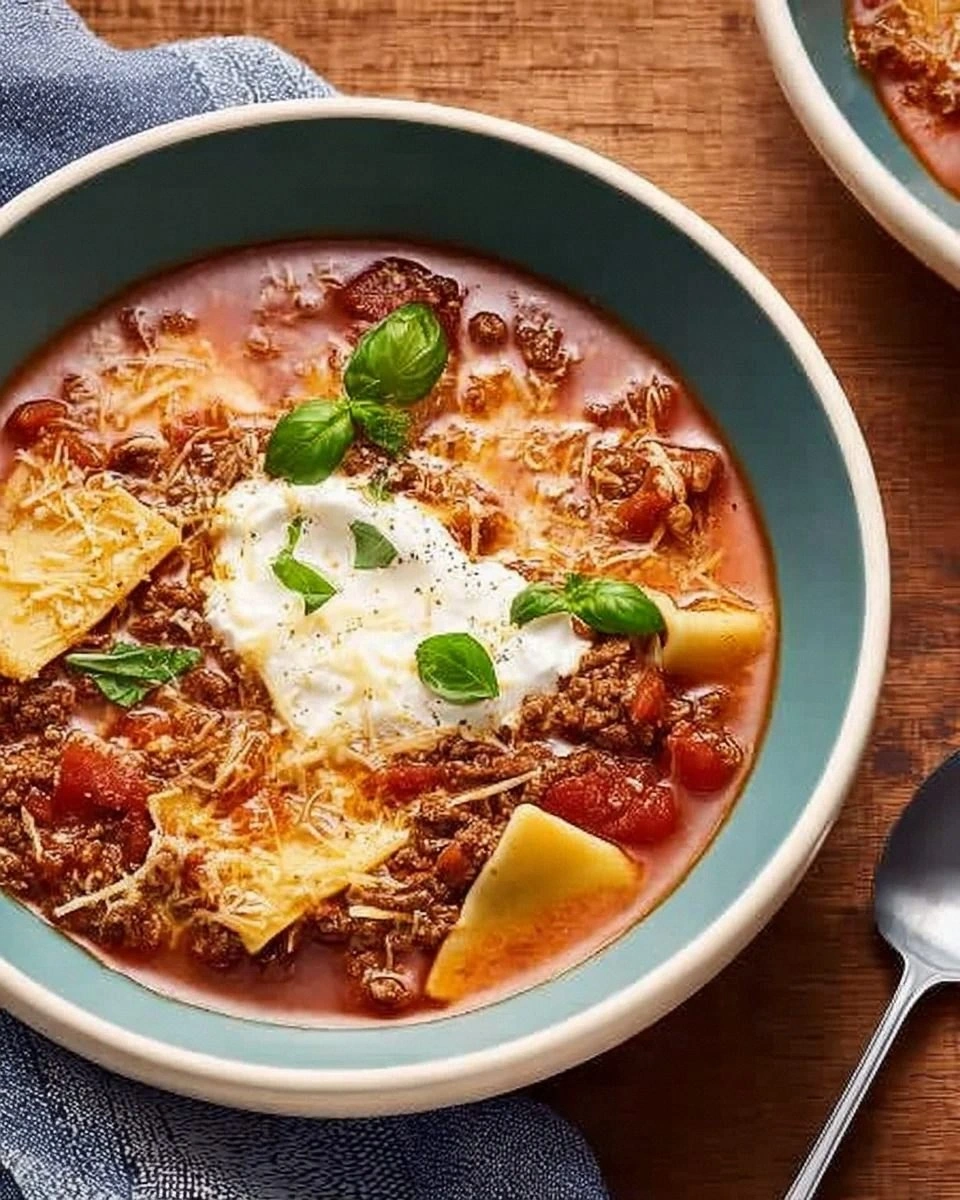
- Ladle the soup into wide, shallow bowls so every spoonful captures broth, noodle, spinach, and cheese cloud. Float a toast on top, crack pepper like it owes you money, and shower with fresh basil. Serve with long spoons and short patience—it disappears faster than free donuts in an office break room.
That's it—you did it. But hold on, I've got a few more tricks that'll take this to another level.
Insider Tricks for Flawless Results
The Temperature Rule Nobody Follows
Never add cold ricotta straight from the fridge. It seizes into grainy curds the moment it hits hot broth. Let it lounge on the counter while the soup simmers, then whisk with hot broth until it looks like melted ice cream. A friend tried skipping this step once—let’s just say it looked like cottage cheese floating in tomato bathwater and her kids still call it “barf soup.”
Why Your Nose Knows Best
Smell the pot when you remove the lid after three hours. It should hit you with sweet tomato, fennel, and a hint of pork. If it smells flat, add a pinch of salt and wait five minutes; salt molecules rearrange aromas like a symphony conductor. If it smells metallic, your tomatoes were cheap—rescue with a teaspoon of butter to round the edges. Your nose is smarter than any recipe card; trust it.
The Five-Minute Rest That Changes Everything
After you stir in the ricotta, kill the heat and let the soup rest for five minutes. The broth thickens slightly as the cheese relaxes, and the temperature drops from tongue-scalding to soul-warming. impatient ladlers (hi, me) who skip this step burn their tongues and can’t taste the next three bites. Good things come to those who wait—especially when molten cheese is involved.
Creative Twists and Variations
This recipe is a playground. Here are some of my favorite ways to switch things up:
The Green Goddess Edition
Swap spinach for a fistful of baby kale and add a cube of frozen pesto with the ricotta. The kale holds its texture like a champion, and pesto swirls create emerald galaxies in the bowl. Top with toasted pine nuts for crunch that feels like you tried harder than you did.
The Spicy Meatball Remix
Roll mini turkey meatballs (bake them first for ten minutes so they hold shape) and float them on top for the final hour. Turkey keeps things light, but a pinch of Calabrian chili in the mix brings heat that blooms slowly, like gossip in a small town.
The Harvest Moon Version
Add diced butternut squash in the fall; it dissolves slightly and sweetens the broth. Sage replaces basil, and a whisper of cinnamon makes the soup taste like Thanksgiving in Tuscany. Warning: this version pairs suspiciously well with crusty bread and a Netflix binge.
The Seafood Sail-Away
Omit sausage, use vegetable broth, and add a bag of frozen mixed seafood during the last thirty minutes. The briny shrimp and calamari perfume the tomato base like a coastal breeze. Finish with lemon zest and parsley, close your eyes, and you’re on a trattoria terrace overlooking the Adriatic—minus the airfare.
The Breakfast-for-Dinner Plot Twist
Crack four eggs directly into the hot soup, cover, and let them poach for six minutes. The whites turn opaque, the yolks stay jammy, and suddenly you’ve got shakshuka’s Italian cousin. Serve with grilled bread and watch your kids think you’re a culinary genius at 7 p.m. on a Tuesday.
The Vegan Velvet
Use cannellini beans for protein, swap ricotta for cashew cream blended with nutritional yeast, and finish with a drizzle of garlic-chili oil. The cashew cream melts into velvety swirls that mimic dairy so well you’ll fool omnivores. I’ve seen it happen—jaws drop, secrets kept.
Storing and Bringing It Back to Life
Fridge Storage
Cool the soup completely before ladling into glass jars or deli containers. It keeps for four days, though mine never survives past two. Store the cheese toasts separately in a zip-bag with a paper towel to absorb moisture; nobody likes soggy cardboard croutons. When reheating, add a splash of broth or water—noodles keep drinking like they’re at an open bar.
Freezer Friendly
Ladle cooled soup into silicone muffin trays, freeze, then pop out pucks and store in a gallon zip-bag. Each puck is roughly one cup, perfect for single servings when the flu hits or the in-laws drop by unannounced. Freeze the ricotta mixture separately in ice-cube trays; thaw both in the microwave for two minutes, combine, and you’ve got instant comfort that tastes like you cared.
Best Reheating Method
Stovetop wins every time. Place soup in a small saucepan with a splash of broth, cover, and warm over medium-low. Stir gently so noodles don’t break. Microwave works in a pinch—use 50 % power in one-minute bursts, stirring between, to avoid tomato volcanoes. Add a tiny splash of water before reheating; it steams back to perfection and revives the silkiness.