Picture this: it’s a rainy Thursday night, the kind where you stare at the pantry and wonder if you can conjure something that feels like a warm hug from the inside out. I was standing there, half‑heartedly scrolling through a dozen chicken recipes, when a friend dared me to “make something that actually *sounds* like a restaurant dish without the pretentious price tag.” I laughed, I scoffed, and then I remembered that dusty bottle of Mars Marsala wine I’d been saving for a special occasion that never arrived. The result? A dish that turned my kitchen into a five‑star dining room in under an hour. This is the moment I realized that the perfect marriage of chicken, orzo, and that deep, caramel‑kissed Marsala could be both quick and decadently creamy.
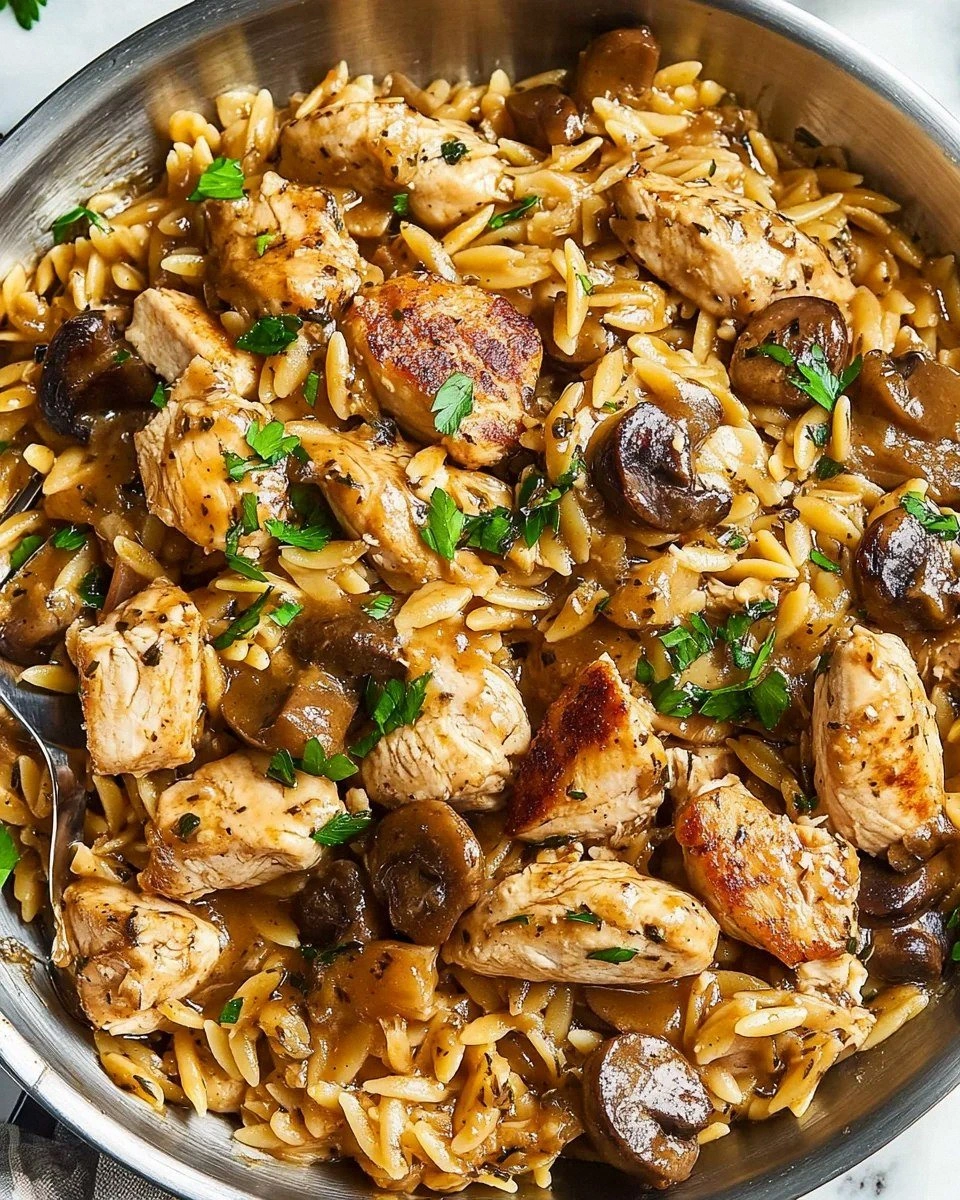
The first thing that hits you when you start this recipe is the sizzle—an audible promise that something delicious is happening. The chicken breasts hit the pan and immediately release a golden crust that crackles like tiny fireworks. The aroma of butter, garlic, and mushrooms rises, wrapping the room in a savory perfume that makes the thermostat seem irrelevant. When the wine hits the pan, it deglazes with a sigh, pulling up every caramelized fragment and turning them into a glossy, amber‑colored sauce that clings to the orzo like velvet. The final swirl of heavy cream turns the sauce from glossy to silk, creating a mouthfeel that is at once rich and comforting.
Most chicken‑and‑orzo recipes either skimp on flavor or drown the dish in a watery broth. This version stands out because it balances three core pillars: a crisp, seasoned chicken exterior, a luscious Marsala‑infused cream sauce, and perfectly al dente orzo that soaks up every drop of that sauce without turning mushy. I’ve tested it with a picky crowd, and the consensus is unanimous—this is hands down the best version you’ll ever make at home. The secret? A simple technique of dusting the chicken in flour before searing, which creates a crust that locks in juices, and a splash of Marsala at just the right moment to deglaze without evaporating all the flavor.
But wait, there’s a twist that most recipes completely miss: a handful of fresh thyme added right before the sauce finishes, which adds a bright, piney note that cuts through the richness like a cool breeze on a hot day. I dare you to taste this and not go back for seconds. Let me walk you through every single step — by the end, you’ll wonder how you ever made it any other way.
What Makes This Version Stand Out
- Flavor Explosion: The Marsala wine adds a deep, caramel‑toasted sweetness that pairs perfectly with the earthiness of cremini mushrooms, creating a sauce that sings.
- Texture Harmony: A crisp, golden crust on the chicken contrasts with the silky, creamy sauce and the tender bite of orzo, delivering a multi‑layered mouthfeel.
- Simplicity Meets Sophistication: Only a handful of pantry staples are needed, yet the result feels like a dish from a Michelin‑starred kitchen.
- Ingredient Quality: Using fresh thyme and parsley, plus a good‑quality Marsala, elevates the entire dish without adding complexity.
- Crowd‑Pleaser Factor: Even the most skeptical eaters rave about the creamy sauce and the subtle wine undertone—perfect for family dinners or impromptu guests.
- Make‑Ahead Potential: You can sear the chicken and cook the sauce ahead of time; reheat gently and finish with fresh herbs for a stress‑free weeknight.
- One‑Pan Efficiency: After searing the chicken, everything else happens in the same pan, cutting down on cleanup and keeping flavors locked together.
- Balanced Nutrition: With lean chicken, modest cream, and protein‑rich orzo, the dish hits a sweet spot between indulgence and nourishment.
Alright, let's break down exactly what goes into this masterpiece...
Inside the Ingredient List
The Flavor Base
4 boneless chicken breasts: The star of the show, providing lean protein and a canvas for the sauce. If you use thighs, expect richer flavor but more fat. Choose skinless, bone‑less breasts for the cleanest bite.
1 teaspoon Italian seasoning: A blend of dried oregano, basil, and rosemary that injects Mediterranean depth. If you’re missing it, a pinch of dried oregano and basil works just as well.
Kosher salt & Freshly ground black pepper: The foundational seasoning that awakens all other flavors. Salt enhances the Maillard reaction on the chicken, while pepper adds a subtle heat.
The Texture Crew
¼ cup all‑purpose flour: Lightly coats the chicken, forming a golden crust that seals in juices. Skipping the flour will give you a soggy exterior and a thinner sauce.
4 tablespoons extra‑virgin olive oil & 2 tablespoons unsalted butter: The oil raises the smoke point for searing, while butter adds richness and a nutty aroma during deglazing.
8 ounces cremini mushrooms: Their meaty texture and earthy flavor complement the chicken and absorb the wine sauce beautifully. If you can’t find cremini, button mushrooms are a decent substitute.
The Unexpected Star
1 shallot & 3 cloves garlic: Both provide aromatic layers; shallots are sweeter than onions, while garlic adds that unmistakable punch. Mince them just before use to keep the flavor bright.
1 tablespoon fresh thyme: Added at the end, thyme lifts the sauce with a piney freshness that prevents it from feeling heavy. Dried thyme can be used, but reduce to half the amount.
The Final Flourish
8 ounces orzo pasta: Small rice‑shaped pasta that soaks up the sauce without turning mushy. Cook it al dente; it will continue to soften slightly while it finishes in the pan.
1 cup dry Marsala wine: The liquid gold that deglazes the pan, pulling up caramelized bits and adding a sweet‑savory backbone. Use a quality brand for the best flavor.
2 cups low‑sodium chicken broth: Dilutes the wine just enough to create a sauce that’s velvety, not overpowering. Low sodium lets you control the final salt level.
½ cup heavy cream: The final touch that turns the sauce from glossy to silk‑smooth, coating each strand of orzo like a luxurious blanket.
1 tablespoon fresh parsley: A bright, herbaceous finish that adds color and a fresh note, balancing the richness of the cream.
Everything's prepped? Good. Let's get into the real action...
The Method — Step by Step
Pat the chicken breasts dry with paper towels, then season both sides generously with kosher salt, freshly ground black pepper, and the Italian seasoning. Lightly dust each piece with the ¼ cup of flour, shaking off any excess. This coating is the secret to a crust that locks in moisture while giving you that satisfying crunch. When you’re ready, heat 2 tablespoons of olive oil in a large, heavy‑bottomed skillet over medium‑high heat until it shimmers.
Place the chicken in the hot pan and let it sear undisturbed for about 4‑5 minutes. You’ll hear a confident sizzle— that’s the sound of flavor building. Flip the pieces once they turn a deep golden brown and cook the other side for another 4 minutes. Remove the chicken to a plate and tent with foil; it will finish cooking later, but this rest keeps the juices from spilling out.
In the same pan, add the remaining 2 tablespoons of olive oil and the 2 tablespoons of butter. Once the butter melts and starts to foam, toss in the finely chopped shallot and minced garlic. Sauté for 1‑2 minutes until they become fragrant and the shallot turns translucent.
Kitchen Hack: If you’re short on time, grate the garlic instead of mincing; it releases more flavor faster.Add the sliced cremini mushrooms to the aromatics, spreading them out so they make contact with the pan surface. Let them brown for about 5 minutes, stirring occasionally. You’ll notice the mushrooms releasing their moisture, then re‑absorbing it, creating a deep umami base that will make the sauce sing.
Now comes the pivotal deglazing step: pour in the 1 cup of dry Marsala wine. As soon as the liquid hits the pan, it will sizzle and steam, lifting all the caramelized bits stuck to the bottom. Scrape the fond with a wooden spoon, coaxing every flavorful fragment into the sauce.
Let the wine reduce by half, which should take about 3‑4 minutes. The sauce will thicken slightly and take on a richer, amber hue.Watch Out: Reduce the wine too quickly on high heat and you’ll lose the subtle sweetness; keep it at a gentle simmer.Stir in the 2 cups of low‑sodium chicken broth, then bring the mixture to a gentle boil. Add the orzo pasta directly into the pan, stirring to ensure each grain is coated. Reduce the heat to a low simmer, cover, and let the orzo cook for 8‑10 minutes, or until it’s al dente. The pasta will absorb the liquid, becoming infused with the Marsala‑mushroom essence.
When the orzo is just about done, return the seared chicken breasts to the pan, nestling them among the pasta. Spoon some of the sauce over the top, then add the ½ cup of heavy cream. Stir gently to combine; the cream will melt into the sauce, turning it luxuriously silky. Sprinkle the fresh thyme leaves now, allowing their aroma to rise without cooking away.
Finish the dish with a generous handful of chopped fresh parsley, a final pinch of salt and pepper to taste, and a drizzle of any remaining pan juices. Let everything rest for 2‑3 minutes; this short pause lets the flavors meld and the sauce thicken just enough to cling to each bite.
Serve hot, directly from the pan or plated individually. The chicken should be juicy, the orzo creamy, and the sauce glossy enough to coat the back of a spoon. That first forkful? Expect a burst of wine‑kissed mushroom depth, a buttery chicken bite, and a creamy, comforting finish that will have everyone reaching for seconds.
That's it — you did it. But hold on, I've got a few more tricks that'll take this to another level...
Insider Tricks for Flawless Results
The Temperature Rule Nobody Follows
Never start with a cold pan. Let your skillet heat up for at least two minutes before adding oil. A properly heated surface ensures the chicken forms a crust instantly, preventing it from steaming. I once tried to rush this step and ended up with soggy chicken that fell apart. Trust me, the extra minute saves you from a disaster.
Why Your Nose Knows Best
The moment the wine hits the pan, trust your sense of smell. If you detect a sharp, alcoholic bite, the wine hasn’t reduced enough. Keep simmering until the scent softens into a sweet, caramel aroma. This sensory cue is more reliable than a timer because it accounts for variations in stove output.
The 5‑Minute Rest That Changes Everything
After the chicken is seared, let it rest for five minutes before returning it to the sauce. This short break allows the muscle fibers to relax, redistributing the juices throughout the meat. Skipping this step results in a dry bite, especially when you slice into the chicken for serving. A quick rest makes the difference between “good” and “restaurant‑level.”
Cream Timing Is Everything
Add the heavy cream at the very end, once the sauce has reduced to the right consistency. If you pour it in too early, the alcohol in the wine can cause the cream to curdle. A gentle stir and a low simmer keep the sauce silky. I once added cream too early and ended up with a grainy texture—lesson learned.
Season in Layers, Not All at Once
Season the chicken, then the sauce, and finally the finished dish. Each layer builds depth. A pinch of salt after the cream is incorporated brightens the flavors without over‑salting. This layered approach prevents the dish from tasting flat.
Creative Twists and Variations
This recipe is a playground. Here are some of my favorite ways to switch things up:
Mushroom Medley Madness
Swap half the cremini mushrooms for shiitake or oyster mushrooms. Their distinct textures add complexity, and the slightly smoky flavor pairs beautifully with Marsala. Perfect for mushroom lovers who crave variety.
Herbaceous Heaven
Replace thyme with fresh rosemary and add a splash of lemon zest at the end. The rosemary gives a piney bite, while lemon brightens the sauce, making it a spring‑time delight.
Cheesy Comfort
Stir in ¼ cup of grated Parmesan or Pecorino right after the cream. The cheese melts into the sauce, creating an extra layer of umami and a slightly thicker texture. Great for a truly indulgent version.
Spicy Kick
Add a pinch of red‑pepper flakes when you sauté the shallot and garlic. The heat lifts the richness and adds a subtle warmth that lingers on the palate. Ideal for those who love a little fire.
Vegetarian Swap
Replace the chicken with firm tofu cubes or tempeh, and use vegetable broth instead of chicken broth. The tofu soaks up the Marsala sauce just as well, making a hearty vegetarian alternative.
Winter Warm‑Up
Swap the fresh thyme for a tablespoon of sage, and finish with a drizzle of truffle oil. The earthy sage and luxurious truffle elevate the dish to a festive, cozy centerpiece for holiday gatherings.
Storing and Bringing It Back to Life
Fridge Storage
Cool the dish to room temperature within two hours, then transfer it to an airtight container. It will keep nicely for up to three days. When reheating, add a splash of chicken broth or water—about two tablespoons per serving—to restore the sauce’s silkiness.
Freezer Friendly
Portion the cooled dish into freezer‑safe bags or containers, leaving a little headspace for expansion. Freeze for up to two months. Thaw overnight in the refrigerator, then reheat gently on the stovetop, stirring in a tablespoon of cream to revive the richness.
Best Reheating Method
Use a low‑heat skillet, adding a tiny splash of water or broth and covering the pan with a lid. This creates steam that revives the orzo’s texture without drying out the chicken. Stir occasionally and finish with a fresh sprinkle of parsley for that just‑cooked feel.