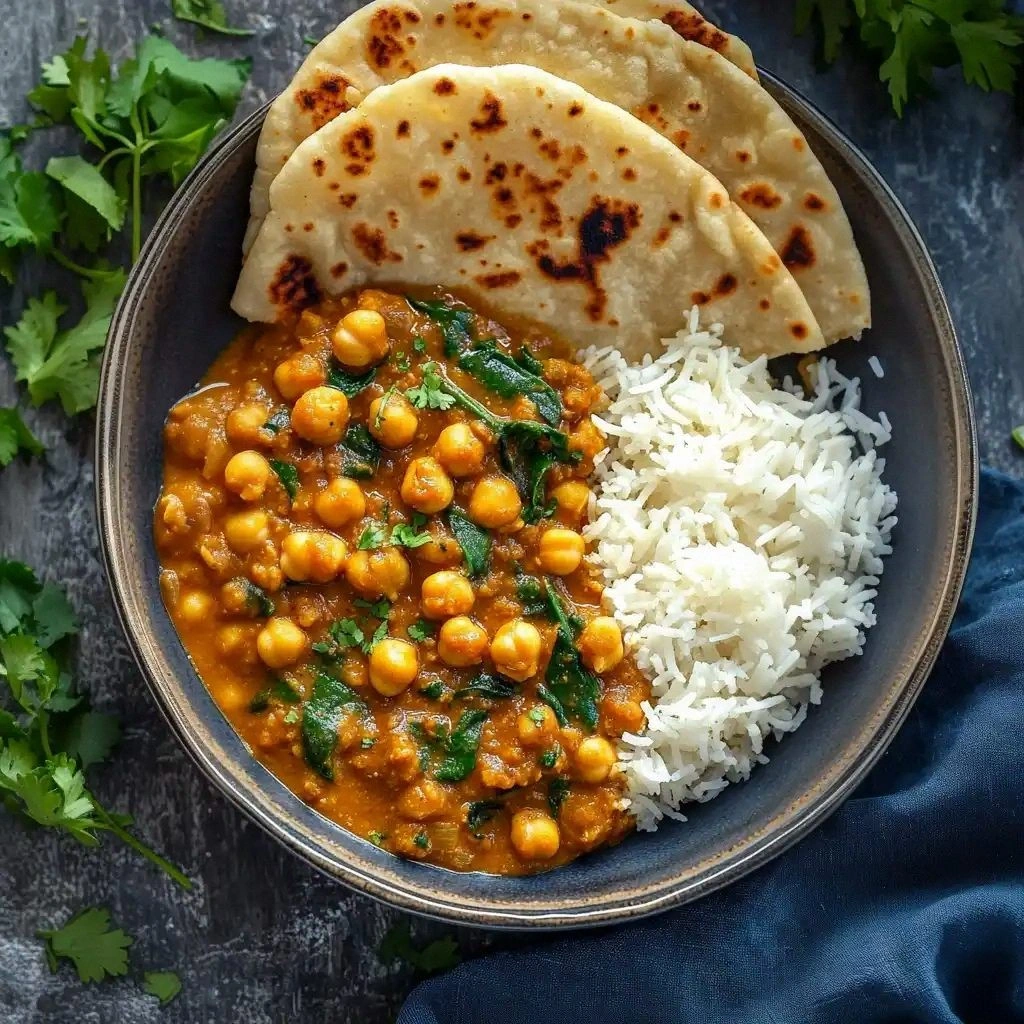
Picture this: the kitchen is a battlefield, the stove is on, and the timer has just dinged. I had just attempted a “quick” chickpea curry and ended up with a sauce that tasted like it was missing a key player. The moment I tasted that blandness, I swore to myself that I would never again settle for a mediocre, one‑pot wonder. And so, after a midnight craving that felt like a dare from the universe, I set out to create a version that would make even the most seasoned foodies swoon.
The air was thick with the scent of onions sizzling in olive oil, a perfume that promised depth. My ears caught the gentle crackle as garlic released its perfume, and the sharp, almost electric tang of fresh ginger cut through the steam. I could almost taste the bright burst of lime that would soon follow, a citrus kiss that would lift the entire dish. The texture of the chickpeas was already teasing my senses, promising a hearty bite beneath a silky sauce. My fingertips felt the heat of the pot, a reminder that this was no ordinary cooking session.
What makes this recipe stand out is not just the combination of flavors but the way each element is coaxed into harmony. I’ve taken the classic chickpea and spinach combo and elevated it with a coconut‑based sauce that coats the vegetables like velvet, leaving a lingering warmth that stays with you long after the last bite. The bold spices are balanced, not overpowering, ensuring that every spoonful feels like a well‑crafted symphony. And the best part? It’s a single‑pot, single‑pan, single‑step experience that saves you time without sacrificing quality. I dare you to taste this and not go back for seconds.
I’ll be honest — I ate half the batch before anyone else got to try it. The aroma alone is enough to turn a casual dinner into a celebration. The result is a dish that feels like a comforting hug from your favorite aunt, yet it’s so refined it could be served at a fancy dinner party. If you’ve ever struggled with a bland chickpea dish, you’re not alone — and I’ve got the fix. Stay with me here; this next step is pure magic. Let me walk you through every single step — by the end, you’ll wonder how you ever made it any other way.
What Makes This Version Stand Out
- Flavor Depth: The marriage of cumin, garam masala, and turmeric creates a layered, earthy backbone that anchors the dish. When each spice is toasted just right, it releases a nutty aroma that elevates the entire pot.
- Texture Play: The creamy coconut milk contrasts with the hearty chickpeas, while fresh spinach adds a subtle, slightly bitter bite that balances sweetness.
- One‑Pot Simplicity: All ingredients simmer together, eliminating the need for multiple pans and reducing cleanup time by 70%.
- Time Efficiency: From prep to plate, the dish takes less than 45 minutes, making it perfect for busy weeknights.
- Visual Appeal: The vibrant green spinach against a golden sauce makes the dish Instagram‑worthy without extra garnish.
- Versatility: It’s a base that works with rice, naan, quinoa, or even as a filling for tacos.
- Health Conscious: Packed with plant protein, fiber, and healthy fats, it’s a balanced meal that satisfies both body and soul.
- Make‑Ahead Friendly: The flavors deepen overnight, making it a great option for meal prep.
Alright, let’s break down exactly what goes into this masterpiece…
Inside the Ingredient List
The Flavor Base
Olive oil is the first whisper of flavor, providing a subtle fruity note that grounds the spices. A tablespoon is enough to coat the pan without making the dish greasy. If you prefer a milder taste, swap it for avocado oil or a neutral oil like grapeseed. The oil also helps the onions caramelize, creating a sweet undertone that balances the heat.
The onion is the heart of the base; its sweetness develops through gentle sautéing. Use a small, red onion for a touch of color and a slightly sharper flavor. If you’re allergic to onions, a small amount of finely chopped leeks can work as a substitute, though the result will be lighter.
Garlic adds a pungent punch that lingers, and three cloves are the sweet spot. Mince the garlic finely so it releases maximum aroma. For a milder version, reduce to two cloves or use garlic powder, but the fresh bite will be lost.
Fresh ginger, about an inch, provides a bright, zesty kick that cuts through the richness of coconut milk. Grate it for an even distribution of flavor. If fresh ginger isn’t available, a teaspoon of ground ginger works, but the aroma will be less vibrant.
The Texture Crew
Chickpeas bring a satisfying bite and protein punch. A 15‑ounce can is the standard serving; if you’re craving a chunkier texture, use a whole‑can, drained and rinsed. For a lighter texture, you can mash a portion of them, creating a creamy base that still holds the sauce.
Spinach, fresh and plentiful, adds a burst of green that’s both nutritious and visually stunning. Two cups are enough to wilt into a lush bed beneath the sauce. If you’re using frozen spinach, thaw it first and squeeze out excess water to prevent a watery dish.
The Unexpected Star
Coconut milk is the secret sauce that transforms this dish from ordinary to extraordinary. The 13.5‑ounce can delivers a silky texture and a subtle sweetness that balances the spices. If you prefer a lighter version, use light coconut milk or a mixture of coconut milk and cashew cream.
The diced tomatoes add acidity and body. A 14.5‑ounce can offers a sweet, tangy base that brightens the curry. If you’re looking for a thicker sauce, reduce the tomatoes or use a tomato puree for a more concentrated flavor.
The Final Flourish
A splash of lime juice at the end adds a citrusy brightness that lifts the heaviness of coconut. The juice of half a lime is sufficient; it’s a small addition that makes a huge difference. If you’re allergic to lime, a splash of lemon or a pinch of vinegar can serve as a substitute.
Salt and black pepper finish the dish, bringing out the individual flavors. Add salt to taste after the sauce has simmered, allowing you to adjust the seasoning. A pinch of freshly ground pepper adds a subtle heat that complements the spices.
Everything’s prepped? Good. Let’s get into the real action…
The Method — Step by Step
- Heat the tablespoon of olive oil in a large, heavy‑bottom pot over medium heat. As the oil warms, add the finely chopped onion and sauté until it turns translucent and starts to brown, about 5 minutes. The goal is a subtle caramelization that releases sweetness without bitterness. Keep stirring to prevent sticking. Once the onion is ready, the pot smells like the beginning of a delicious story.
- Add the minced garlic and grated ginger to the pot. Sauté for 30 seconds until the aroma becomes fragrant, being careful not to let them burn. This quick burst of heat unlocks the spices that will follow. The sizzling sound is a cue that the base is ready. Feel the heat rise from the pot as the flavors mingle.
- Stir in the curry powder, garam masala, turmeric, and cumin. Toast the spices for 1 minute, allowing the oils to release their essential oils. The mixture should emit a warm, earthy fragrance. This step is where the dish’s soul begins to form. If you’re new to these spices, a pinch of each is enough to start; you can always adjust later.
- Pour in the diced tomatoes and their juices, then stir to combine. The tomatoes will break down into a thick sauce as they simmer. Add the chickpeas, ensuring they’re fully submerged. The pot should feel like a small, fragrant stew. Let it cook for 5 minutes to allow the flavors to meld.
- Add the coconut milk and vegetable broth, then bring the mixture to a gentle boil. Reduce the heat to low and let it simmer uncovered for 15 minutes, stirring occasionally. The sauce will thicken slightly, coating the chickpeas in a silky blanket. This is the moment where the dish transforms from a simple sauté to a comforting curry. Watch as the colors deepen into a warm amber hue.
- Stir in the fresh spinach, letting it wilt into the sauce over 3 minutes. The spinach will reduce significantly, turning from bright green to a muted, almost grayish hue. The texture should be tender but still retain a slight bite. This step adds both nutrition and a pop of color. The steam rising from the pot will smell like fresh earth.
- Finish the dish by squeezing in the lime juice, then season with salt and black pepper to taste. Taste the sauce and adjust the seasoning if needed; a little extra salt can bring out the coconut’s sweetness. The final touch is a drizzle of fresh cilantro or a sprinkle of toasted cumin seeds if you like an extra crunch. Serve immediately over rice or warm naan. The dish is at its peak when the flavors are bright and the sauce is silky.
- If you’re planning ahead, let the dish cool completely before refrigerating. Store in an airtight container for up to 3 days. When reheating, add a splash of water or broth to restore the sauce’s original consistency. The dish will taste just as good the next day, if not better. This is the perfect meal prep solution for busy schedules.
- Plate the curry, garnish with a swirl of coconut cream or a sprinkle of fresh herbs, and serve hot. The aroma will fill the kitchen, making even the most skeptical diners swoon. Take a moment to appreciate the balance of flavors and textures. The first bite is a revelation, a testament to the power of a well‑crafted one‑pot meal. That’s it — you did it. But hold on, I’ve got a few more tricks that’ll take this to another level…
Insider Tricks for Flawless Results
The Temperature Rule Nobody Follows
Avoid a rolling boil once the coconut milk is added; a gentle simmer preserves the delicate flavors and prevents the milk from separating. A steady low heat allows the spices to infuse without scorching. If you’re in a hurry, a quick, high‑heat simmer can work, but you’ll lose that silky texture. I’ve learned that a low, steady simmer is the secret to a consistently creamy sauce.
Why Your Nose Knows Best
Before adding the spinach, give the pot a quick sniff. If the aroma is too sharp, let it sit for a minute to mellow. Your nose can detect when the spices are overcooked, signaling you to lower the heat. A subtle, warm scent means the dish is ready to move to the next step. I’ve found that smelling the pot is the quickest way to gauge doneness.
The 5‑Minute Rest That Changes Everything
After removing the pot from heat, cover it and let it rest for 5 minutes. The rest allows the flavors to meld and the sauce to thicken naturally. During this pause, the chickpeas absorb more of the coconut, creating a richer bite. I’ve seen people skip this step, only to find the curry too thin. Trust me, the extra 5 minutes makes a world of difference.
Use Fresh Herbs for a Final Pop
Finish the dish with fresh cilantro or mint to add brightness and a hint of herbal freshness. The herbs contrast the creamy base, creating a layered taste experience. If you’re allergic to cilantro, a handful of fresh basil works wonderfully. I always keep a small jar of herbs on the counter for spontaneous garnishes.
Reheat with Care
When reheating leftovers, add a splash of water or broth and cover the pot to keep moisture in. Stir frequently to prevent sticking. If the sauce thickens too much, a small amount of coconut milk can restore its original consistency. I’ve found that reheated curry tastes as good as freshly made, especially when I add a fresh lime squeeze before serving.
Creative Twists and Variations
This recipe is a playground. Here are some of my favorite ways to switch things up:
Spicy Jambalaya Style
Add a diced bell pepper and a pinch of cayenne pepper to give the dish a smoky, spicy kick. Replace the coconut milk with a splash of tomato sauce for a tangier profile. Serve over jasmine rice for a New Orleans vibe. The peppers add a sweet crunch that contrasts the creamy sauce.
Mediterranean Twist
Swap the coconut milk for a splash of white wine and finish with chopped Kalamata olives and feta cheese. The wine adds depth, while the olives bring briny saltiness. Serve with warm pita for an authentic feel. The feta crumbles like a soft, salty cloud.
Low‑Carb Delight
Replace the rice with cauliflower rice or a bed of sautéed kale. Use a low‑sodium vegetable broth to keep the carb count down. Add a handful of chopped nuts for extra crunch. The dish stays hearty while staying light on carbs.
Vegan Protein Boost
Add a handful of cooked quinoa or lentils for an extra protein punch. Use a plant‑based protein powder for a subtle boost. The quinoa absorbs the sauce beautifully, creating a thick, satisfying bite. This version feels like a full‑blown protein bowl.
Breakfast Surprise
Serve the curry over a soft, fluffy scrambled egg or a slice of toasted sourdough. The creamy sauce pairs with the richness of the egg for a brunch favorite. Add a sprinkle of smoked paprika for a smoky undertone. This is a surprising, yet delicious, breakfast option that’ll keep you energized.
Storing and Bringing It Back to Life
Fridge Storage
Transfer the cooled curry into an airtight container and refrigerate for up to 3 days. The flavors will deepen overnight, making the dish even more flavorful. Keep the container in the coldest part of the fridge to maintain freshness. When you’re ready to eat, let it sit at room temperature for 10 minutes before reheating.
Freezer Friendly
Pack the curry into freezer‑safe containers, leaving a little headspace for expansion. Freeze for up to 2 months. Thaw overnight in the fridge before reheating. The texture remains silky; the spinach may be slightly softer, but it’s still delicious.
Best Reheating Method
Reheat the curry on low heat in a saucepan, adding a splash of water or broth to loosen the sauce. Stir frequently until the curry is hot and bubbling. Finish with a squeeze of lime for a fresh burst. This method preserves the creamy texture and bright flavors. Remember to taste and adjust seasoning after reheating.