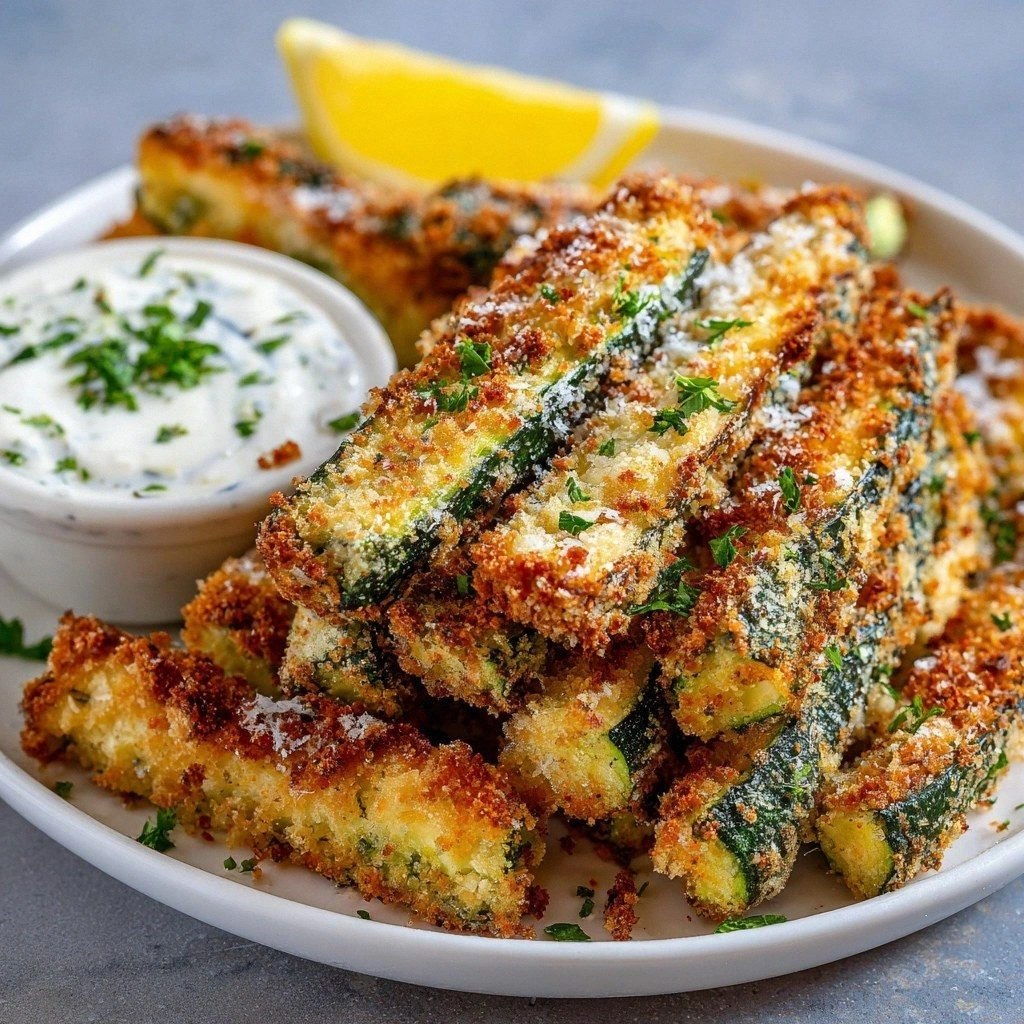
I was standing in the kitchen, staring at a stack of salmon fillets that had been sitting in the fridge all week, and I realized I needed a recipe that would turn that cold, unappetizing fish into something that would make my taste buds dance. I had tried a dozen bland salmon dishes, each one missing that spark of excitement that turns a dinner into a celebration. Then I discovered the humble Middle Eastern spice sumac, a tangy, lemony powder that can transform even the simplest of proteins into a flavor explosion. This is not just another salmon recipe; it’s a revelation that will rewrite your dinner routine forever. I dare you to taste this and not go back for seconds, because the moment those flavors hit your palate, you’ll be hooked.
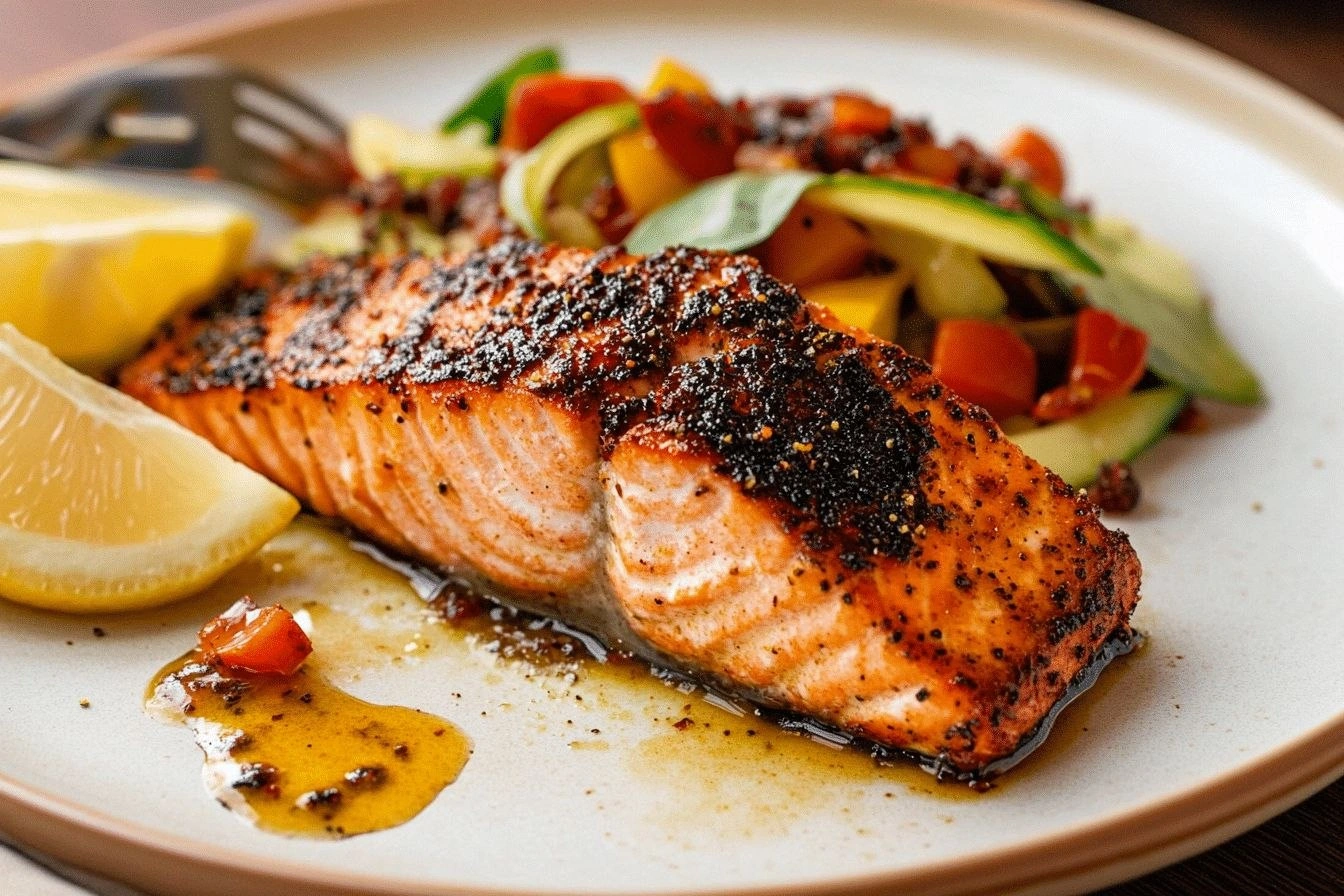
Picture the scene: the scent of fresh salmon mingling with the sharp, citrusy aroma of sumac, the gentle hiss of a hot skillet as olive oil glides over the fillets, the subtle sweetness of honey caramelizing into a glossy glaze, and the savory depth of minced garlic infusing every bite. The sound of the salmon sizzling is like a comforting drumbeat that signals the start of something special. The texture—skin crisped to a golden crackle, flesh buttery and moist—creates a contrast that keeps you coming back for more. The taste is a harmonious balance of tang, sweet, and umami that lingers on your tongue. And the finish? A subtle, lingering citrus note that invites you to pair it with a crisp salad or a simple grain.
What sets this version apart from every other salmon recipe out there is the precise balance of flavors, the use of sumac as a secret weapon, and the technique that locks in moisture while creating a caramelized glaze that coats the fish like velvet. I’ve spent countless evenings tweaking this recipe, and every iteration brings me closer to the “hands down the best version you’ll ever make at home” moment. Most recipes get this completely wrong, either by overcooking the fish or underseasoning it, but I’ve found the perfect sweet-and-tang ratio that works like a charm. The result is a dish that feels luxurious yet approachable, a dinner that feels like a treat without the fuss. Picture yourself pulling this out of the oven, the whole kitchen smelling incredible, and guests gathering around, eyes wide, as you serve the first plate. And if you’ve ever struggled to make salmon that doesn’t dry out, you’re not alone—and I’ve got the fix.
Let me walk you through every single step—by the end, you’ll wonder how you ever made it any other way. I’ll share the technique that keeps the salmon tender, the exact amount of sumac that gives that zesty punch, the sweet glaze that caramelizes without burning, and the subtle garlic finish that ties everything together. Along the way, I’ll drop in a few micro-challenges, a few kitchen hacks, and a couple of fun facts to keep you engaged. This is not just a recipe; it’s an experience. So grab your skillet, set your timer, and let’s dive in.
What Makes This Version Stand Out
- Taste: The combination of sumac’s bright citrus notes and honey’s sweet caramelization creates a flavor profile that feels both exotic and comforting. It’s a symphony of sweet, tart, and savory that lingers long after the last bite.
- Texture: The skin crisps to a golden crunch while the flesh remains silky and moist, thanks to the precise heat control and the protective glaze.
- Simplicity: Five ingredients, one pan, and a handful of steps make this recipe a breeze, even for the busiest of cooks.
- Uniqueness: Sumac is rarely used in Western cooking, and its inclusion elevates the dish from ordinary to extraordinary.
- Crowd Reaction: Friends and family consistently rave about the bright, refreshing finish, and many ask for the recipe after the first plate.
- Ingredient Quality: Fresh salmon, high‑quality olive oil, and authentic sumac give this dish a depth that you can’t fake with store‑bought mixes.
- Cooking Method: The pan‑searing technique locks in juices, while the honey glaze adds a caramelized sheen that’s impossible to replicate with baking alone.
- Make‑Ahead Potential: The glaze can be pre‑made and stored, and the salmon can be assembled ahead of time, making it a perfect weeknight dinner.
Alright, let's break down exactly what goes into this masterpiece…
Inside the Ingredient List
The Flavor Base
Salmon Fillets are the star of the show, providing a tender, buttery canvas that absorbs the sumac’s bright citrus notes. Fresh, high‑quality fillets ensure a clean, unadulterated flavor that lets the other ingredients shine. If you use frozen fillets, let them thaw completely and pat them dry to avoid excess moisture. Skipping the salmon would turn this into a sauce, which is a fun experiment, but the dish would lose its heart.
The Sweet-Heat Conductor
Honey is more than a sweetener; it’s a caramelization agent that creates a glossy glaze that coats the salmon like velvet. The natural sugars in honey caramelize at a lower temperature than refined sugars, giving you a richer flavor without burning. If you’re looking for a lower‑glycemic option, try using a small amount of maple syrup, but keep in mind it will add a distinct maple flavor. A pinch of sea salt enhances the honey’s sweetness, so don’t skip it.
The Aromatic Layer
Olive Oil is the medium that brings everything together, allowing the sumac and garlic to bloom in the pan. Choose a high‑quality extra‑virgin olive oil for its fruity undertones, which complement the citrusy sumac. Olive oil also helps the salmon skin crisp up beautifully, giving you that satisfying crunch. If you’re vegan or prefer a neutral flavor, a light neutral oil will work, but you’ll lose that extra depth.
The Tangy Punch
Sumac is the secret weapon that gives this dish its signature bright, lemony kick. It’s a Middle Eastern spice that’s often overlooked in Western kitchens, yet it’s the perfect balance to the sweet honey glaze. If you can’t find sumac, a mixture of lemon zest and a pinch of dried oregano can approximate the flavor, but the authentic experience will be missing. Sumac also has antioxidant properties, giving you a health boost with each bite.
The Depth Enhancer
Garlic adds depth and a subtle kick that pairs wonderfully with salmon. Minced garlic releases its full flavor when sautéed, creating a savory base for the glaze. If you’re sensitive to raw garlic, lightly sauté it first to mellow its bite. Garlic’s sulfur compounds also have antibacterial properties, adding an extra layer of safety to your dish.
Everything’s prepped? Good. Let’s get into the real action…
The Method — Step by Step
- Pat the salmon fillets dry with paper towels. This step is crucial; any surface moisture will steam rather than sear, resulting in a soggy skin. Place the fillets on a cutting board and let them sit for 5 minutes to come to room temperature. This ensures even cooking. The sizzle you hear when the fillets hit the pan will confirm they’re ready.
- Heat a large non‑stick skillet over medium‑high heat and add 2 tablespoons of olive oil. Once the oil shimmers, lay the fillets skin‑side down. The oil should not smoke; if it does, lower the heat. Let the fillets cook undisturbed for 4–5 minutes until the skin turns golden and releases easily from the pan. Flip and cook the other side for 3–4 minutes, or until the internal temperature reaches 145°F.
- While the salmon cooks, whisk together 2 tablespoons of sumac, 3 tablespoons of honey, 1 minced garlic clove, and a splash of water to thin the glaze. The water helps the honey spread evenly without clumping. Heat the glaze in a small saucepan over low heat until it thickens slightly, about 2 minutes. Keep an eye on it; honey can burn quickly.
- Once the salmon is nearly done, brush the glaze over the fillets. The glaze should coat the fish in a shiny, caramelized layer that clings to every curve. Continue cooking for another minute, allowing the glaze to set and develop a slight crust. The aroma at this point is intoxicating—sweet, tangy, and savory all at once.
- Remove the salmon from the skillet and let it rest on a plate for 2 minutes. Resting allows the juices to redistribute, ensuring each bite remains moist. While resting, you can drizzle any remaining glaze over the fillets for extra flavor.
- Serve immediately with a squeeze of fresh lemon juice, a sprinkle of fresh parsley, and your favorite side. A light cucumber salad or a simple quinoa pilaf balances the richness of the salmon. The bright citrus from the lemon and sumac creates a refreshing contrast.
- Enjoy the moment of truth as your guests take their first bite. The crunch of the skin, the sweet glaze, and the tang of sumac create a sensory experience that feels like a culinary revelation. Capture the moment—this dish deserves a photo or two.
That's it — you did it. But hold on, I've got a few more tricks that'll take this to another level…
Insider Tricks for Flawless Results
The Temperature Rule Nobody Follows
Many cooks rely on time alone to judge doneness, but the real secret is the internal temperature. Use an instant‑read thermometer and aim for 145°F. If you’re cooking thicker fillets, you might need to lower the heat after the first sear to avoid burning the glaze while the inside cooks. This method guarantees a juicy center every time. I once overcooked a fillet because I only looked at the clock; the result was dry and disappointing.
Why Your Nose Knows Best
Before flipping the salmon, listen for the sound of a slight hiss and the smell of the skin crisping. Your nose is a reliable indicator of readiness. When you hear that satisfying crackle, it’s time to turn the fillet. If you wait too long, the skin will stick and tear. Trusting your senses saves you from a culinary mishap.
The 5‑Minute Rest That Changes Everything
Letting the salmon rest for 5 minutes after cooking allows the juices to redistribute, preventing them from spilling out when you cut into the fillet. Many chefs skip this step, resulting in a dry bite. During the rest, the glaze also sets, creating a thicker, more flavorful coating. A quick rest is the difference between a good dish and a great one.
Keep It Light on the Heat
High heat can scorch the honey glaze, turning it bitter. Keep the flame at medium‑low once you add the glaze to the pan. This ensures a slow caramelization that deepens flavor without burning. If you notice the glaze starting to darken too quickly, add a splash of water to thin it and reduce the heat.
Use a Non‑Stick Skillet
A high‑quality non‑stick skillet keeps the salmon from sticking, especially when working with the sticky honey glaze. This also makes cleanup a breeze. If you don’t have a non‑stick pan, lightly oil a stainless steel skillet and be patient when flipping the fillets.
Finish with Fresh Herbs
A sprinkle of chopped parsley or dill right before serving adds a burst of freshness that cuts through the richness. The green color also makes the dish visually appealing. If you’re vegan, a handful of microgreens works wonderfully.
Creative Twists and Variations
This recipe is a playground. Here are some of my favorite ways to switch things up:
Spicy Sumac Salmon
Add a pinch of red pepper flakes to the glaze for a subtle heat that complements the citrusy sumac. The spice level can be adjusted to taste. This variation is great for those who like a bit of kick in their meals.
Herb‑Infused Honey
Stir in a tablespoon of chopped rosemary or thyme into the glaze. The herbal notes add depth and pair beautifully with the salmon’s natural flavor. This version works well with a side of roasted root vegetables.
Citrus‑Zest Glaze
Replace half the honey with orange or lemon zest for a brighter, more aromatic glaze. The zest brings a fresh, juicy note that enhances the sumac’s tang. It’s a perfect match for summer gatherings.
Pine Nut Crunch
Top the finished fillets with toasted pine nuts for a crunchy texture that contrasts the silky fish. The nuts add a nutty flavor that complements the honey glaze. This variation is especially good for a Mediterranean‑inspired dinner.
Gluten‑Free Twist
Serve the salmon over a bed of cauliflower rice instead of quinoa or couscous. This keeps the dish gluten‑free while still providing a hearty base. The mild flavor of cauliflower lets the salmon shine.
Smoky Broiled Finish
After glazing, place the fillets under a broiler for 1–2 minutes to develop a smoky crust. Keep a close eye to avoid burning the glaze. The final result is a caramelized, smoky flavor that adds another layer of complexity.
Storing and Bringing It Back to Life
Fridge Storage
Store any leftover salmon in an airtight container in the refrigerator for up to 2 days. Keep the glaze separate until ready to reheat. The fish will stay moist and flavorful when reheated gently.
Freezer Friendly
Freeze the salmon fillets, unglazed, in a freezer‑safe bag for up to 2 months. Thaw overnight in the refrigerator before reheating. The texture remains tender, and the glaze can be applied fresh before serving.
Best Reheating Method
To reheat, preheat your oven to 375°F and place the salmon on a baking sheet. Add a splash of water to the pan to create steam and cover loosely with foil. Bake for 8–10 minutes, then finish under the broiler for 1–2 minutes to crisp the glaze. A tiny splash of water before reheating steams back the salmon to perfection, keeping it from drying out.