Picture this: I was halfway through a week‑long cooking marathon, feeling like a culinary hamster on a wheel, when the kitchen clock struck midnight and my pantry whispered a single, irresistible promise—whole chicken, a splash of white wine, and a handful of herbs. The idea of turning a humble poultry staple into a show‑stopper was born in that electric moment. I was determined to coax every flavor into a single, unforgettable plate.
I was not just cooking; I was orchestrating a symphony. The chicken, when it first hit the pan, released a sizzling chorus that echoed against the stainless steel. The aroma of butter, garlic, and fresh sage rose like a fragrant mist, while the faint tang of white wine cut through the richness, promising something more than a simple roast. The sight of the potatoes browning into golden jewels added a visual promise of comfort.
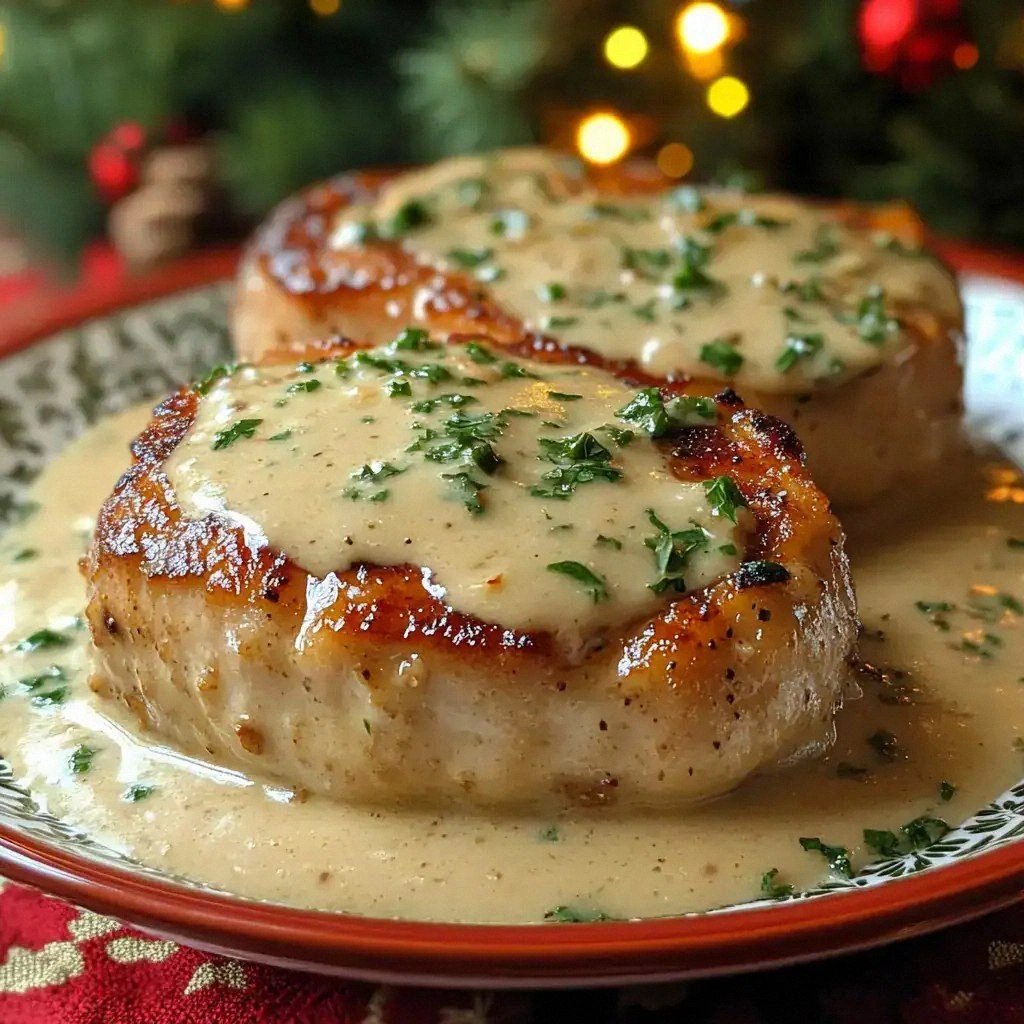
This isn’t your run‑of‑the‑mill roasted chicken. The sauce is a creamy, silky masterpiece that coats the meat like velvet, turning each bite into a moment of pure indulgence. The mushrooms add earthy depth, the shallots provide a subtle sweetness, and the herbs whisper their magic through every forkful. I dare you to taste this and not go back for seconds.
If you’ve ever struggled with a chicken that turns out dry or a sauce that clumps, you’re not alone—and I’ve got the fix. I’ll walk you through every single step, from the first sear to the final drizzle, so by the end you’ll wonder how you ever made it any other way.
What Makes This Version Stand Out
- Taste: The sauce marries the acidity of white wine with the richness of cream, creating a balance that sings on the palate.
- Texture: The chicken’s skin crisps to a golden crunch while the inside stays juicy, and the potatoes become tender with a caramelized edge.
- Ingredient Quality: Using a whole chicken with fresh herbs ensures depth; no shortcuts, just pure flavor.
- Simple Method: One pan roast, one sauce, no complicated steps—yet the outcome feels gourmet.
- Crowd Reaction: Guests leave asking for the recipe, and I’ve found myself repeatedly serving it at holiday gatherings.
- Make‑ahead Potential: The sauce can be prepared ahead of time, and the chicken can be re‑heated without losing its crispness.
Inside the Ingredient List
The Flavor Base
The foundation of this dish is the aromatics: garlic, shallots, and celery. They sauté in butter until translucent, releasing a sweet, savory undertone that permeates the chicken. If you skip this step, the sauce will taste flat, like a plain broth. For a vegan version, replace butter with olive oil and use a plant‑based milk for the cream.
The Texture Crew
Potatoes are the unsung heroes that soak up the sauce. Baby yellow potatoes hold their shape and provide a buttery bite that contrasts the tender chicken. If you prefer a lighter option, swap them for sweet potato rounds or use cauliflower florets. Always cut the potatoes into uniform pieces to ensure even cooking.
The Unexpected Star
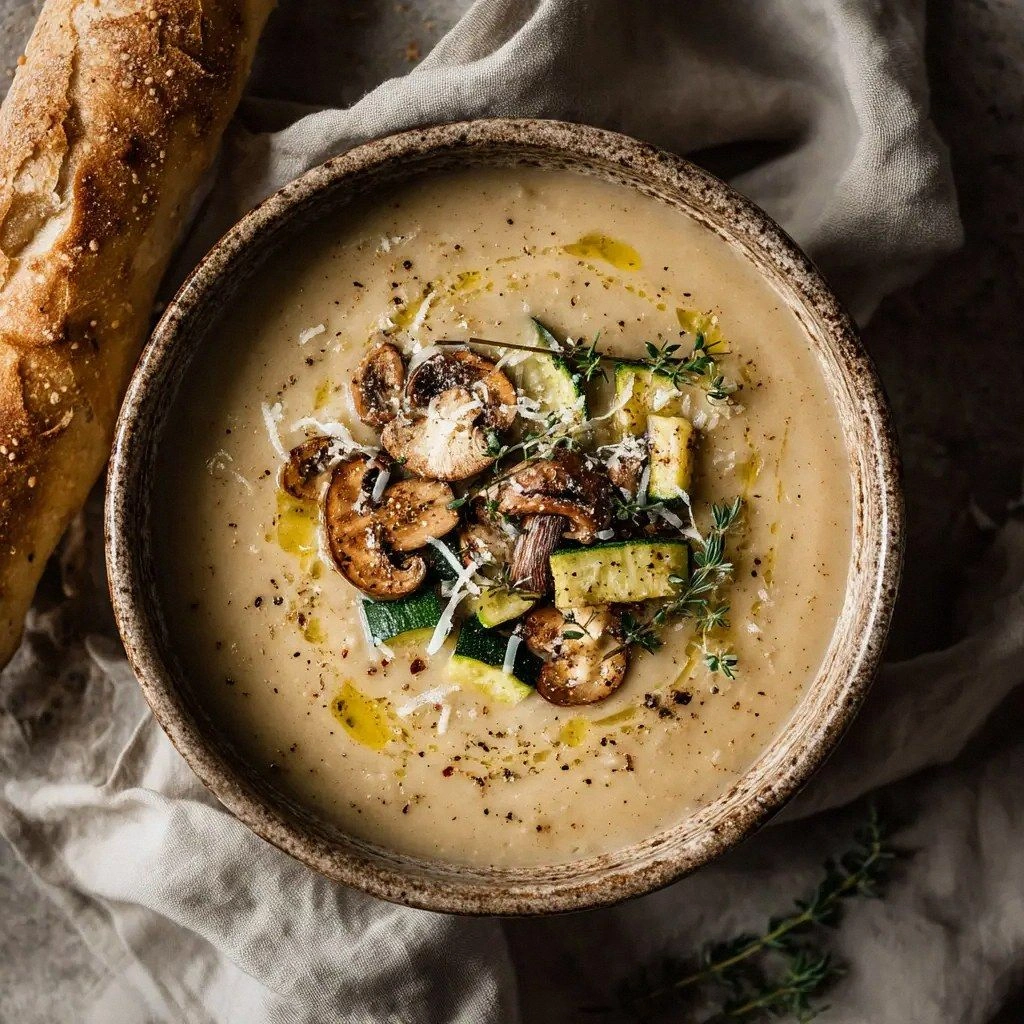
Brown mushrooms bring an earthy depth that elevates the dish. Their umami flavor acts as a bridge between the herbs and the creamy sauce. If mushrooms are out of season, consider using dried porcini rehydrated in wine for an intensified flavor profile.
The Final Flourish
All‑purpose flour thickens the sauce, turning it from a simple reduction into a velvety coating. A light dusting of flour also helps the chicken skin crisp up. For a gluten‑free version, substitute with cornstarch or arrowroot powder. If you want a richer sauce, add a spoonful of Dijon mustard to brighten the flavor.
Everything’s prepped? Good. Let’s get into the real action.
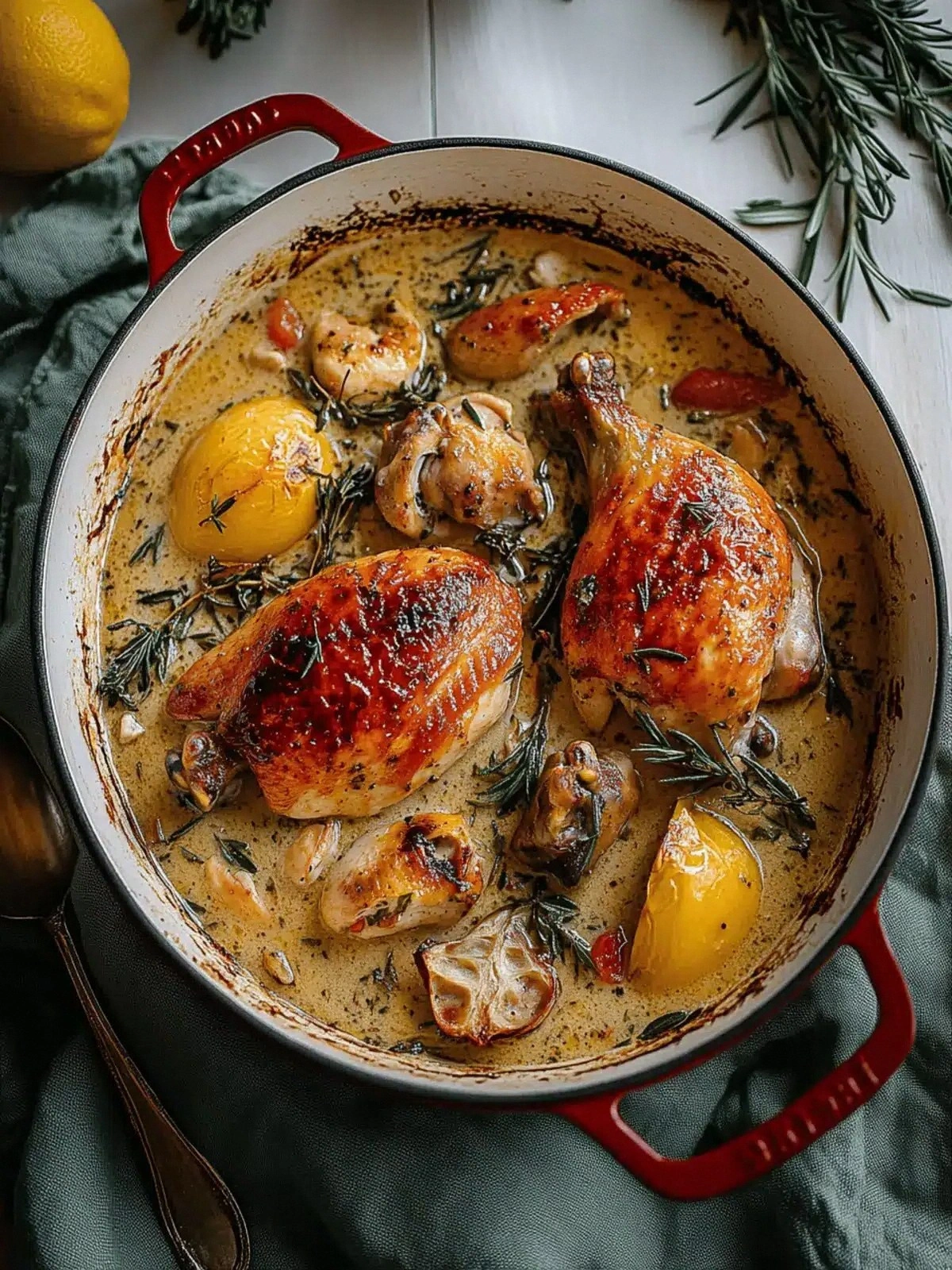
The Method — Step by Step
- Preheat your oven to 425°F (220°C). Pat the chicken dry with paper towels; this is the first step toward a crisp skin. Sprinkle 2 teaspoons of kosher salt and ½ teaspoon of black pepper all over the bird, making sure to season the cavity as well. Let it sit at room temperature for 15 minutes—this helps the heat distribute evenly.
- Melt 4 tablespoons of salted butter in a large, oven‑proof skillet over medium heat. Add the sliced shallots, diced celery, and minced garlic. Sauté until the vegetables soften and the garlic is fragrant, about 3–4 minutes. This forms the aromatic base that will infuse the chicken.
- Place the chicken breast‑side down in the skillet. Sear for 5 minutes until the skin turns a deep golden brown. Flip the chicken, then add the mushrooms, sage, and parsley. Sear for an additional 4 minutes, letting the herbs release their oils.
- Deglaze the pan with 1 cup of dry white wine, scraping up any browned bits. The wine should reduce by half, concentrating its flavor and creating a rich base for the sauce. Watch the liquid closely; when it’s almost gone, the pan should smell like a warm summer garden.
- Stir in ¼ cup of all‑purpose flour, whisking until the mixture becomes a smooth paste. Cook for 2 minutes to eliminate the raw flour taste. This roux will thicken the sauce and give it a silky mouthfeel.
- Add 2 cups of chicken stock and ½ cup of cream, whisking constantly. The sauce should thicken into a glossy, velvety coating. Adjust the consistency with more stock if it becomes too thick, or more cream if you desire extra richness.
- Arrange the baby yellow potatoes around the chicken in the skillet. Spoon some sauce over the potatoes, ensuring they’re well coated. Transfer the skillet to the preheated oven and roast for 45 minutes, or until the chicken reaches an internal temperature of 165°F (74°C) and the potatoes are tender.
- When the chicken is done, remove it from the skillet and let it rest for 10 minutes. This allows the juices to redistribute, keeping the meat moist. While the chicken rests, let the sauce simmer on the stove for 5 minutes to reduce to your desired thickness.
- Serve the chicken sliced, with potatoes and sauce ladled over the top. Garnish with a sprinkle of fresh parsley for a bright finish. That sizzle when it hits the pan? Absolute perfection.
That’s it—you did it. But hold on, I’ve got a few more tricks that will take this to another level.
Insider Tricks for Flawless Results
The Temperature Rule Nobody Follows
Many chefs roast at a steady 400°F, but I’ve found that a high initial heat of 425°F followed by a lower temperature of 375°F during the last 20 minutes yields a skin that’s both crisp and tender. This technique ensures the juices stay inside while the exterior caramelizes.
Why Your Nose Knows Best
Before you pull the chicken out of the oven, give it a quick sniff. A sharp, buttery aroma indicates the sauce has reduced enough. If it still smells like raw stock, let it roast a little longer.
The 5‑Minute Rest That Changes Everything
Resting the chicken isn’t just a courtesy—it allows the internal juices to redistribute, preventing the meat from drying out when sliced. I’ve seen people skip this step and end up with a dry bite; trust me, it’s worth the pause.
Layered Flavor with the Herbs
Sage and parsley are the star herbs, but adding a pinch of thyme or rosemary during the sear adds an extra layer of complexity. The key is to add them early so they have time to release their oils.
Potato Prep for Perfect Texture
Cutting the potatoes into equal 1‑inch pieces ensures they cook evenly. Toss them in a little olive oil and a pinch of salt before roasting to help them caramelize.
Creative Twists and Variations
This recipe is a playground. Here are some of my favorite ways to switch things up:
Herb‑Infused Creamy Sauce
Replace the fresh sage with a handful of basil or oregano for a Mediterranean flair. The sauce will take on a bright, herbaceous profile that pairs wonderfully with grilled vegetables.
Spicy Kick
Add a pinch of cayenne pepper or a dash of hot sauce to the sauce for a subtle heat. This works especially well with the earthy mushrooms, creating a balanced bite.
Cheesy Delight
Stir in ½ cup of grated Gruyère or Parmesan into the sauce just before serving. The cheese melts into the cream, adding a nutty depth that elevates the dish.
Vegetarian Version
Swap the chicken for a large portobello mushroom cap or a whole roasted cauliflower head. Keep the same sauce, and you’ll have a hearty, plant‑based centerpiece.
Breakfast Twist
Serve the sauce over a bed of sautéed spinach and top with a fried egg for a brunch‑ready dish. The creamy sauce and herbs pair beautifully with the richness of the yolk.
Gluten‑Free Adaptation
Use a gluten‑free flour blend or cornstarch to thicken the sauce, and ensure the chicken is free from any breading. The dish remains comforting without the gluten.
Storing and Bringing It Back to Life
Fridge Storage
Cool the chicken and sauce completely before refrigerating. Store them separately in airtight containers for up to 3 days. When ready to eat, reheat the chicken in a skillet until warm, then add the sauce and heat through.
Freezer Friendly
Freeze the chicken pieces and sauce in separate freezer bags. They’ll keep for up to 4 weeks. Thaw overnight in the fridge, then reheat as described above.
Best Reheating Method
Reheat the sauce on low heat, stirring frequently to prevent separation. Add a splash of water or stock if the sauce thickens too much; this steams it back to perfection.