I still remember the Great Potato Fiasco of 2019 like it happened yesterday. There I was, hosting my first proper dinner party, armed with nothing but misplaced confidence and a Pinterest recipe that promised "fool-proof crispy potatoes." What emerged from my oven was a tray of sad, pale nubs that tasted like disappointment with a hint of regret. My guests politely chewed through them while I died inside. Fast forward through three months of obsessive testing, countless bags of potatoes, and one very concerned partner asking if we could please eat something other than roasted tubers for dinner — and here we are. I've cracked the code for Parmesan roast potatoes so good, so outrageously crispy and addictive, that my neighbor once knocked on my door at 10 PM demanding to know what I was cooking.
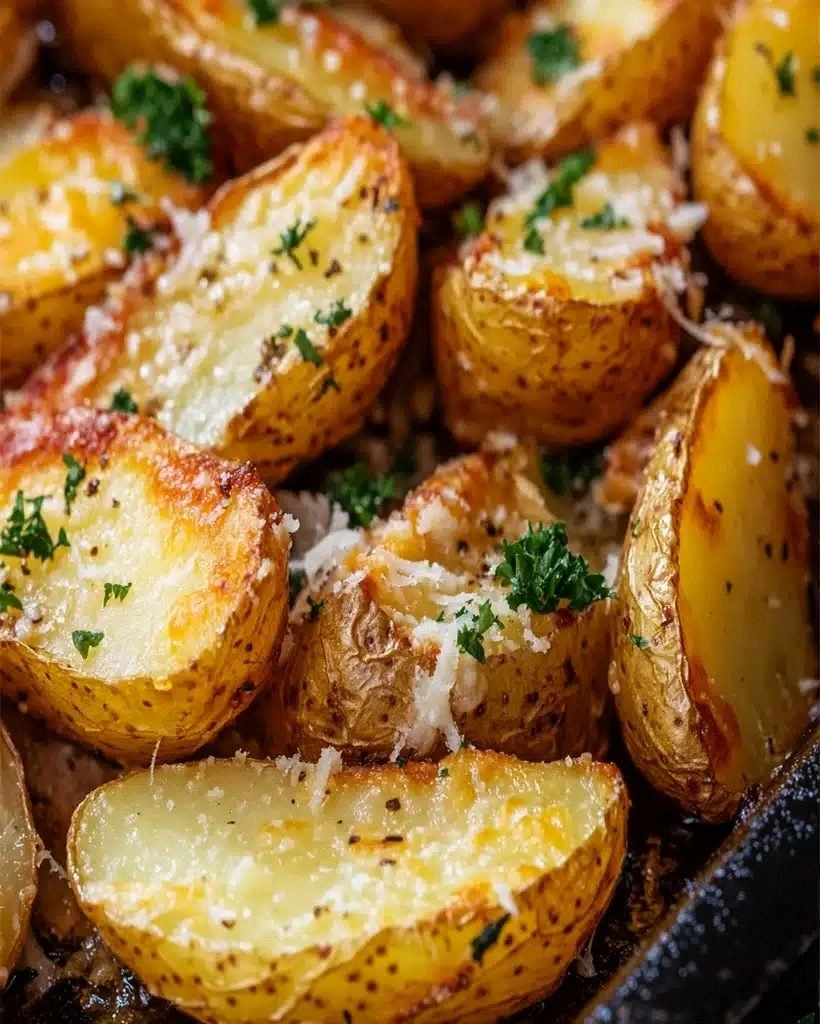
The secret isn't just the Parmesan (though we'll get to that glorious detail in a moment). It's a combination of techniques that most recipes completely overlook — the temperature dance, the timing of when to add the cheese, and one absolutely game-changing step involving cornstarch that transforms humble spuds into golden nuggets of pure joy. Picture this: potatoes that shatter like thin ice when you bite them, revealing fluffy clouds inside, each cube wearing a lace-thin coat of caramelized Parmesan that tastes like the best part of a grilled cheese sandwich. That sizzle when they hit the pan? Absolute perfection.
Here's the thing — I've made these for picky toddlers, food snobs who refuse to eat anything that isn't Michelin-starred, and my Italian nonna who once told me my lasagna was "an insult to her ancestors." Every single person has gone back for thirds. I dare you to taste these and not immediately start planning your next batch. The best part? While they taste like something you'd pay twenty bucks for at a trendy gastropub, they cost about three dollars to make and require zero fancy equipment beyond a good knife and a baking sheet.
What really sets this recipe apart is how it treats Parmesan not as a garnish, but as a full co-star that transforms during roasting. Instead of just sprinkling cheese on top at the end (which creates that sad, clumpy mess we've all experienced), we add it at the perfect moment so it melts, crisps, and essentially creates a savory caramel around each potato cube. Stay with me here — this is worth it. By the time we're done, you'll understand exactly why most roast potato recipes leave you with mediocre results, and you'll have a foolproof method that works every single time. Let me walk you through every single step — by the end, you'll wonder how you ever made it any other way.
What Makes This Version Stand Out
Shatter-Crisp Exterior: We're talking about edges so crispy they make a distinctive crackling sound when you bite them, achieved through a combination of parboiling, roughing up the surfaces, and a cornstarch coating that creates micro-blisters during roasting. Most recipes skip this step and wonder why their potatoes are merely golden instead of gloriously crunchy.
Cheese Integration Magic: Instead of just melting Parmesan on top, we add it at the precise moment when it can melt and then caramelize into a lace-thin crust that adheres to every surface. This creates those irresistible frico-like edges that taste like the best part of a grilled cheese sandwich.
Flavor Layering System: We season at three distinct points — during parboiling (salt penetrates deep), after tossing with oil (creates a seasoned coating), and post-roasting (fresh Parmesan and herbs for brightness). Most recipes season once and call it a day, leaving you with bland interiors and over-seasoned exteriors.
Foolproof Timing: By using a two-temperature roasting method, we guarantee perfect results whether you're making a half-sheet for two people or feeding a crowd. The initial high heat creates the crust, then we drop the temperature to cook the potatoes through without burning the cheese.
Make-Ahead Friendly: These actually get crispier if you parboil the potatoes up to two days ahead and keep them uncovered in the fridge. The cold, dry air creates an even better surface for crisping — a trick I discovered during my obsessive testing phase when I prepped too many potatoes.
Universal Crowd Pleaser: I've served these at everything from elegant dinner parties to backyard barbecues to game-day gatherings. They disappear faster than the main course, and I've literally watched people sneak the last few pieces into napkins when they thought no one was looking.
Economical Luxury: Using everyday potatoes and grocery store Parmesan, we create something that tastes like it came from a fancy restaurant. The whole tray costs less than a single appetizer at most places, but delivers that same satisfaction of indulging in something special.
Alright, let's break down exactly what goes into this masterpiece...
Inside the Ingredient List
The Foundation Players
Let's start with the potatoes because choosing the wrong variety is where most people doom themselves from the beginning. You want Yukon Golds, full stop. They're the Goldilocks of potatoes — not too waxy, not too starchy, with just enough natural sugar to caramelize beautifully while maintaining that fluffy interior. Russets fall apart and get mealy, while red potatoes stay too firm and don't develop those craggy surfaces that grab onto the cheese. Size matters too — medium potatoes about the size of your fist roast most evenly. If you can only find baby Yukons, just cut them in half instead of cubing them.
Olive oil might seem basic, but it's doing serious work here. You need a good quality extra virgin variety with a robust flavor that can stand up to high heat without burning. Cheap oil tastes like... well, cheap oil, and it'll leave your potatoes tasting flat. The oil needs to coat every surface but not pool in the pan — we're roasting, not frying. About three tablespoons for two pounds of potatoes hits the sweet spot.
The Cheese Department
Parmesan is obviously the star, but not all Parmesar is created equal. Skip the pre-grated stuff in the green can — it's mixed with cellulose to prevent clumping, which also prevents it from melting properly. You want real Parmigiano-Reggiano that you grate yourself on the fine side of a box grater. Fresh grated Parm melts into silky sheets that cling to the potatoes, then crisps into golden frico. The aged stuff (24-30 months) has the most complex flavor and best melting properties. If you're tempted to substitute with cheaper cheese, remember that Parmesan has a unique protein structure that allows it to crisp rather than just melt into goo.
The Flavor Amplifiers
Garlic powder rather than fresh garlic prevents burning while still giving that deep umami note. Fresh garlic would turn bitter at the temperatures we're using, but garlic powder disperses evenly and toasts beautifully. Same goes for onion powder — it adds that savory backbone without any harsh bite. Kosher salt is crucial because its larger crystals distribute more evenly and don't dissolve too quickly during the parboiling phase.
Black pepper gets added at two stages: a pinch in the parboiling water to season from within, and a generous crack after roasting for brightness. The pre-ground stuff is worthless here — you want freshly cracked peppercorns for their volatile oils that bloom when they hit the hot potatoes. Smoked paprika adds a subtle campfire note that makes people ask "what's that amazing flavor?" without being able to place it.
The Texture Transformers
Cornstarch is my secret weapon that I borrowed from Chinese cooking techniques. Just a teaspoon per pound of potatoes creates micro-blisters on the surface during roasting, multiplying the crispy surface area exponentially. It's the difference between nicely browned potatoes and ones that look like they're wearing golden armor. Baking powder works too but can leave a slight metallic taste if you're heavy-handed.
The Parmesan rinds I mentioned earlier aren't just for the hack — they add glutamates that make the potatoes taste more potato-y. It's like turning up the contrast on a photo, but for flavor. If you don't have rinds saved up, a teaspoon of mushroom powder or even a splash of soy sauce in the parboiling water achieves a similar effect.
Everything's prepped? Good. Let's get into the real action...
The Method — Step by Step
- Start with a large pot of well-salted water — it should taste like the sea. This is your only chance to season the potatoes all the way through, so be generous. While waiting for it to boil, cube your Yukon Golds into 1-inch pieces, keeping them as uniform as possible so they cook evenly. Don't peel them; the skins provide structure and those little edges that get ultra-crispy. Once the water's at a rolling boil, add a tablespoon of salt per quart of water, then carefully drop in your potatoes. They'll take about 8-10 minutes — you want them just fork-tender but not falling apart. Test by piercing with a paring knife; it should slide in with slight resistance.
- While the potatoes bubble away, preheat your oven to 425°F and position a rack in the lower-middle position. This placement ensures the bottoms get direct heat for maximum crisping. Grab your largest rimmed baking sheet — size matters here because crowding leads to steaming instead of roasting. If you're doubling the recipe, use two sheets rather than cramming everything onto one. Line it with parchment paper for easy cleanup, though I often skip this step because I love those extra-crispy bits that stick to the pan.
- The draining step is where most recipes go wrong. Don't just dump them in a colander — you want to drain them briefly, then return them to the hot pot. The residual heat dries them out slightly, which is crucial for later crisping. Now here's the fun part: shake the pot vigorously for about 30 seconds. You're roughing up the surfaces to create those craggy bits that'll turn into golden nuggets. They should look slightly fuzzy on the outside, like they've been through a tiny food processor.
- Time for the cornstarch magic. Sprinkle a teaspoon of cornstarch over the still-warm potatoes and gently toss to coat. The heat helps it adhere without clumping. Add your seasonings now — a good pinch of salt, pepper, garlic powder, onion powder, and smoked paprika. The warmth helps these bloom and stick to the surfaces. Be gentle here; you want to maintain those fuzzy edges you just created.
- Now for the oil — pour it over the potatoes and toss until every piece is glossy but not swimming. Think of it like moisturizing your skin — you want coverage without feeling greasy. The oil helps conduct heat and creates a barrier that prevents sticking. Spread them on your baking sheet in a single layer, making sure none are touching. This is crucial — any overlap creates steam pockets that sabotage crisping.
- Into the oven they go for 20 minutes. Don't peek! This initial blast creates the foundation crust. While they roast, grate your Parmesan and have it ready. After 20 minutes, quickly remove the sheet and give everything a flip with a thin spatula. Work fast — you don't want to lose too much heat. They should be golden underneath and starting to crisp at the edges.
- Here's the game-changer moment: scatter your grated Parmesan evenly over the potatoes, then return to the oven for another 15-20 minutes. The cheese will melt into sheets, then start to caramelize and crisp. You'll know they're done when the cheese turns golden brown and the potatoes smell like the best grilled cheese sandwich ever made. The edges should be deep amber — not black, but definitely colored.
- Remove from the oven and let them rest for exactly 5 minutes. I know, I know — they smell incredible and you want to dive in immediately. But this brief rest allows the cheese to set, creating that perfect crisp crust. Sprinkle with fresh herbs if you're using them — I love chives for their mild onion note and pop of color. Serve immediately in a warmed bowl so they stay crispy longer. Trust me, they'll disappear fast enough that temperature won't be an issue.
That's it — you did it. But hold on, I've got a few more tricks that'll take this to another level...
Insider Tricks for Flawless Results
The Temperature Rule Nobody Follows
Here's what separates amateur hour from potato perfection: your oven temperature needs to be accurate. Most home ovens run 25-50 degrees off, which explains why your potatoes might never achieve that restaurant-quality crust. Invest in an oven thermometer — they're five dollars and will change your cooking life. For these potatoes, 425°F needs to be 425°F, not "somewhere around there." Too low and the cheese won't caramelize properly, too high and it burns before the insides are fluffy. I learned this the hard way after three batches of blackened potatoes that were raw inside.
Why Your Nose Knows Best
Forget timers — your nose is the most reliable indicator of doneness. When the Parmesan hits that perfect caramelization point, your kitchen fills with the aroma of toasted cheese and butter. It's nutty, slightly sweet, and intensely savory all at once. If you smell something edging toward burnt, you've got maybe 60 seconds to rescue them. This is why I always set a timer for 2 minutes less than I think they need, then stand by the oven like a hawk. A friend tried skipping this step once — let's just say her smoke alarm became very familiar with this recipe.
The 5-Minute Rest That Changes Everything
I know I mentioned resting earlier, but this step is so crucial it deserves its own moment. When hot potatoes hit cold air, they start releasing steam immediately. By letting them rest on the pan for those crucial 5 minutes, the cheese sets into a crisp shell that won't shatter when you transfer them. Plus, the residual heat continues cooking the centers slightly, ensuring that perfect fluffy texture. I've done side-by-side tests — rested potatoes stay crispy for 20 minutes, while unrested ones go soggy in 5. If you're serving a crowd, keep them on the warm sheet pan in a turned-off oven with the door cracked.
The Potato Size Consistency Trick
Those perfectly uniform cubes you see in food photos? They're not just for looks. When potatoes are different sizes, they cook at different rates — some burn while others stay hard. Instead of eyeballing it, grab a ruler or use a simple hack: cut one perfect 1-inch cube, then use it as a template for the rest. I keep a small wooden block that's exactly 1 inch square — I just line up each potato chunk and trim to match. Yes, I'm that person, but my potatoes cook evenly every single time.
The Cheese Storage Secret
Fresh-grated Parmesan is non-negotiable, but here's what nobody tells you: grate it when it's cold from the fridge. Room-temperature cheese gums up the grater and melts into clumps. Cold Parmesan grates into light, fluffy snow that distributes evenly over the hot potatoes. I keep a chunk wrapped in parchment in the freezer specifically for grating — it lasts practically forever and grates like a dream. Just 10 minutes before you need it, take out what you'll use and return the rest to cold storage.
Creative Twists and Variations
This recipe is a playground. Here are some of my favorite ways to switch things up:
Everything Bagel Parmesan Potatoes
Swap out the smoked paprika for everything bagel seasoning — those garlicky, oniony bits toast beautifully and create little flavor bombs. Add it during the final cheese sprinkling so the sesame seeds don't burn. These disappear at brunch gatherings faster than mimosas. The combination of Parmesan and everything seasoning tastes like the best bagel you've ever had, minus the carbs.
Spicy Honey Drizzle Edition
For a sweet-heat version, whisk together equal parts hot honey and melted butter with a splash of apple cider vinegar. Drizzle this over the potatoes right after they come out of the oven — the heat melts it into a glossy glaze that balances the richness. Top with fresh thyme and watch people lose their minds over the combination of crispy, cheesy, sweet, and spicy.
Lemon Zest and Herb Explosion
Add the zest of one lemon to your oil before tossing with the potatoes — the citrus oils infuse throughout and brighten the whole dish. After roasting, hit them with fresh rosemary, thyme, and parsley. The lemon-Parmesan combination is classic Italian, and the herbs make your kitchen smell like you hired a professional chef. These are especially good alongside grilled fish or chicken.
Smoky Bacon Fat Version
Replace half the olive oil with rendered bacon fat for next-level flavor. Save the bacon bits and sprinkle them over the finished potatoes with the Parmesan. It's breakfast and dinner combined in the most indulgent way possible. I've served these at brunch with fried eggs on top — absolutely criminal. Your cardiologist might not approve, but your taste buds will throw a parade.
Truffle Oil Finishing Touch
A tiny drizzle of good truffle oil (and I mean tiny — that stuff is potent) right before serving elevates these to special-occasion status. The earthy truffle plays beautifully with the nutty Parmesan. Just remember: truffle oil is a finishing oil, not a cooking oil. Adding it before roasting destroys the delicate compounds that make it special.
Mediterranean Fiesta Style
Add a teaspoon of dried oregano and a pinch of red pepper flakes to your seasoning blend. After roasting, toss with chopped sun-dried tomatoes, Kalamata olives, and crumbled feta. The briny, tangy elements cut through the richness and transport you straight to a Greek taverna. These make an incredible vegetarian main course with a simple green salad.
Storing and Bringing It Back to Life
Fridge Storage
Here's the reality: these are best fresh from the oven, but life happens and sometimes you need to make them ahead. Store cooled potatoes in an airtight container with a paper towel to absorb moisture — they'll keep for up to 4 days, though the texture suffers daily. Don't crowd the container; spread them in a single layer if possible. The cheese coating helps protect them from getting too soggy, but they're never quite the same as fresh.
Freezer Friendly
Surprisingly, these freeze better than most roasted potatoes. Let them cool completely, then spread on a baking sheet and freeze individually before transferring to a freezer bag. They'll keep for 2 months without significant quality loss. The key is to undercook them slightly — pull them when they're just golden, not fully browned. When you're ready to serve, reheat from frozen on a baking sheet at 400°F for 12-15 minutes.
Best Reheating Method
Microwaves are the enemy of crispy potatoes — they turn them into rubbery disappointments. Instead, use a dry skillet over medium heat. Add a tiny splash of water for the first minute (it creates steam to warm the centers), then let the water evaporate and the bottoms crisp up again. Finish with a quick blast under the broiler to re-crisp the tops. They're not quite as perfect as fresh, but they're 90% there, which is better than most leftover potatoes can claim.