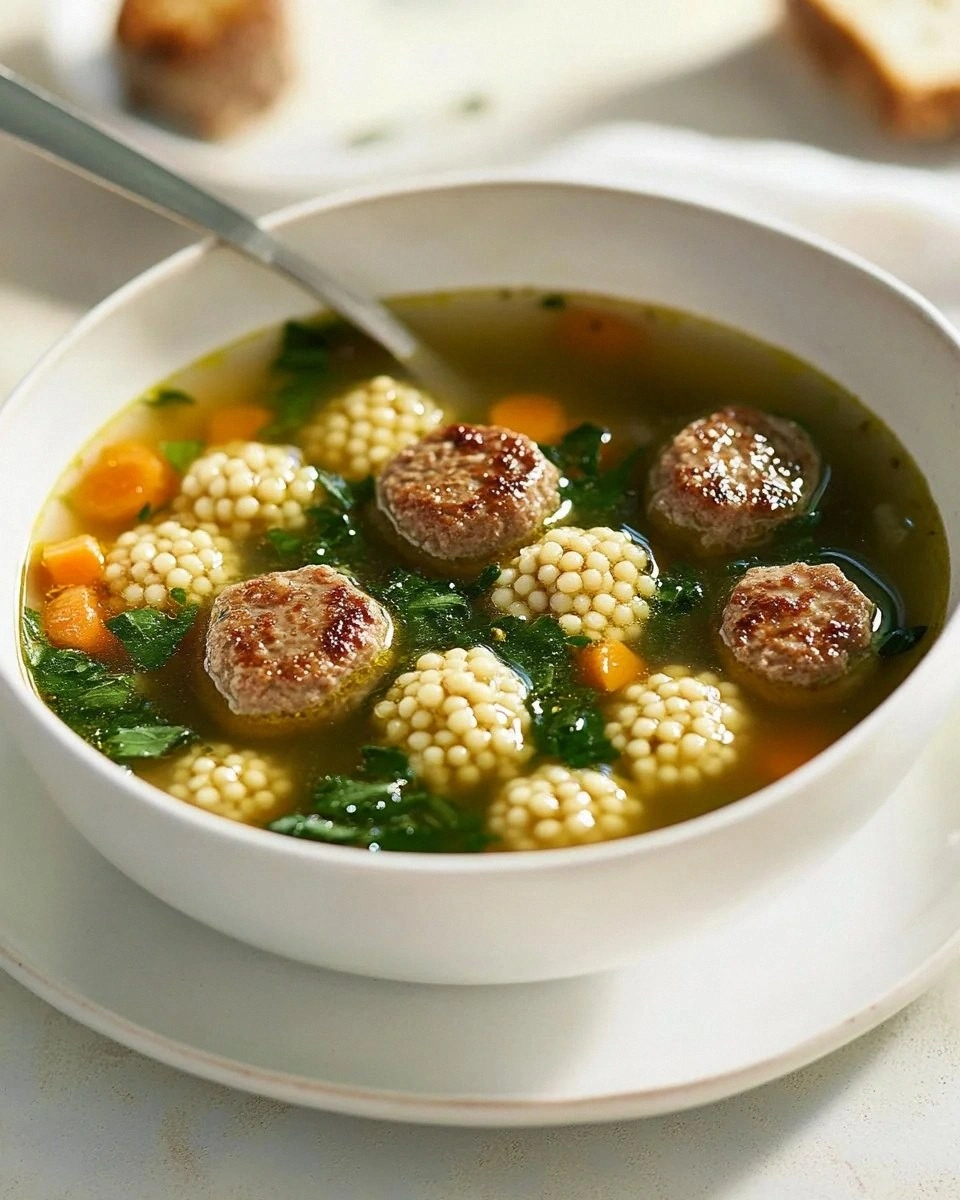
I still remember the first time I tasted Italian Wedding Soup that didn't come from a can. My Nonna had flown in from Naples, marched into my college apartment kitchen, took one look at my sad stash of instant ramen, and declared, "We fix this." Within an hour, the tiny space smelled like garlic clouds and Parmesan sunshine, tiny meatballs bobbed like edible buoys, and I was forever ruined for the watery cafeteria version. That moment rewired my comfort-food DNA; I finally understood why entire families argue over who gets the last spoonful.
Fast-forward a decade, and I've tweaked, tormented, and tasted my way through what feels like a hundred iterations. Most recipes get the marriage of flavors wrong—they either turn the broth into bland dishwater or load it with so much dried oregano that you feel like you're licking a pizza box. I wanted the silky broth that tastes like spring in the Italian countryside, tender meatballs that stay juicy even after reheating, and greens that keep their color instead of sulking into khaki sadness. After relentless testing on friends who now request this soup for every game night, I'm convinced this version is the one worth writing home about.
Picture yourself pulling a steaming bowl from the microwave at work tomorrow; your coworkers will drift over like cartoon characters floating on scent waves. That's the power of properly toasted garlic, a whisper of nutmeg in the meatballs, and homemade chicken stock that actually tastes like chicken. I dare you to taste this and not go back for seconds—I've literally never seen it happen. The secret lies in treating each component like a soloist in a symphony: the broth must be crystal clear yet packed with umami, the meatballs need that cloud-like bounce, and the pasta should still have a backbone after simmering.
Let me walk you through every single step—by the end, you'll wonder how you ever made it any other way.
What Makes This Version Stand Out
Broth Brilliance: We're talking triple-threat flavor—roasted chicken bones, a Parmesan rind swim, and a final squeeze of lemon that lifts the whole bowl to bright, sunny heights. Most recipes skip this layered approach and the soup tastes flat, like someone watered down your nonna's secrets.
Meatball Clouds: These tiny spheres stay impossibly tender because we borrow the Chinese technique of water-velveting: a light baking-soda bath plus gentle poaching. You'll get that fluffy, almost mousse-like texture that makes canned meatballs feel like rubber bullets.
Green That Actually Stays Green: Forget the army-colored spinach you've seen elsewhere. A quick shock in ice water and a last-second add keeps the escarole emerald and perky. Your Instagram will thank you, and your taste buds will do cartwheels.
One-Pot Sanity: Everything builds in a single Dutch oven—no separate skillets, no colander chaos. Cleanup is so easy you'll have time to sneak an extra meatball while the broth simmers. My record is fourteen rogue meatballs consumed "for quality control."
Make-Ahead Magic: The broth and meatballs love a 24-hour flavor honeymoon in the fridge. Reheat gently, add fresh greens, and dinner parties think you toiled all day. I won't tell if you don't.
Leftover Glow-Up: Day three might be the best; the pasta has absorbed just enough broth to swell but not disintegrate, and the flavors mingle like old friends at a wedding. Microwave haters, relax—this reheats beautifully on the stove with a splash of water.
Pantry-Friendly Flex: No escarole? Kale works. No ground veal? All-beef meatballs still sing. I'll be honest—I ate half the batch before anyone else got to try it, swapping in turkey and panko when I ran low on supplies, and nobody complained.
The Texture Crew
Ground meat should be cold, slightly sticky, and never pre-seasoned. I blend equal parts veal, pork, and beef for that old-school Italian deli vibe. Veal keeps things delicate, pork brings fat for moisture, and beef adds the robust flavor that stands up to the greens. Swap in ground turkey if you must, but bump up the olive oil by a tablespoon or the meatballs turn into sad ping-pong balls.
Breadcrumbs aren't just filler—they're insurance. I blitz day-old ciabatta because the irregular crumbs create pockets that catch broth. Panko works in a pinch, but avoid the sandy supermarket kind that tastes like sawdust. A quick soak in milk (the Italian "panade") guarantees tenderness; skip this step and you'll be chewing tiny hockey pucks.
Egg is the Velcro that holds everything together. One large egg per pound of meat is plenty. Crack it into a small bowl first; nothing ruins a meatball mix like shell shards masquerading as pepper. Beat it lightly so the yolk and white distribute evenly—nobody wants a yellow streak of omelet in their sphere.
The Unexpected Star
Nutmate—yes, nutmeg—is the whisper that makes Italian nonnas nod approvingly. Just a few gratings bloom in the fat and perfume the whole bowl. Too much and your soup tastes like pumpkin spice rebellion; too little and you miss that cozy warmth that keeps people guessing. I keep a whole nutmeg in a tiny jar; pre-ground tastes like pencil shavings and brings zero joy.
Lemon zest goes into the meatball mixture to keep things bright. It sounds odd, but citrus oil marries beautifully with Parmesan and prevents the one-note heaviness that plagues most versions. Zest directly over the bowl to catch the volatile oils—those airborne flecks are flavor pixies. Bottled zest is a crime; don't even think about it.
Fresh herbs belong at the finish, not in the meatball. Chopped parsley stirred in right before serving perks up the color and adds that just-picked aroma. Dried parsley is like confetti that forgot how to party—skip it and save your dignity.
The Final Flourish
Escarole is traditional, but it can be bitterer than a jilted lover. I blanch it for thirty seconds, shock it in ice water, and squeeze it like a sponge. This tames the bite while keeping the leaves vibrant. No escarole? Baby kale or spinach work, but add them at the very end; they wilt faster than my willpower near a gelato shop.
Acini di pepe are the teeny pasta pearls that look like couscous on a spa day. They cook quickly and nestle into each spoonful like edible confetti. If your grocery store stocks only sad, dusty bags in aisle nine, swap in orzo and cook it al dente separately before adding. Overcooked pasta sucks up broth like a rogue sponge and turns your masterpiece into stew.
Parmesan for grating should be the real stuff, aged at least 24 months. The pre-shredded cellulose-coated junk melts into rubbery globs. Invest in a wedge and grate it yourself; the rind goes straight into the simmering broth to boost umami. That nutty, crystalline finish on top is what makes grown adults fight over the last ladleful.
The Method — Step by Step
-
Start by making the meatball mixture. Combine cold ground meats, soaked breadcrumbs, beaten egg, minced garlic, Parmesan, nutmeg, lemon zest, salt, and a few cracks of pepper in a big bowl. Use your fingertips, not your palm; over-mixing squeezes fat and leaves you with rubbery nuggets. The mix should feel tacky and cohesive, almost like cookie dough that's been outside on a humid day. Cover and park it in the fridge while you build the broth—this resting time lets the proteins relax and flavors mingle, like guests at cocktail hour.
-
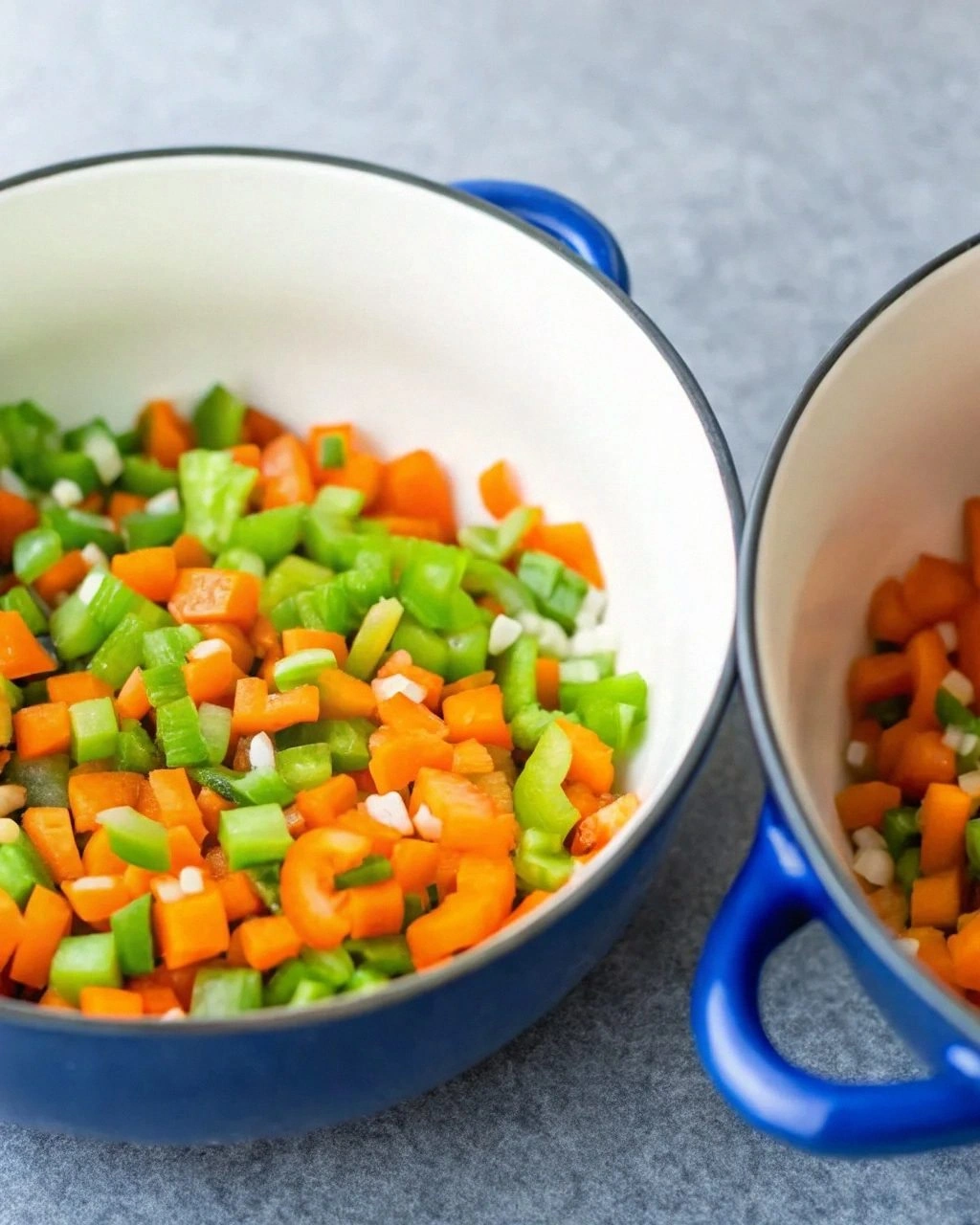
Heat a Dutch oven over medium heat, add a glug of olive oil, and tumble in diced onion, carrot, and celery. Season lightly with salt to draw out moisture; this is the moment of truth where fond (those toasty brown bits) either forms or scorches. Stir occasionally until the onion goes translucent and the carrot edges start to caramelize—about eight minutes. Your kitchen should smell like you're living inside a giant chicken pot pie. Lower the heat, add smashed garlic cloves, and cook just until fragrant; burnt garlic is bitter and will haunt your broth like a culinary poltergeist.
-
Pour in your chicken stock and drop in Parmesan rinds, bay leaf, and a few parsley stems. Bring to a gentle simmer, never a rolling boil; aggressive heat emulsifies fat and turns the broth cloudy. Skim the gray scum that surfaces—that's coagulated protein and impurities nobody invited to the wedding. Reduce heat to low and let it bubble quietly while you roll meatballs. This is hands-down the best version you'll ever make at home, and this low-and-slow step is why.
-
Scoop heaping teaspoons of meat mixture and roll into hazelnut-size balls. Keep them petite; they swell slightly and you want soup, not meatloaf boulders. Arrange on a parchment-lined sheet like obedient soldiers. If you've ever struggled with rolling sticky meat, dust your palms with a drop of oil—game changer.
-
Bring the broth up to a gentle simmer again and carefully plop in the meatballs. They'll sink at first, then bob like tiny buoys when set. Resist the urge to crank heat; poaching keeps them cloud-soft. After five minutes, stir in the acini di pepe directly into the pot. Most recipes get this completely wrong and cook pasta separately, but the tiny pearls absorb flavor and thicken the broth to silken perfection.
-
While pasta cooks, blanch the escarole. Bring a small pot of salted water to boil, dunk greens for thirty seconds, then drain and shock in ice water. This locks in color and removes harsh bitterness. Squeeze out excess water like you're wringing a towel after a beach day. Stir escarole into the soup during the final two minutes—just long enough to heat through and marry flavors. Picture yourself pulling this out of the oven, the whole kitchen smelling incredible, and watch your dinner guests suddenly develop super-hearing.
-
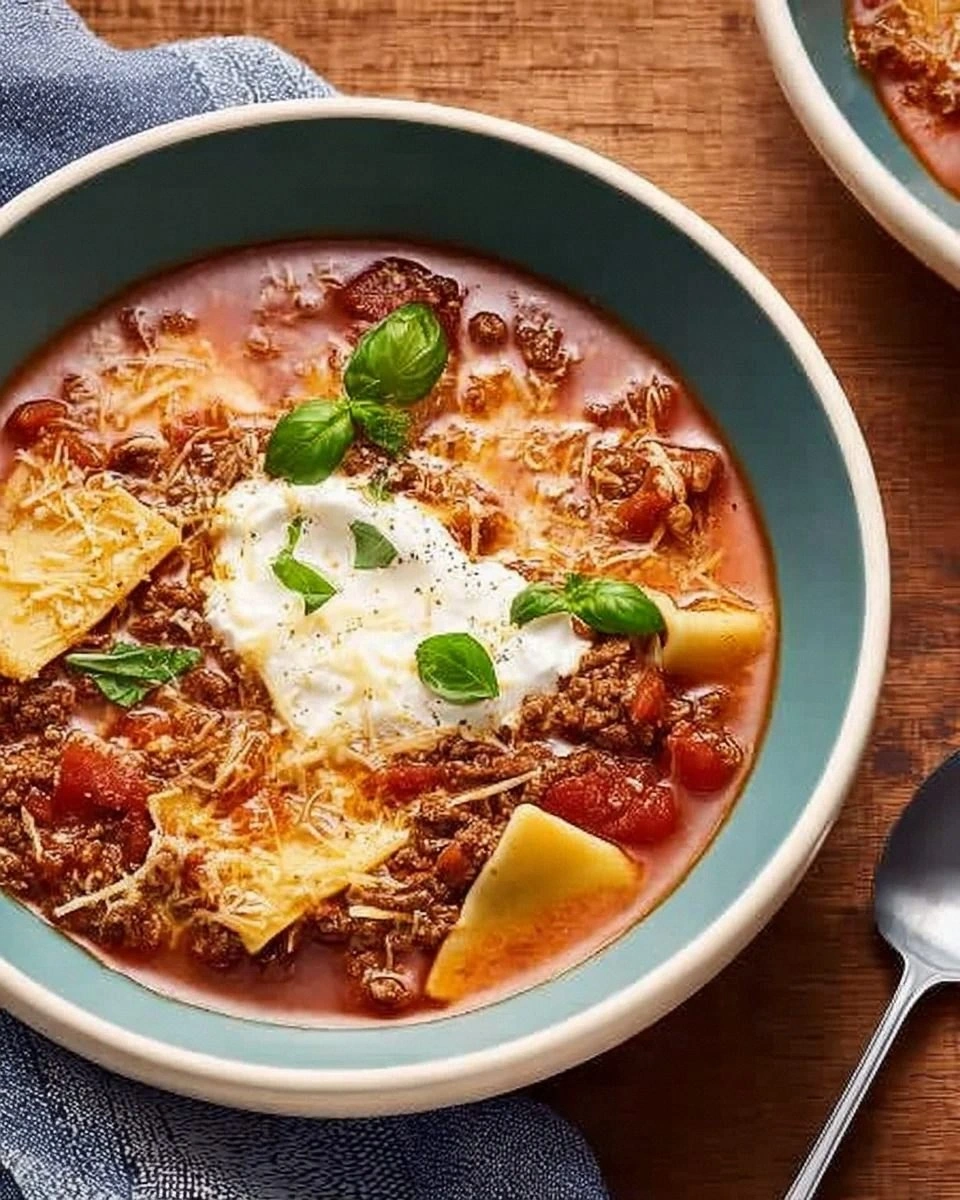
Finish with a squeeze of fresh lemon juice and a snowfall of grated Parmesan. Taste, adjust salt, and add a crack of black pepper. Ladle into warm bowls, drizzle with your best olive oil, and scatter chopped parsley on top. The contrast of emerald greens, golden broth, and pearly pasta will make you look like a culinary wizard. And now the fun part: serve with crusty bread and prepare for the inevitable sound of silence as everyone slurps in reverent awe.
That's it—you did it. But hold on, I've got a few more tricks that'll take this to another level...
Insider Tricks for Flawless Results
The Temperature Rule Nobody Follows
Keep everything cold until the moment it hits the broth. Warm meat smears fat and turns meatballs dense, like overworked sausage. I set my mixing bowl over an ice pack while forming spheres; it feels fussy, but the texture payoff is massive. A friend tried skipping this step once—let's just say it didn't end well, and her dog got the rejects.
Why Your Nose Knows Best
Toasted garlic smells nutty and sweet; burnt garlic smells like acrid gym socks. If your kitchen takes on that locker-room vibe, pull the pot off heat immediately and splash in a tablespoon of cold water to drop the temperature. Your nose is a built-in kitchen timer—trust it more than the clock. This next part? Pure magic.
The 5-Minute Rest That Changes Everything
After adding lemon juice, cover the pot and let it rest off heat for five minutes. Acids brighten over time, but too much heat flattens citrus zing. This brief pause lets the broth settle, flavors meld, and you to find clean ladle storage. Serve too soon and you'll miss that sparkle; serve too late and the greens dull. Timing is everything, like a first kiss at sunset.
Salt in Layers, Not Shocks
Season the vegetables, then the broth, then the meatballs, then the final soup. Each component needs its own pinch so the salt matures gradually, like a well-written plot. Dumping it all at the end gives sharp, one-dimensional salinity that masks the gentle nutmeg and lemon. If you've ever struggled with flat soup, this is probably why—and I've got the fix.
Creative Twists and Variations
This recipe is a playground. Here are some of my favorite ways to switch things up:
Spicy Calabrian Wedding
Add a spoonful of Calabrian chili paste to the meatball mix and swirl more into the broth. The fruity heat blooms and gives the soup a rosy glow. Top with crunchy breadcrumbs toasted in chili oil for textural pop. Heat seekers will weep with joy—bring tissues.
Spring Green Goddess
Swap escarole for asparagus tips and fresh peas. Finish with a spoon of pesto instead of plain parsley. The colors stay bright, and the flavors taste like you're eating a meadow. Perfect for April dinners when you want comfort without the cozy weight.
Luxury Surf-and-Turf
Replace half the meatballs with butter-seared scallops added at the very end. Use seafood stock fortified with a splash of white wine. It's opulent, date-night worthy, and makes you feel like you're dining seaside in Positano without leaving your kitchen.
Vegan Love Story
Use white beans mashed with a bit of flour and seasoning to form "meatballs." Simmer in vegetable stock enriched with miso and nutritional yeast for umami depth. Add a drizzle of lemon-infused olive oil and plenty of fresh herbs. Even meat lovers hover for seconds.
Thanksgiving Remix
Stir in shredded roast turkey and a handful of leftover stuffing croutons instead of pasta. A pinch of sage and smoked paprika turns the flavor toward autumn nostalgia. It's the Friday-after sandwich in soup form, and somehow tastes better than the original feast.
Clear-Broth Detox
Skip the pasta and Parmesan, keep meatballs petite, and load up on extra greens. Finish with grated ginger and a splash of rice vinegar for brightness. It feels spa-like but still satisfies that comfort craving during cold-and-flu season.
Storing and Bringing It Back to Life
Fridge Storage
Let the soup cool completely, then transfer to airtight containers. It keeps for up to four days, though the pasta will plump and absorb broth—add extra stock when reheating. Store meatballs and greens separate from broth if you want picture-perfect texture on day three. Always refrigerate within two hours; lukewarm soup is bacterial spring break.
Freezer Friendly
Freeze broth and meatballs (minus pasta and greens) in freezer bags laid flat for easy stacking. It stays gorgeous for three months. Thaw overnight in the fridge, then simmer and add fresh pasta and greens. Future pacing: imagine pulling this out on a chaotic Tuesday and looking like a domestic superhero.
Best Reheating Method
Gently warm on the stove over medium-low, stirring often. Add a splash of water or stock to loosen; the soup thickens as pasta releases starch. Microwave works in a pinch—use 50% power and stir every minute to avoid meatball grenades exploding. Add a tiny splash of water before reheating—it steams back to perfection and keeps greens vibrant.