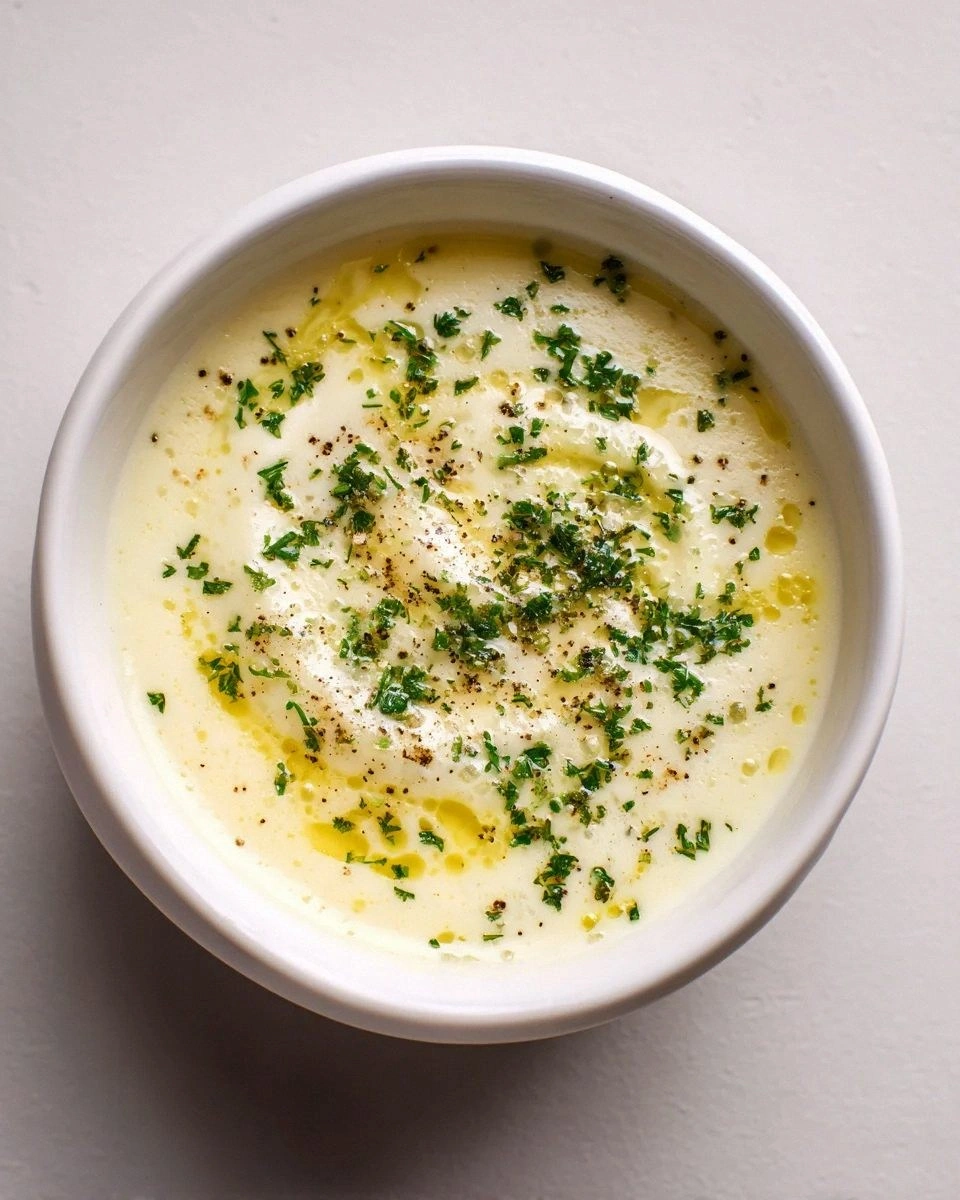
I still remember the night I ruined three pans of pasta trying to make a lemon butter sauce that didn’t split like a bad breakup. The kitchen smelled like a citrus funeral, my room-mate was stress-eating dry spaghetti, and I was ready to swear off dairy forever. Then, somewhere between the fourth clove of garlic and a last-ditch splash of cream, the sauce shimmered, tightened and draped itself around the spoon like liquid sunshine. I tasted it—straight from the pot, because manners are optional at 11 p.m.—and honest-to-goodness laughed out loud. That first spoonful was bright, buttery, silky and so loud with lemon it practically sang. I ate half the batch standing over the stove, flicking off the burner with my elbow, swearing I’d write the recipe down before I forgot the ratio that saved dinner and my sanity.
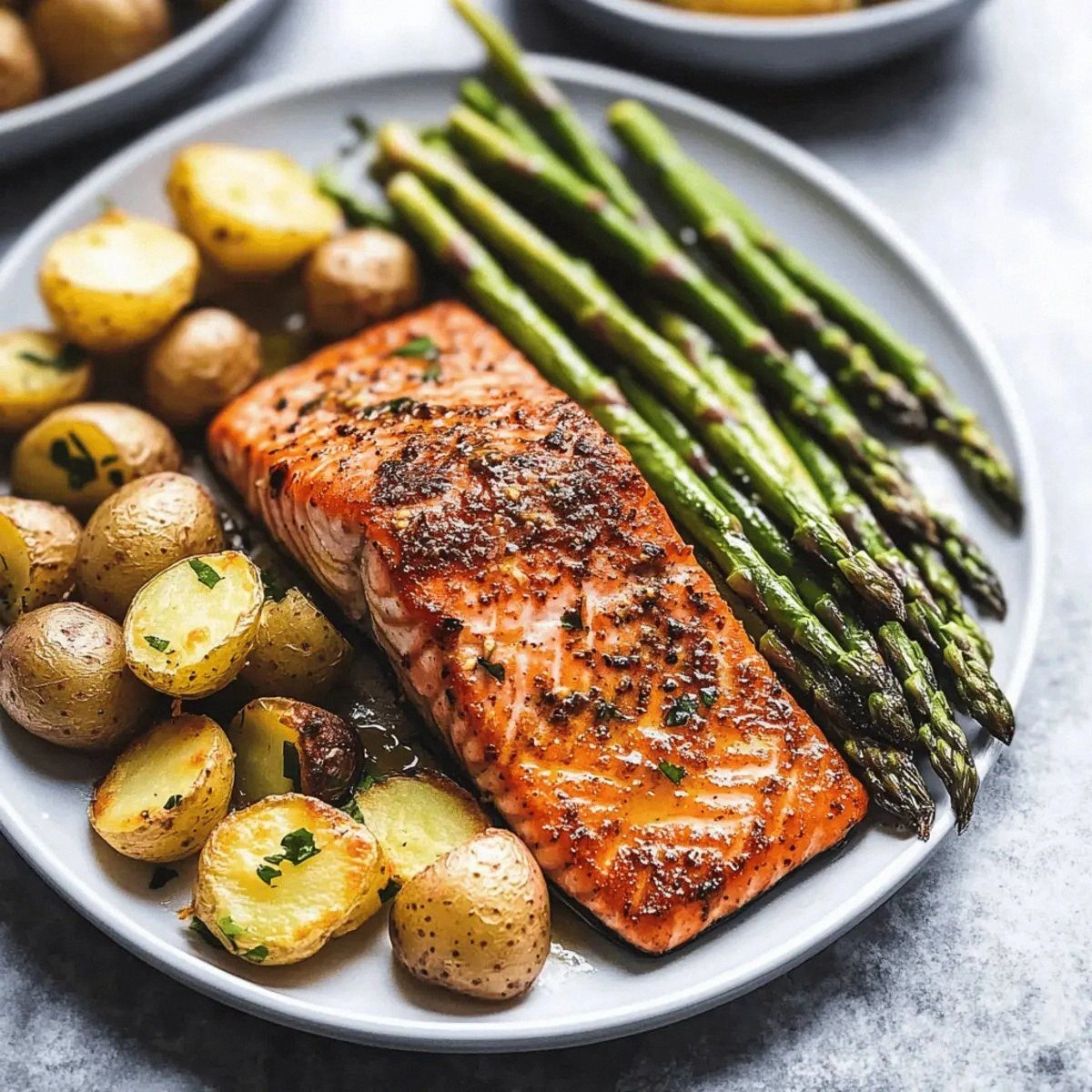
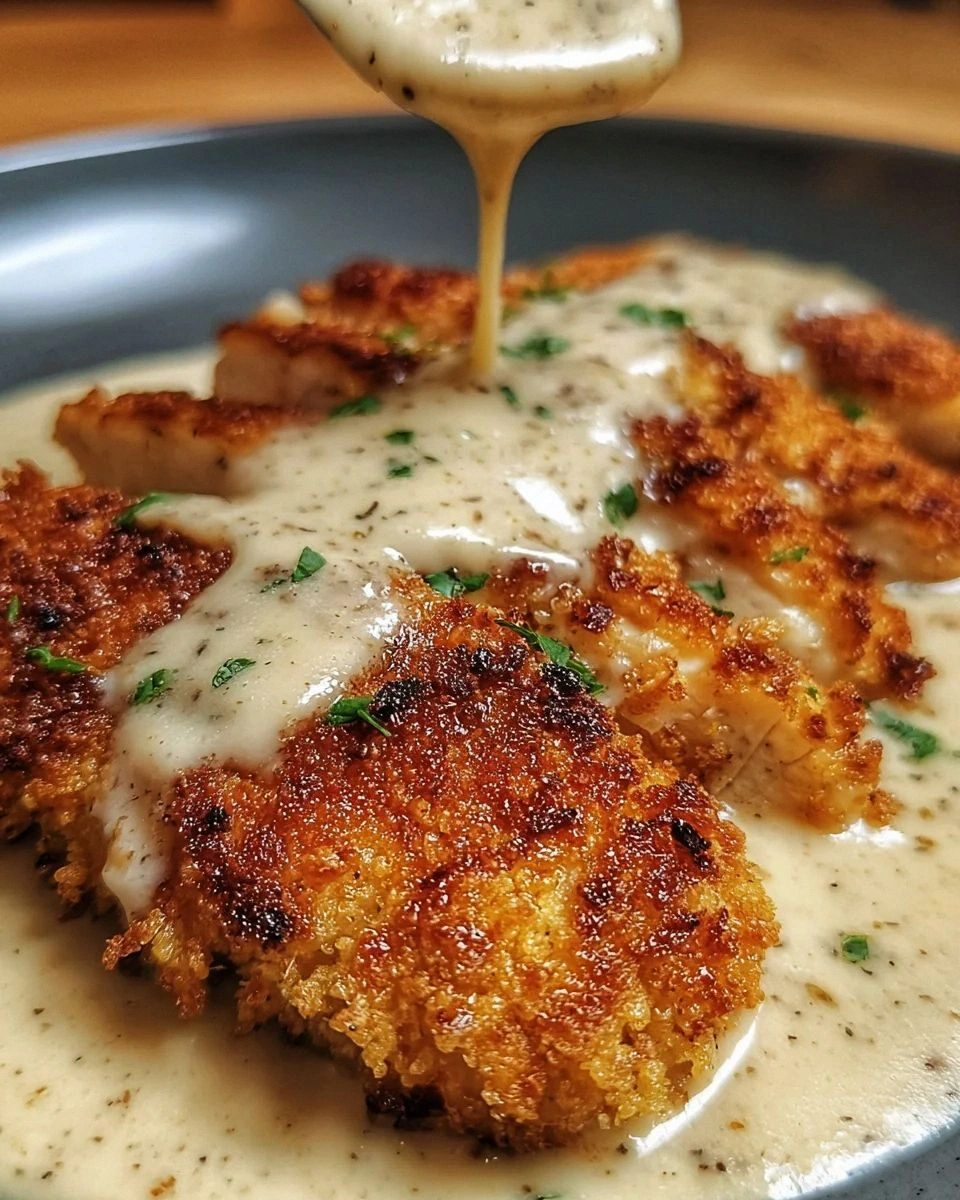
Fast-forward a few years and this creamy lemon butter sauce has become my culinary Swiss-army knife. I drizzle it over seared salmon, toss it with just-blanched asparagus, spoon it under crispy chicken thighs, and—on nights when nobody’s looking—sop it up with torn baguette until the plate looks like it’s been power-washed. The sauce is fast enough for a Tuesday, elegant enough for company, and forgiving enough that you can text while whisking and still feel like a pro. If you’ve ever watched a restaurant plate glide past and thought, “How does that sauce just cling like that?”—this is your answer. We’re about to bottle that restaurant magic, minus the tiny portions and the bill at the end.
What sets this version apart from the ocean of sad, broken butter sauces on the internet is balance: acid that zings without making your jaw ache, cream that rounds the edges but never feels heavy, garlic that whispers instead of shouts, and butter that melts in slow motion so the emulsion holds. Most recipes get one element right and fumble the rest; we’re hitting every note like a barbershop quartet. And the best part? You only need one small pot, a whisk, and the willingness to hover for roughly twelve minutes. Picture yourself pulling this off the stove, steam curling into the light, the kitchen smelling like you hired a private chef. Stay with me here—this is worth it.
Let me walk you through every single step—by the end, you’ll wonder how you ever made it any other way.
What Makes This Version Stand Out
- Velvet Texture: The sauce coats pasta like liquid satin, never greasy, never grainy, thanks to a cold-butter finish that snaps the emulsion together at the last second.
- True Lemon Punch: Fresh juice plus a whisper of zest give you sunny brightness without the metallic aftertaste you get from bottled stuff.
- One-Pot Wonder: No straining, no double boilers, no fancy equipment—just a saucepan and a whisk and the willingness to babysit it for twelve minutes.
- Restaurant Sheen: We crank the heat at the exact right moment so the cream reduces just enough to glaze the back of a spoon; that gloss is your dinner-party flex.
- Make-Ahead Friendly: Chill it, reheat gently with a splash of broth, and it comes back silkier than a movie villain’s monologue.
- Crowd Conversions: I’ve served this to toddlers, grandparents, and spice-wimps alike; they all lick the spoon and ask for the recipe before the entrée hits the table.
- Ingredient Flexibility: Out of cream? Sub half-and-half and add an extra pat of butter. Only have limes? Roll with it—the sauce bends but never breaks.
Alright, let's break down exactly what goes into this masterpiece...
Inside the Ingredient List
The Flavor Base
Vegetable broth might sound boring, but it’s the stealth bomber of savory depth here. Go low-sodium so you control the salt; nobody wants a sauce that tastes like ocean water. Warm broth mingles with garlic faster, so microwave it for thirty seconds before it hits the pan. If you’re feeling fancy, swap in homemade chicken stock for a richer back-note, but honestly, the store-bought boxed stuff works as long as it’s not labeled “super salty sodium bomb.”
The Aroma Engine
One clove of garlic, smashed, not minced—this is intentional. Smashing cracks the cell walls and releases allicin, the compound that smells like heaven and scares off vampires, but keeping it whole means it perfumes the sauce without leaving little burnt bits that stick in your teeth. Fish it out at the end for a silky finish, or leave it in if you like living dangerously. Pro tip: if your garlic has a green sprout, yank it out; that sprout is bitter enough to hijack the whole sauce.
The Texture Crew
Heavy cream is the velvet rope at the club—without it, the sauce is just lemon juice and wishful thinking. You need the fat content (at least 36 %) to emulsify with the butter and create that clingy texture. Don’t reach for light cream; you’ll end up with a sad, watery puddle that slides off pasta like a kid on a Slip ’N Slide. If dairy isn’t your friend, full-fat coconut cream works, but expect a faint tropical vibe—great over shrimp, weird over steak.
The Brightness Boss
Fresh lemon juice is non-negotiable. Bottled juice tastes like the ghost of a lemon that died in a factory. Zest one lemon before you halve it; the oils in the skin carry a floral note you can’t fake. Roll the fruit on the counter under your palm to burst the vesicles and get every last drop. And please, for the love of Julia Child, pick out the seeds now so you’re not fishing them out later while your cream boils over.
The Finishing Touch
Cold butter is the secret handshake that turns cream and lemon into something that tastes like you trained in France. Add it off-heat, one tablespoon at a time, whisking like you’re trying to win a arm-wrestling match against the saucepan. The gradual melt lowers the temperature just enough to prevent the sauce from breaking into greasy little butter islands. Use unsalted so you control the seasoning; salted butter varies wildly by brand and can hijack the final flavor.
Everything’s prepped? Good. Let's get into the real action...
The Method — Step by Step
- Bring the broth to a gentle simmer in a small saucepan over medium heat. You’re not trying to reduce it yet—just wake up the flavors and give the garlic a cozy jacuzzi. Watch for tiny bubbles around the edge; if it hits a rolling boil, dial it back. This is the calm before the flavor storm.
- Add the smashed garlic clove and let it lounge for two full minutes. Swirl the pan once so the clove flips like a lazy otter; this exposes both sides to the broth and extracts maximum aroma. Your kitchen should start to smell like the best kind of Italian grandma’s house. Don’t scroll Instagram here—two minutes passes faster than you think.
- Pour in the cream and crank the heat to medium-high. You want an enthusiastic simmer that sends up steam like a mini geyser. Whisk every thirty seconds so the cream doesn’t scorch on the bottom; scorched cream tastes like burnt marshmallow and can’t be undone. The mixture will foam up—this is normal, promise.
- Reduce the cream until it coats the back of a spoon, about six to seven minutes. To test, dip a wooden spoon and run your finger through the line; if the track holds its shape, you’re golden. If it fills in like slow lava, keep going. This is the moment of truth—under-reduce and your sauce will be soup, over-reduce and it turns into buttery taffy.
- Turn the heat to low and whisk in the lemon juice. The acid will make the cream thicken slightly—this is the proteins reacting, not curdling, so breathe. It should smell like lemonade had a baby with whipped cream. If you see tiny flecks, keep whisking; they’ll smooth out.
- Season with a pinch of salt and a few cracks of pepper. Go easy; you can always add more later, but you can’t un-salt a sauce. Taste with the tip of your pinky—yes, chefs really do this. It should taste bright, buttery, and like you want to drink it from a teacup.
- Remove the pan from the heat and fish out the garlic clove. This prevents rogue bursts of garlic breath later. If you’re a garlic fiend, squeeze the clove through a garlic press and whisk the paste back in—just know your breath will register on a seismograph.
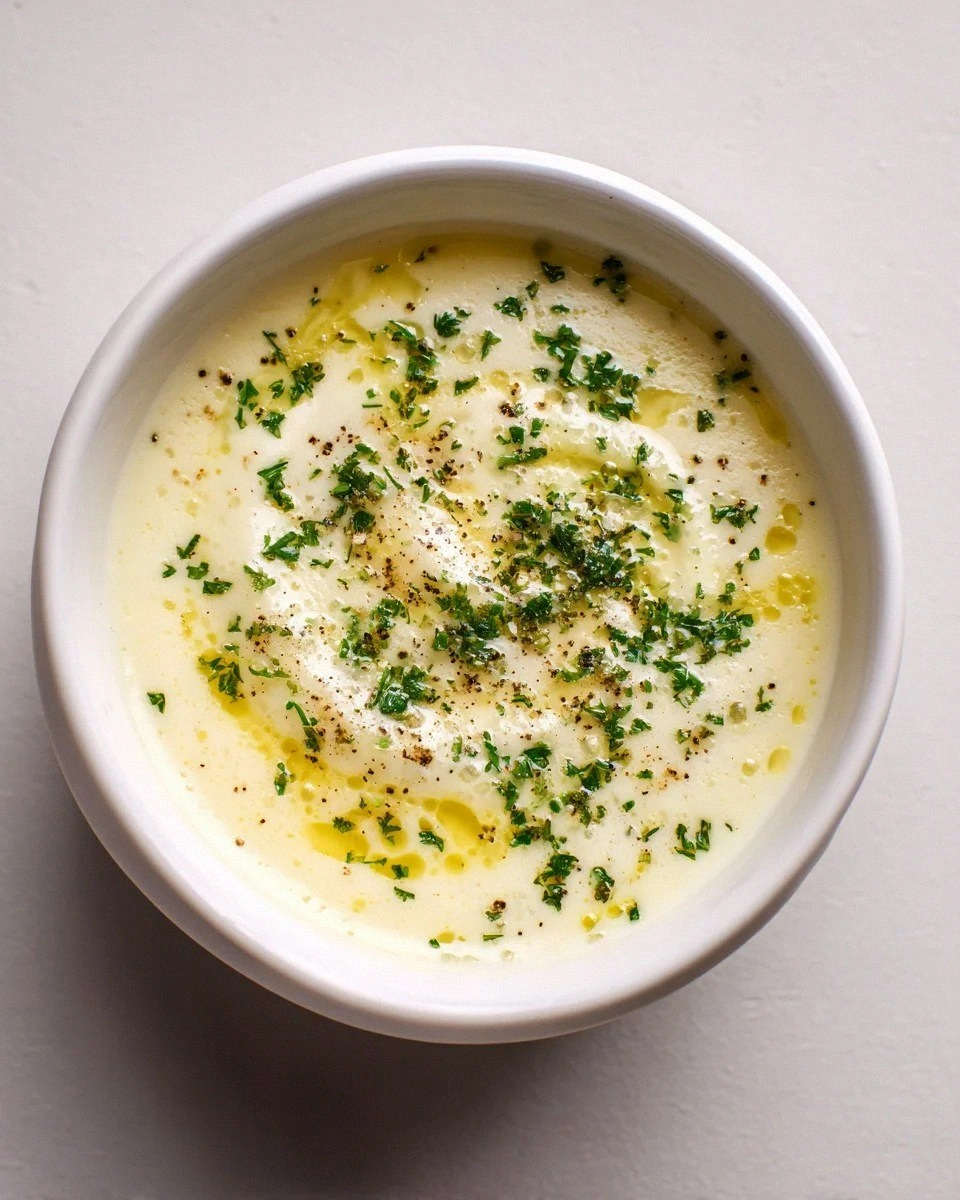
- Drop in the first tablespoon of cold butter and whisk like your life depends on it. The sauce will go glossy and thicken just enough to ribbon off the whisk. Repeat with the remaining butter, one tablespoon at a time, waiting until each piece is almost melted before adding the next. This next part? Pure magic.
That's it—you did it. But hold on, I've got a few more tricks that'll take this to another level...
Insider Tricks for Flawless Results
The Temperature Rule Nobody Follows
Your butter must be fridge-cold and your pan must be off-heat. I know, waiting for things to cool feels like watching paint dry, but hot pan + warm butter equals greasy puddles. If you’re a serial multi-tasker, set a timer for thirty seconds after you pull the pan off the burner; that’s usually enough to drop the temp without losing momentum. A friend tried skipping this step once—let’s just say her sauce looked like an oil spill and tasted like regret.
Why Your Nose Knows Best
Smell is your built-in thermometer. When the cream first hits the lemon, it will smell sharp and almost fizzy. As the butter emulsifies, the scent mellows into something that smells like sunshine on a buttered sidewalk. If you catch a whiff of burnt popcorn, you’ve gone too far—pull it immediately and whisk in a tablespoon of cold cream to shock the proteins back into line.
The 5-Minute Rest That Changes Everything
Once the final pat of butter melts, let the sauce sit for five minutes. I know you’re starving, but this rest lets the fat molecules relax and the flavors marry. Cover the pan with a lid slightly ajar so it stays warm but doesn’t continue cooking. When you come back, give it one gentle whisk and marvel at how it thickened like it went to finishing school.
Creative Twists and Variations
This recipe is a playground. Here are some of my favorite ways to switch things up:
Herb-Infused Riviera
Drop a sprig of fresh tarragon and a strip of lemon zest into the broth while it simmers. Fish them out with the garlic. The sauce tastes like you’re lounging somewhere on the Côte d’Azur, even if you’re actually in pajama pants.
Smoky Paprika Sunset
Whisk in a pinch of smoked paprika with the lemon juice. It turns the sauce a dusty coral and adds a campfire note that’s outrageous over grilled shrimp or roasted cauliflower. Start small—half a teaspoon can quickly graduate to “I licked an ashtray.”
Parmesan Punch
Off-heat, whisk in two tablespoons of finely grated Parmigiano-Reggiano. The cheese melts into the sauce and adds umami depth, but go easy—too much will break the emulsion and you’ll end up with lemony cheese grits. Save this one for pasta night.
Chili-Lime Tango
Swap lime juice for lemon and add a whisper of minced jalapeño to the broth. The result is a creamy, spicy, tangy dream that makes fish tacos feel like they’re on vacation in Mexico City. Seed the pepper unless you enjoy breathing fire.
Storing and Bringing It Back to Life
Fridge Storage
Pour the cooled sauce into a glass jar with a tight lid. It keeps for up to four days, though the lemon will mellow and the butter may firm up. Reheat gently in a small saucepan over the lowest possible flame, whisking constantly and adding a splash of warm broth until it loosens. Don’t microwave—it heats unevenly and turns the sauce into an oil slick.
Freezer Friendly
Freeze in ice-cube trays for portion-controlled nuggets of gold. Once solid, pop them into a zip-top bag and store up to two months. Thaw overnight in the fridge, then reheat slowly with a tablespoon of water whisked in. The texture won’t be quite as glossy, but it’s still miles better than anything from a jar.
Best Reheating Method
Use a double boiler setup: set a heat-proof bowl over a pot of barely simmering water. Add the sauce and whisk constantly until just warmed through. Add a tiny splash of water before reheating—it steams back to perfection and keeps the emulsion from divorcing.