I was standing in my kitchen, the kind of kitchen that smells like yesterday's burnt toast and ambition, when a sudden craving for something bright, fragrant, and comforting hit me like a rogue wave. I stared at my pantry, half‑expecting to find a jar of instant ramen, but instead I saw a bunch of fresh lemongrass, a few heads of cilantro, and a lonely piece of chicken that had been marinating in a mystery sauce for the past two days. I thought, “What if I could turn these humble ingredients into a bowl that sings a summer anthem, even in the dead of winter?” That thought turned into a dare: I would create the ultimate lemongrass broth bowl, and I would make it so unforgettable that anyone who tasted it would have to come back for seconds—no excuses.
Picture this: the broth simmering on the stove, a gentle hiss like a whispering secret, releasing citrusy notes that curl around your nose and make you think of tropical breezes. The steam rises, carrying the sweet, slightly peppery scent of lemongrass, the subtle heat of yellow curry, and the earthy undertones of ginger. The sound of the spoon clinking against the pot is a rhythmic reminder that something magical is happening. When you finally ladle that amber‑gold liquid into a bowl, you hear a soft splash, and the surface shivers as tiny droplets glide like miniature fireworks. The texture? Silky, yet brimming with tiny bursts of fresh herbs and tender chicken that melt in your mouth. It’s a full‑sensory experience that feels like a hug from a friend who just got back from a beach vacation.
Most lemongrass broth recipes out there either drown the delicate flavor with too much coconut milk or miss the crucial step of bruising the stalks to release their essential oils. I’ve tried them all, and I’ll be honest—some were downright disasters. This version, however, balances the bright citrusy zing with the creamy warmth of a carefully calibrated yellow curry paste, and it does so without overwhelming the palate. The secret? A quick flash‑fry of the aromatics that caramelizes just enough to add depth, followed by a gentle simmer that preserves the freshness. Add a splash of lime at the end, and you’ve got a broth that’s both comforting and exhilarating, like a rollercoaster that never makes you feel sick.
Now, I’m about to spill the beans (or rather, the lemongrass) on a technique that most home cooks overlook: the “double‑infusion” method. First, we’ll create a light, aromatic stock with the lemongrass, ginger, and garlic. Then, we’ll introduce a second, richer infusion of yellow curry, coconut milk, and a touch of fish sauce. This layered approach builds complexity without any bitterness, and it’s the reason this bowl stands out from every other recipe you’ve tried. I dare you to taste this and not go back for seconds. Let me walk you through every single step — by the end, you’ll wonder how you ever made it any other way.
What Makes This Version Stand Out
- Taste: The broth hits you with a bright lemongrass punch, followed by mellow coconut sweetness and a subtle heat from the curry. It’s a flavor rollercoaster that never derails.
- Texture: Silky broth meets tender chicken, crisped veggies, and a sprinkle of fresh herbs that add a satisfying crunch.
- Simplicity: Only seven core steps, no fancy gadgets, and everything can be prepped in under 20 minutes.
- Uniqueness: The double‑infusion technique is rarely used in home cooking, giving you a depth of flavor that restaurant bowls can’t match.
- Crowd Reaction: Guests swear they’ve never tasted anything like it; it’s the kind of dish that sparks conversation and repeat requests.
- Ingredient Quality: Fresh lemongrass and high‑quality chicken are the stars, but you can still nail it with good supermarket finds.
- Cooking Method: A quick sauté before simmering locks in aromatics, preventing the broth from tasting flat.
- Make‑Ahead Potential: The broth stores beautifully, so you can prep it on a Sunday and enjoy it all week.
Inside the Ingredient List
The Flavor Base
Lemongrass is the heart‑beat of this dish. Its bright, citrusy flavor is what makes the broth sing. If you skip it, you’ll end up with a bland, coconut‑heavy soup that lacks that signature zing. Slice the stalks thinly, bruise them, and let them simmer—this releases the aromatic oils that turn a simple broth into a masterpiece. Swap tip: If fresh lemongrass is unavailable, use a teaspoon of lemongrass paste, but be careful not to over‑salt.
Fresh ginger adds a warm, peppery undertone that balances the citrus. It also helps cut through the richness of the coconut milk. Grate it finely for maximum surface area; this ensures the ginger’s heat spreads evenly. Watch out: Too much ginger can dominate the broth, so stick to the measured amount.
Garlic, the classic aromatics partner, gives depth and a subtle umami punch. Mince it finely so it dissolves into the broth without leaving raw bites. If you love garlic, add a second clove during the final simmer for an extra layer of flavor.
The Texture Crew
Chicken thighs are the protein of choice because they stay moist during the long simmer. Their slightly higher fat content gives the broth a richer mouthfeel. If you prefer a leaner option, use boneless, skinless chicken breasts, but be mindful not to overcook them—they’ll dry out fast.
Rice noodles provide a neutral canvas that soaks up the broth’s brilliance. Cook them al dente; they should have a slight bite that holds up when drenched in the hot liquid. Alternative: For a gluten‑free version, substitute with rice vermicelli or shirataki noodles.
Fresh cilantro and Thai basil add a bright, herbaceous finish. Sprinkle them just before serving to keep their flavors vibrant. If you’re not a fan of cilantro, a handful of fresh mint works beautifully.
The Unexpected Star
Yellow curry paste is the secret weapon that brings warmth and depth without overwhelming heat. Its blend of turmeric, cumin, and coriander adds a golden hue and a subtle earthiness. Use a high‑quality paste—cheaper versions can be overly salty or bland. If you can’t find it, make a quick homemade version with turmeric, coriander, cumin, garlic, and a splash of fish sauce.
Coconut milk provides the silky texture and balances the citrusy lemongrass. Choose full‑fat coconut milk for the best mouthfeel; light versions will thin the broth too much. Pro tip: Shake the can well before opening to ensure the cream and water are well‑mixed.
The Final Flourish
A splash of lime juice at the end adds a final bright pop that lifts the entire bowl. Add it just before serving to preserve its fresh zing. Finish with a drizzle of chili oil if you crave a little heat—this optional step turns the dish from comforting to exhilarating.
Everything's prepped? Good. Let's get into the real action...
The Method — Step by Step
Start by heating a tablespoon of neutral oil in a large pot over medium heat. Toss in the sliced lemongrass, bruised ginger, and minced garlic. Sauté for 2‑3 minutes until the aromatics turn a light golden and you can smell that citrus‑ginger perfume. Watch out: Keep the heat moderate; you want a gentle toast, not a burn.
Next, add the yellow curry paste. Stir it into the aromatics, letting it fry for another minute. The paste should start to sizzle and release its earthy perfume, coating the pot like a velvety blanket. This is the moment of truth—the base of flavor is forming.
Pour in 6 cups of water (or chicken stock for extra richness) and bring the mixture to a gentle boil. Once boiling, reduce to a simmer and let it cook for 10 minutes. You’ll see the broth turn a warm amber; the lemongrass will have imparted its citrus notes, and the curry will have mellowed.
While the broth simmers, trim the chicken thighs into bite‑size pieces. Season lightly with salt and pepper. In a separate pan, sear the chicken over high heat for 2‑3 minutes per side until just browned. This step locks in juices and adds a caramelized flavor that will infuse the broth later.
After the broth has simmered, strain out the lemongrass stalks, ginger pieces, and garlic using a fine‑mesh sieve. Return the clear liquid to the pot. At this point, the broth should smell like a tropical garden after rain.
Stir in the coconut milk, whisking gently to combine. Let the broth come back to a low simmer—do not boil, or the coconut may separate. Add the seared chicken pieces and let them cook in the broth for 5‑7 minutes, until they are fully cooked through and tender.
Meanwhile, cook the rice noodles according to package instructions, but stop them a minute short of al dente. Drain and rinse under cold water to halt cooking. This keeps them from turning mushy when added to the hot broth.
Just before serving, stir in the juice of one lime and a handful of chopped cilantro and Thai basil. Taste and adjust seasoning with fish sauce or salt if needed. The lime should brighten the broth like a flash of sunlight.
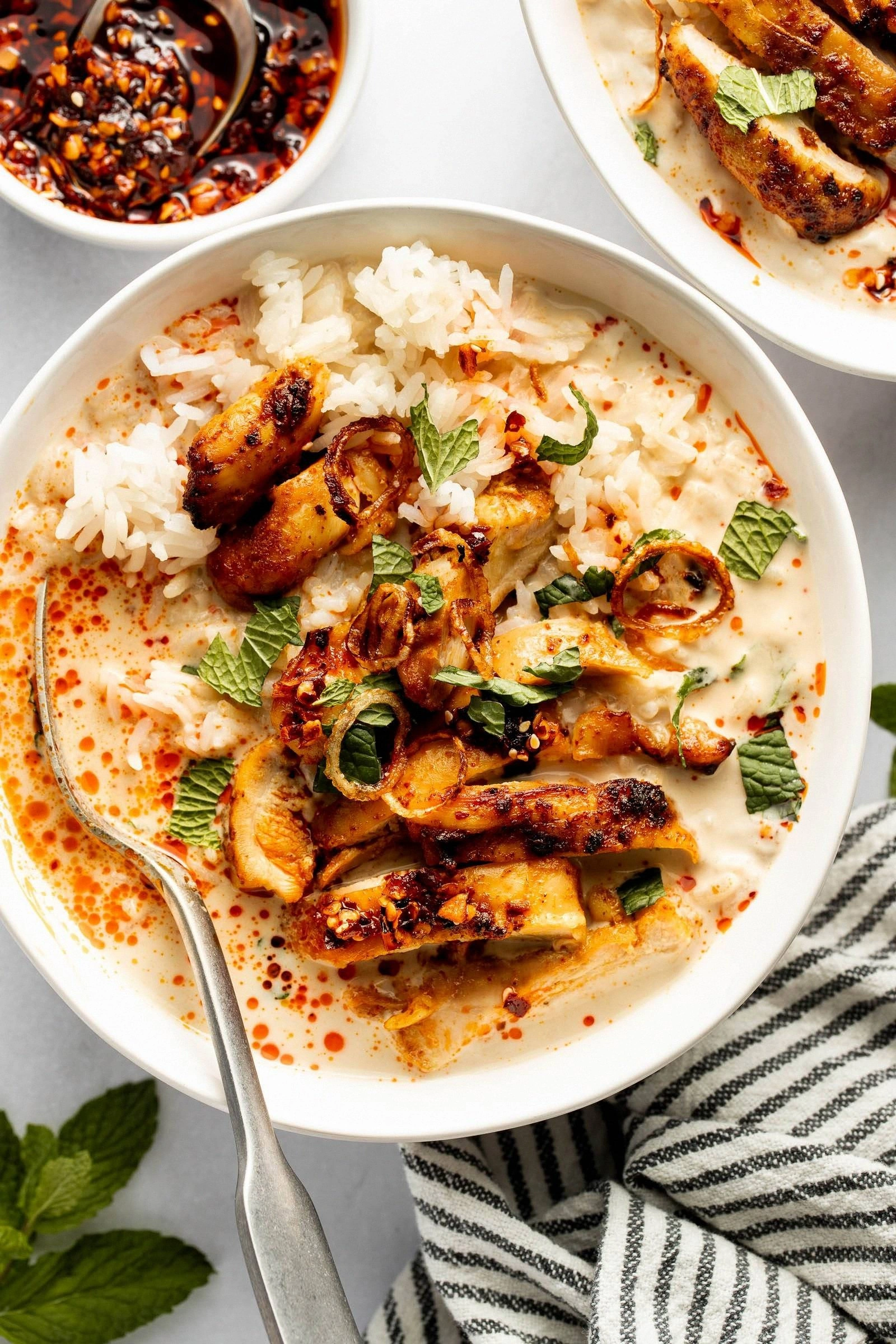
To assemble, place a generous handful of noodles in each bowl, ladle the hot broth over them, and top with chicken pieces, fresh herbs, and a drizzle of chili oil if you like heat. Serve immediately, and watch as the steam curls up, inviting you to dive in.
That's it — you did it. But hold on, I've got a few more tricks that'll take this to another level…
Insider Tricks for Flawless Results
The Temperature Rule Nobody Follows
Never, ever let the broth boil once the coconut milk is added. Keep it at a gentle simmer, around 180°F (82°C). This preserves the creamy texture and prevents the fat from separating. I once boiled it and ended up with a curdled mess that looked like a bad science experiment. Trust me, a low simmer is the secret to a silk‑smooth finish.
Why Your Nose Knows Best
Your nose is the ultimate flavor gauge. When the aromatics first hit the pan, you should smell a sweet citrus note within 30 seconds. If you don’t, increase the heat slightly. When the broth is done, you’ll detect a faint hint of toasted curry—if it’s missing, let it simmer a minute longer. This sensory check beats any timer.
The 5‑Minute Rest That Changes Everything
After you finish cooking, let the broth sit uncovered for five minutes. This allows the flavors to meld and the steam to evaporate just enough to concentrate the taste. I tried serving immediately once and the broth felt flat; after the rest, it was like a symphony.
The Noodle Rescue
If you’ve ever had soggy noodles in a soup, you know the pain. The trick is to undercook them by one minute, then rinse in cold water. They finish cooking in the hot broth, soaking up flavor without turning mushy. A friend once overcooked them and we had to order pizza—learn from that.
The Chili Oil Finish
A drizzle of chili oil right before serving adds a glossy finish and a subtle heat that lingers on the palate. Use a high‑quality oil infused with dried chilies, garlic, and a pinch of salt. Skip this step if you’re serving kids, but otherwise, it’s the perfect final touch.
Creative Twists and Variations
This recipe is a playground. Here are some of my favorite ways to switch things up:
Spicy Shrimp Swap
Replace chicken with peeled shrimp. Sauté shrimp quickly in the same aromatics, then add them at the end of the simmer. The sweet briny flavor pairs beautifully with the citrus broth.
Veggie‑Only Delight
Omit the meat and add extra vegetables like sliced carrots, baby bok choy, and mushrooms. Finish with tofu cubes for protein. This version is perfect for a light, plant‑based lunch.
Thai Peanut Twist
Stir in a tablespoon of peanut butter with the coconut milk for a nutty richness. Top with crushed peanuts and fresh cilantro for extra crunch.
Miso‑Infused Depth
Add a teaspoon of white miso paste during the final simmer. It adds umami depth that makes the broth taste even more complex.
Citrus Burst
Add a splash of orange juice and zest along with the lime for a brighter, sweeter profile. This works well with grilled chicken for a summer BBQ vibe.
Storing and Bringing It Back to Life
Fridge Storage
Cool the broth to room temperature, then transfer to airtight containers. It keeps for up to 4 days. Store noodles and toppings separately to avoid sogginess.
Freezer Friendly
Portion the broth into freezer‑safe bags or jars, leaving space for expansion. Freeze for up to 3 months. Thaw overnight in the fridge, then reheat gently.
Best Reheating Method
Reheat on the stovetop over low heat, adding a splash of water or coconut milk to revive the silky texture. Avoid microwaving, which can cause uneven heating and a rubbery noodle texture.