I was halfway through a weeknight dinner, the fridge a dull gray of leftovers, when the phone buzzed with a frantic text from my friend: “I’m craving something that feels like a vacation, but I only have time for a single pot.” I stared at the empty counter, the idea of a Mediterranean escape flickering in my mind like a neon sign. I decided to answer that craving with a dish that would make the air taste like a sunny balcony in Santorini and my stomach feel like it had just won a marathon. That night, I pulled out a flank steak, a handful of cherry tomatoes, and a splash of olive oil, and I began to cook something that would change the way I think about “quick” meals forever.
The kitchen was a sensory circus. The sizzle of the steak in the hot pan was a drumroll, the aroma of paprika and olive oil rose like a warm breeze from the Mediterranean. I could hear the faint hiss of the skillet, feel the heat radiating off the steel, and see the colors shift from raw red to a deep, caramelized brown. The tomatoes popped like tiny fireworks, releasing a sweet, acidic burst that cut through the richness of the meat. As I tossed the ingredients together, the scent of fresh parsley and feta mingled, creating a heady perfume that made me forget I was in a cramped apartment.
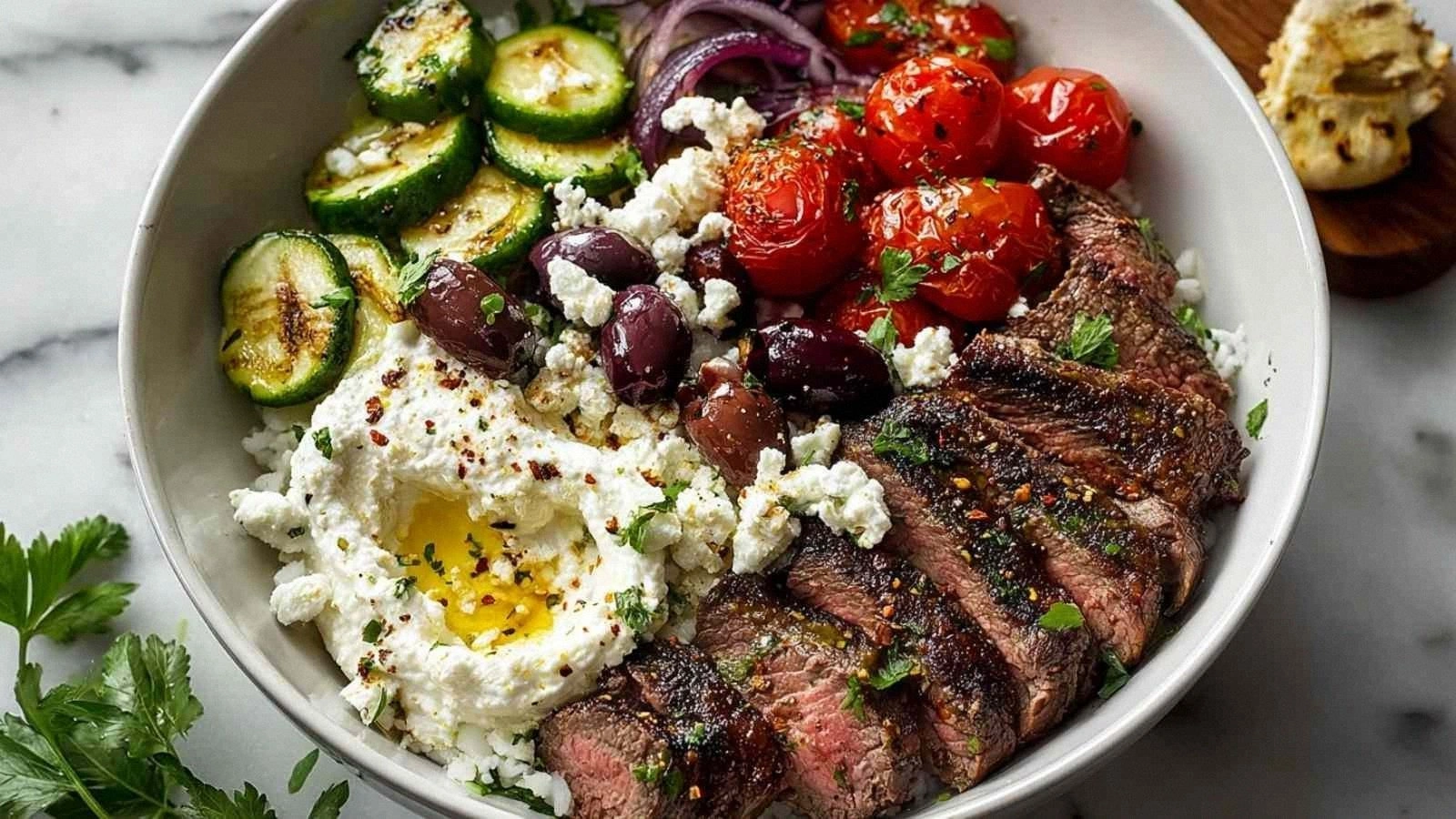
What makes this version stand out is not just the combination of flavors, but the way each element is orchestrated to play its part. The steak is marinated just enough to keep it juicy yet robust, the quinoa is toasted to bring out a nutty crunch, and the lemon juice is added at the very last moment to keep it bright. The result? A bowl that feels like a Mediterranean festival on a plate, where every bite is a different note—sweet, savory, tangy, and herbaceous—all harmonizing in perfect rhythm. I dare you to taste this and not go back for seconds; that’s the promise I’m making to you.
I’ll be honest—when I first plated this bowl, I could have sworn it looked too good to eat. The colors were vibrant enough to make my Instagram feed jealous. But the first bite was pure revelation; the steak was tender, the quinoa had a delightful bite, and the lemon finish lifted everything. That sizzle when it hits the pan? Absolute perfection. I’ve never seen a recipe that could turn a simple flank steak into a crowd‑pleasing masterpiece with so few ingredients.
If you’ve ever struggled to find a dinner that feels both fancy and effortless, you’re not alone. Most recipes get this completely wrong by overcomplicating the sauce or using too many exotic ingredients. Here’s what actually works: a balanced mix of protein, grains, vegetables, and a bright acid finish. Picture yourself pulling this out of the oven, the whole kitchen smelling incredible, and watching your friends’ eyes widen as they dig in. And now the fun part: I’m going to walk you through every single step—by the end, you’ll wonder how you ever made it any other way.
What Makes This Version Stand Out
- Flavor: The marriage of smoky steak, nutty quinoa, and bright lemon creates a taste profile that feels like a Mediterranean sunset.
- Texture: Crispy edges on the steak, al dente quinoa, and crunchy cucumbers give each bite a satisfying contrast.
- Simple Prep: Only 13 ingredients and a single skillet—no fancy sauces or multi‑step processes.
- Ingredient Quality: Fresh, seasonal produce shines, and the use of Kalamata olives adds authentic brininess.
- Crowd‑Friendly: Works for 2 or 8 people, and leftovers keep well, making it a true weeknight hero.
- Make‑Ahead Potential: Assemble the bowl, then reheat with a splash of water to keep everything juicy.
- Healthful Balance: High protein, complex carbs, and healthy fats in a single, satisfying meal.
Alright, let’s break down exactly what goes into this masterpiece. I’ll walk you through the ingredients, the technique, and the secrets that elevate this dish from “good” to “mind‑blowing.” Each component is chosen for its ability to complement the others, creating a bowl that feels like a Mediterranean getaway without leaving your kitchen.
Inside the Ingredient List
The Flavor Base
The flank steak is the star—lean yet flavorful, especially when marinated with a splash of olive oil, paprika, salt, and pepper. The paprika adds a subtle smokiness that ties the dish together, while the olive oil keeps the meat moist during searing. If you skip the steak, you lose that hearty, meaty anchor that balances the lightness of the grains and veggies. Swap for sirloin if you prefer a fattier cut, but be prepared for a slightly different texture.
The Texture Crew
Quinoa or couscous forms the base of the bowl. I prefer quinoa for its nutty flavor and slightly chewy bite, but couscous is a quick alternative that absorbs the lemony dressing beautifully. Cook the grains according to package instructions, then let them rest for a few minutes so they become fluffy and ready to mingle. If you’re short on time, use instant quinoa or pre‑cooked couscous, but be sure to rinse it to remove excess starch. A pinch of salt while cooking enhances the grains’ natural flavor.
The Unexpected Star
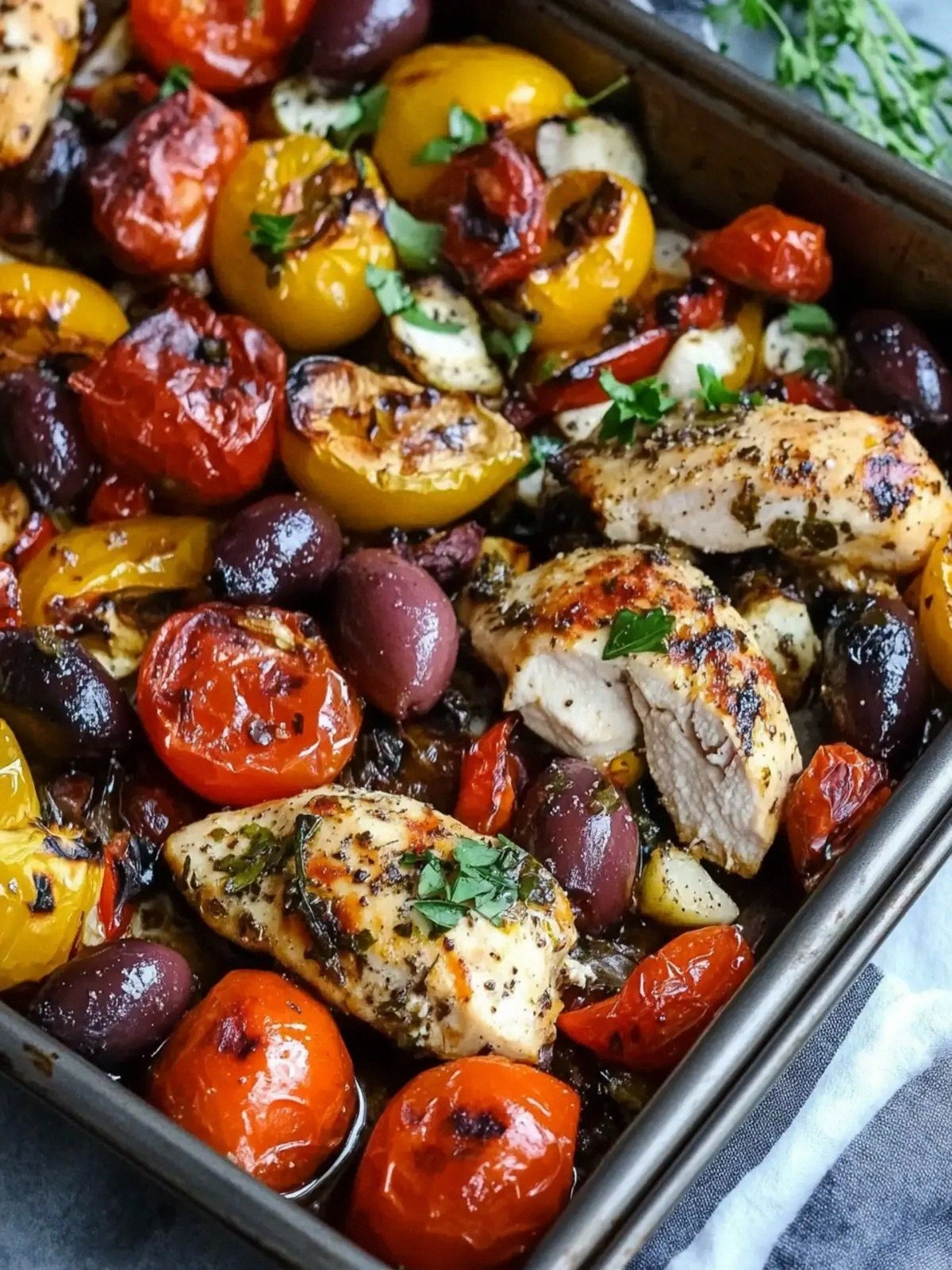
Kalamata olives might seem like a minor detail, but they bring a briny punch that elevates the entire bowl. Their dark, glossy appearance also adds a visual contrast to the bright veggies. If olives are out of reach, try pickled red onions or a spoonful of tapenade for a similar depth. Remember to pit them before adding; the pits can ruin the texture and flavor.
The Final Flourish
Fresh parsley and feta cheese are the finishing touches that bring the bowl together. Parsley adds a burst of green freshness that cuts through the richness, while feta offers creamy tanginess that melts into the warm quinoa. If you’re dairy‑free, try crumbled goat cheese or a drizzle of vegan feta. The lemon is essential; squeeze the juice right before serving to keep the acidity bright and prevent the dish from feeling flat.
Everything’s prepped? Good. Let’s get into the real action—where the magic happens in a single skillet, and the aroma turns your kitchen into a Mediterranean market.
The Method — Step by Step
- Heat a large skillet over medium‑high heat. Add 2 tablespoons of olive oil, swirling to coat. Once the oil shimmers, lay the flank steak strips in a single layer. The steak should sizzle immediately; this is the moment of truth. Cook for 3–4 minutes on each side until a golden crust forms, then remove and set aside. This quick sear locks in juices and creates a caramelized exterior that’s pure delight.
- Add the diced red onion and bell pepper to the same skillet. Sauté for 2–3 minutes until they soften but still retain a slight crunch. The onion should become translucent, not browned, preserving its sweet flavor. Stir occasionally to prevent sticking. This step builds the aromatic base that underpins the rest of the bowl.
- Pour in the cherry tomatoes and cook for an additional minute until they begin to burst. The tomatoes release their juices, creating a natural sauce that coats the vegetables. The sizzling sound is a cue that the sauce is thickening. This is the time to taste and adjust seasoning—add a pinch more salt if needed.
- Return the seared steak strips to the skillet, tossing everything together. Sprinkle in the paprika, salt, and black pepper, then stir to coat the meat and veggies evenly. The spices should mingle, creating a fragrant, cohesive flavor. Let the mixture cook for 1–2 minutes so the flavors meld.
- While the steak and vegetables finish cooking, prepare the quinoa or couscous according to package instructions. Once cooked, fluff with a fork and set aside. The grains should be tender yet slightly firm, ready to absorb the lemony dressing.
- In a small bowl, whisk together the olive oil, lemon juice, and a pinch of salt. This simple dressing is the final brightener that ties everything together. Drizzle it over the skillet contents, then stir to combine. The dressing should coat the meat and vegetables without making them soggy.
- Add the cooked quinoa to the skillet, folding it gently so it mixes with the steak and vegetables. Sprinkle the chopped cucumber, Kalamata olives, and fresh parsley on top. Finish with crumbled feta cheese, which should melt slightly into the warm mixture. Serve immediately, garnishing with extra parsley if desired.
That’s it— you did it. But hold on, I’ve got a few more tricks that will take this bowl to another level. A quick drizzle of extra virgin olive oil before serving adds a glossy sheen and a subtle fruity note. If you prefer a bit of heat, sprinkle a pinch of crushed red pepper flakes over the finished bowl. And don’t forget to serve with a side of warm pita or crusty bread to soak up the delicious juices.
Insider Tricks for Flawless Results
The Temperature Rule Nobody Follows
Cooking steak at the right temperature is key to avoiding a tough bite. Use a thermometer to aim for an internal temperature of 135°F for medium‑rare. If you’re short on a thermometer, look for the “finger test”: gently press the steak; it should feel like the base of your thumb when relaxed. I once cooked my steak at too low a heat, and it ended up rubbery—lesson learned the hard way. Keep the heat high enough to sear quickly, but not so high that the steak burns before it cooks through.
Why Your Nose Knows Best
The aroma of a dish is the first indicator of flavor. When the onions start to caramelize, the scent will shift from raw to sweet. That sweet smell signals that the onions are ready to be removed from the heat. Trust your nose; it’s the fastest way to avoid over‑cooking the vegetables. If you’re unsure, give them a quick stir and watch the color—once they’re translucent, you’re good to go.
The 5‑Minute Rest That Changes Everything
After searing the steak, let it rest for 5 minutes before slicing. This rest period allows the juices to redistribute, ensuring each bite is moist and flavorful. Skipping this step can leave the meat dry and uneven. I’ve seen people rush the process and end up with a steak that feels like a dry sandwich. Patience pays off—trust me, the difference is worth the wait.
Quick Toss for Extra Crunch
If you like a bit more crunch, toss the cucumber and bell pepper in a splash of vinegar for 30 seconds before adding them to the skillet. The acidity will keep them crisp and bright, even after the rest of the bowl heats up. This trick is especially useful during hot summer days when you want a refreshing bite. The vinegar also adds a subtle tang that complements the feta’s saltiness.
The Lemon Lift
Squeezing the lemon right before serving keeps the acidity sharp. If you squeeze too early, the lemon juice can lose its bright flavor as it sits. A quick squeeze just before plating gives the bowl a fresh, zesty punch that cuts through the richness of the steak and feta. I’ve found that a squeeze of lemon can transform a good bowl into a spectacular one.
Creative Twists and Variations
This recipe is a playground. Here are some of my favorite ways to switch things up:
Mediterranean Chicken Bowl
Swap the flank steak for grilled chicken thighs. The richer, fattier chicken pairs beautifully with the feta and olives. Use the same seasoning mix, but add a pinch of cumin for a smoky undertone. This version is great for those who prefer poultry over red meat.
Vegan Power Bowl
Omit the steak entirely and double the chickpeas. Add a splash of tahini‑lemon dressing to replace the olive oil. Sprinkle hemp seeds or toasted pumpkin seeds for extra protein and crunch. This bowl is a plant‑based powerhouse that still feels indulgent.
Spicy Sriracha Twist
Add a tablespoon of sriracha to the dressing for a kick of heat. The heat pairs well with the smoky steak and bright lemon. Keep the rest of the ingredients the same, but feel free to add a handful of crushed red pepper flakes for an extra punch. Perfect for spice lovers.
Grilled Veggie Variation
Instead of sautéing the veggies, grill them until charred. The smoky char adds depth and pairs beautifully with the steak. Use a grill pan or a real grill for the best results. This variation is ideal for summer cookouts.
Pasta‑Style Bowl
Replace quinoa with penne or fusilli. Toss the pasta with olive oil and lemon before adding the steak and veggies. The pasta’s shape holds the dressing well, creating a hearty, comforting bowl. Great for a cozy weeknight dinner.
Storing and Bringing It Back to Life
Fridge Storage
Store the bowl in an airtight container for up to 3 days. Keep the quinoa and vegetables separate from the steak if you want to reheat them individually. When ready to eat, combine the components, drizzle with a little olive oil, and give it a quick stir. This method preserves the textures and flavors.
Freezer Friendly
You can freeze the cooked steak and vegetables separately for up to 2 months. Reheat in a skillet with a splash of water or broth to keep the meat moist. The quinoa can be reheated in the microwave with a splash of water to restore its fluffiness. Freezing is a great way to have a ready‑to‑cook meal on hand.
Best Reheating Method
Reheat the bowl in a skillet over medium heat, adding a tiny splash of water or broth to create steam. Stir frequently to prevent sticking. This technique keeps the quinoa from drying out and the steak from becoming tough. Finish with a squeeze of fresh lemon and a sprinkle of parsley for that bright, fresh finish.