It began with a kitchen disaster I can still taste—one of those nights when I was trying to impress a friend and the chicken ended up as a dry, flavorless slab of meat. I stared at the skillet, the air thick with the scent of burnt butter, and thought, “There has to be a better way.” That moment of culinary frustration turned into a revelation: a sauce that marries the earthiness of miso, the sweet kiss of maple syrup, and the luxurious richness of butter could rescue any chicken dish.
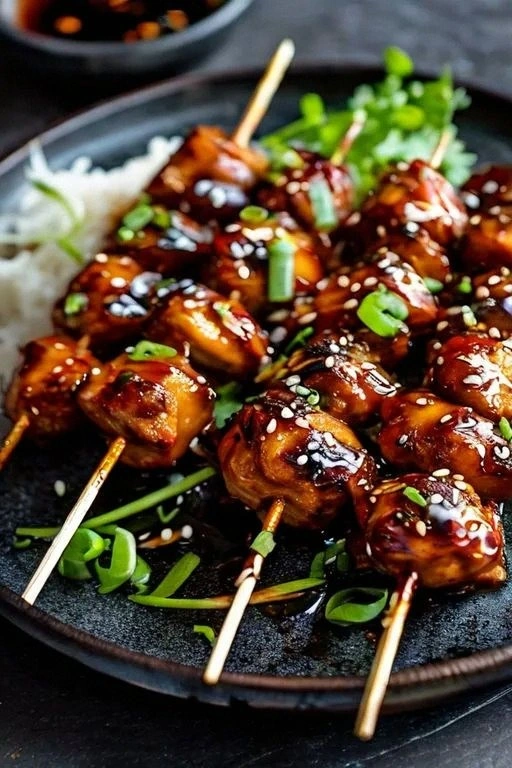
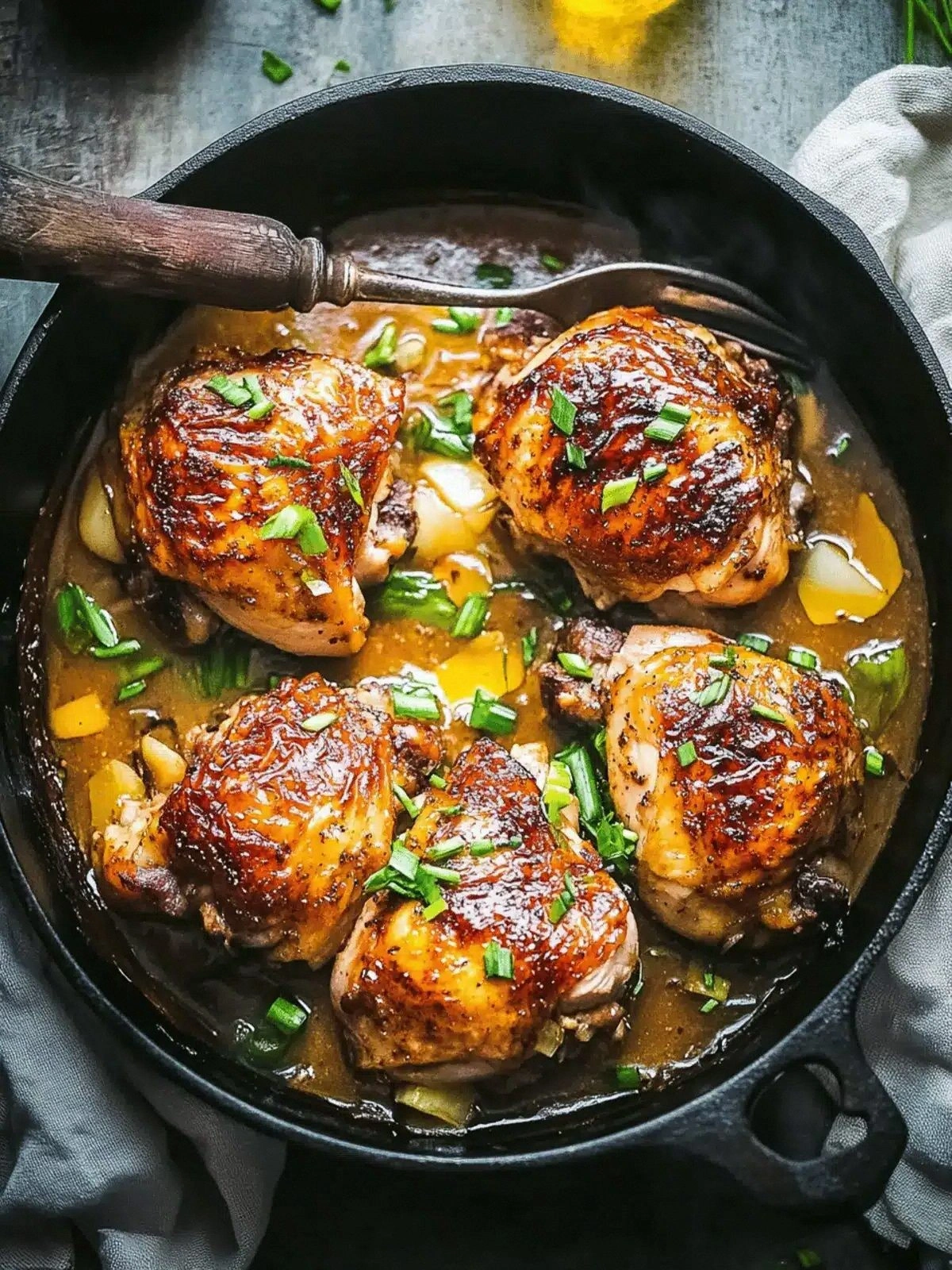
Picture this: a sizzling pan, the sound of the butter melting into a golden pool, and the aroma of ginger and garlic filling the room. The miso, dark and savory, glazes the chicken, creating a glossy coat that looks as if it were hand‑painted. When you bite, the exterior cracks with a satisfying snap, revealing tender, juicy meat that sings with umami and sweetness. I dared you to taste this and not go back for seconds, and honestly, I ate half the batch before anyone else could even see the plate.
This version stands out because it takes a simple concept—marinated, pan‑seared chicken—and elevates it with a sauce that is both complex and approachable. Most recipes get this completely wrong by over‑cooking the meat or under‑seasoning the sauce. Here, the miso and maple syrup balance each other perfectly, while the butter adds depth without overpowering. The result is a dish that feels like a gourmet creation, yet requires less than 30 minutes from start to finish.
If you’re wondering what the secret is, it’s the timing of the butter and miso, the gentle simmer that allows the flavors to mingle, and the final splash of rice vinegar that brightens the entire plate. Picture yourself pulling this out of the oven, the whole kitchen smelling incredible, and the table already set with a crowd of eager diners. Let me walk you through every single step—by the end, you’ll wonder how you ever made it any other way.
What Makes This Version Stand Out
- Flavor: The miso and maple syrup create a sweet‑savory profile that lingers on the palate, unlike the plain soy or ketchup sauces that dominate most chicken dinners.
- Texture: A crisp, caramelized crust forms on the skin while the interior remains melt‑in‑your‑mouth tender, giving you two distinct mouthfeel experiences in one bite.
- Simplicity: With only ten ingredients, the recipe is a breeze for busy weeknights, yet the outcome feels like a restaurant‑grade dish.
- Uniqueness: The combination of miso and butter is uncommon in mainstream chicken recipes, providing a fresh twist that surprises guests.
- Crowd Reaction: Friends who have tried it say they can’t stop raving about the sauce’s depth; it’s the kind of dish that turns an ordinary dinner into a memorable event.
- Ingredient Quality: Using fresh, high‑quality miso and real butter elevates the dish, whereas lower‑grade substitutes lose the silky finish.
- Cooking Method: Pan‑searing followed by a quick glaze avoids the need for a slow cooker or oven, saving time without sacrificing flavor.
- Make‑Ahead Potential: The sauce can be pre‑made and stored, allowing you to assemble the dish in just minutes on a busy night.
Alright, let’s break down exactly what goes into this masterpiece…
Inside the Ingredient List
The Flavor Base
White miso is the heart of this sauce. Its deep, fermented umami anchors the sweetness of maple syrup, creating a balanced flavor that coats the chicken like velvet. Skipping miso would strip the dish of its depth, leaving you with a bland glaze that feels like a missed opportunity. If you prefer a slightly sweeter profile, you can substitute a touch of brown sugar for a fraction of the miso, but the traditional blend remains unbeatable.
The Texture Crew
The butter is more than a cooking fat; it’s a flavor carrier that melts into the sauce, adding a silky mouthfeel that turns each bite into a luxurious experience. If you’re lactose intolerant, a plant‑based butter works, but be aware it won’t give the same depth of flavor. The skin-on, bone‑in chicken thighs bring a natural richness and hold the sauce beautifully, ensuring every forkful is juicy.
The Unexpected Star
Maple syrup brings a subtle sweetness that balances the salty miso, while its natural sugars help the sauce caramelize into a glossy sheen. A pinch of fresh ginger adds a bright, zesty kick that cuts through the richness, and the lightly smashed garlic cloves release their oils slowly, ensuring the garlic flavor is present without becoming overpowering. If you’re a fan of heat, a few crushed red pepper flakes can be added to the sauce.
The Final Flourish
Rice vinegar is the finishing touch that brightens the sauce, preventing it from feeling too heavy. Toasted sesame seeds add a nutty crunch and a pop of color that makes the dish visually stunning. Scallions, finely sliced, provide a fresh, oniony note that lifts the entire flavor profile. Finally, black pepper is sprinkled to taste, offering a mild heat that ties all the components together.
Everything’s prepped? Good. Let’s get into the real action…
The Method — Step by Step
- First, season the chicken thighs generously with salt and freshly ground black pepper. Pat them dry with paper towels; this step is crucial for achieving that coveted crispy skin. Let the thighs rest at room temperature for about ten minutes—this ensures even cooking. When you’re ready, heat a large skillet over medium‑high heat and add two tablespoons of butter. Watch as the butter foams and begins to brown slightly; that’s the cue that the pan is hot enough. This initial sear locks in juices and sets the stage for a golden crust.
- Place the thighs skin‑side down in the skillet, pressing them gently to keep the skin flat against the pan. Sear for about 5–6 minutes, or until the skin turns deep amber and releases easily from the pan. Flip the thighs and sear the other side for an additional 4 minutes. The goal is a beautiful caramelization, not a char. If the butter starts to smoke, lower the heat slightly to avoid bitterness.
- Remove the thighs from the skillet and set them aside on a plate. In the same pan, reduce the heat to medium and add the remaining two tablespoons of butter. Once melted, stir in the grated ginger, smashed garlic, and a splash of rice vinegar. Let the aromatics sauté for 30 seconds until fragrant, being careful not to let the garlic brown too quickly. This quick sauté releases the essential oils that will carry the miso and maple syrup flavors.
- Add the white miso to the pan, whisking constantly to dissolve it into a smooth sauce. Then pour in the maple syrup, stirring until the mixture starts to thicken slightly. The sauce should be glossy and cling to the back of a spoon. If it’s too thick, add a teaspoon of water to reach the desired consistency. This is the moment of truth—your sauce should smell toasty and slightly sweet, hinting at the richness to come.
- Return the chicken thighs to the skillet, skin‑side up, and spoon the sauce over them. Reduce the heat to low and let the chicken simmer in the sauce for 8–10 minutes, turning occasionally so the glaze coats every surface. The thighs should reach an internal temperature of 165°F (74°C). The sauce will thicken and coat the meat like a glossy, savory lacquer.
- During the last two minutes of cooking, sprinkle the toasted sesame seeds over the thighs and garnish with finely sliced scallions. The seeds add a nutty crunch that contrasts beautifully with the tender meat, while the scallions provide a bright, fresh finish that lifts the entire dish.
- Once cooked, transfer the thighs to a serving platter. Drizzle any remaining sauce from the pan over the top for an extra burst of flavor. The dish should look glossy and appetizing, with a subtle sheen that catches the light.
- Serve immediately with steamed rice, sautéed greens, or a simple side of roasted vegetables. The combination of textures—from the crisp skin to the silky sauce—creates a harmonious dining experience that will have everyone asking for the recipe.
That’s it—you did it. But hold on, I’ve got a few more tricks that will take this to another level and make it truly unforgettable.
Insider Tricks for Flawless Results
The Temperature Rule Nobody Follows
Many people think high heat is the key to a great sear, but the best results come from a moderate, steady temperature that allows the skin to crisp without burning the butter. I’ve found that a medium‑high setting is ideal for the initial sear, while a low setting during the simmer keeps the sauce from reducing too quickly. This approach preserves the buttery richness and prevents the miso from developing a bitter edge.
Why Your Nose Knows Best
Trust your nose when the sauce starts to bubble and emit a faint nutty aroma. That’s the cue that the miso has fully integrated and the glaze is ready to coat the chicken. If you wait too long, the sauce can become too thick and lose its glossy sheen, making it difficult to coat the meat evenly.
The 5-Minute Rest That Changes Everything
After removing the chicken from the skillet, let it rest for five minutes on a warm plate. This allows the juices to redistribute, ensuring each bite is juicy rather than dry. During this rest period, the sauce will thicken slightly, making it easier to drizzle over the thighs for a more polished presentation.
How to Keep the Sauce from Splattering
When adding the maple syrup, use a small measuring cup and pour it slowly into the pan. This minimizes splattering and keeps the sauce from boiling over. A slow pour also helps the syrup blend more evenly with the miso, creating a smooth glaze.
Enhancing the Aroma with Fresh Herbs
Adding a sprig of thyme or a few basil leaves to the skillet while the chicken simmers can infuse subtle herbal notes into the sauce. Remove the herbs before serving to keep the dish clean and focused on the miso‑butter flavor profile.
Creative Twists and Variations
This recipe is a playground. Here are some of my favorite ways to switch things up:
Asian‑Inspired Stir‑Fry
Swap the chicken thighs for diced chicken breast and sauté them with sliced bell peppers and snow peas. Use the same miso‑butter glaze, and finish with a splash of soy sauce and a sprinkle of sesame seeds. This version is perfect for a quick weeknight stir‑fry.
Spicy Kick
Add a tablespoon of Sriracha or a pinch of cayenne pepper to the sauce for heat. The spicy element pairs wonderfully with the sweet maple syrup, creating a balanced, bold flavor that’s sure to impress.
Vegetarian Version
Replace the chicken with thick slices of tofu or tempeh. Marinate the protein in a mixture of miso, maple syrup, and a dash of soy sauce before pan‑searing. The tofu will absorb the glaze, delivering a plant‑based protein that still feels indulgent.
Herb‑Infused Variation
Stir in fresh thyme or rosemary during the simmer stage. The earthy herbs complement the miso, adding a fragrant layer that elevates the dish for a more rustic feel.
Breakfast Twist
Serve the miso‑butter chicken over fluffy scrambled eggs and a side of sautéed spinach. The savory sauce pairs beautifully with breakfast staples, creating a hearty morning meal.
Low‑Carb Alternative
Replace the maple syrup with a sugar‑free sweetener like erythritol and serve the dish over cauliflower rice. This keeps the flavor profile intact while reducing the carbohydrate content.
Storing and Bringing It Back to Life
Fridge Storage
Cool the chicken completely before placing it in an airtight container. Store in the refrigerator for up to 3 days. When ready to eat, reheat in a skillet over medium heat until warmed through; the sauce will thicken slightly, so add a splash of water if it becomes too thick.
Freezer Friendly
Wrap each thigh individually in parchment paper, then place them in a freezer bag. Freeze for up to 2 months. Thaw overnight in the refrigerator before reheating as described above.
Best Reheating Method
Reheat the chicken in a skillet over medium heat, adding a small splash of water or chicken broth to keep the sauce moist. Finish with a drizzle of soy sauce or a squeeze of lime juice for a fresh lift. This method preserves the sauce’s glossy sheen and ensures the chicken remains juicy.