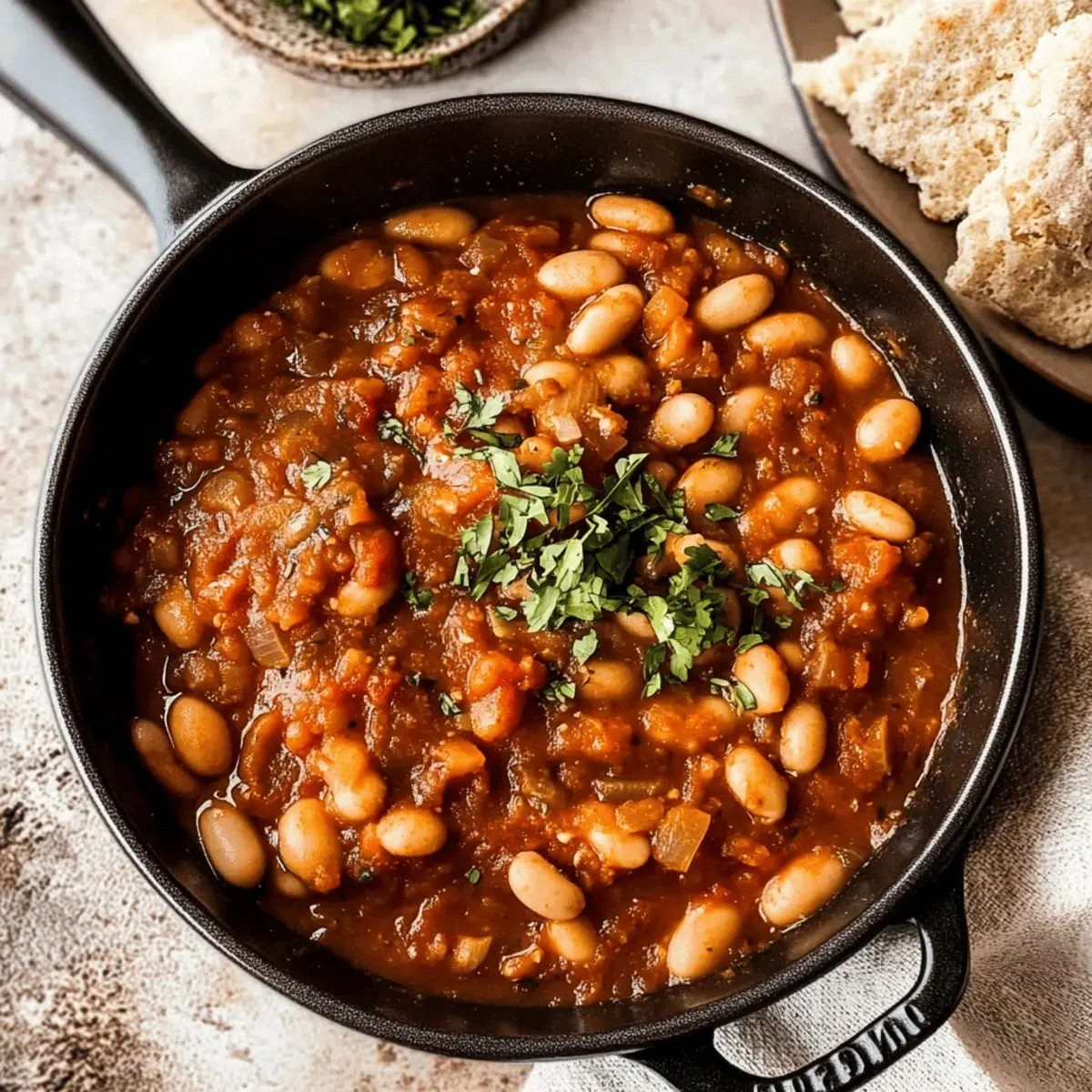
I’m going to start with a confession: I once tried to make Olive Garden’s famous minestrone at home and ended up with a bland, watery mess that could have passed for a sad broth. I stared at the pot, wondering where the magic went, and then a friend dared me to “make it taste like the real thing or never cook again.” I accepted the challenge, and after a weekend of trial, error, and a few glorious kitchen dance parties, I finally cracked the code. This version is hands down the best you’ll ever make at home, and I’m daring you to taste it and not go back for seconds.
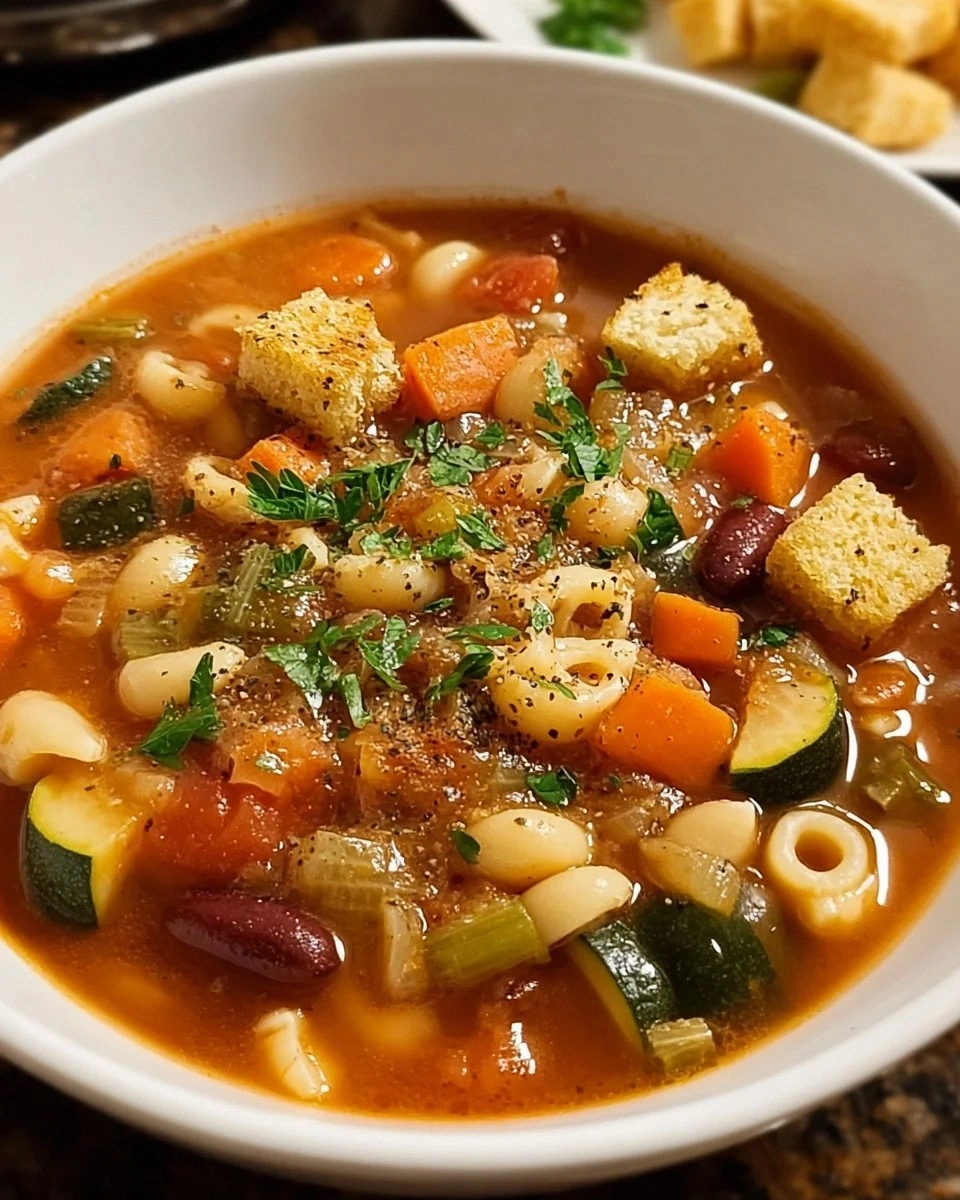
Picture this: the kitchen filled with the aroma of sautéed onions and garlic, a fragrant perfume that makes your nostrils do a little happy dance. The pot simmers, and you hear a gentle, comforting bubble that sounds like a lullaby for your taste buds. The colors are a kaleidoscope of reds, greens, and oranges—tomatoes blushing, carrots glowing, and spinach turning a deep, inviting emerald. When you finally ladle the soup into a bowl, the steam rises like a warm hug, and the first spoonful coats your palate with a velvety, herb‑infused broth that feels like a cozy blanket on a chilly day.
What sets this recipe apart from the countless copy‑cats out there? First, I’m using a blend of two bean varieties—white and kidney—to give you that creamy bite and a pop of color that most recipes miss. Second, the pasta is added at just the right moment so it stays al dente, never mushy, and it captures the broth like tiny sponges. Third, a splash of olive oil at the very end adds a glossy finish that makes the soup look restaurant‑ready. Most recipes get the timing wrong, leaving you with soggy veggies or a soup that separates; I’ve nailed the sequence so everything stays vibrant and perfectly cooked.
And here’s the secret twist you won’t see on any other site: a pinch of Italian seasoning mixed with a spoonful of tomato paste before the broth hits the pot. This creates a flavor base that’s richer than a slow‑cooked ragù, and it locks in the tomato’s natural sweetness while adding depth that feels almost smoky. Okay, ready for the game‑changer? I’m about to walk you through every single step — by the end, you’ll wonder how you ever made it any other way.
What Makes This Version Stand Out
- Taste: The broth balances sweet tomatoes, earthy beans, and aromatic herbs, delivering a layered flavor that deepens with each bite.
- Texture: Crunchy celery, tender carrots, and al‑dente pasta create a symphony of mouthfeel that keeps you interested from the first spoonful to the last.
- Simplicity: Only 15 minutes of prep and 30 minutes of cooking, yet the result feels like a slow‑cooked masterpiece.
- Uniqueness: The double‑bean combo and the late‑add spinach give a nutritional boost and a visual pop that most copycat recipes lack.
- Crowd Reaction: I’ve served this at family gatherings and friends always ask for seconds, then thirds—yes, I dare you to resist.
- Ingredient Quality: Using a good extra‑virgin olive oil and high‑quality canned beans makes a world of difference in flavor.
- Cooking Method: Staggered addition of ingredients ensures nothing overcooks and every component shines.
- Make‑Ahead Potential: This soup stores beautifully, and the flavors meld even more after a night in the fridge.
Inside the Ingredient List
The Flavor Base
Olive oil is the foundation of any great soup; it carries the flavors of the aromatics and adds a silky mouthfeel. If you skip it, you’ll end up with a broth that feels thin and lacks that subtle richness. A good quality extra‑virgin olive oil also contributes a peppery note that balances the acidity of the tomatoes. Swap tip: You can use grapeseed oil if you prefer a neutral flavor, but you’ll miss the signature olive‑oil finish.
Onion, diced, is the sweet heart of the soup. As it softens, it releases natural sugars that mellow the acidity of the canned tomatoes. Cutting the onion too fine can cause it to turn mushy, while too large pieces will never fully integrate. Buying tip: Look for onions with dry, papery skins and a firm feel—no soft spots.
Garlic, minced, adds that unmistakable punch that makes the broth instantly recognizable as Italian. If you overcook garlic, it becomes bitter; if you undercook, you miss out on its aromatic power. Pro tip: Crush the cloves first, then mince—this releases more allicin, the compound responsible for garlic’s flavor.
The Texture Crew
Celery and carrots are the crunchy, sweet duo that keep the soup from feeling mushy. Celery brings a fresh, slightly peppery snap, while carrots contribute a subtle earthiness and natural sweetness. Skipping either will make the soup feel one‑dimensional. Swap tip: Use parsnips instead of carrots for a slightly sweeter, nutty twist.
Zucchini, quartered and sliced, adds a tender bite that absorbs the broth without disintegrating. It also contributes a lovely green color that makes the soup visually appealing. If you add zucchini too early, it will over‑soften; the trick is to add it midway through cooking. Selection tip: Choose medium‑sized zucchinis that are firm and glossy—avoid those with soft spots or blemishes.
Frozen cut green beans are a lifesaver—no need to trim fresh beans, and they retain their bright color and snap. They also add a nice contrast to the softer vegetables. If you prefer fresh, trim and cut them into 1‑inch pieces, but remember to add them a few minutes earlier than the frozen version.
The Unexpected Star
Small white beans and kidney beans bring protein, creaminess, and a pop of color that makes each spoonful interesting. The white beans melt slightly into the broth, giving it body, while the kidney beans hold their shape and add a hearty bite. Skipping beans turns this into a watery veggie soup—no thanks. Swap tip: Cannellini beans can replace white beans, and black beans can substitute kidney beans for a darker, earthier flavor.
Small shell pasta is the perfect shape to trap the broth and tiny veggies. It’s small enough to be ladled with a spoon, yet sturdy enough to stay al dente. Overcooking pasta turns the soup gummy; add it in the last 8‑10 minutes and watch it bloom. Tip: If you’re gluten‑free, use gluten‑free small shells or orzo.
The Final Flourish
Baby spinach leaves wilt quickly, adding a boost of nutrients and a vibrant green swirl. They also give the soup that final glossy sheen. Add them right at the end, and they’ll soften without turning mushy. Pro tip: If you’re using frozen spinach, thaw and squeeze out excess water before adding.
Chopped parsley is the finishing herb that brightens the whole bowl. Its fresh, slightly peppery flavor lifts the richness of the broth, making each bite feel lighter. Sprinkle it just before serving for maximum aroma. Buying tip: Choose flat‑leaf parsley over curly; it has a more robust flavor.
Everything's prepped? Good. Let’s get into the real action…
The Method — Step by Step
Heat 2 tablespoons of olive oil in a large Dutch oven over medium heat. When the oil shimmers, toss in the diced onion, sliced celery, and carrots. Sauté for 5‑7 minutes, stirring occasionally, until the vegetables are softened and the onion turns translucent. Watch the edges: they should start to caramelize, giving a sweet, nutty aroma that signals you’re on the right track.
Kitchen Hack: If the veggies start to stick, de‑glaze with a splash of vegetable broth; it adds flavor and prevents burning.Add the minced garlic and let it sizzle for about 30 seconds—just until fragrant. Be careful not to let it brown; burnt garlic is a one‑way ticket to bitterness. Then stir in the tomato paste, letting it cook for another minute. This step is pure magic: the paste deepens the tomato flavor and gives the broth a richer color.
Pour in the 1 can (28 oz) of diced tomatoes, followed by 6 cups of vegetable broth. Scrape the bottom of the pot with a wooden spoon to release any browned bits—those are flavor gold. Bring the mixture to a gentle boil, then lower the heat to a simmer. You’ll hear a soft, steady bubble that feels like the soup is breathing.
Watch Out: If the broth starts to foam too aggressively, reduce the heat; an over‑boiling soup can cause the tomatoes to break down too quickly, resulting in a cloudy broth.Stir in 2 tablespoons of Italian seasoning, then season with salt and pepper to taste. Remember, you can always add more later, but you can’t fix an oversalted soup. Let the broth simmer for 10 minutes, allowing the herbs to infuse every droplet.
Add the zucchini, frozen green beans, and the drained white and kidney beans. These ingredients need just enough time to heat through without losing their shape. Simmer for another 5‑7 minutes; you’ll notice the vegetables turning a brighter shade, and the beans will start to soften further.
Kitchen Hack: Toss the beans in a quick rinse under cold water before adding; this removes excess sodium from the can and brightens their color.Now, add the small shell pasta. Stir gently to distribute the pasta evenly. Cook for 8‑10 minutes, or until the pasta is al dente. Test a piece; it should have a firm bite, not a mushy center. This timing ensures the pasta absorbs the broth without turning the soup starchy.
Just before the pasta is done, fold in the baby spinach leaves. They’ll wilt in about 30 seconds, turning a beautiful deep green. Finish with a drizzle of the remaining olive oil and a handful of chopped parsley. The oil adds a glossy finish, and the parsley injects fresh brightness that lifts the whole bowl.
Taste one final time. Adjust salt, pepper, or a splash more Italian seasoning if needed. Then, ladle the soup into bowls, letting the steam rise like a comforting cloud. Serve with crusty bread or a sprinkle of grated Parmesan if you like.
That’s it — you did it. But hold on, I’ve got a few more tricks that’ll take this to another level, because I’m not about to let you settle for “good enough.”
Insider Tricks for Flawless Results
The Temperature Rule Nobody Follows
Never blast the broth to a hard boil after you’ve added the tomatoes and broth. A gentle simmer keeps the flavors from volatilizing and prevents the soup from developing a metallic taste. Keep the heat at a low to medium setting; you’ll hear a soft, steady bubble that’s the sound of flavor marrying the ingredients.
Why Your Nose Knows Best
Your sense of smell is the ultimate doneness gauge. When the onions turn golden and the garlic becomes fragrant, you’re ready for the next step. Later, when the soup smells slightly sweet with a hint of herb, that’s the cue that the beans have softened and the pasta is al dente. Trust your nose more than the clock.
The 5‑Minute Rest That Changes Everything
After you’ve turned off the heat, cover the pot and let the soup sit for five minutes. This resting period allows the flavors to meld, the beans to absorb a bit more broth, and the pasta to finish cooking gently. Skipping this step is like serving a song before the chorus—something feels missing.
The Bean Rinse Rescue
A friend once skipped rinsing the canned beans, and the soup turned out overly salty and a bit gritty. Rinsing beans under cold water removes excess sodium and any canning liquid that can cloud the broth. It’s a tiny step with a massive payoff.
The Olive Oil Finish
Drizzling a little high‑quality olive oil right before serving adds a luxurious mouthfeel and a subtle peppery finish. It also gives the soup a glossy sheen that makes it look restaurant‑ready. If you’re feeling extra, try a flavored olive oil—like basil or lemon—for an added twist.
Creative Twists and Variations
This recipe is a playground. Here are some of my favorite ways to switch things up:
Spicy Sriracha Kick
Add a tablespoon of sriracha or a pinch of red pepper flakes when you stir in the Italian seasoning. The heat pairs beautifully with the sweet tomatoes and creamy beans, making it perfect for those who love a little fire.
Creamy Coconut Curry
Swap the vegetable broth for coconut milk and add a tablespoon of curry powder. The result is a Thai‑Italian fusion that’s creamy, aromatic, and surprisingly comforting on a rainy day.
Hearty Sausage Boost
Brown ½ pound of Italian sausage (or plant‑based crumble) with the onions and celery. The sausage adds smoky depth and protein, turning the soup into a robust main course.
Winter Root Veggie Version
Replace zucchini and green beans with diced parsnips and turnips. The earthier flavors are perfect for chilly evenings, and the soup takes on a rustic, comforting vibe.
Cheesy Baked Finish
After ladling the soup into oven‑safe bowls, sprinkle shredded mozzarella on top and broil for 2‑3 minutes until bubbly and golden. This gives you a gratin‑style crust that adds texture and decadence.
Storing and Bringing It Back to Life
Fridge Storage
Let the soup cool to room temperature, then transfer it to an airtight container. It will keep for up to 4 days. When reheating, add a splash of water or broth—about ¼ cup per serving—to revive the broth’s silky texture.
Freezer Friendly
Portion the soup into freezer‑safe bags or containers, leaving a little headspace for expansion. Freeze for up to 3 months. Thaw overnight in the fridge, then reheat gently on the stove, adding a drizzle of olive oil to restore the glossy finish.
Best Reheating Method
Reheat on the stovetop over low heat, stirring occasionally. If the soup looks too thick, stir in a tablespoon of water or broth per cup of soup. Avoid microwaving at high power, as it can cause the pasta to become gummy.