I stood in my kitchen at 2 AM, staring at a half-eaten pie crust and a bag of pecans, wondering if I had officially lost my mind. The pie I had planned to make for tomorrow's dinner party had collapsed into a puddle of frustration when the filling seized up like cement. But here's the thing about desperation — it breeds brilliance. As the cinnamon-scented air wrapped around me like a cozy blanket, I started slicing that abandoned crust into strips, sprinkling them with sugar and spice, and tossing on some chopped pecans. Twenty minutes later, my apartment smelled like a autumnal dreamscape, and I was standing over a sheet pan of the most addictive cookies I'd ever tasted. The edges were shatteringly crisp, the centers tender and flaky, and the cinnamon-pecan topping had caramelized into little pockets of pure joy. I ate six of them standing right there in my pajamas, burned my tongue because I couldn't wait, and immediately started making another batch because I knew I'd just stumbled onto something magical.
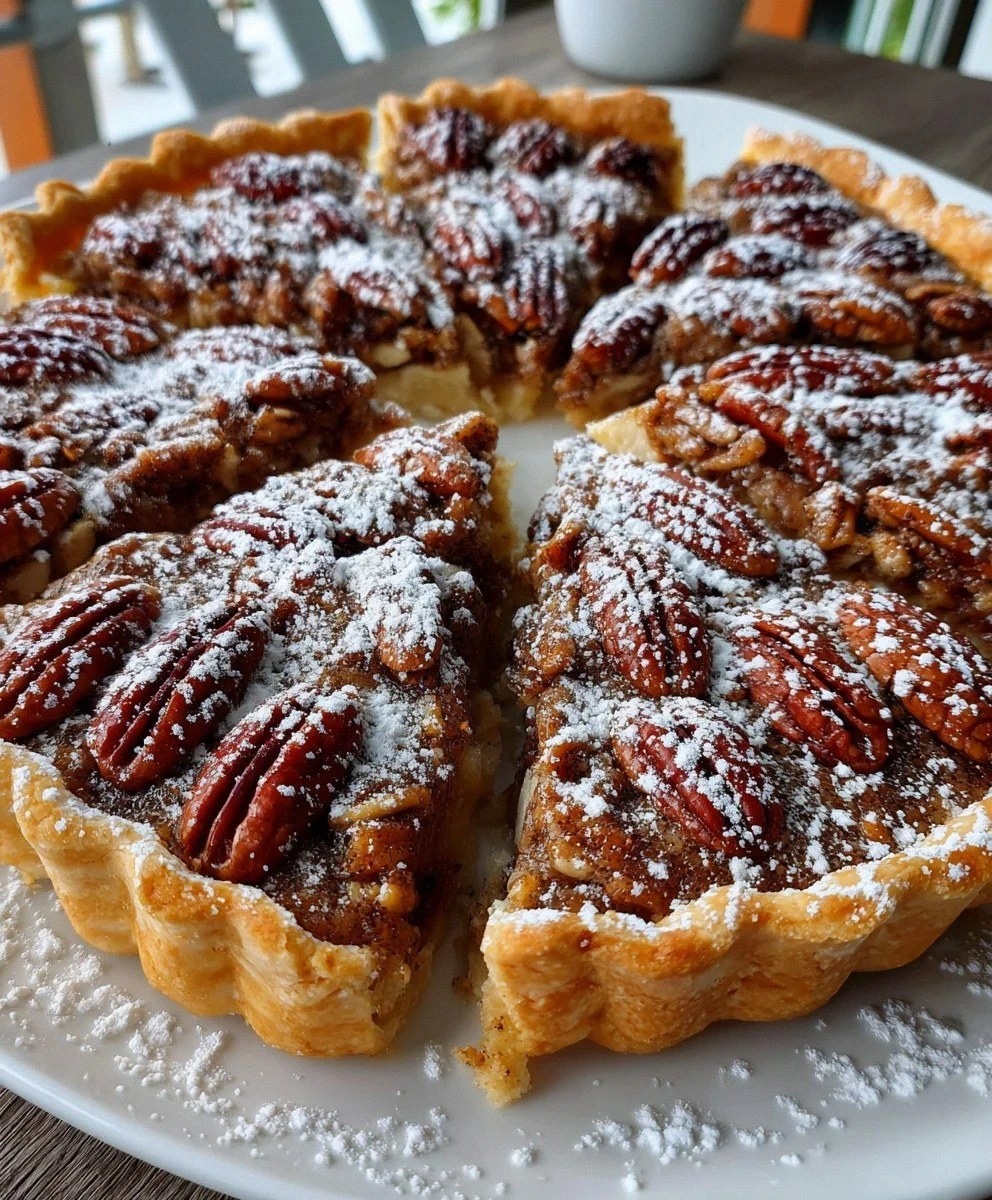
Fast forward through three months of obsessive testing, and I'm here to tell you that pie crust cookies are the sleeper hit of the baking world. Most people waste their leftover dough or toss it without a second thought, but they're missing out on what might be the easiest, most crowd-pleasing cookie that ever graced a cookie jar. These aren't just "good for using up scraps" — these are intentionally spectacular treats that will have people begging for your secret. The magic lies in the contrast: the ultra-flaky layers of butter pastry that shatter like thin ice when you bite them, giving way to a tender, almost croissant-like interior, all crowned with a cinnamon-sugar-pecan crust that tastes like the best part of a coffee cake condensed into crunchy perfection. Every bite delivers that satisfying snap, then melts away, leaving behind the warm embrace of cinnamon and the rich, toasty notes of pecans.
What makes this version completely different from anything you'll find floating around the internet is the technique I developed after ruining at least forty batches in the name of science. Instead of just sprinkling toppings on top (which inevitably falls off and burns), we create a sort of cinnamon-pecan paste that adheres to the dough like delicious barnacles. The result? Cookies that stay crisp for days, pack maximum flavor into every bite, and look like they came from the most exclusive European bakery. Plus, I'm going to show you how to get that professional laminated texture even if you've never made pastry before in your life. Ready for the game-changer? We're using the pie crust's natural layers to our advantage, creating hundreds of flaky pockets that catch the cinnamon sugar and create little rivers of caramelized goodness throughout each cookie.
Let me walk you through every single step — by the end, you'll wonder how you ever made it any other way.
What Makes This Version Stand Out
Flaky Factor: These cookies achieve a level of flakiness that would make a French pastry chef weep with joy. By using the pie crust's natural lamination and adding strategic folds, we create hundreds of buttery layers that separate during baking, giving you that incredible shatter-and-melt texture that makes people close their eyes when they taste them.
Flavor Bomb: Instead of a simple cinnamon sugar sprinkle, we create a pecan-cinnamon paste that seeps into every layer of the dough. This means every bite delivers intense flavor, not just the top surface. The toasting of the pecans beforehand unlocks their oils, creating a depth of flavor that plain nuts just can't match.
Foolproof Technique: Most recipes fail because the toppings burn or fall off. Our method creates an adhesive coating that stays put, caramelizes perfectly, and never burns. Even if you've never baked before, you'll get professional-looking results every single time.
Speed Demon: From "I want cookies" to "I'm eating cookies" takes under 30 minutes if you're using store-bought crust. Even with homemade dough, you're looking at 45 minutes total — faster than ordering takeout and infinitely more satisfying.
Leftover Legend: This recipe transforms pie crust scraps into something people will fight over. Never again will you throw away those trimmings or feel guilty about not making a full pie. These cookies actually taste better when made from chilled scraps!
Make-Ahead Marvel: The shaped, unbaked cookies freeze beautifully for up to 3 months. Pop them straight from freezer to oven, add 2 minutes to the baking time, and you've got fresh, warm cookies whenever the craving strikes.
Alright, let's break down exactly what goes into this masterpiece...
Inside the Ingredient List
The Flavor Base
The prepared all-butter pie crust is absolutely non-negotiable here — it's the entire foundation of our cookie's personality. Butter-based crusts contain actual butter (shocking, I know), which creates steam during baking and gives us those incredible flaky layers. Shortening-based crusts just won't cut it; they make cookies that taste flat and feel greasy rather than shatteringly crisp. If you're going store-bought, splurge on the premium brand in the refrigerated section — the difference in flavor is like comparing a fast food burger to one from your favorite steakhouse. For the homemade crew, use the recipe on the back of the King Arthur flour bag with European-style butter for maximum flakiness.
White sugar isn't just here for sweetness — it's our texture wizard. As it heats, it creates little pockets of caramel that add crunch and complexity. Don't substitute brown sugar here; the molasses content makes everything too soft and chewy. We're going for crisp edges that snap like autumn leaves underfoot, not soft bakery cookies. The sugar also helps our cinnamon-pecan mixture adhere and creates that beautiful golden-brown color that makes people reach for the cookie plate before they even know what they're doing.
The Spice Squad
Ground cinnamon is the warm hug that makes these cookies feel like home, but not all cinnamon is created equal. Skip the generic grocery store stuff and hunt down Ceylon cinnamon if you can find it — it's sweeter, more complex, and lacks the harsh edges of Cassia cinnamon. The difference is like comparing a fine wine to grape soda. We need just enough to perfume the cookies without overwhelming the delicate butter flavor of the crust. One teaspoon is perfect; more than that and you're heading into red-hot candy territory, which is not where we want to go.
Here's where most recipes go wrong: they use too little cinnamon or the wrong kind. The result is cookies that taste vaguely spicy but don't deliver that warm, nostalgic punch we're after. If you've ever made cinnamon toast that tasted flat, you know exactly what I'm talking about. Our ratio hits that sweet spot where the cinnamon enhances rather than dominates, creating cookies that taste like the best parts of fall condensed into portable form.
The Crunch Crew
Whole pecans are the unsung heroes here, providing not just crunch but incredible flavor when we toast them properly. Don't you dare use pre-chopped nuts — they've lost half their oils and taste like cardboard. Buy whole pecans, toast them in a dry pan until they smell like you're walking through a southern orchard in October, then chop them yourself. The toasting step is crucial; it transforms the nuts from bland to buttery, bringing out caramel notes that pair perfectly with our cinnamon. If you can't find pecans, walnuts work in a pinch, but they'll be slightly more bitter and won't give you that same sweet, almost bourbon-like flavor that makes these cookies completely addictive.
The size of your pecan pieces matters more than you'd think. Too large and they fall off the cookies; too small and they burn before the pastry is cooked. Aim for pieces about the size of lentils — small enough to stay put but large enough to give you that satisfying crunch. And here's a pro tip: save some of the larger pieces to press into the tops of your cookies right before baking. They'll toast to perfection and create little jewel-like accents that make your cookies look bakery-professional.
The Binding Agents
The large egg plus water creates our egg wash, which is basically edible glue for our cinnamon-pecan mixture. The protein in the egg helps everything adhere during baking, while the water thins it slightly so it brushes on smoothly without clumping. Don't skip this step or try to use just water — your topping will slide off like kids on a waterslide, leaving you with plain cookies and a burnt mess on your baking sheet. The egg wash also gives us that gorgeous golden-brown color that makes these look like they came from a professional bakery instead of your kitchen at midnight.
All-purpose flour is our insurance policy against sticky disasters. Even if your pie crust feels fine, a light dusting prevents any sticking and helps us achieve those clean, sharp edges that make these cookies look intentional rather than like happy accidents. Don't substitute other flours here — we need the neutral flavor and fine texture of AP flour. And go easy with it; we're not breading chicken here, just preventing stickage. Too much flour will make your cookies tough and dry, which is the opposite of what we're after.
Everything's prepped? Good. Let's get into the real action...
The Method — Step by Step
- Start by toasting your pecans in a dry skillet over medium heat, shaking the pan every 30 seconds. This is the moment of truth — watch them like a hawk because nuts go from perfectly toasted to burnt garbage in the blink of an eye. You'll know they're ready when your kitchen starts smelling like you walked into a pecan pie factory, and the nuts have darkened slightly with a few darker spots. This takes about 4-5 minutes, but trust your nose more than the clock. Once toasted, immediately dump them onto a plate to stop the cooking process, because they'll keep toasting from residual heat and we're not trying to make bitter cookies here.
- While the pecans cool, whisk together your white sugar and cinnamon in a small bowl. This might seem like a simple step, but getting the ratio right is crucial — too much cinnamon and your cookies taste like potpourri, too little and they're just sugar cookies with identity issues. I like to use my fingers to really work the cinnamon into the sugar, breaking up any clumps and ensuring every grain is evenly distributed. The mixture should smell like the best cinnamon toast you've ever had, warm and inviting without being overwhelming. Set aside 2 tablespoons of this mixture for later — we're going to use it to finish our cookies and make them look like they came from a professional bakery.
- Chop your cooled pecans into lentil-sized pieces, being careful not to go too small or they'll burn during baking. The toasting step has made them more brittle, so they'll chop easily with just a few passes of your knife. Add the chopped pecans to your cinnamon-sugar mixture and stir well — you're looking for a sandy mixture where every nut piece is coated in spicy sweetness. Don't be tempted to add more pecans thinking more is better; the ratio is carefully calculated to stay put during baking without overwhelming the delicate pastry underneath. This mixture should look like expensive granola, with visible pieces of pecan throughout.
- Roll out your pie crust on a lightly floured surface to about 1/8-inch thickness — any thinner and your cookies will be too fragile, any thicker and they won't get properly crisp. If your dough is very cold from the refrigerator, let it sit for 5 minutes to soften slightly; this prevents cracking when you roll. Don't stress about getting a perfect rectangle — we're going to cut these into strips, so rough edges actually add character. The key here is even thickness so all your cookies bake at the same rate, preventing the tragedy of some burnt and some underbaked.
- Beat your egg with the water until completely combined and no streaks of white remain. This egg wash is going to be our edible glue, so we need it smooth and brushable. If you see any globs of white, keep whisking — those protein clumps will create uneven spots on our cookies. The water helps thin the egg just enough to brush on easily without being so thin it runs everywhere. You're looking for the consistency of heavy cream; it should coat your brush but still flow smoothly.
- Brush the entire surface of your rolled crust with a thin, even layer of egg wash. Don't go crazy here — too much wash and your cookies will be tough and eggy-tasting. You just want to barely coat the surface, giving the cinnamon-pecan mixture something to grab onto. Work quickly so the wash doesn't start to dry before you add the topping. If you see any puddles, brush them out — pooled egg wash will create tough, browned spots that detract from the delicate pastry.
- Sprinkle your cinnamon-pecan mixture evenly over the entire surface, pressing gently with your fingers to help it adhere. This is where many recipes fail — they just sprinkle and hope for the best. Instead, we're going to press down gently but firmly, really working the mixture into the surface of the dough. You want every inch covered, but don't pile it on too thick or the topping will slide off during baking. Think of it like pressing seasoning into a steak — you want good contact between the topping and the dough.
- Using a sharp knife or pizza cutter, cut the dough into strips about 1/2-inch wide and 4 inches long. Don't stress about being too precise — rustic looks better here than factory-perfect. If your dough starts to get soft and sticky, pop it in the freezer for 5 minutes to firm up. The size is important though — too thin and they'll burn, too thick and they won't get crisp. I like to cut them the size of thick potato chips, substantial enough to hold together but thin enough to get properly crunchy.
- Transfer your strips to a parchment-lined baking sheet, leaving about 1/2 inch between them — they won't spread much, but they need air circulation to get crisp. If any topping falls off during transfer, just press it back on — we're not wasting anything here. For extra crunch and bakery-style appearance, sprinkle the reserved cinnamon-sugar mixture over the tops. This creates little sparkly crystals that add both visual appeal and textural interest. Make sure your cookies aren't touching — steam is the enemy of crispiness, and crowded cookies will steam instead of bake.
- Bake at 375°F for 12-15 minutes, rotating the pan halfway through for even browning. This is where your patience gets tested — they need to get properly golden brown and crisp, but every oven is different. Start checking at 10 minutes, but don't pull them too early — underbaked cookies will be soft and disappointing. You're looking for edges that have pulled away slightly from the parchment and turned deep golden brown, while the centers should be set and lightly colored. They'll crisp up more as they cool, so don't worry if they seem slightly soft when you first take them out.
That's it — you did it. But hold on, I've got a few more tricks that'll take this to another level...
Insider Tricks for Flawless Results
The Temperature Rule Nobody Follows
Cold dough is your best friend here, but there's a sweet spot between frozen solid and room temperature soft. After brushing with egg wash, if your dough starts to feel sticky or the topping won't adhere, that's your signal it's too warm. Pop the whole sheet in the freezer for 5 minutes — this firms everything up and prevents the butter from melting before the cookies set their shape. Conversely, if your dough is too cold, it cracks when you cut it. Let it sit for 2-3 minutes until it's pliable but still cool to the touch. This temperature dance is what separates amateur cookies from bakery-quality ones, and once you get a feel for it, you'll never have misshapen or burnt cookies again.
Why Your Nose Knows Best
Forget timers — your nose is the most reliable tool in your kitchen. When these cookies are perfectly baked, your kitchen will smell like a cinnamon roll had a baby with a pecan pie, and the scent will be so intoxicating that strangers might knock on your door. If you smell anything approaching burnt sugar or acrid nuts, you've gone too far. The perfect moment is when the aroma shifts from "smells good" to "I need these in my mouth immediately" — that's your cue to check for doneness. This olfactory timing works because the Maillard reaction (that magical browning process) releases specific aromatic compounds right when the cookies hit their peak flavor and texture.
The 5-Minute Rest That Changes Everything
Here's where most people mess up — they try to move the cookies immediately out of the oven and end up with a pile of broken, sad pieces. These cookies need exactly 5 minutes on the pan to set their structure before you transfer them to a cooling rack. During this rest, the caramelized sugar firms up, the butter resolidifies slightly, and the cookies develop their signature snap. If you wait longer than 7 minutes, they might stick to the parchment as the sugar hardens. Too soon and they'll bend and break like overcooked lasagna noodles. Set a timer, walk away, and come back to perfectly intact cookies that lift off the sheet with zero resistance.
Creative Twists and Variations
This recipe is a playground. Here are some of my favorite ways to switch things up:
Orange-Cardamom Dream
Swap the cinnamon for cardamom and add the zest of one orange to your sugar mixture. The floral notes of cardamom pair beautifully with orange, creating cookies that taste like sophisticated creamsicles. Toast your pecans with a tiny pinch of sea salt to balance the sweetness, and you'll have cookies that disappear faster than you can say "bake sale." This version is particularly stunning around the holidays when you want something familiar but elevated.
Chocolate-Espresso Indulgence
Replace half the white sugar with brown sugar, add 2 tablespoons of cocoa powder to your cinnamon mixture, and brush the cookies with strong espresso instead of water in your egg wash. The result tastes like the best parts of a mocha and a chocolate croissant had a beautiful baby. Use walnuts instead of pecans here — their slight bitterness balances the chocolate perfectly. These are dangerous — I once ate an entire batch while binge-watching period dramas.
Savory-Herb Surprise
For a completely different direction, omit the sugar and cinnamon entirely. Instead, mix chopped fresh rosemary, coarse sea salt, and black pepper with your pecans. Brush the dough with olive oil instead of egg wash, and sprinkle with grated Parmesan cheese. These savory cookies pair beautifully with wine and cheese, and they're always the surprise hit at cocktail parties. People expect sweet, then get blown away by the herbaceous, nutty flavors.
S'mores Mashup
Add crushed graham crackers to your pecan mixture, substitute brown sugar for white, and press a mini marshmallow into each cookie during the last 3 minutes of baking. Finish with a drizzle of melted chocolate once cool. These capture everything you love about s'mores without the campfire smoke in your hair. The marshmallows get toasted and gooey while the graham pieces add that signature flavor and texture.
Spicy Mexican Hot Chocolate
Add 1/4 teaspoon cayenne pepper and 1/2 teaspoon cinnamon to your sugar mixture, use Mexican chocolate grated fine instead of some of the sugar, and add a touch of chili powder to your pecans. These have a gentle heat that builds as you eat them, balanced by the rich chocolate and buttery pastry. They're incredible with coffee and guaranteed to wake up your taste buds in the best way possible.
Coconut-Almond Tropical
Substitute toasted coconut for half the pecans, add a drop of coconut extract to your egg wash, and use macadamia nuts instead of pecans. The tropical flavors transport you straight to a beach somewhere, even if you're baking in a tiny apartment in February. The coconut toasts to golden perfection and adds an extra layer of crispiness that makes these completely irresistible.
Storing and Bringing It Back to Life
Fridge Storage
Stored in an airtight container at room temperature, these cookies stay crisp for up to 5 days — if they last that long. The key is making sure they're completely cool before storing, or trapped heat will create steam that softens them. Layer them between sheets of parchment paper if you're stacking them, and keep them away from direct sunlight or heat sources. If they start to lose their snap, a quick 5-minute rest in a 300°F oven brings them right back to life. Never store them in the fridge — the humidity will turn them soft and sad faster than you can say "leftovers."
Freezer Friendly
These cookies freeze beautifully both before and after baking. For unbaked cookies, arrange them on a baking sheet and freeze until solid, then transfer to a freezer bag for up to 3 months. Bake from frozen, adding 2-3 minutes to the time. For baked cookies, cool completely, then freeze in a single layer before transferring to containers. They'll keep for 2 months frozen and taste almost fresh when thawed at room temperature for 30 minutes. Pro tip: freeze them in portions you actually want to eat, because once thawed, they don't refreeze well.
Best Reheating Method
If your cookies have gone soft (tragedy!), don't despair. Preheat your oven to 300°F and spread the cookies in a single layer on a baking sheet. Heat for 5-8 minutes, watching carefully — they go from perfect to burnt quickly at this temperature. The gentle heat drives out moisture without burning the sugar or nuts. Let them cool completely on a wire rack before eating; they'll crisp up as they cool. This trick works even on cookies that have been stored for a week, bringing them back to almost fresh-baked glory. For an extra boost of freshness, lightly brush them with melted butter right after reheating — it's like giving them a spa day.