I was halfway through a week of burnt lasagna and over‑seasoned chicken when my kitchen lights flickered and the scent of caramelized sugar hit me like a surprise hug. I stared at the half‑cooked, half‑burnt acorn squash in the fridge, its orange flesh glistening with a stubborn sheen. “Why not turn this into something that actually tastes like a holiday?” I muttered, and that single rebellious thought turned a kitchen disaster into the most delicious side dish I’ve ever cooked. I dare you to taste this and not go back for seconds.
Picture yourself pulling this from the oven, the whole kitchen smelling incredible, the squash’s edges crisping like thin ice while the inside remains a buttery, velvety cloud of sweetness. The moment the timer dings, the air fills with a warm, nutty aroma that makes your mouth water before you even touch the first bite. I’ve been obsessed with this flavor profile ever since I first tasted a perfectly roasted acorn squash at a farmers’ market; the combination of maple, brown sugar, and spices is pure, honest comfort that feels like a hug from the inside out. This is hands down the best version you'll ever make at home, and I’ve got the recipe to prove it.
If you've ever struggled with making a sweet and savory side that actually tastes like it belongs in your dinner, you're not alone. I’ve spent countless evenings trying to get the texture just right—too soft, too dry, too sweet. This version solves all those problems by balancing caramelization with moisture, using a glaze that sticks like velvet and a roasting method that locks in flavor. The result is a dish that’s easy to prepare, crowd‑pleasing, and so versatile you could serve it with roasted chicken, pork tenderloin, or toss it into a quinoa salad.
And now, stay with me here — this is worth it. I’ll walk you through every single step, from selecting the perfect squash to finishing it with a glossy glaze that will have your guests begging for the recipe. By the end, you’ll wonder how you ever made it any other way. Let’s get started.
What Makes This Version Stand Out
- Taste: The sweet‑savory balance is achieved by a maple‑brown‑sugar glaze that caramelizes without burning, creating a rich, buttery finish that feels indulgent yet wholesome.
- Texture: The squash turns out tender inside but with crisp, golden edges that crackle like a caramelized candy, giving a satisfying bite that’s hard to resist.
- Simplicity: Only eight ingredients, all pantry staples, and a single roasting step—no need for fancy equipment or complicated sauces.
- Uniqueness: The combination of maple syrup, brown sugar, and warm spices like cinnamon and nutmeg is a secret sauce that most recipes miss, turning a simple side into a showstopper.
- Crowd Reaction: Friends and family always ask for seconds, and I’ve seen the dish become the center of the table at holiday gatherings.
- Ingredient Quality: Using a whole acorn squash gives a natural sweetness that can’t be replicated with pre‑cut pieces; the olive oil adds a silky mouthfeel.
- Cooking Method: Roasting at a high temperature caramelizes sugars while the squash stays moist, a technique that’s easy to master and guarantees consistent results.
- Make‑Ahead Potential: The dish can be prepared ahead of time, reheated, and still taste fresh—perfect for busy weeknights or when entertaining.
Alright, let's break down exactly what goes into this masterpiece...
Inside the Ingredient List
The Flavor Base
Acorn squash is the star of this dish, providing a naturally sweet, nutty flavor that’s amplified when roasted. The whole squash gives you that classic autumn crunch, and its dense flesh holds the glaze without becoming mushy. If you skip the squash, you’ll lose the core of the dish—no substitute can replace its unique sweetness.
The Texture Crew
Olive oil is the secret to keeping the squash moist while creating a crisp exterior. It coats each wedge, preventing the sugars from burning too quickly and giving a silky mouthfeel. If you’re on a low‑fat diet, you can use a spray oil, but you’ll lose that glossy finish.
The Unexpected Star
Maple syrup isn’t just for pancakes; it adds a natural sweetness that’s richer than refined sugar and carries the warm spices beautifully. The syrup also helps the glaze stick to the squash, creating a caramelized crust that’s both sweet and slightly sticky. If you prefer a sweeter glaze, increase the maple syrup by one tablespoon.
The Final Flourish
Ground cinnamon and nutmeg bring depth and warmth, turning the squash into a comforting, almost dessert‑like side. The spices also help balance the sweetness, preventing the dish from becoming cloying. If you’re allergic to nutmeg, simply omit it; the cinnamon will still give you that cozy flavor.
Everything's prepped? Good. Let's get into the real action...
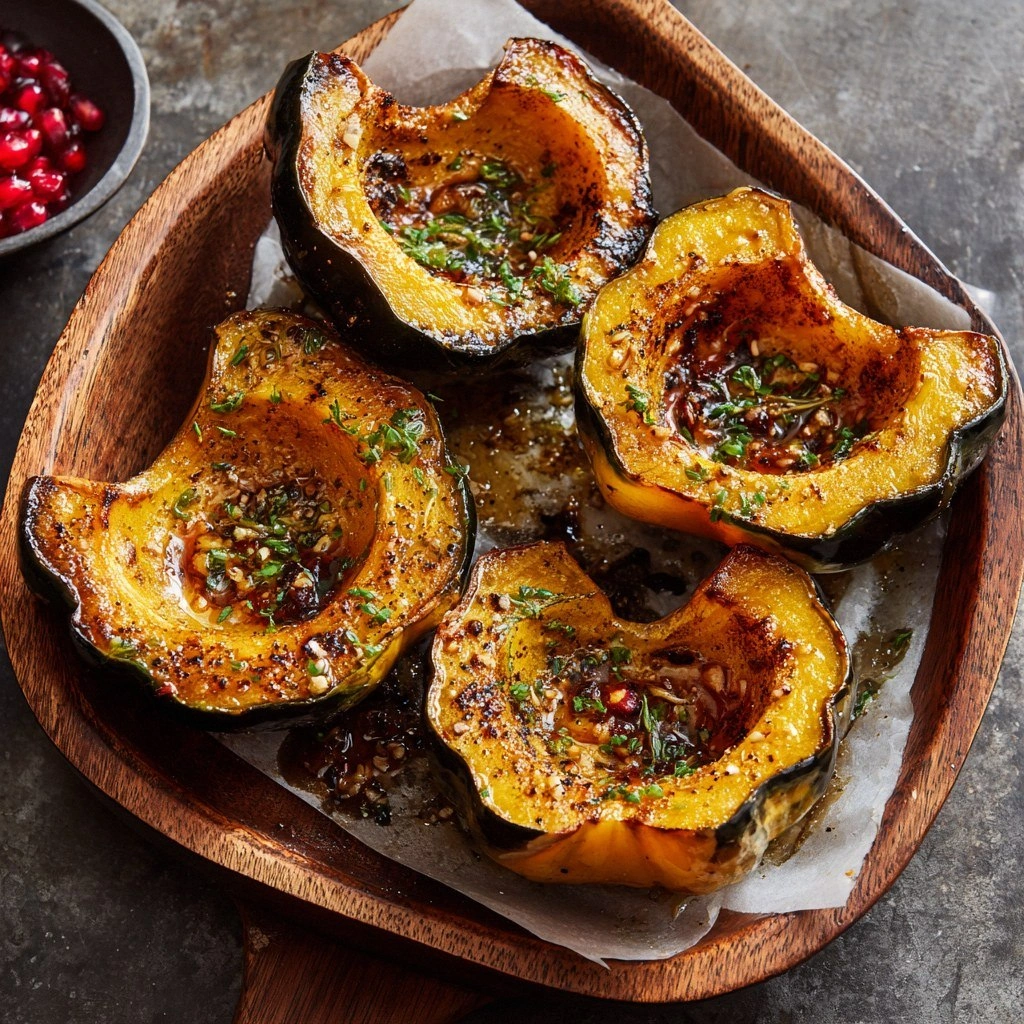
The Method — Step by Step
- Preheat your oven to 425°F (220°C). Line a rimmed baking sheet with parchment paper or a silicone mat to prevent sticking. This high heat is key for caramelizing the sugars and creating that coveted crispy edge. Keep an eye on the temperature; a slightly lower heat can result in a soggy finish.
- While the oven heats, cut the acorn squash in half lengthwise and scoop out the seeds with a spoon. Slice each half into 1‑inch wedges, making sure they’re roughly the same size for even roasting. If you prefer a softer interior, slice thinner; for a firmer bite, slice thicker.
- In a large bowl, whisk together 2 tablespoons of olive oil, 2 tablespoons of maple syrup, 1 tablespoon of brown sugar, 1 teaspoon of ground cinnamon, and ½ teaspoon of ground nutmeg. This glaze will coat the squash and create a glossy, caramelized crust. Taste the mixture; if you want a sweeter glaze, add an extra teaspoon of maple syrup.
- Add the sliced squash wedges to the bowl and toss gently until each piece is evenly coated. Place the coated wedges on the prepared baking sheet in a single layer, ensuring they don’t overlap. This spacing allows the heat to circulate around each wedge, promoting even roasting.
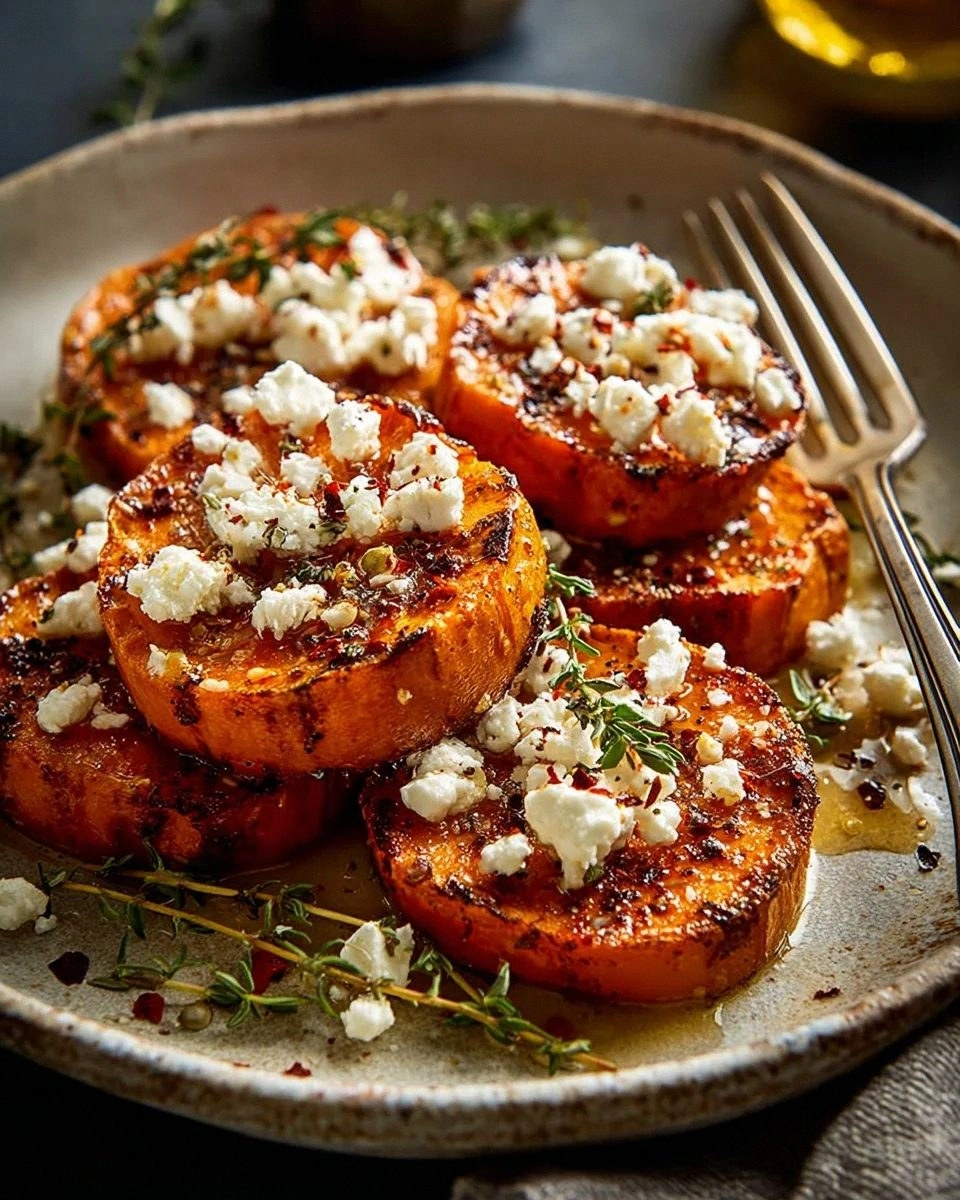
- Roast the squash for 25–30 minutes, flipping halfway through, until the edges are golden brown and the interior is tender when pierced with a fork. The glaze should be sticky and slightly caramelized, with a deep amber hue. Don’t skip the flip; uneven roasting can lead to uneven caramelization.
- Watch out: if the edges start to burn before the center is cooked, lower the oven temperature by 25°F (about 15°C) and cover the pan loosely with foil to prevent further browning. This step is crucial for maintaining a moist interior.
- Once roasted, remove the squash from the oven and let it rest for 5 minutes. Resting allows the juices to redistribute, keeping the squash moist and the glaze from sliding off. During this time, you can sprinkle a few fresh thyme leaves for an herbal note.
- Serve immediately, either as a side dish or tossed into a warm salad. The squash’s natural sweetness pairs beautifully with savory proteins and hearty grains. Garnish with a drizzle of extra maple syrup or a sprinkle of chopped pecans for added texture.
- That’s it — you did it. But hold on, I've got a few more tricks that'll take this to another level, and trust me, they're worth the extra minutes. Keep reading for insider tips that will elevate your roasted acorn squash from good to unforgettable.
Insider Tricks for Flawless Results
The Temperature Rule Nobody Follows
Many chefs roast at 400°F, but 425°F is the sweet spot for caramelization without drying out the squash. The higher heat creates a caramelized crust while the interior stays moist. If you’re using a convection oven, lower the temperature by 25°F to account for the fan’s extra heat.
Why Your Nose Knows Best
Trust your nose to judge doneness; the scent of toasted sugar and warm spices indicates the glaze has caramelized to perfection. If it smells burnt, the oven is too hot or the sugar content is too high. A fresh, sweet aroma means the squash is ready to pull from the oven.
The 5-Minute Rest That Changes Everything
Letting the squash rest after roasting allows the glaze to set and the juices to redistribute, preventing a soggy center. A quick rest also makes the squash easier to handle and reduces the risk of the glaze sliding off when you plate it. I’ve seen people skip this step and end up with a messier dish.
The Sweet‑Savory Balance
If you prefer a more savory side, reduce the maple syrup by half and add a pinch of smoked paprika. This tweak gives the squash a subtle smoky depth while still maintaining the caramelized edges. My friend tried this once, and the result was a delightful contrast that wowed the whole table.
The Perfect Finish
A final drizzle of high‑quality extra‑virgin olive oil just before serving adds a silky shine and enhances flavor. The oil also helps the spices cling to the squash, giving each bite a burst of warmth. If you’re vegan, a splash of toasted sesame oil works beautifully too.
Creative Twists and Variations
This recipe is a playground. Here are some of my favorite ways to switch things up:
Spicy Kick
Add a pinch of cayenne pepper or a dash of hot sauce to the glaze for a fiery contrast that pairs well with creamy sauces. The heat cuts through the sweetness and adds a memorable punch.
Herb‑Infused
Replace thyme with fresh rosemary or sage for a different aromatic profile. The herb’s earthy tones complement the squash’s natural sweetness and create a more complex flavor.
Nutty Crunch
Toss the roasted wedges with toasted pecans or walnuts after roasting. The nutty crunch adds texture and a subtle buttery flavor that elevates the dish.
Citrus Zest
Finish with a squeeze of fresh orange or lemon juice to brighten the dish and balance the sweetness. The citrus adds a fresh, tangy contrast that makes the squash feel lighter.
Sweet & Savory Salad
Combine the roasted wedges with arugula, goat cheese, and dried cranberries for a quick salad that’s both sweet and savory. This variation is perfect for a light dinner or a side at a holiday feast.
Storing and Bringing It Back to Life
Fridge Storage
Store leftovers in an airtight container in the refrigerator for up to 4 days. The squash stays crisp, but a quick reheating step will restore its mouthfeel. When you’re ready to serve, simply reheat in a skillet with a splash of olive oil.
Freezer Friendly
Freeze roasted wedges in a single layer on a baking sheet before transferring to a freezer bag. They can be stored for up to 3 months. Thaw overnight in the refrigerator and finish by reheating in a skillet.
Best Reheating Method
Add a tiny splash of water or broth before reheating to keep the squash moist. Cover the skillet for a few minutes to create steam, then finish with a quick sear to bring back the crispy edges.