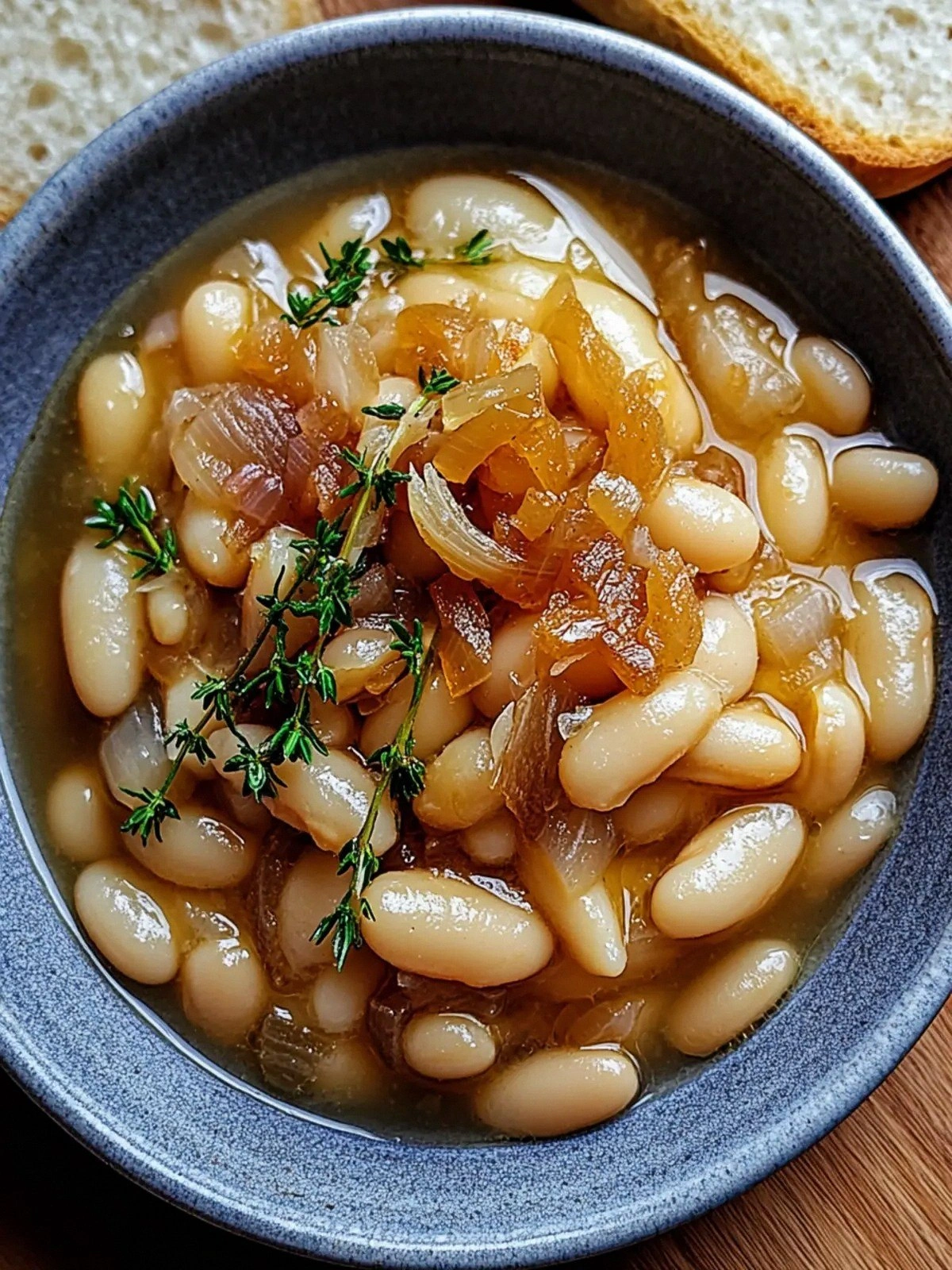
Picture this: I’m standing in a cramped kitchen, a single burner, a pot of onions, and a sudden urge to turn a humble pantry staple into something that feels like a culinary hug. The moment my skillet starts to sizzle, a wave of caramelized onion aroma floods the air, making my eyes water and my mouth water at the same time. I’ve tried countless “French onion” recipes that end up bland or too sweet, but this version? It’s a revelation. The beans soak up that deep, savory onion broth like a sponge, and the Gruyère melts into a gooey, golden crust that makes every bite a little more decadent. I’m talking about a dish that feels like a cozy blanket on a cold night, but with the bright, satisfying crunch of crusty bread.
I dare you to taste this and not go back for seconds. I’ll be honest— I ate half the batch before anyone else got to try it. The moment the cheese starts bubbling, the aroma turns into a siren call that you can’t resist. The onions are the star, but the beans add a hearty texture that keeps the dish from feeling like a soup. And when you take a bite, the creamy Gruyère coats your tongue like velvet, while the tang of balsamic vinegar cuts through the richness, leaving you craving more.
Most recipes get this completely wrong. Here’s what actually works: the slow caramelization of onions, the strategic addition of balsamic vinegar, and the final bake that creates a golden crust. Picture yourself pulling this out of the oven, the whole kitchen smelling incredible, and everyone in the house lining up for a spoonful. The anticipation alone is worth the effort. I’m telling you, this is hands down the best version you'll ever make at home.
If you've ever struggled with this, you're not alone—and I've got the fix. The secret lies in the balance of sweetness and acidity, the choice of beans, and the timing of the cheese melt. The next section will break down exactly what goes into this masterpiece, and trust me, you’ll wonder how you ever made it any other way. Okay, ready for the game-changer?
What Makes This Version Stand Out
- Caramelization: Slow, low heat transforms onions into sweet, nutty jewels that carry the dish. The deeper the caramel, the richer the flavor profile. A quick sauté just won’t cut it.
- Bean Choice: Canned white beans keep the texture creamy without the need for soaking. Their mild flavor lets the onions and cheese shine. If you prefer a firmer bite, try cannellini beans.
- Cheese Melting: Gruyère offers a nutty, buttery melt that’s superior to cheddar or mozzarella. The cheese creates a golden crust that’s both crunchy and indulgent. A pinch of nutmeg can add a subtle warmth.
- Acidity: Balsamic vinegar balances the richness, adding a gentle tang that brightens every bite. A splash of lemon juice at the end can give a fresh lift.
- Texture Contrast: The buttery beans, sweet onions, and crispy bread create a symphony of textures. Each bite offers a different mouthfeel, keeping the dish exciting.
- Ease: No fancy equipment, no prep that takes hours. It’s a one-pot wonder that’s perfect for busy nights. The bake step is the only “set it and forget it” moment.
- Make-Ahead Friendly: Cook the base, let it cool, refrigerate, and bake fresh when ready. This makes it a great option for dinner parties or meal prep.
- Versatility: Swap in different beans, cheeses, or add herbs for seasonal twists. It’s a blank canvas that adapts to your pantry.
Alright, let's break down exactly what goes into this masterpiece...
Inside the Ingredient List
The Flavor Base
Olive oil is the silent hero that brings everything together. It carries the onions’ sweetness and helps the cheese melt evenly. A good extra-virgin olive oil adds a peppery finish that lifts the dish. If you’re watching calories, a light olive oil still works, but the flavor will be slightly muted.
The Texture Crew
White beans are the creamy backbone of this dish. They absorb the onion broth and release a silky consistency that balances the crispy bread. Skip the beans, and you’ll end up with a thin, unremarkable stew. If you’re vegan, look for a plant-based cheese alternative to keep the texture indulgent.
The Unexpected Star
Gruyère cheese is the secret to the golden crust. Its high melting point and nutty flavor create a decadent topping that’s both crunchy and gooey. If you can’t find Gruyère, try a combination of aged cheddar and a little mozzarella for a similar effect. The cheese also adds a subtle depth that’s missing in most “French onion” recipes.
The Final Flourish
Fresh parsley adds a burst of color and a hint of earthiness that cuts through the richness. The balsamic vinegar introduces a subtle sweetness that balances the savory notes. Thyme leaves bring an aromatic herbal note that ties the dish together. Together, they elevate a simple bean bowl into a gourmet experience.
Everything's prepped? Good. Let's get into the real action...
The Method — Step by Step
- Heat the olive oil in a large, oven‑proof skillet over medium heat. Once shimmering, add the thinly sliced onions. Stir frequently, letting them soften without burning. This should take about 15 minutes, during which the onions will develop a deep, caramelized color and a sweet aroma that fills the kitchen.
- Add the minced garlic and sauté for 30 seconds until fragrant. Be careful not to let it brown; garlic burns quickly and turns bitter. The garlic’s aroma will mingle with the onions, creating a fragrant base that underpins the entire dish.
- Pour in the balsamic vinegar, scraping up any browned bits from the pan. Let it reduce for 2 minutes, concentrating the sweetness and acidity. This reduction will coat the onions, giving them a glossy finish and a subtle tang that cuts through the richness.
- Season with salt, pepper, and thyme leaves, stirring to combine. The thyme adds a hint of earthiness that balances the sweet onions. Taste the mixture and adjust seasoning as needed; this is the foundation of flavor.
- Add the drained white beans and pour in the broth. Stir until the beans are evenly coated. The liquid should be just enough to moisten the beans; you don’t want a watery soup. Let the mixture simmer for 5 minutes, allowing the beans to absorb the onion broth.
- Transfer the skillet to a preheated oven at 375°F (190°C). Bake for 20 minutes until the beans are heated through and the liquid has reduced slightly. The oven will also help the cheese melt uniformly.
- Sprinkle the Gruyère cheese over the top, then return to the oven for an additional 10 minutes. Watch as the cheese melts into a golden crust, forming a crunchy, gooey layer that’s impossible to resist. If you like a crispier top, switch to the broiler for the last 2 minutes.
- Remove from the oven and let it rest for 5 minutes. This resting period allows the flavors to meld and the cheese to set slightly, making it easier to scoop. Sprinkle fresh parsley over the top for a burst of color and freshness before serving.
That's it — you did it. But hold on, I've got a few more tricks that'll take this to another level. Keep reading, because the next section will give you insider tips that will make you the envy of every dinner guest.
Insider Tricks for Flawless Results
The Temperature Rule Nobody Follows
Most people cook onions on high heat, but the secret is low and slow. A gentle simmer allows the sugars to caramelize without burning. If you’re in a rush, you can use a lid to trap heat, but always stir to prevent sticking.
Why Your Nose Knows Best
When the onions are caramelizing, the scent will change from sweet to nutty. Trust that aroma as a cue to reduce heat. A strong, buttery smell indicates the onions are ready.
The 5-Minute Rest That Changes Everything
After baking, let the dish rest for five minutes before serving. The rest allows the cheese to set slightly, making it easier to scoop. It also lets the flavors settle, resulting in a more cohesive taste.
Cheese Placement Matters
Place the cheese directly on top of the beans, not in a separate layer. This ensures even melting and creates a uniform crust. If you prefer a more pronounced crust, sprinkle a little extra cheese before broiling.
Bread as a Flavor Reservoir
Toast the bread in a hot skillet with a pat of butter for extra flavor. The buttery toast absorbs the savory juices, turning into a crunchy, flavorful accompaniment. Serve slices on the side for a classic French onion soup experience.
The Secret Herb Mix
Add a pinch of dried rosemary or oregano for a Mediterranean twist. These herbs complement the thyme and bring an aromatic depth that many overlook. Use sparingly to avoid overpowering the delicate onion flavor.
If you’ve ever tried to skip the resting step and it didn’t work out, you’re not alone. I learned the hard way that rushing the cheese melt can leave you with a soggy top. Trust me, the five-minute pause is worth the extra five minutes.
Creative Twists and Variations
This recipe is a playground. Here are some of my favorite ways to switch things up:
Smoky Chipotle Bean
Add a tablespoon of chipotle in adobo to the onion base for a smoky kick. The heat pairs beautifully with the sweet onions, creating a flavor profile that’s both comforting and adventurous. This version is perfect for those who love a little spice.
Mediterranean Herb Blend
Swap thyme for a mix of oregano, basil, and a dash of dried mint. The herbs lend a bright, herby note that brightens the dish. Pair it with feta cheese for a Mediterranean twist.
Vegan Cheese Swap
Use a plant-based cheese that melts, such as a vegan cheddar or a nut‑based cheese. The texture remains gooey, while the flavor profile stays indulgent. This makes the dish fully plant‑based without sacrificing decadence.
Roasted Garlic Boost
Roast whole garlic cloves in the oven before adding them to the onions. The roasted garlic adds a sweet, mellow depth that enhances the caramelized onions. It’s a simple tweak that elevates the entire dish.
Add a Splash of White Wine
Deglaze the pan with a splash of dry white wine after the onions have softened. The wine will lift the browned bits and add a subtle acidity that complements the balsamic. Reduce the wine until it’s almost dry before adding the beans.
Crispy Parmesan Topping
Instead of Gruyère, sprinkle grated Parmesan on top before baking. The Parmesan creates a slightly different crust that’s crunchy and savory. This variation is great for cheese lovers who prefer a sharper bite.
Whether you’re keeping it classic or experimenting with bold flavors, this dish adapts to your taste. The beauty lies in its flexibility and the confidence it builds in your cooking skills.
Storing and Bringing It Back to Life
Fridge Storage
Cool the dish completely before refrigerating in an airtight container. It will keep for up to 3 days. When ready to eat, reheat in the oven at 350°F (175°C) for 15 minutes, or until warmed through. This preserves the texture and flavor.
Freezer Friendly
Store in a freezer‑proof container or freezer bag for up to 2 months. Thaw overnight in the refrigerator, then reheat in the oven. The beans remain creamy, and the cheese will still melt beautifully.
Best Reheating Method
Add a splash of water or broth before reheating to keep the beans from drying out. Cover the dish with foil to trap steam, then bake at 350°F (175°C) until hot. Finish with a quick broil to revive the golden crust.