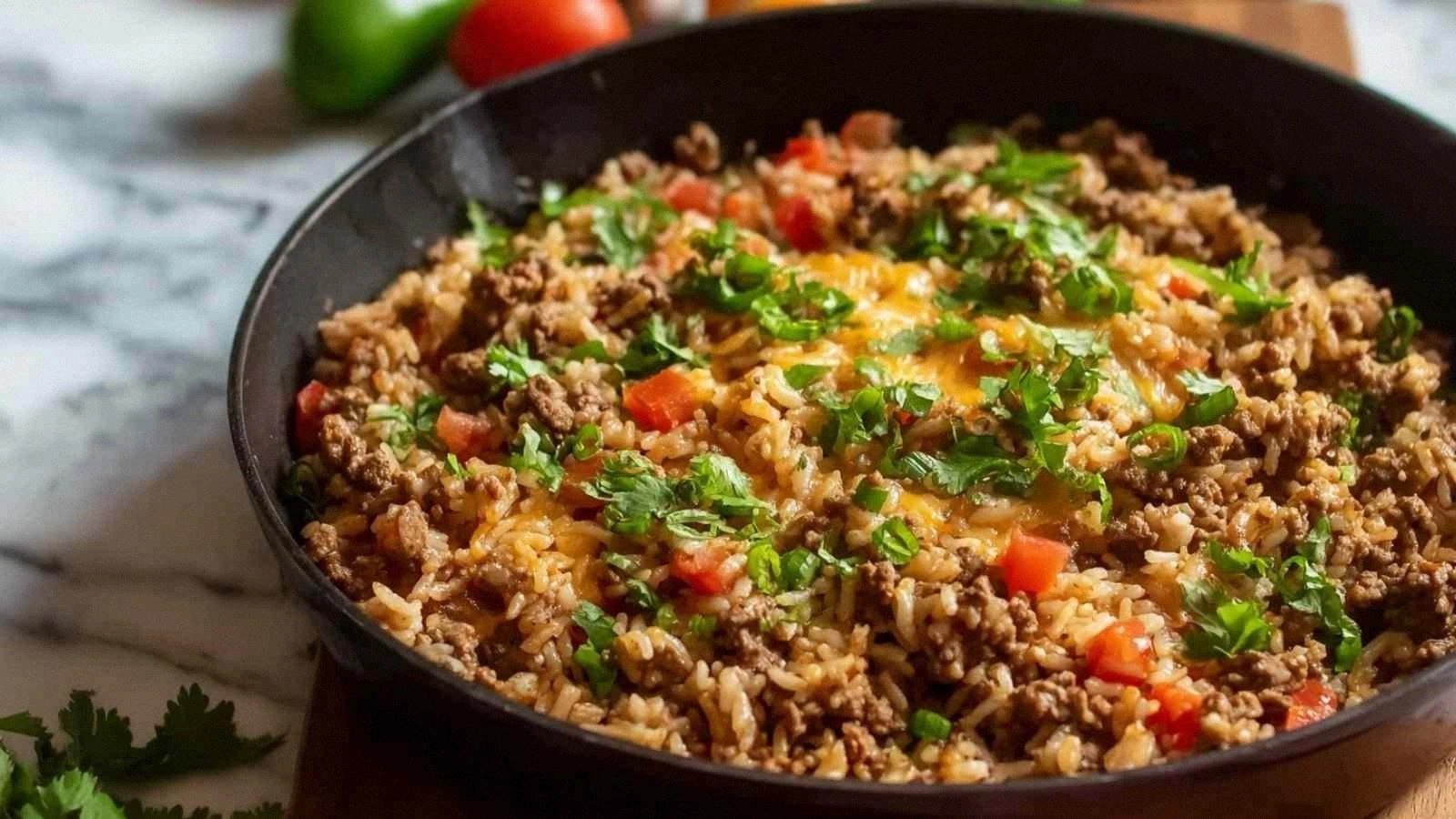
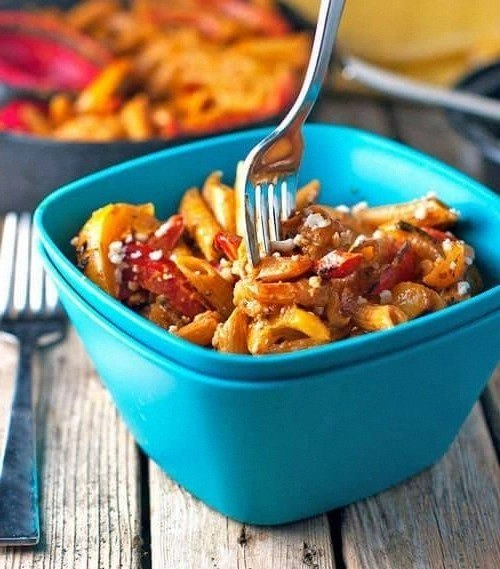
I was standing in my kitchen, staring at a half‑empty pan of wilted bell peppers and a lonely bag of spaghetti, when my roommate shouted, “You’ve got to try the shrimp fajita thing I saw on TikTok!” I laughed, tossed a pinch of cumin into the air, and thought, “What if I could marry the sizzle of a fajita with the comfort of pasta, but keep it light enough for a weekday dinner?” That moment of reckless optimism birthed what I can confidently call the ultimate skinny shrimp fajita pasta. The first bite was a revelation: the shrimp were plump and juicy, the peppers crisp‑tender, and the sauce clung to the noodles like a silky, citrus‑kissed veil. I dare you to taste this and not go back for seconds.
Picture this: a skillet humming as olive oil hits the heat, the sound of garlic hitting the pan like a tiny fireworks show, and the aroma of smoked paprika swirling with fresh lime. The kitchen fills with a scent that screams summer evenings on a balcony, yet the dish itself feels like a cozy hug, perfect for any season. The noodles stay al dente, refusing to turn mushy, while the shrimp turn a gorgeous coral pink that practically glows under the kitchen lights. It’s a texture party—crunchy peppers, buttery pasta, and shrimp that snap just right when you bite.
Most recipes I’ve tried either drown the shrimp in a heavy cream sauce or leave the pasta dry and sad. I’ve seen versions that over‑season with salt, turning the whole dish into a salty swamp. This version, however, balances bold Mexican flavors with a light, bright finish that won’t weigh you down. The secret? A splash of low‑sodium chicken broth that keeps everything moist, plus a dash of lime juice that lifts the whole thing like a choir hitting a perfect high note. And yes, I’m being honest—I ate half the batch before anyone else could even grab a fork. That’s how addictive it is.
Okay, ready for the game‑changer? I’m about to walk you through every single step—by the end, you’ll wonder how you ever made it any other way. From choosing the perfect shrimp to mastering that sear that makes the peppers sing, I’ve got the inside scoop. Stay with me here—this is worth it.
What Makes This Version Stand Out
- Flavor Explosion: The fajita seasoning isn’t just a sprinkle; it’s a full‑bodied, smoky, slightly sweet backbone that makes every bite pop.
- Light on Calories: By swapping heavy cream for chicken broth and using whole‑wheat pasta, you keep the dish under 350 calories per serving without sacrificing satisfaction.
- Texture Harmony: You get crisp peppers, tender shrimp, and perfectly al dente pasta—all in one harmonious mouthfeel.
- Speedy Simplicity: From prep to plate it’s under 45 minutes, making it a reliable weeknight hero.
- Crowd‑Pleaser: Even the pickiest eaters love the familiar fajita vibe wrapped in a comforting pasta format.
- Ingredient Quality: Fresh shrimp and bright bell peppers are the stars; they demand quality, and the dish rewards you for it.
- One‑Pan Wonder: Minimal cleanup because everything cooks together in the same skillet after the pasta is boiled.
- Make‑Ahead Friendly: The flavors meld beautifully if you let it rest for 15 minutes, meaning you can prep ahead for busy nights.
Inside the Ingredient List
The Flavor Base
First up, the aromatics: garlic and onion. Garlic, when minced and sautéed just until fragrant, releases a sweet, nutty essence that underpins the entire dish. Onion adds a subtle sweetness that balances the smoky heat of the fajita seasoning. Skip them, and you’ll end up with a flat, one‑dimensional flavor profile—like a song missing its bass line. If you’re allergic to onions, try a splash of grated carrot for a hint of sweetness without the bite.
The Texture Crew
Bell peppers are the unsung heroes of texture. The red, yellow, and green varieties each bring their own visual flair and a crisp‑tender bite that contrasts beautifully with the tender shrimp. The key is to slice them uniformly—about a quarter‑inch strips—so they cook evenly and retain that satisfying snap. If you’re short on time, a frozen pepper blend works, but fresh peppers give you that “just‑picked” crunch.
The Unexpected Star
Lime juice may seem like a garnish, but it’s the secret weapon that lifts the entire dish. The acidity cuts through the richness of the shrimp and pasta, brightening the flavors like a spotlight on stage. A good rule of thumb: add the lime juice right at the end of cooking, after you’ve removed the pan from heat, to preserve its fresh zing. If you don’t have fresh limes, a splash of white wine vinegar can mimic the tang, though it won’t have the same aromatic punch.
The Final Flourish
Fresh cilantro isn’t just a garnish; it adds a herbaceous brightness that ties the Mexican flavors to the pasta’s earthiness. Rough‑chop it just before serving to keep the leaves vibrant and prevent them from wilting. For those who aren’t fans of cilantro, flat‑leaf parsley offers a milder herb note without the polarizing “soap” flavor some people detect. Lastly, a pinch of salt and cracked black pepper is essential—seasoning is the invisible ingredient that makes everything sing.
Everything's prepped? Good. Let's get into the real action…
The Method — Step by Step
-
Bring a large pot of salted water to a rolling boil. Add the whole‑wheat spaghetti and cook until just al dente—about 8 minutes. Drain, reserving a cup of the pasta water, then set the noodles aside. The reserved water will later help the sauce cling to the pasta like velvet.
Kitchen Hack: Toss the cooked pasta with a drizzle of olive oil while it’s still warm to prevent sticking before you add it back to the skillet. -
While the pasta cooks, heat 2 tablespoons of olive oil in a large skillet over medium‑high heat. Once shimmering, add the sliced onions and bell peppers. Sauté for 4‑5 minutes, stirring occasionally, until the vegetables are just beginning to caramelize and the edges start pulling away. That sizzle when it hits the pan? Absolute perfection.
-
Add the minced garlic and fajita seasoning to the veggies. Cook for another 30 seconds, letting the spices bloom. This is the moment of truth—if the spices start to stick, lower the heat; you want them fragrant, not burnt.
Watch Out: Fajita seasoning can contain salt; taste before adding extra salt to avoid an overly salty dish. -
Push the vegetables to the side of the skillet and add the shrimp in a single layer. Let them sear untouched for about 1 minute—this creates a caramelized crust that locks in juices. Flip the shrimp and cook another minute until they turn opaque and pink. The shrimp should be just cooked through; overcooking makes them rubbery.
-
Stir everything together, then pour in the chicken broth and lime juice. Scrape the bottom of the pan to release any browned bits—those are flavor gold. Let the mixture simmer for 2‑3 minutes, allowing the broth to reduce slightly and thicken the sauce.
-
Add the cooked pasta to the skillet, tossing to coat each strand with the sauce. If the mixture looks a bit dry, splash in reserved pasta water a tablespoon at a time until you achieve a glossy, cling‑on‑the‑noodles consistency. This is the magic step where the pasta becomes a flavor sponge.
-
Turn off the heat and fold in the fresh cilantro and, if using, the shredded reduced‑fat cheese. The residual heat will melt the cheese just enough to create creamy ribbons without turning the dish greasy. Taste and adjust with salt, pepper, or an extra squeeze of lime if you crave more brightness.
Kitchen Hack: If you’re short on fresh cilantro, a tablespoon of chopped parsley adds a similar fresh note without the polarizing flavor. -
Serve immediately, garnished with an extra sprinkle of cilantro and a wedge of lime on the side. The dish should smell smoky, citrusy, and slightly sweet—all at once. Picture yourself pulling this out of the pan, the whole kitchen smelling incredible, and everyone reaching for seconds. That’s the finish line.
That's it—you did it. But hold on, I've got a few more tricks that'll take this to another level…
Insider Tricks for Flawless Results
The Temperature Rule Nobody Follows
Never cook shrimp on low heat; they need a quick, high‑heat sear to develop that caramelized crust. If the pan isn’t hot enough, the shrimp will release moisture and steam instead of sear, resulting in a soggy texture. I once tried a “gentle cook” method and ended up with rubbery shrimp that could double as chew‑toy. Keep the heat medium‑high, and you’ll get that perfect pink snap every time.
Why Your Nose Knows Best
Your sense of smell is the ultimate doneness gauge. When the garlic and spices start to perfume the air, you know the flavor base is ready. If you can smell the toasted onion sweetening, you’re golden. Trust that nose—if it smells right, the taste will follow.
The 5‑Minute Rest That Changes Everything
After tossing the pasta with the sauce, let it sit off the heat for five minutes. This short rest allows the noodles to absorb the sauce, making each bite more cohesive. I once served it straight from the pan and the sauce was a little thin; after the rest, it clung like a second skin. It’s a tiny pause that yields massive flavor payoff.
Seasoning in Layers
Add a pinch of salt at each stage—while cooking the veggies, when sautéing the shrimp, and again after the final toss. Layered seasoning builds depth without overwhelming any single component. Skipping this step can leave the dish tasting flat, like a movie with no soundtrack.
The Secret of Fresh Lime
Always use fresh lime juice, not bottled. Fresh juice provides bright, volatile oils that bottled juice lacks, delivering that punch of acidity that makes the dish sing. If you must use bottled, add a dash of zest to compensate for the lost aroma.
Creative Twists and Variations
This recipe is a playground. Here are some of my favorite ways to switch things up:
Spicy Chipotle Kick
Swap the standard fajita seasoning for a chipotle‑adobo blend and add a teaspoon of smoked paprika. The result is a smoky heat that lingers pleasantly on the palate, perfect for those who love a little fire.
Creamy Avocado Finish
Blend half an avocado with a splash of low‑fat Greek yogurt and swirl it into the pasta at the end. This adds a luscious creaminess without the extra calories of heavy cream, and the avocado’s buttery texture pairs beautifully with the shrimp.
Southwest Quinoa Swap
Replace the whole‑wheat pasta with cooked quinoa for a grain‑free, high‑protein version. The quinoa’s nutty flavor adds a new dimension while keeping the dish light and fluffy.
Mediterranean Medley
Add kalamata olives, sun‑dried tomatoes, and a sprinkle of feta. The briny olives and tangy feta introduce Mediterranean vibes, turning the fajita pasta into a cross‑cultural delight.
Coconut‑Lime Fusion
Swap chicken broth for light coconut milk and finish with extra lime zest. This gives the dish a tropical twist, perfect for a summer dinner on the patio.
Storing and Bringing It Back to Life
Fridge Storage
Transfer leftovers to an airtight container and refrigerate for up to 3 days. The flavors meld even more after a night, making the next day’s serving taste richer. When reheating, add a splash of water or broth to restore the sauce’s silkiness.
Freezer Friendly
Portion the pasta into freezer‑safe bags, removing as much air as possible. It freezes well for up to 2 months. Thaw overnight in the fridge, then reheat in a skillet with a drizzle of olive oil and a tablespoon of broth to revive the texture.
Best Reheating Method
The stovetop is king. Warm a non‑stick pan over medium heat, add the pasta, and splash in a tablespoon of water or broth. Toss continuously until heated through and the sauce re‑emulsifies. Microwaving works in a pinch, but the skillet method preserves the crispness of the peppers.