Picture this: a rainy Saturday afternoon, the kind that makes you crave something comforting and hearty, yet you’re still trying to keep the kitchen from turning into a disaster zone. I had just finished a batch of over‑seasoned chicken that had turned out dry and flavorless, and I was staring at a pot of water on the stove that smelled like burnt rubber. The moment of crisis became the spark for a new recipe, one that would rescue the chicken, turn the potatoes into a buttery, caramelized side, and lift the whole dish with a lemon‑thyme sauce that sings. That night, I dared myself to create the ultimate smothered chicken skillet—one that would be the envy of every dinner table.
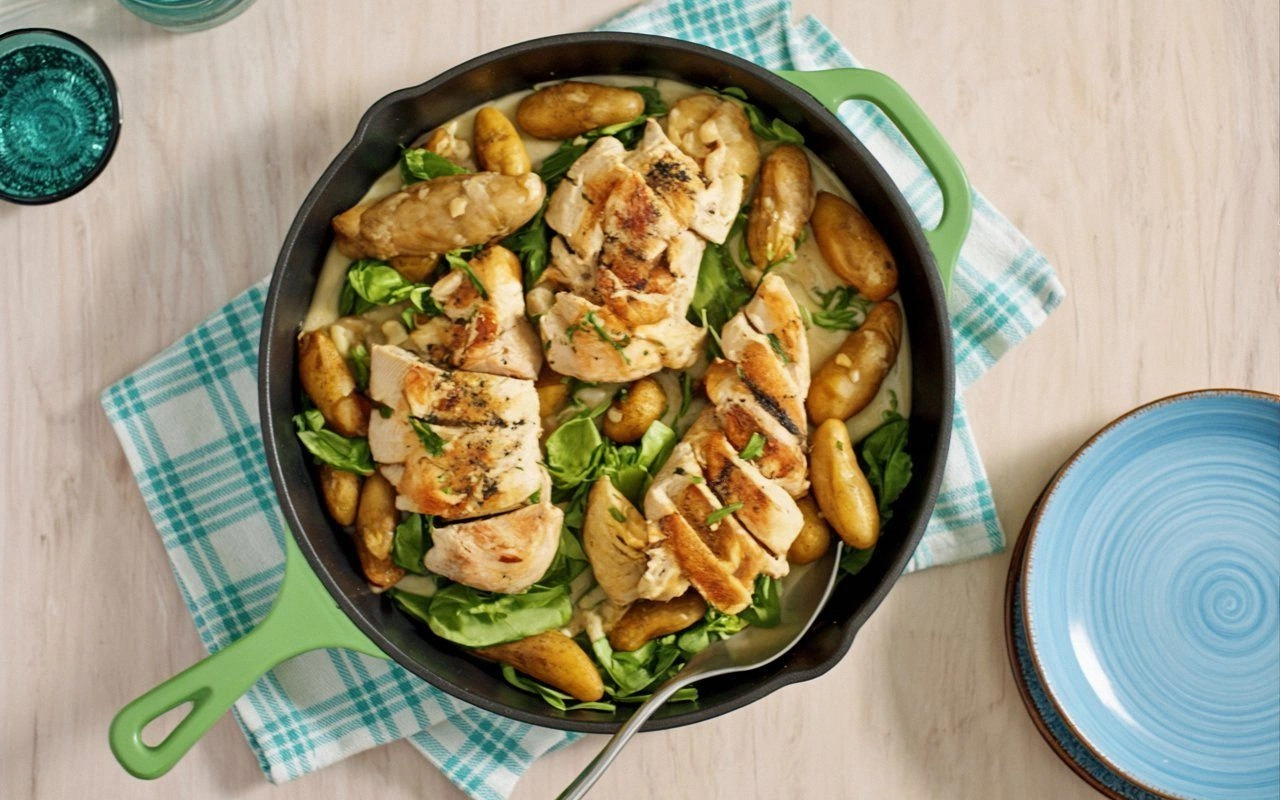
The first thing you’ll notice is the aroma. As soon as the skillet hits the stove, the olive oil sizzles and the chicken browns, releasing a golden crust that smells like toasted bread. The shallots and garlic join in, filling the air with a sweet, garlicky perfume that makes your mouth water. The potatoes, cut into bite‑sized rounds, start to caramelize, their skins turning crisp while the inside stays soft and fluffy—think of a comforting hug in every bite. The lemon zest and thyme release their bright, herbaceous notes, turning the dish into a bright, fresh canvas. The final touch, baby spinach, wilts into a silky, green velvet that balances the richness.
What sets this version apart from the countless “smothered chicken” recipes you’ll find online is the intentional layering of flavors and textures. The sauce isn’t just a simple gravy; it’s a velvety Dijon‑lemon reduction that coats the chicken like a silky blanket. The potatoes aren’t just boiled; they’re browned in the skillet to create a caramelized crust that adds crunch. The spinach isn’t sautéed separately; it’s folded in at the end so it keeps its bright color and tender bite. And the entire dish comes together in a single pan, which means less cleanup and more time to enjoy the moment.
I’m about to walk you through every single step, from the first sear to the final garnish. By the time you finish, you’ll wonder how you ever cooked this dish any other way. And trust me—once you taste this, I dare you to not go back for seconds. The combination of savory, tangy, and earthy flavors will keep you coming back for more.
What Makes This Version Stand Out
- Flavor Depth: The Dijon‑lemon reduction creates a complex, tangy sauce that coats the chicken and potatoes, turning each bite into a symphony of savory and citrusy notes.
- Texture Contrast: Crispy, caramelized potato skins contrast with the tender chicken and silky spinach, providing a satisfying mouthfeel that keeps you engaged.
- One‑Pan Simplicity: All components cook together, reducing prep time and cleanup while allowing flavors to meld naturally.
- Fresh Herb Highlight: Fresh thyme and a whole lemon bring bright, aromatic notes that elevate the dish beyond ordinary comfort food.
- Crowd‑Pleaser: The combination of familiar ingredients with a surprising sauce makes this dish a hit for family dinners and casual gatherings alike.
- Make‑Ahead Friendly: The flavors only improve after resting, so you can prep in advance and reheat without losing quality.
- Ingredient Quality Focus: Using high‑quality, minimally processed ingredients ensures that each component shines and the final dish feels luxurious.
- Balanced Nutrition: The dish offers a good mix of protein, healthy fats, and vegetables, making it both satisfying and wholesome.
Alright, let’s break down exactly what goes into this masterpiece…
Inside the Ingredient List
The Flavor Base
At the heart of this skillet are the chicken breasts—1.5 lb of boneless, skinless cuts that are thick enough to hold up during cooking but thin enough to stay moist. Season them generously with salt and pepper before searing; the seasoning creates a savory crust that locks in juices. Olive oil is the medium that allows the chicken to brown beautifully; 3 tbsp is enough to coat the pan without making it greasy. The shallots, sliced thin, add a sweet, caramelized undertone that balances the richness of the sauce, while 3 cloves of garlic provide a punchy, aromatic kick that permeates every bite.
The Texture Crew
The potatoes are the star of the texture game. Using 24 oz of steam‑easy fingerling potatoes ensures that they’re small enough to caramelize in the skillet while retaining a tender interior. They’re cut into bite‑sized rounds, then sautéed until golden brown; this step is crucial for that satisfying crunch. A splash of all‑purpose flour—just 2 tbsp—thickens the sauce, giving it a silky, coat‑like consistency that clings to the chicken and potatoes. The low‑sodium chicken broth, 2 cups, acts as the liquid base for the sauce, allowing the flavors to meld while keeping the dish from drying out.
The Unexpected Star
Dijon mustard is the secret sauce that elevates this dish from ordinary to extraordinary. Its sharp, tangy profile cuts through the richness of the chicken and potatoes, creating a balanced flavor profile. The lemon, whole and bright, provides citrus zest and juice that brighten the sauce and add a refreshing counterpoint. Fresh thyme, 3 sprigs, infuses the dish with a subtle, earthy aroma that ties everything together. Finally, 6 oz of baby spinach is added at the end, wilting into a silky green that adds both color and a gentle, slightly bitter note.
The Final Flourish
Once the chicken is cooked and the sauce has thickened, the spinach is folded in and allowed to wilt just enough to retain its vibrant green color. A squeeze of lemon juice at the end brightens the dish, giving it a fresh, lively finish. A few extra thyme leaves can be sprinkled on top for an aromatic flourish. The result is a harmonious blend of savory, tangy, and earthy flavors that dance across the palate.
Everything's prepped? Good. Let's get into the real action…
The Method — Step by Step
- Heat a large cast‑iron skillet over medium‑high heat and add 3 tbsp of olive oil. Once the oil shimmers, season the chicken breasts with salt, pepper, and a pinch of paprika. Place the chicken in the skillet, skin side down, and sear for 4–5 minutes until a golden crust forms. Flip and cook for another 4 minutes. The chicken should be nearly cooked through, but it will finish in the sauce.
- Push the chicken to one side of the pan and add the sliced shallots and minced garlic. Sauté for 2 minutes until the shallots soften and the garlic becomes fragrant. This step builds a savory base that will infuse the sauce.
- Add the diced fingerling potatoes to the pan. Sprinkle the 2 tbsp of flour over the potatoes, then stir to coat them evenly. The flour will help thicken the sauce later. Cook the potatoes for about 8 minutes, stirring occasionally, until they develop a golden, caramelized exterior.
- Pour in 2 cups of low‑sodium chicken broth, scraping the bottom of the pan to loosen any browned bits. The broth will dissolve the flour, creating a silky sauce. Bring the mixture to a gentle simmer.
- Stir in 1 tbsp of Dijon mustard, the zest of 1 whole lemon, and a squeeze of lemon juice. The mustard adds depth, while the lemon zest and juice brighten the dish. Let the sauce reduce for 5 minutes, allowing the flavors to meld.
- Return the chicken breasts to the skillet, nestling them into the sauce. Cover the pan with a lid and simmer for 8–10 minutes, or until the chicken reaches an internal temperature of 165°F. The chicken will finish cooking and absorb the sauce.
- Add the fresh thyme sprigs to the skillet. As the thyme steams, it releases a fragrant, earthy aroma that enhances the dish’s complexity. Keep the lid on for the last 2 minutes to let the thyme infuse.
- Fold in the 6 oz of baby spinach. It will wilt almost instantly, turning the skillet into a vibrant, green masterpiece. Taste the sauce and adjust seasoning with salt, pepper, or a splash more lemon juice if needed.
- Remove the skillet from heat. Let the dish rest for 3 minutes; this allows the flavors to settle and the sauce to thicken slightly. Serve hot, garnished with extra thyme leaves or a lemon wedge if desired.
That's it — you did it. But hold on, I've got a few more tricks that'll take this to another level…
Insider Tricks for Flawless Results
The Temperature Rule Nobody Follows
Many cooks start the chicken at high heat and then lower it, but that can cause the exterior to burn while the interior remains undercooked. Instead, start the skillet at medium‑high, sear the chicken until a golden crust forms, then reduce to medium for the simmer. This controlled temperature ensures even cooking and keeps the chicken juicy.
Why Your Nose Knows Best
The aroma of the lemon zest and thyme is your secret quality control. If the scent is faint, the sauce isn’t fully developed; give it a minute more to reduce. Your nose will tell you when the flavors have blended into a harmonious whole.
The 5‑Minute Rest That Changes Everything
After cooking, let the skillet rest for 3–5 minutes before serving. This pause allows the juices to redistribute and the sauce to thicken slightly, giving each bite a silky texture.
Keep It Moist Without Adding Water
If the sauce seems too thick before the chicken finishes cooking, add a splash of chicken broth instead of water. This keeps the flavor profile intact and prevents the dish from becoming too dry.
Use Fresh Thyme, Not Dried
Fresh thyme releases its oils during cooking, adding a bright, herbaceous note that dried thyme can’t match. If you only have dried thyme, use a smaller amount and add it earlier to let its flavor release.
Serve With a Side of Rice or Bread
The sauce is thick enough to coat a grain or a slice of crusty bread. A side of fluffy rice or a warm baguette will soak up the flavors and make the meal even more satisfying.
Creative Twists and Variations
This recipe is a playground. Here are some of my favorite ways to switch things up:
Smoky Chipotle Twist
Swap the Dijon mustard for a tablespoon of chipotle in adobo. The smoky heat pairs beautifully with the lemon, creating a bold, adventurous flavor profile that’s perfect for a late‑summer dinner.
Herb‑Infused Couscous Side
Serve the skillet over a bed of herbed couscous instead of rice. The couscous absorbs the sauce while adding a nutty texture that complements the chicken and potatoes.
Cheesy Creamy Finale
Add 1/4 cup of grated Parmesan or a splash of heavy cream to the sauce in the final steps. The cheese will melt into a rich, creamy coating that turns the dish into a decadent comfort meal.
Vegan Version
Use plant‑based chicken substitutes and replace the chicken broth with vegetable broth. Keep the rest of the ingredients the same for a vegan take that still delivers on flavor.
Winter Warmth with Sweet Potatoes
Replace fingerling potatoes with diced sweet potatoes. Their natural sweetness balances the mustard and lemon, creating a cozy, winter‑season dish.
Quick One‑Pan Breakfast
Add a couple of cracked eggs into the skillet during the last 2 minutes of cooking. The eggs will poach in the sauce, turning the meal into a hearty breakfast or brunch.
Storing and Bringing It Back to Life
Fridge Storage
Cool the skillet to room temperature, then transfer the contents to an airtight container. Store in the refrigerator for up to 3 days. The sauce may thicken; reheat gently on the stove, adding a splash of broth or water to loosen it.
Freezer Friendly
Place the cooked dish in a freezer‑safe container and freeze for up to 2 months. Thaw overnight in the refrigerator before reheating. Add a little broth to restore the sauce’s silky texture.
Best Reheating Method
Reheat on medium heat, stirring occasionally. Add a tablespoon of water or broth to keep the sauce from drying out. Warm the dish until it reaches 165°F; this ensures the chicken stays juicy and the sauce remains glossy.