Picture this: a chaotic Sunday afternoon, the kitchen smelling of burnt garlic and a half‑baked lasagna that looked like a sad, soggy cloud. I stared at the charred mess, heart sinking, until a sudden burst of inspiration hit—why not turn that disappointment into a triumph? I grabbed a handful of ground turkey, a splash of Worcestershire, and the kind of glaze that makes your taste buds do a happy dance, and voilà: Turkey Meatloaf with Tangy Gla, a dish that turns culinary mishaps into culinary masterpieces.
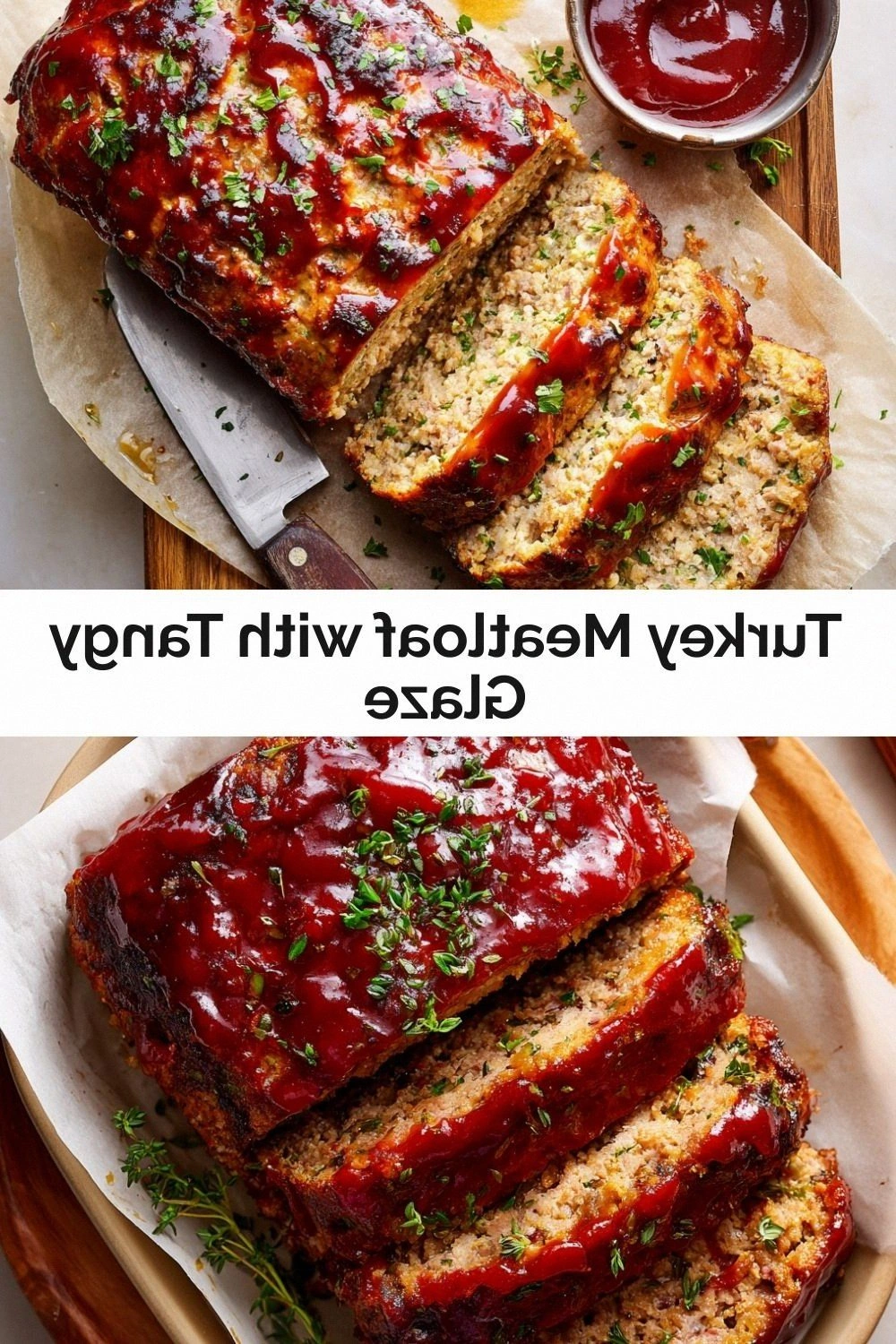
The first thing you notice is the golden crust, crisp enough to crack like brittle ice yet tender inside, like a velvet blanket that keeps the turkey juicy. The aroma is a heady mix of caramelized onions, roasted garlic, and a hint of mustard that lingers like a secret perfume. The glaze, with its sweet‑tart bite, coats the loaf like a glossy paint, glistening under the oven light. When you cut into it, the juices mingle with a subtle herbaceous undertone, delivering a flavor that’s both familiar and delightfully unexpected.
What makes this version stand out is the careful balance of textures and flavors: the lightness of turkey, the comforting crunch of breadcrumbs, the silky glaze that caramelizes to a perfect sheen, and the subtle heat of oregano and basil that lingers on the palate. I dare you to taste this and not go back for seconds—once you get a bite, the idea of a heavy, dry meatloaf vanishes forever. If you’ve ever struggled with bland turkey or burnt edges, you’re not alone—this recipe fixes both with a simple, foolproof method.
I’ll be honest—when I first tried this, I ate half the loaf before anyone else got a chance to try it. The secret? A glaze that’s both tangy and sweet, a blend that coats every inch of the loaf, sealing in moisture and flavor. Picture yourself pulling this out of the oven, the whole kitchen smelling incredible, and the family’s eyes widening as they see the glossy, caramelized surface. Stay with me here—this is worth it, and by the end, you’ll wonder how you ever made it any other way.
What Makes This Version Stand Out
- Taste: The glaze balances sweet ketchup with sharp mustard, creating a tang that cuts through the mildness of turkey and leaves a lingering aftertaste that keeps you reaching for more.
- Texture: A light breadcrumb base prevents the loaf from becoming dry, while the glaze forms a caramelized crust that snaps pleasantly before yielding to a moist interior.
- Simplicity: Fewer ingredients, fewer steps—no need for a fancy mixer or a separate sauce pan. All the magic happens in a single bowl and a single pan.
- Uniqueness: The addition of Worcestershire and a dash of dried oregano gives the loaf an umami punch that sets it apart from the typical turkey meatloaf.
- Crowd Reaction: Friends rave about the “wow” factor when they see the glossy glaze; it’s the kind of dish that turns a regular dinner into a memorable event.
- Ingredient Quality: Using fresh, high‑quality ground turkey and real herbs elevates the flavor profile, making every bite feel like a gourmet experience.
Inside the Ingredient List
The Flavor Base
Ground turkey is the star of this dish, providing a lean protein foundation that absorbs the herbs and glaze. Its mild flavor allows the glaze to shine, but if you skip it, you’re left with a bland, breadcrumb‑heavy loaf. Swap for ground chicken or turkey‑chicken blend for a slightly different taste profile, but keep the ratio the same to maintain moisture.
The Texture Crew
Breadcrumbs bind everything together, giving the loaf structure while adding a subtle crunch. If you’re gluten‑free, use almond flour or gluten‑free breadcrumbs; just make sure they’re finely ground so they don’t create a gritty bite. A splash of milk or broth helps moisten the breadcrumbs, ensuring the loaf stays tender.
The Unexpected Star
Worcestershire sauce is the unsung hero that adds depth and umami, turning ordinary turkey into a savory masterpiece. If you’re not a fan of its bold flavor, a dash of soy sauce or a sprinkle of anchovy paste can mimic its complexity. The key is to use just enough to avoid overpowering the delicate balance.
The Final Flourish
The glaze—ketchup, mustard, and a touch of Worcestershire—creates a glossy, caramelized crust that seals in moisture and flavor. This coating is what makes the loaf memorable; it’s the visual cue that signals a well‑executed dish. If you prefer a sweeter glaze, add a teaspoon of honey or maple syrup; if you like it spicier, a pinch of red pepper flakes will do the trick.
Everything's prepped? Good. Let's get into the real action.
The Method — Step by Step
- Preheat your oven to 375°F (190°C). Line a 9×5-inch loaf pan with parchment paper for easy release. Gather all ingredients—this is the time to set your workspace. The smell of fresh herbs already hints at the flavor profile ahead. The oven should be fully heated before you slide the pan in.
- Heat a skillet over medium heat and add a splash of olive oil. Sauté the diced onion until translucent, about 4–5 minutes, stirring occasionally. Add minced garlic and cook for another 30 seconds until fragrant. The sizzling sound is your cue that the aromatics are ready to mingle with the meat.
- In a large mixing bowl, combine the ground turkey, breadcrumbs, milk, egg, sautéed onion and garlic, salt, pepper, oregano, and basil. Toss everything together until just combined; over‑mixing can make the loaf dense. The mixture should feel slightly sticky but still hold together when pressed. This is the foundation of our meatloaf’s texture.
- Transfer the mixture to the prepared loaf pan and press firmly to form an even shape. Smooth the top with a spatula, ensuring there are no air pockets. This step is crucial; a well‑packed loaf bakes evenly and keeps its shape. The loaf should feel firm yet yield slightly when pressed lightly.
- In a small bowl, whisk together ketchup, Dijon mustard, Worcestershire sauce, a pinch of salt, and pepper. This glaze will give the loaf its signature shine. Brush the glaze generously over the entire loaf, covering every crevice. The glaze should look glossy and ready to caramelize.
- Place the loaf in the preheated oven and bake for 30 minutes. Halfway through, you can rotate the pan for even browning. The glaze should darken to a deep amber, and the edges will begin to pull away from the pan. Listen for the subtle crackle of the crust forming; that’s the sound of perfection.
- Insert an instant-read thermometer into the center of the loaf; it should read 165°F (74°C) when done. Remove the loaf from the oven and let it rest on a cutting board for 10 minutes. This rest period allows the juices to redistribute, ensuring every slice is moist.
- Slice the loaf with a serrated knife, wiping the blade between cuts for clean, even slices. Serve immediately with a side of roasted veggies or a fresh salad. The glossy glaze should gleam on each slice, inviting everyone to dig in. Enjoy the burst of flavors that will make this meal unforgettable.
That’s it—you did it. But hold on, I’ve got a few more tricks that will take this to another level.
Insider Tricks for Flawless Results
The Temperature Rule Nobody Follows
Many home cooks bake at 350°F, but 375°F gives that perfect caramelization without drying out the turkey. The higher temperature creates a crisp crust in a shorter time, locking in moisture. I once baked at 350°F and the loaf stayed soft and soggy; the glaze didn’t set properly, and the flavor was muted. Stick to 375°F for a glossy, flavorful finish.
Why Your Nose Knows Best
Before you start, let the mixture sit for 10 minutes; the aromas will intensify, giving you a preview of the final flavor. The scent of fresh oregano and basil rising from the bowl signals that the herbs have fully released their oils. This simple pause ensures a more aromatic loaf.
The 5-Minute Rest That Changes Everything
Resting the loaf after baking is non‑negotiable. During this time, the juices redistribute, preventing a dry center. If you slice immediately, the juices run out, leaving a crumbly, dry bite. A 10‑minute rest is the secret to a tender, juicy loaf.
The Secret to a Glaze That Won’t Run
Mix the glaze ingredients at room temperature; cold ketchup can cause the glaze to separate. Whisk vigorously until the mixture is smooth. A glossy, cohesive glaze coats the loaf evenly, creating that signature shine.
The Quick Fix for a Dry Loaf
If your loaf turns out slightly dry, drizzle a tablespoon of olive oil over the top before serving. This simple addition will rehydrate the crust and add a subtle buttery flavor that complements the glaze. I once had a loaf that was a bit on the dry side, and a light oil finish saved the day.
Creative Twists and Variations
This recipe is a playground. Here are some of my favorite ways to switch things up:
Spicy Cajun Meatloaf
Swap the oregano for Cajun seasoning and add a pinch of cayenne pepper. The result is a smoky, spicy loaf that pairs beautifully with a cooling yogurt dip. Perfect for those who love a kick.
Cheesy Parmesan Crust
Top the loaf with a layer of shredded mozzarella before glazing. The cheese melts into a golden crust, adding a creamy layer that complements the tangy glaze. This variation is great for cheese lovers.
Herb‑Infused Turkey
Incorporate fresh rosemary and thyme into the meat mixture. The fresh herbs bring a bright, aromatic quality that elevates the loaf to gourmet status. Ideal for a special family dinner.
Gluten‑Free Delight
Replace breadcrumbs with ground flaxseed mixed with water to form a binder. This keeps the loaf moist and gives a nutty flavor. A great option for gluten‑free diners.
Mediterranean Twist
Add chopped sun‑dried tomatoes, olives, and a splash of olive oil to the mixture. The Mediterranean flavors add depth and a burst of umami. Serve with a side of tzatziki for a complete experience.
Storing and Bringing It Back to Life
Fridge Storage
Cool the loaf completely, then wrap tightly in plastic wrap and place in an airtight container. Store in the refrigerator for up to 3 days. The glaze will maintain its shine, and the turkey will stay moist.
Freezer Friendly
Wrap the cooled loaf in foil, then place in a freezer bag. Freeze for up to 3 months. Thaw overnight in the refrigerator before reheating. The texture remains tender, and the glaze retains its glossy finish.
Best Reheating Method
Reheat in a preheated oven at 350°F (175°C) for 15–20 minutes, or until warmed through. Add a splash of water or broth before reheating to create steam, keeping the loaf juicy. A quick microwave isn’t recommended, as it can dry out the crust.