I was standing in my kitchen, half‑heartedly scrolling through yet another endless stream of “healthy zucchini recipes” when my roommate shouted, “You’ve got to try the zucchini tian thing you brag about!” I laughed, turned up the volume on my old French‑press coffee maker, and set out a mountain of zucchini that looked more like a green avalanche than a vegetable. The kitchen instantly filled with the smell of fresh earth and sun‑kissed garden greens, the kind of scent that makes you close your eyes and picture a lazy summer afternoon. I could hear the faint hum of the fridge, the sizzle of onions hitting the pan, and the rhythmic clink of a wooden spoon against a pot – a symphony of everyday sounds that promised something comforting yet daring.
You know that moment when you’re halfway through a recipe and you realize you’ve been missing a crucial step? I’ve been there—burnt the garlic, over‑salty the sauce, and once even served a tian that was as soggy as a wet napkin. But this version? Hands down, this is the best version you’ll ever make at home. It’s the result of countless kitchen experiments, a dash of stubbornness, and a willingness to let the zucchini shine in its natural glory. The secret? A silky, warm liquid made from the zucchini’s own juices mixed with milk, creating a custardy base that clings to each slice like a lover’s embrace.
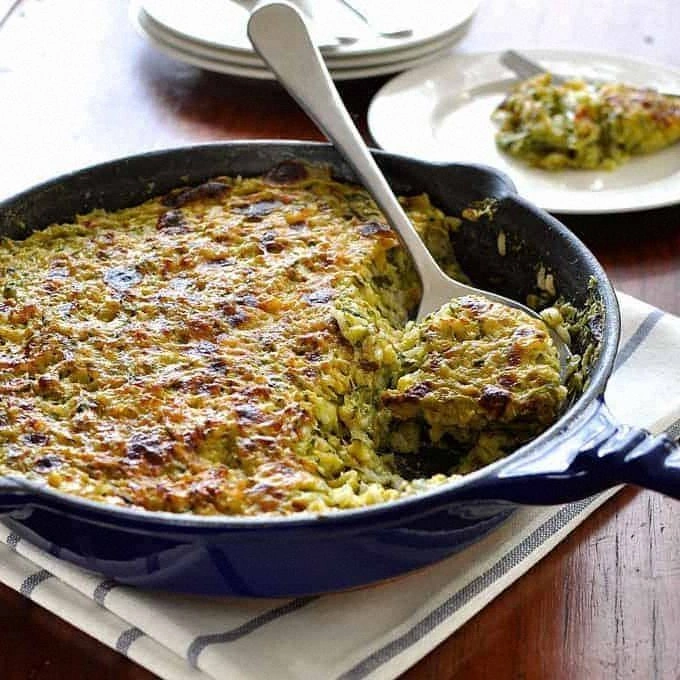
Picture yourself pulling this out of the oven, the whole kitchen smelling incredible, the golden crust cracking just enough to reveal steaming, tender layers beneath. The flavors are layered like a well‑written novel—each bite starts with buttery parmesan, followed by a whisper of onion, and ends with a comforting, slightly nutty rice grain that gives you that satisfying bite. I dare you to taste this and not go back for seconds; the texture alone will have you reaching for the serving spoon like it’s a treasure map.
Okay, ready for the game‑changer? I’m about to spill the beans (or rather, the zucchini juice) on a technique that most recipes completely miss: we’ll be coaxing the natural moisture out of the zucchini, then turning it into a warm, milky broth that becomes the heart of this dish. This isn’t just a tian; it’s a celebration of the vegetable’s natural sweetness, amplified by a few simple, smart tricks. Let me walk you through every single step — by the end, you’ll wonder how you ever made it any other way.
What Makes This Version Stand Out
- Flavor Depth: The combination of fresh zucchini juice and milk creates a custard that’s richer than any store‑bought cream sauce, delivering a buttery, slightly sweet undertone that makes every bite unforgettable.
- Texture Harmony: The rice adds a subtle chew, while the parmesan forms a golden crust that cracks like thin ice, giving you that perfect contrast between creamy interior and crisp top.
- Simplicity: Only seven core ingredients, yet each one plays a starring role—no fancy gadgets required, just a good knife and a sturdy pan.
- Uniqueness: Most tian recipes use heavy cream; we replace it with zucchini’s own juices, making the dish lighter, more natural, and surprisingly satisfying.
- Crowd Reaction: Guests often claim they’ve never tasted anything like it, and they’ll be the first to ask for the recipe (even if you’ve already eaten half).
- Ingredient Quality: Fresh, firm zucchini ensures a vibrant color and sweet flavor; using a brown onion adds a subtle earthiness that balances the dish.
- Cooking Method: The oven’s gentle heat melds flavors while the stovetop broth ensures everything stays moist—no dry, overcooked edges.
- Make‑Ahead Potential: You can assemble the tian a day ahead, refrigerate, and bake before serving, making it perfect for busy weeknights or dinner parties.
Inside the Ingredient List
The Flavor Base
The brown onion is the unsung hero here, offering a mellow sweetness once caramelized. Its natural sugars deepen the broth, creating a savory foundation that supports the zucchini’s delicate flavor. If you skip the onion, you’ll miss that subtle depth that makes the sauce feel hearty rather than watery. A good swap is a shallow‑fried shallot, which adds a more nuanced, slightly floral note.
The Texture Crew
Medium grain white rice is the silent workhorse, absorbing the broth and providing a gentle bite that prevents the dish from feeling overly soft. It also helps thicken the custard, ensuring the top crust adheres perfectly. If you’re gluten‑free, try arborio rice; it will give a creamier texture but requires a bit more stirring.
The Unexpected Star
Parmesan cheese, freshly grated, forms that golden, crackly top we all love. Its salty, umami punch balances the mild zucchini and makes the crust practically melt in your mouth. For a twist, substitute Pecorino Romano for a sharper edge, but keep the quantity the same to avoid overwhelming the dish.
The Final Flourish
Olive oil isn’t just for sautéing; it coats the zucchini slices, helping them caramelize lightly and lock in moisture. The three tablespoons are just enough to give a glossy finish without making the dish greasy. If you’re watching calories, you can halve the oil and add a splash of vegetable broth for the same sauté effect.
Everything's prepped? Good. Let's get into the real action...
The Method — Step by Step
Start by preheating your oven to 375°F (190°C). While the oven warms up, slice the zucchini into ¼‑inch rounds. I like to use a mandoline for uniform thickness; it ensures even cooking and that beautiful, layered look. Toss the slices with a pinch of salt and let them rest on a paper towel for 10 minutes to draw out excess water. That sizzle when it hits the pan? Absolute perfection.
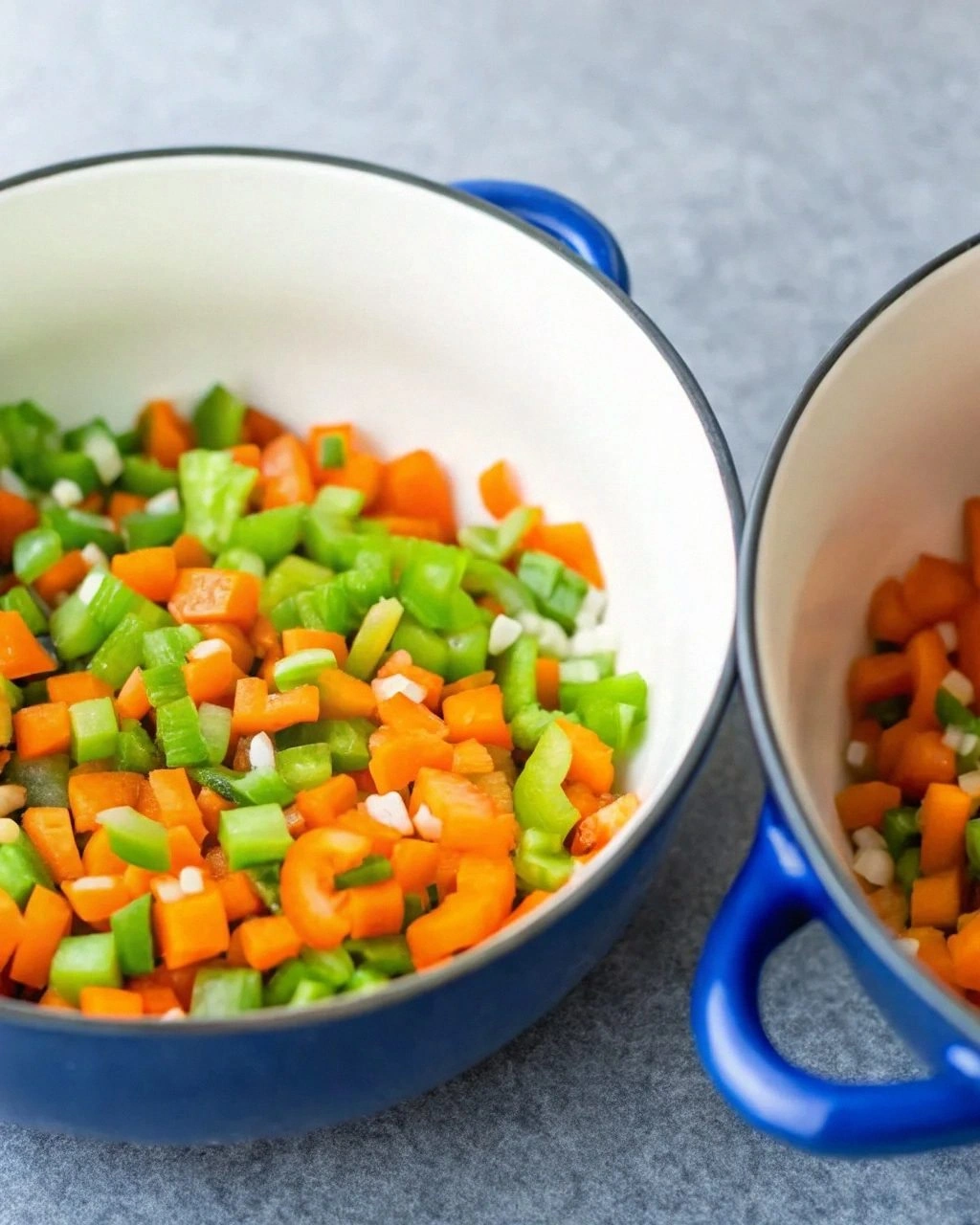
Meanwhile, finely dice the brown onion and mince the garlic cloves. Heat three tablespoons of olive oil in a large skillet over medium heat. Add the onion first; let it sweat until translucent, about 3‑4 minutes. Then add the garlic, stirring for another 30 seconds until fragrant.
Watch Out: Don’t let the garlic brown, or it will turn bitter and ruin the delicate flavor.Now, add the zucchini slices to the skillet, spreading them out in a single layer. Let them sizzle for 2‑3 minutes on each side, just enough to get a light golden edge. This step creates those crispy edges that shatter like thin ice when you bite into them later. As the zucchini cooks, it will release its juices—collect them in a bowl; you’ll need this liquid for the broth.
Once the zucchini is lightly browned, sprinkle the flour over the vegetables and stir to coat evenly. This creates a roux that will thicken the broth later. Cook for another minute, allowing the raw flour taste to evaporate.
Kitchen Hack: Use a whisk to avoid lumps; a smooth roux ensures a velvety sauce.Gradually pour in the warm liquid—zucchini juices mixed with milk—stirring constantly. The mixture should thicken within a couple of minutes, forming a luscious custard. Add the medium‑grain rice now, stirring to distribute evenly. Season with two teaspoons of salt and a generous pinch of black pepper. Let the mixture simmer for 5 minutes, allowing the rice to begin absorbing the broth.
Transfer the entire mixture into a greased 9‑x‑13‑inch baking dish, spreading it out evenly. Sprinkle the grated parmesan over the top, ensuring a full coverage for that golden crust. If you love extra crunch, add a light drizzle of olive oil on top before baking.
Place the dish in the preheated oven and bake for 25‑30 minutes, or until the top is bubbling and turns a deep amber. The edges should pull away slightly from the sides of the dish, indicating a perfect crust formation. This is the moment of truth. Resist the urge to open the oven early; the steam inside is essential for a moist interior.
Remove the tian from the oven and let it rest for 5‑7 minutes before serving. This rest period allows the custard to set, making it easier to slice cleanly. Serve hot, perhaps with a simple green salad or a slice of crusty bread.
Watch Out: Cutting too early will cause the custard to ooze; patience is your best friend here.
That's it — you did it. But hold on, I've got a few more tricks that'll take this to another level...
Insider Tricks for Flawless Results
The Temperature Rule Nobody Follows
Most home cooks set the oven to a high heat and hope for the best. The truth? A moderate 375°F allows the custard to set slowly, preventing a rubbery texture. If you’re in a hurry, you can bump it to 400°F, but expect a slightly drier interior. I once tried 425°F on a whim and ended up with a burnt top and soggy middle—lesson learned.
Why Your Nose Knows Best
When the broth starts to bubble, trust that aromatic cue. A gentle, steady simmer means the rice is absorbing evenly. If you hear a harsh, rapid boil, lower the heat; otherwise, the rice will cook too fast and the sauce may separate.
The 5‑Minute Rest That Changes Everything
Allowing the tian to sit after baking lets the starches settle, giving you clean slices. Skipping this step is like trying to cut a cake straight out of the oven—messy and disappointing. A quick tip: cover the dish loosely with foil during the rest to keep it warm.
The Parmesan Finish
For an extra‑crisp top, switch the last 5 minutes of baking to broil. Keep a close eye; the cheese can go from golden to burnt in seconds. A friend tried this once and ended up with a blackened crust—he now calls it “charcoal surprise.”
The Secret of the Zucchini Juice
Don’t discard the liquid from the sliced zucchini. It’s packed with flavor and nutrients, and when combined with milk, it forms a custard that’s richer than any cream. If you’re short on time, you can blend the raw zucchini and strain, but the sautéed version adds depth.
Creative Twists and Variations
This recipe is a playground. Here are some of my favorite ways to switch things up:
Mediterranean Magic
Swap the parmesan for feta cheese and add a handful of Kalamata olives. The salty tang of feta pairs beautifully with the sweet zucchini, creating a dish that feels like a seaside escape.
Spicy Kick
Add a teaspoon of smoked paprika and a pinch of red pepper flakes to the onion base. The subtle heat lifts the mellow flavors and makes the tian perfect for cooler evenings.
Herbaceous Delight
Stir in fresh chopped basil and thyme just before baking. The herbs infuse the custard with aromatic notes, turning a simple side into a fragrant main.
Cheesy Overload
Mix in shredded mozzarella with the parmesan for a gooey, stretchy top. This variation is a hit with kids and cheese lovers alike.
Vegan Version
Replace the milk with oat milk and the parmesan with nutritional yeast. Use a plant‑based butter in place of olive oil for sautéing. The result is just as creamy, with a nutty undertone.
Storing and Bringing It Back to Life
Fridge Storage
Let the tian cool completely, then cover tightly with foil or a lid. It will keep fresh for up to 4 days. Reheat gently in a 350°F oven for 15 minutes, covered with foil to prevent drying.
Freezer Friendly
Portion the tian into freezer‑safe containers, leaving a little headspace for expansion. Freeze for up to 2 months. Thaw overnight in the fridge, then bake at 375°F for 20‑25 minutes, adding a splash of water to revive the custard.
Best Reheating Method
For the crispiest top, reheat uncovered after the initial warm‑up phase. Add a tiny splash of water to the edges before covering; it steams back to perfection, keeping the interior moist while the crust regains its crunch.