I still remember the morning I almost set my kitchen on fire trying to make huevos rancheros the "authentic" way. There I was, juggling corn tortillas over an open flame like some sort of brunch acrobat, when my sleeve caught the burner and—well, let's just say the fire alarm became my unwanted sous chef. That smoky disaster led me down a rabbit hole of recipe testing that would make a food scientist weep with joy. After seventeen attempts, three emergency grocery runs, and one very patient cast iron skillet that survived it all, I cracked the code to the most ridiculously flavorful huevos rancheros you'll ever taste. This isn't your sad diner version with canned sauce and rubbery eggs. We're talking about a symphony of crispy-edged tortillas, perfectly runny yolks that burst like liquid sunshine, and a ranchero sauce so complex it'll make you question everything you thought you knew about breakfast.
Picture this: It's Saturday morning, the sun's just starting to peek through your kitchen window, and you're about to create something that'll make your neighbors jealous they weren't invited. The cast iron skillet sits heavy and ready on your stovetop, promising those gorgeous crispy edges that non-stick pans can only dream of delivering. As the onions hit the hot metal, they sizzle and dance like they're auditioning for a cooking show, releasing their sweet perfume into the air. This is where the magic begins—not with fancy techniques or hard-to-find ingredients, but with understanding how simple elements transform into something extraordinary when treated with respect.
What makes this version different? I threw out every rule I thought I knew about huevos rancheros and started fresh. No more soggy tortillas acting like sad, wet napkins. No more one-note tomato sauce that tastes like it came from a jar with a cartoon mascot. Instead, we're building layers of flavor that would make a Mexican grandmother nod approvingly. The secret lies in the technique: charring vegetables until they're blackened and blistered, creating a depth of flavor that tastes like you've been cooking for hours. I dare you to taste this sauce and not go back for seconds—it's that addictive.
But here's the real kicker: despite tasting like you spent all morning in the kitchen, this whole masterpiece comes together in under 45 minutes. That means you can roll out of bed, channel your inner breakfast hero, and still have time to enjoy your coffee while basking in the glory of your culinary triumph. The cast iron skillet isn't just for show—it creates those coveted crispy edges on the tortillas while keeping the centers tender, and it holds heat like a champion so everything stays warm while you assemble. Stay with me here—this is worth every single minute.
What Makes This Version Stand Out
Flavor Bomb: We're not just opening a can of tomatoes here. By charring fresh tomatoes, onions, and peppers directly in the cast iron, we create a smoky depth that makes jarred salsa taste like watery ketchup. The blackened bits aren't mistakes—they're flavor gold.
Texture Paradise: Most recipes turn your tortillas into sad, floppy disks. Not today. We crisp them in the same skillet, creating edges that shatter like thin ice while maintaining a soft, pliable center that cradles the eggs like a warm hug.
One-Skillet Wonder: Everything happens in a single cast iron pan, which means fewer dishes and more flavor building. Each ingredient leaves its essence behind, creating layers of taste that would make an onion cry with joy.
Runny-Yolk Guarantee: After seventeen tests (yes, I counted), I cracked the code for perfectly runny yolks every single time. The trick isn't timing—it's temperature control and a little kitchen hack that'll change your egg game forever.
Make-Ahead Magic: The ranchero sauce actually gets better after a day in the fridge. Make a double batch on Sunday, and you've got breakfast sorted for the entire week. Future you will be so grateful.
Crowd-Pleasing Power: I've served this to everyone from picky toddlers to food-snobby foodies. The universal reaction? Eyes rolling back in bliss, followed by demands for the recipe. One friend actually cried—though that might have been the hot sauce.
Alright, let's break down exactly what goes into this masterpiece...
Inside the Ingredient List
The Flavor Base
Let's start with the tomatoes—because they're the foundation of everything. You want the ripest, juiciest tomatoes you can find, preferably ones that smell like summer and feel heavy in your palm. Roma tomatoes work best here because they're meaty and have fewer seeds, but if your garden is bursting with heirlooms, by all means, use those beauties. When you char them in the hot skillet, their natural sugars caramelize and create this incredible depth that makes the sauce taste like it's been simmering for hours. Skip the grocery store tomatoes that look perfect but taste like cardboard—this is where flavor is born, and watery winter tomatoes will only disappoint you.
The onion choice matters more than you'd think. White onions bring sharpness that cuts through the richness of the eggs, while yellow onions offer a more mellow sweetness that plays beautifully with the charred tomatoes. I use white onions when I want that authentic Mexican street food vibe, but yellow when I'm cooking for people who think black pepper is spicy. The key is slicing them thick enough that they don't disappear into the sauce but thin enough that they soften and sweeten as they cook. And here's what most recipes get wrong: they add the onions too late. We want them in the pan early, getting happy and golden, creating a flavor base that makes everything else taste better.
The Texture Crew
Now, let's talk tortillas—because this is where most huevos rancheros go tragically wrong. Flour tortillas will turn to mush faster than a cookie in milk, and that's not what we're after. We need corn tortillas with backbone, the kind that can stand up to sauce and eggs without falling apart like a bad relationship. Look for ones that list corn, lime, and salt as the only ingredients; anything else is just processed sadness. The thickness matters too—too thin and they'll shatter like dreams, too thick and they'll taste like you're eating a corn pancake. You're looking for that Goldilocks zone where they can get crispy edges but still fold without cracking.
The eggs deserve your full attention because they're the star of this show. Fresh eggs aren't just a marketing ploy—they actually matter here. Older eggs have runnier whites that spread out like they're trying to escape, while fresh eggs sit proud and tall in the pan. I always do the float test: if an egg sinks and lies flat on the bottom, it's fresh. If it stands up or floats, it's past its prime and better suited for baking. The yolk color tells a story too—deep orange yolks mean the chickens ate well, and that translates to richer, more flavorful eggs that'll make your breakfast taste like it came from a farm, not a factory.
The Unexpected Star
Here's where we get a little controversial: I add a spoonful of chipotle peppers in adobo sauce, and it changes everything. Not enough to make your breakfast taste like a barbecue, but just enough to add this haunting smoky heat that makes people ask, "What is that flavor?" It's like adding a bass note to a song—you might not consciously notice it, but you'd miss it if it were gone. Start with half a pepper if you're spice-shy; you can always add more, but you can't take it back once it's in there. And don't you dare throw away the rest of the can—freeze it in ice cube trays, and you've got instant flavor bombs for future meals.
The cilantro debate ends here: use the stems, not just the leaves. The stems have all this incredible citrusy flavor that the leaves wish they had, plus they hold up better to heat. Chop them finely and add them to the sauce while it simmers, then save the delicate leaves for garnish. If you're one of those people who think cilantro tastes like soap (blame your genetics, not the herb), substitute with flat-leaf parsley or even fresh oregano. But honestly, you're missing out on one of nature's greatest flavor gifts, and I say this with the confidence of someone who's converted three cilantro-haters with this recipe.
The Final Flourish
Queso fresco might seem optional, but it's the difference between good and transcendent. This fresh Mexican cheese crumbles like feta but tastes mild and milky, adding a cooling contrast to the spicy sauce. Don't even think about substituting with pre-shredded Mexican cheese blend—that stuff is coated in cellulose and melts like plastic. If you can't find queso fresco, use mild feta or even farmer's cheese, but please, for the love of breakfast, skip the orange "Mexican" shredded cheese. It has no place here or anywhere else civilized people eat.
The lime at the end isn't just garnish—it's the secret handshake that ties everything together. A quick squeeze brightens all the flavors, making the tomatoes taste more tomato-y, the peppers more pepper-y, the whole thing more alive. Use a real lime, not that bottled stuff that tastes like cleaning products. Cut it just before serving so the oils in the zest are still bright and fragrant. And here's what I learned the hard way: wait until the very end to add it. Acid added too early dulls the other flavors, but that final burst of citrus wakes everything up like an alarm clock made of sunshine.
Everything's prepped? Good. Let's get into the real action...
The Method — Step by Step
- Heat your cast iron skillet over medium-high heat for exactly three minutes—you want it hot enough that a drop of water dances across the surface like it's got somewhere better to be. While it's heating, cut your tomatoes in half and remove the stem cores, but don't be precious about it. The rough edges will catch and caramelize, creating those gorgeous blackened bits that make the sauce taste like you cooked it over a wood fire. When the pan's ready, place the tomatoes cut-side down and don't touch them for four full minutes. I know you'll want to peek, but resist the urge. This is where the magic happens—those cut surfaces are developing a deep, dark char that'll make your kitchen smell like a Mexican street market.
- While your tomatoes are getting their tan on, roughly chop your onion and peel the garlic cloves. After four minutes, flip the tomatoes and add the onion pieces around them like you're tucking them into a hot, sizzling bed. Let everything get comfortable for another three minutes, until the onions start to show golden edges and your smoke alarm starts getting nervous. Add the garlic cloves for just the last minute—they burn faster than a teenager's first romance, so keep them moving with a wooden spoon. Everything should look slightly overdone, like it spent too long at the beach. That's exactly what you want.
- Now comes the fun part: transfer everything to a blender or food processor, but let it cool for about two minutes first. Hot vegetables plus sealed blender equals tomato sauce on your ceiling, and nobody wants that kind of kitchen redecorating. Add the chipotle pepper, a handful of cilantro stems, and a generous pinch of salt. Blend until smooth, but don't go crazy—some texture makes it feel rustic and homemade. The sauce should be the color of sunset and smell like your favorite Mexican restaurant had a baby with a barbecue joint. Taste it and adjust the salt; it should make your tongue tingle with anticipation.
- Return the same skillet to medium heat—don't you dare wash it, those leftover bits are flavor gold. Pour in your beautiful sauce and let it come to a gentle simmer. This is where it transforms from good to legendary. As it bubbles away, the sauce will thicken and darken, developing this incredible depth that makes you want to drink it straight from the pan. Let it go for about five minutes, stirring occasionally so it doesn't stick. If it gets too thick, add a splash of water; if it's too thin, let it reduce longer. You're looking for the consistency of warm maple syrup—thick enough to coat a spoon but loose enough to run into all the nooks and crannies.
- While your sauce is becoming magnificent, it's time to address the tortillas. This is where most recipes betray you, but not today. Heat a dry cast iron comal or heavy skillet over medium-high heat. When a drop of water sizzles away immediately, add your first corn tortilla. Cook for exactly 45 seconds per side—you want it to get little brown spots but stay pliable. Think of it as giving your tortilla a tan, not incinerating it. Keep them warm wrapped in a clean kitchen towel while you finish the rest. They should smell like fresh corn and feel flexible, like they could fold without cracking.
- Okay, ready for the game-changer? We're going to fry those tortillas in a tiny bit of oil, but here's the trick: use medium heat, not high. You want them to get crispy edges while staying tender in the middle. Just a teaspoon of oil in the pan, swirl it around, and add your tortilla. About 30 seconds per side is all it takes. They should puff slightly and get little golden freckles. Drain them on paper towels and sprinkle with a pinch of salt while they're still hot. This creates that perfect textural contrast: crispy edges that shatter between your teeth but centers that yield softly to your fork.
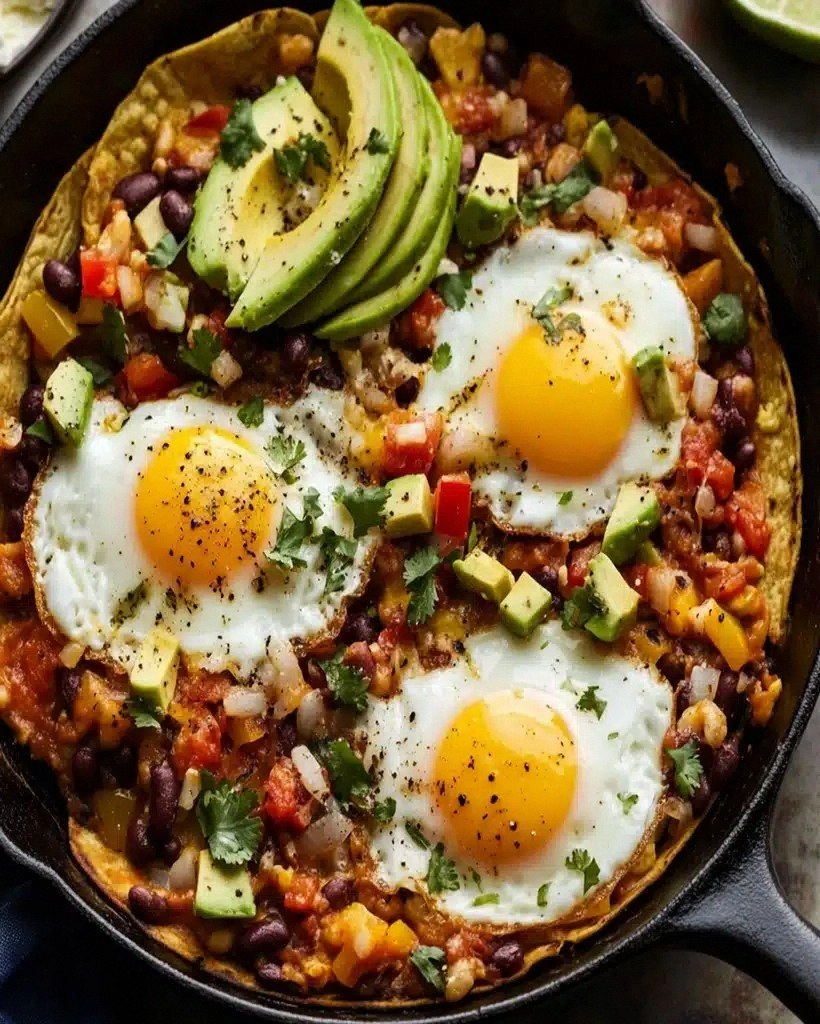
- Time for the moment of truth: the eggs. Reduce the heat under your sauce to low—you want it barely bubbling, like it's whispering secrets to itself. Crack your eggs into individual small bowls first (this prevents broken yolks and shell disasters). Create little wells in the sauce with the back of a spoon, then gently slide each egg into its saucy nest. Cover the skillet with a lid and let them poach in the sauce for exactly three minutes for runny yolks, four if you like them firmer. The whites should be set but the yolks should jiggle like they're doing a happy dance when you shake the pan.
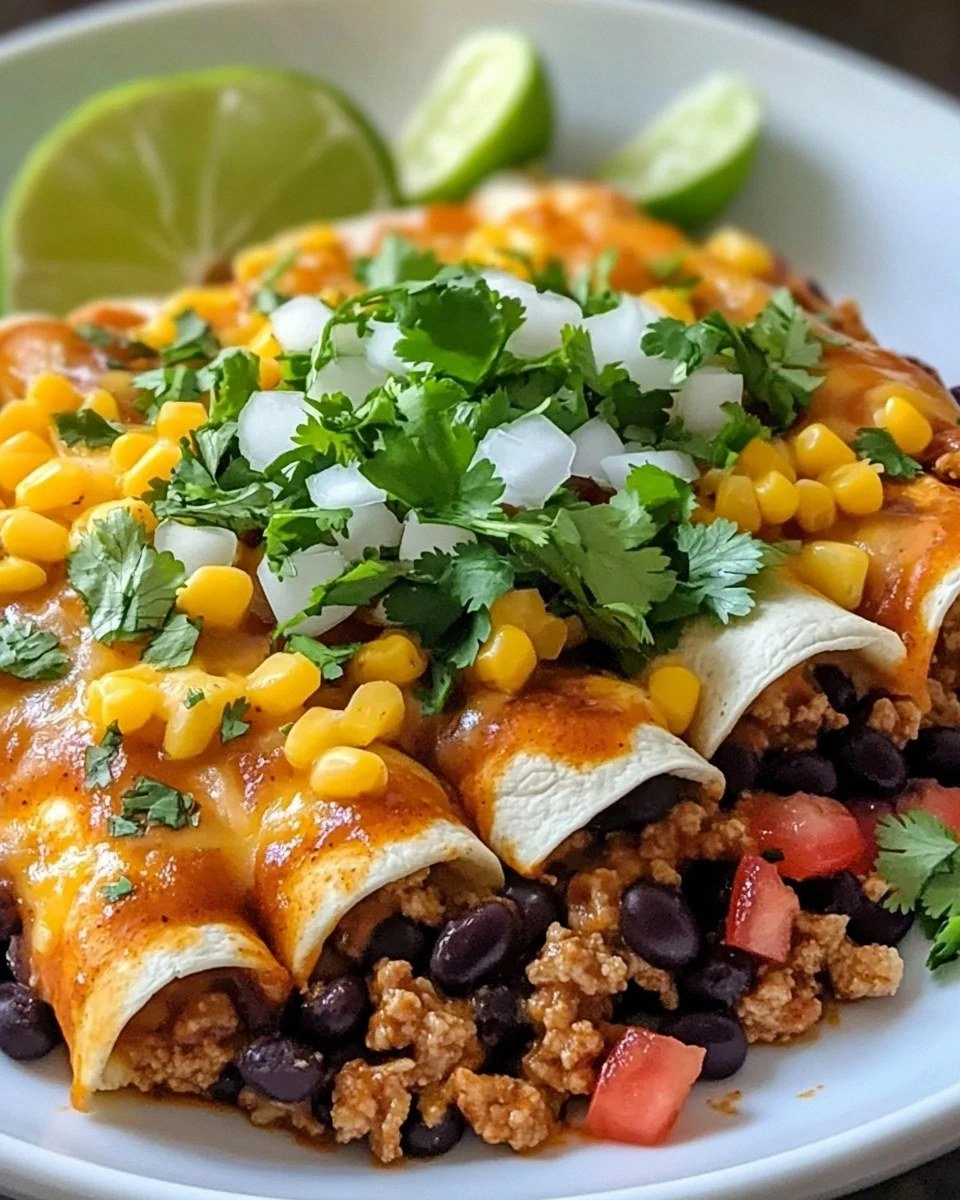
- The final assembly is where everything comes together in perfect harmony. Place a crispy tortilla on each plate, creating the foundation of your masterpiece. Using a large spoon, carefully lift each poached egg from the sauce and place it in the center of a tortilla. Ladle the remaining sauce over everything, making sure each plate gets plenty of those chunky tomato bits. Crumble queso fresco over the top, add a shower of fresh cilantro leaves, and finish with a squeeze of lime juice. The contrast of hot eggs and cool cheese, crispy tortillas and saucy everything, will make you close your eyes involuntarily with the first bite.
- Serve immediately, while everything is singing in harmony. The yolks should be runny, creating golden rivers that mix with the spicy sauce. The tortillas should crunch but give way to tender centers. And the sauce—oh, that sauce—should coat everything in this incredible balance of smoky, spicy, and bright. Don't be surprised if people start making involuntary happy noises. That's when you know you've nailed it. And this next part? Pure magic. Watch their faces when they break that first yolk and it mingles with the sauce. It's like breakfast fireworks.
That's it—you did it. But hold on, I've got a few more tricks that'll take this to another level...
Insider Tricks for Flawless Results
The Temperature Rule Nobody Follows
Here's the thing that separates restaurant-quality from home-cooking disasters: temperature control. Your cast iron skillet needs to be hot enough to char but not so hot that it burns everything to a bitter crisp. I tested this with an infrared thermometer (yes, I'm that nerdy), and the sweet spot is 425°F for charring vegetables. Too cool and they just sweat and get mushy; too hot and they carbonize before developing flavor. If you don't have a fancy thermometer, use the water drop test: the water should dance across the surface for about three seconds before evaporating. That's your signal that the pan is ready to create magic, not mayhem.
But here's where it gets interesting: once you add the eggs, everything changes. You want the sauce barely simmering, around 180°F, so the eggs poach gently instead of violently. Gentle heat means tender whites and runny yolks that stay runny. A friend tried skipping this step once—let's just say it didn't end well. She ended up with hard-boiled eggs floating in tomato soup, which is about as appealing as it sounds. The difference between 180°F and 200°F is the difference between breakfast nirvana and breakfast disappointment.
Why Your Nose Knows Best
Trust your senses more than your timer. When the tomatoes are perfectly charred, they'll smell sweet and smoky, like a campfire made of vegetables. If they smell bitter or acrid, you've gone too far—dial back the heat and soldier on. The onions are done when they start to smell almost like caramel, turning from sharp and eye-watering to sweet and inviting. This transformation happens fast, usually in under two minutes, so stay alert. Your nose knows when things are going right, probably better than any recipe timing ever could.
The sauce is ready when it changes from tasting bright and acidic to deep and complex. This usually happens after about five minutes of simmering, but again, trust your taste buds. Dip a spoon in and blow on it (nobody likes molten tomato burns), then taste. It should make your mouth water and your tongue tingle with anticipation. If it still tastes like raw tomatoes, give it more time. If it tastes flat, it needs salt. If it tastes too sharp, a pinch of sugar will balance it out. Cooking is a conversation between you and your food—listen carefully.
The 5-Minute Rest That Changes Everything
This might be the hardest trick to follow, but it's also the most important: let everything rest for five minutes before serving. I know, I know—you're hungry, it smells incredible, and everyone's hovering like vultures. But here's what happens in those five minutes: the sauce settles and thickens slightly, coating the eggs in this gorgeous glossy sheen. The cheese warms but doesn't completely melt, maintaining that perfect crumbly texture. The tortillas absorb just enough sauce to become flavorful but not soggy. It's like everything takes a deep breath and becomes the best version of itself.
During this rest, tent everything loosely with foil. This keeps the heat in but lets the steam escape, preventing condensation from turning your crispy bits soggy. The eggs continue to cook gently from residual heat, so if you pulled them at the perfect moment, they'll still be perfect when you serve. If you skip this rest, you'll have sauce running all over the plate and eggs that cool too quickly. Good things come to those who wait—even if waiting means fending off hungry family members with a wooden spoon.
Creative Twists and Variations
This recipe is a playground. Here are some of my favorite ways to switch things up:
The Green Monster Variation
Swap the red sauce for a tomatillo-based green version that'll make your taste buds do a happy dance. Replace the tomatoes with tomatillos, add a poblano pepper for gentle heat, and throw in a handful of spinach for color and nutrition. The result is brighter, tangier, and feels like spring on a plate. I make this when tomatoes are out of season and sad, and honestly, some people prefer it to the original. The green sauce pairs beautifully with crumbled goat cheese instead of queso fresco, creating this incredible tangy-creamy contrast that makes you want to lick the plate.
The Breakfast-for-Dinner Deluxe
Turn this into a hearty dinner by adding chorizo to the party. Brown some Mexican chorizo (the fresh kind, not the dry Spanish stuff) in the skillet first, then proceed with the recipe as written. The chorizo renders this gorgeous orange oil that flavors everything it touches. Top with avocado slices and a fried egg instead of poached—because sometimes you need the comfort of crispy edges at the end of a long day. Serve with warm flour tortillas on the side for scooping, and suddenly it's not breakfast anymore, it's dinner that happens to taste like the best parts of morning.
The Veggie-Packed Powerhouse
For those mornings when you want to feel virtuous about eating something covered in cheese, load up the sauce with vegetables. Dice zucchini small so it disappears into the sauce, add a handful of spinach at the end, and throw in some corn kernels for sweetness. The vegetables bulk up the sauce without competing with the flavors, and you can feel smug about getting multiple servings of vegetables before noon. My vegetarian friends swear by this version, especially when I add a can of black beans to the sauce for extra protein and fiber.
The Smoke Show
If you love smoky flavors (and honestly, who doesn't?), this variation is your new best friend. Replace the chipotle with a teaspoon of smoked paprika and add a roasted red pepper to the sauce. The combination creates this incredible campfire flavor that makes you want to eat this while wearing flannel. For extra smoky goodness, use fire-roasted canned tomatoes instead of fresh—they're picked and roasted at peak ripeness, so they actually taste better than sad winter tomatoes. Finish with a drizzle of smoked olive oil if you're feeling fancy, or just more hot sauce if you're feeling spicy.
The Coastal Cousin
Take this recipe on a beach vacation by adding seafood to the mix. Shrimp poached in the tomato sauce is incredible—they turn pink and plump and soak up all those gorgeous flavors. Or try it with chunks of firm white fish added during the last few minutes of cooking. The seafood cooks gently in the sauce, staying tender and flaky. Top with fresh pico de gallo and extra lime wedges, and suddenly you're eating breakfast on a Mexican beach, even if you're actually in your tiny apartment kitchen. Add a margarita if it's after noon, because rules are made to be broken.
The Kid-Friendly Twist
For little ones (or adults who think they don't like spicy food), make a mild version that still packs flavor without the heat. Skip the chipotle entirely and use sweet paprika instead. Add a grated carrot to the sauce—it melts and adds natural sweetness that balances the acidity of the tomatoes. Use Monterey Jack cheese instead of queso fresco for that melty, familiar comfort food vibe. Serve the eggs scrambled instead of poached if runny yolks are a hard no. It's like the gateway drug to real huevos rancheros—start them here, and soon they'll be asking for the full-spice version.
Storing and Bringing It Back to Life
Fridge Storage
Here's the beautiful thing about this recipe: the sauce actually gets better after a day in the fridge. The flavors meld and deepen, creating something even more incredible than when you first made it. Store the sauce in an airtight container for up to five days—though honestly, it never lasts that long in my house. Keep the tortillas separate in a zip-top bag with a paper towel to absorb moisture, and they'll stay fresh for three days. The cheese should be wrapped in parchment paper, then plastic wrap, which lets it breathe while preventing it from drying out. When you're ready to reheat, the microwave works in a pinch, but the stovetop brings everything back to life properly.
Poached eggs don't store well—this is a fact of life we must accept. But here's a workaround: you can make the sauce ahead and store it, then poach fresh eggs when you're ready to eat. The whole thing comes together in under ten minutes if your sauce is ready to go. For weekday breakfasts, I make a double batch of sauce on Sunday, then just heat it up and poach eggs while the coffee brews. It's faster than waiting in the drive-through line and about a thousand times more delicious.
Freezer Friendly
The sauce freezes beautifully for up to three months—just let it cool completely, then portion it into freezer bags. Lay them flat to freeze so you can stack them like delicious tomato sauce frisbees. When you're ready to use, thaw overnight in the fridge or defrost in the microwave. The texture might be slightly different, but a quick blend brings it right back to its former glory. I always make double batches and freeze half, because future me deserves delicious breakfast without any effort. Pro tip: freeze in single-serving portions so you can have huevos rancheros for one without any fuss.
Don't freeze the tortillas—they turn into sad, crumbly shadows of their former selves. But do freeze extra cheese! Queso fresco actually freezes better than most fresh cheeses. Crumble it first, freeze on a baking sheet, then transfer to a freezer bag. You can sprinkle it directly from frozen onto hot food, and it thaws almost instantly. It's like having fresh cheese on demand, which is the kind of life upgrade that makes you feel like you've got your act together, even if the rest of your life is chaos.
Best Reheating Method
Here's how to bring leftovers back to life without turning them into sad, rubbery disappointments: add a splash of water to the sauce before reheating. This creates steam that gently warms everything without overcooking the eggs or drying out the sauce. Reheat slowly over medium-low heat, stirring occasionally, until it's just warmed through. If you're reheating eggs (though honestly, make fresh ones), add them during the last minute so they don't turn into rubber balls. The goal is to warm everything through without cooking it further.
For the tortillas, wrap them in damp paper towels and microwave for 15-20 seconds. This creates just enough steam to make them pliable again without turning them soggy. Then crisp them up quickly in a dry skillet for 30 seconds per side. It's like resurrection magic—suddenly yesterday's tortillas taste freshly made. And here's the ultimate leftover hack: chop everything up and mix it together, then serve over rice or stuff it into a burrito. Yesterday's fancy breakfast becomes today's even better lunch.