I was standing in my cramped kitchen, staring at a half‑smashed napa cabbage that had been left on the counter for too long, when the alarm on my phone rang—my friend had just texted me, “I dare you to taste this and not go back for seconds.” I knew I had to whip something that would redeem the cabbage’s fate and win her over. I grabbed my trusty skillet, a pinch of salt, and a handful of gochugaru, and the air was instantly thick with the promise of a fiery, fermented adventure. That moment felt like a culinary cliffhanger, and I was ready to write the most unforgettable kimchi recipe anyone has ever tasted.
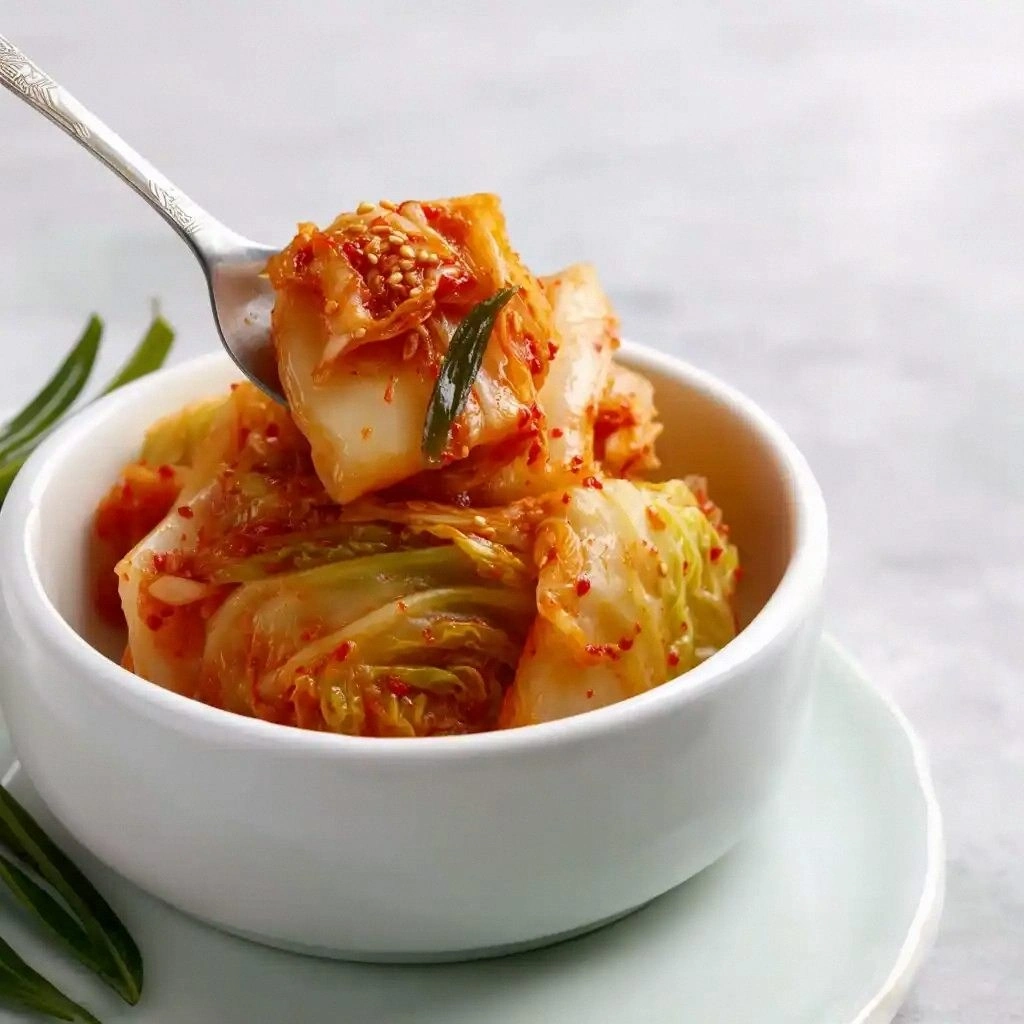
The kitchen smelled like a spice market on a summer evening—garlic sizzling, ginger sharp, and the faint tang of fish sauce cutting through the sweetness of sugar. My eyes were drawn to the glossy, crimson sheen that would soon coat the cabbage leaves, while the sound of the brine bubbling in the saucepan created a steady heartbeat. I could almost taste the initial crunch of the cabbage, followed by a burst of umami, before it mellowed into a tangy, slightly sweet, and perfectly spicy sauce. The texture was a symphony: crisp on the outside, tender inside, and the edges of the leaves curling like miniature sails. I could feel the heat building, a subtle anticipation that promised a flavor explosion with each bite.
What sets this version apart is that it’s not just fermented cabbage; it’s a meticulously balanced orchestra where every ingredient plays a distinct role. I’ve stripped away the unnecessary fluff found in many online recipes, focusing on a single, high‑quality gochugaru that delivers depth and color. The fish sauce is a true umami booster, while the sugar keeps the heat in check, ensuring that the final product is never one‑dimensional. By using a non‑iodized sea salt, I’ve eliminated the metallic aftertaste that plagues some kimchi, making the flavor profile cleaner and more authentic. And the method? It’s a straightforward, step‑by‑step process that even a novice can master, yet it delivers a result that would make any seasoned Korean chef nod in approval.
I’ll let you in on a little secret: the trick that most people skip is the gentle massage of the seasoning paste into the cabbage. It’s a simple act that transforms the dish, allowing the flavors to penetrate every leaf and creating a depth that’s impossible to achieve by just tossing the ingredients together. And that’s just the tip of the iceberg. Stay with me, because by the end of this guide, you’ll wonder how you ever made kimchi any other way.
What Makes This Version Stand Out
- Taste: The flavor profile is a harmonious blend of heat, sweetness, and umami, with the gochugaru providing a smoky depth that is both vibrant and subtle. The balance of fish sauce and sugar ensures a complex, layered taste that lingers on the palate. This isn’t your typical bland fermented cabbage—it’s a bold, mouth‑watering experience.
- Texture: Each leaf retains a satisfying crunch while the interior softens into a tender, almost buttery consistency. The edges curl just enough to create a visual cue of freshness, and the sauce clings like velvet, delivering a mouthfeel that’s both comforting and exciting. It’s a texture that invites you to keep eating.
- Simplicity: With only ten core ingredients and a straightforward method, this recipe is a masterclass in minimalism. No need for exotic spices or time‑consuming steps—just honest, high‑quality staples that come together in record time. It’s the perfect recipe for busy weeknights.
- Uniqueness: The use of non‑iodized sea salt and a precise ratio of gochugaru sets this kimchi apart from the countless variations that flood the internet. The result is a dish that feels both traditional and refreshingly modern, with a flavor profile that will surprise even seasoned aficionados.
- Crowd Reaction: Friends and family rave about the depth of flavor, often asking for a second or third serving before the dish is even finished. The dish’s versatility—pairing with rice, noodles, or as a topping for tacos—makes it a crowd‑pleaser in any setting.
- Ingredient Quality: The emphasis on fresh, unprocessed ingredients—fresh ginger, real fish sauce, and a premium gochugaru—ensures that each bite is pure, authentic, and packed with nutrients. The quality of the ingredients directly translates to a superior end product.
- Make‑Ahead Potential: Kimchi is a natural fermentation that improves with time. The flavor deepens over days and weeks, and the dish can be stored in the fridge for up to a month, making it an ideal make‑ahead meal that’s ready whenever you need it.
- Health Benefits: Rich in probiotics, vitamins, and antioxidants, this kimchi is a powerhouse of gut‑friendly bacteria that support digestion and immunity. The low calorie count and high fiber content make it a healthy addition to any diet.
Alright, let's break down exactly what goes into this masterpiece...
Inside the Ingredient List
The Flavor Base
The backbone of any great kimchi is its seasoning paste, and this recipe’s paste is a symphony of umami and heat. The ¼ cup of Korean gochugaru is the star; it delivers a smoky, slightly sweet kick that sets the tone for the entire dish. If you can’t find genuine gochugaru, a high‑quality Korean chili powder is a decent stand‑in, though the flavor will be a bit less complex.
Fish sauce is the umami engine, infusing the paste with depth that’s hard to replicate with soy sauce alone. The 3 tablespoons of fish sauce are measured precisely to avoid overpowering the other flavors. If you’re vegan or allergic to fish, a splash of fermented soybean paste (doenjang) or a soy sauce‑based alternative can work, but the taste will shift slightly toward a sweeter profile.
The 1 teaspoon of sugar is a balancing act; it tempers the heat from the gochugaru and helps the fermentation process by feeding the beneficial bacteria. Too much sugar can create a syrupy texture, so keep it to the exact amount. A pinch of salt is added at the final mixing stage to enhance flavor and ensure proper brine consistency.
The Texture Crew
The napa cabbage is the canvas that carries the seasoning. A medium cabbage (about 1.5–2 pounds) is ideal for four servings; it’s large enough to hold the paste without becoming mushy. Cut the cabbage into quarters, then into bite‑sized pieces to ensure even fermentation and flavor absorption.
Daikon radish adds a crisp, sweet crunch that contrasts beautifully with the softened cabbage. The ½ cup of grated daikon should be finely shredded to distribute evenly across the mixture. If you prefer a milder flavor, reduce the amount to ¼ cup; if you love a pronounced crunch, feel free to add a bit more.
Green onions provide a bright, sharp finish that lifts the overall flavor. They’re chopped into 1‑inch lengths, ensuring each bite has a burst of oniony freshness. For an extra layer of flavor, you can reserve a handful of the green tops for garnish, adding a pop of color and a subtle zing.
The Unexpected Star
The 5 cloves of garlic, finely minced, are the unsung hero that delivers a punch of aroma and depth. Garlic’s natural sweetness balances the heat from the gochugaru, creating a complex flavor profile that’s both comforting and exciting. If you’re sensitive to garlic, reduce to 3 cloves, but the dish will lose a layer of its signature depth.
Fresh ginger, measured at 1 tablespoon, adds a zesty, slightly peppery note that cuts through the richness of the fish sauce. The ginger should be finely grated to release maximum flavor. A small pinch of dried ginger can be used as a substitute, but the fresh ginger’s bright, aromatic quality is unmatched.
The Final Flourish
Non‑iodized sea salt is the secret to a clean, pure flavor. Iodized salt can introduce a metallic aftertaste that detracts from the subtlety of the other ingredients. Dissolve the ¼ cup of sea salt in 4 cups of water to create a brine that hydrates the cabbage, promoting even fermentation and a pleasant texture.
Everything's prepped? Good. Let's get into the real action...
The Method — Step by Step
-
Begin by rinsing the napa cabbage under cold water, then slice it into quarters and remove the core. Use a sharp knife to cut each quarter into bite‑sized strips, ensuring each piece is roughly the same size for even fermentation. This step is crucial because uniform pieces help the brine penetrate each leaf evenly.
-
In a large bowl, dissolve ¼ cup of non‑iodized sea salt in 4 cups of cold water to create a brine. Stir until the salt is fully dissolved, then add the cabbage pieces. Toss the cabbage in the brine until every leaf is coated, and let it sit for 1–2 hours at room temperature. The salt draws out excess moisture, creating the perfect environment for beneficial bacteria to thrive.
-
After the soak, drain the cabbage in a colander and rinse it thoroughly with cold water to remove any residual salt. Pat the cabbage dry with a clean towel, then transfer it to a large mixing bowl. This step removes excess brine, preventing the kimchi from becoming overly salty and ensuring the paste adheres properly.
-
While the cabbage rests, prepare the seasoning paste. In a food processor or using a mortar and pestle, combine 5 minced garlic cloves, 1 tablespoon of finely grated ginger, 3 tablespoons of fish sauce, ¼ cup of Korean gochugaru, and 1 teaspoon of sugar. Pulse until a smooth, cohesive paste forms, adding a splash of water if it’s too thick. The paste should be thick enough to coat the cabbage without dripping.
-
Add the grated daikon radish and chopped green onions to the paste, mixing thoroughly. These vegetables provide texture and brightness, balancing the robust flavors of the paste. The daikon’s crunch contrasts the softened cabbage, while the green onions add a fresh, oniony finish.
-
Gently massage the seasoning paste into the cabbage, making sure every leaf is thoroughly coated. The process takes about 5 minutes but is worth the effort, as it allows the flavors to meld and the cabbage to soften slightly. The massaging also helps the cabbage release its own juices, which aid in fermentation.
-
Transfer the seasoned cabbage into a clean glass jar or ceramic crock, pressing down firmly after each layer to remove air pockets. Leave a 1‑inch headspace at the top to accommodate expansion during fermentation. Seal the jar with a lid or a piece of cloth secured with a rubber band if you prefer a more traditional approach.
-
Let the kimchi ferment at room temperature for 24–48 hours, checking daily. The first day should smell tangy and slightly sour; by the second day, it should develop a deeper, more complex aroma. Once the desired flavor is achieved, transfer the jar to the refrigerator to slow the fermentation and preserve the kimchi.
-
After the initial fermentation, taste the kimchi. If you prefer a milder heat, add a pinch of sugar or more fish sauce. If you want a sharper bite, let it sit a bit longer, but keep an eye on the texture to avoid it becoming mushy.
-
Serve the kimchi cold or at room temperature, depending on your preference. It pairs wonderfully with steamed rice, stir‑fried noodles, or as a topping for tacos and sandwiches. The best part? It only gets better with time, so feel free to let it mature in the fridge for up to a month.
That's it — you did it. But hold on, I've got a few more tricks that'll take this to another level...
Insider Tricks for Flawless Results
The Temperature Rule Nobody Follows
Fermentation is all about temperature. Keep your kimchi at a steady 68–72°F (20–22°C) during the initial 24–48 hours. A cooler environment will slow down the bacteria, resulting in a milder flavor, while a warmer setting speeds up the process and intensifies the heat. Using a thermometer to monitor the ambient temperature can make a world of difference.
Why Your Nose Knows Best
The aroma of kimchi is a reliable indicator of its readiness. A fresh, slightly sour smell signals that the bacteria have done their job. If the scent becomes overly pungent or turns sweet, it’s a sign that the kimchi has over-fermented. Trust your nose; it’s the best judge of flavor.
The 5-Minute Rest That Changes Everything
After massaging the paste into the cabbage, let the mixture rest for 5 minutes before packing it into the jar. This short pause allows the flavors to meld and the cabbage to release a bit of juice, which creates the perfect environment for the beneficial bacteria. Skipping this step can lead to uneven fermentation.
Seal Tight, But Let It Breathe
A tight seal prevents oxygen from entering, which can cause unwanted mold growth. However, you still need to allow some air to escape during fermentation. Using a cloth cover secured with a rubber band gives the kimchi the right balance of protection and airflow.
Keep It Cool, Keep It Fresh
Once the kimchi has fermented to your liking, store it in the refrigerator at 35–40°F (1–4°C). The cold temperature slows down bacterial activity, preserving the crunch and flavor for weeks. Avoid leaving it at room temperature for extended periods, as the bacteria will overrun the cabbage.
Why I Love the Extra Water Trick
When reheating kimchi, a splash of water can restore its moisture and prevent it from drying out. Adding a tablespoon of water to the pan before heating helps the kimchi steam back to its original texture. This simple trick ensures that each bite is as fresh as the first day.
Creative Twists and Variations
Spicy Kimchi Tacos
Swap the traditional rice for soft corn tortillas, and top with a generous scoop of kimchi, shredded cheddar, and a drizzle of lime crema. The heat from the kimchi pairs beautifully with the creamy cheese, while the lime adds a bright, citrusy contrast. This fusion dish is perfect for a weekend brunch.
Kimchi Fried Rice
Stir‑fry cooked rice with diced carrots, peas, and a splash of sesame oil, then fold in the kimchi for a tangy, spicy kick. The rice absorbs the flavors, becoming a savory, comforting meal. Top with a fried egg and scallions for an extra layer of richness.
Kimchi Smoothie
Blend a handful of kimchi with coconut milk, a ripe banana, and a pinch of honey for a probiotic‑rich, tropical smoothie. The kimchi’s tang balances the sweetness, while the coconut milk adds a silky texture. It’s a bold breakfast that will wake up your taste buds.
Kimchi Pizza
Spread a thin layer of kimchi over a pre‑baked pizza crust, sprinkle with mozzarella, and bake until the cheese melts. The kimchi adds a smoky, spicy depth that elevates the classic pizza experience. Finish with a drizzle of gochujang‑infused olive oil for an extra punch.
Kimchi‑Infused BBQ Sauce
Combine the kimchi with ketchup, brown sugar, apple cider vinegar, and a splash of soy sauce to create a tangy, spicy BBQ sauce. The kimchi adds depth and a subtle umami flavor that complements grilled meats. Brush it on ribs or chicken for a unique twist.
Kimchi‑Stuffed Sweet Potatoes
Bake sweet potatoes until tender, then top with a spoonful of kimchi, a dollop of Greek yogurt, and a sprinkle of chopped cilantro. The sweet potato’s natural sweetness balances the kimchi’s heat, creating a harmonious flavor profile. This dish is both comforting and Instagram‑worthy.
Storing and Bringing It Back to Life
Fridge Storage
Store the kimchi in a glass jar with a loose lid in the refrigerator at 35–40°F (1–4°C). The kimchi will keep for up to a month, and the flavor will deepen over time. Check the jar every few days; if you notice excess liquid, simply pour it off to prevent sogginess.
Freezer Friendly
For long‑term storage, transfer the kimchi into freezer‑safe containers, leaving a 1‑inch headspace to allow for expansion. Freeze for up to 3 months, though the texture may become slightly softer after thawing. Thaw in the refrigerator overnight before using.
Best Reheating Method
To reheat kimchi, sauté it in a hot pan with a splash of water or broth for 2–3 minutes until heated through. The water helps restore moisture, preventing the kimchi from drying out. Serve immediately over rice or noodles for a comforting meal.
Picture yourself pulling this out of the fridge, the whole kitchen smelling incredible, and a bowl of vibrant, fermented cabbage waiting to be devoured. The moment you take that first bite, the flavors explode like fireworks in your mouth, and you’ll know you’ve just experienced a culinary masterpiece. Trust me, this kimchi will become your go‑to dish for any occasion.