I’ve been chasing that elusive “perfect salmon” for years—glossy, flaky, and bursting with citrus that makes you forget you’re eating fish. The moment I first tried to replicate that restaurant‑quality bite at home, I realized the secret wasn’t a fancy pan or a pricey fillet; it was a handful of bold, simple ingredients and a technique that turns ordinary into extraordinary. Picture a pan sizzling, the scent of lemon zest dancing through the kitchen, the sound of a fillet cracking as it hits the heat—this is the kind of sensory fireworks that turns an ordinary dinner into a culinary celebration.
I’ll be honest—my first attempt was a disaster. The salmon came out dry, the pepper was too harsh, and the lemon was an afterthought. I stared at the burnt edges, feeling the sting of disappointment. But that kitchen catastrophe became my turning point. I dissected every element, re‑imagined the flavor profile, and emerged with a recipe that not only saved the meal but turned it into a crowd‑pleaser that I can’t wait to share.
What sets this version apart is the marriage of citrus brightness, peppered heat, and a buttery finish that coats the fish like velvet. It’s a dish that feels luxurious yet approachable, with a texture that’s simultaneously crisp on the outside and tender inside. I dare you to taste this and not go back for seconds; the first bite will have you questioning why you ever settled for anything less.
There’s a twist you won’t expect: a subtle splash of Dijon mustard that adds depth without overpowering the lemon. It’s a small detail that elevates the entire flavor profile, giving the sauce a silky mouthfeel and a hint of umami that balances the bright citrus. That’s the secret ingredient that turns a simple pan sear into a memorable experience.
If you’ve ever struggled to get salmon just right—flaking, overcooking, or blandness—this recipe is your new go‑to. I’ll walk you through every single step, from selecting the freshest fillets to the final garnish that makes the dish look as good as it tastes. By the end, you’ll wonder how you ever made it any other way.
What Makes This Version Stand Out
- Bold Flavor: The combination of lemon zest, fresh lemon juice, and freshly cracked pepper creates a flavor profile that’s both bright and daring, leaving a lingering citrus finish that wakes up your palate.
- Texture Contrast: A perfectly seared crust gives a satisfying crunch, while the interior stays moist and flaky, offering a delightful bite that feels indulgent yet light.
- Simplicity: With only a handful of pantry staples, you can whip up this dish in under 30 minutes, making it ideal for busy weeknights or last‑minute dinner parties.
- Versatility: The recipe scales easily for small gatherings or large family meals, and the ingredients can be swapped to accommodate dietary preferences or ingredient availability.
- Audience Appeal: Whether you’re a seasoned chef or a kitchen novice, the straightforward technique and bold flavors ensure that every guest will leave satisfied.
- Make‑Ahead Friendly: The seasoning blend can be prepared in advance, and the salmon can be cooked a few hours earlier and reheated, preserving its flavor and texture.
Alright, let’s break down exactly what goes into this masterpiece…
Inside the Ingredient List
The Flavor Base
Lemon zest and juice are the stars of this dish, providing a bright, tangy backdrop that cuts through the richness of the salmon. The zest, harvested with a microplane, releases aromatic oils that elevate the entire flavor profile. If you skip it, the dish will feel flat and lack the punch that makes it memorable.
Olive oil is the medium that carries the flavors and helps the salmon develop a golden crust. Opt for a light, high‑smoke‑point oil to avoid burning while still imparting a subtle fruity note. A bad choice of oil can ruin the delicate balance of flavors.
A dash of Dijon mustard adds a silky texture and a mild depth of umami. It’s the secret sauce that keeps the lemon from becoming a one‑dimensional flavor. Without it, the dish would taste like a plain citrus‑salmon combo.
The Texture Crew
Butter is the final touch that gives the salmon a glossy sheen and a buttery finish. It melts into the fish, creating a silky mouthfeel that contrasts beautifully with the crispy edges. If you’re watching calories, a light pat of butter or a drizzle of olive oil can substitute, but you’ll lose that luscious finish.
Fresh parsley, chopped, adds a burst of green color and a mild herbal note that balances the peppery heat. It also provides a fresh contrast to the richness of the fish. Skipping parsley will make the dish look dull and reduce its overall vibrancy.
The Unexpected Star
Garlic powder and dried dill are optional but highly recommended. Garlic powder gives a subtle depth without the risk of burning raw garlic, while dill adds an earthy, slightly sweet undertone that complements the lemon. If you’re allergic to dill, a pinch of oregano or thyme works just as well.
The Final Flourish
A pinch of salt and freshly cracked black pepper are essential to bring all the flavors together. Salt enhances the natural sweetness of the salmon, and pepper adds a subtle heat that keeps the dish from feeling too sweet. Without them, the dish will taste flat and unbalanced.
Everything’s prepped? Good. Let’s get into the real action…
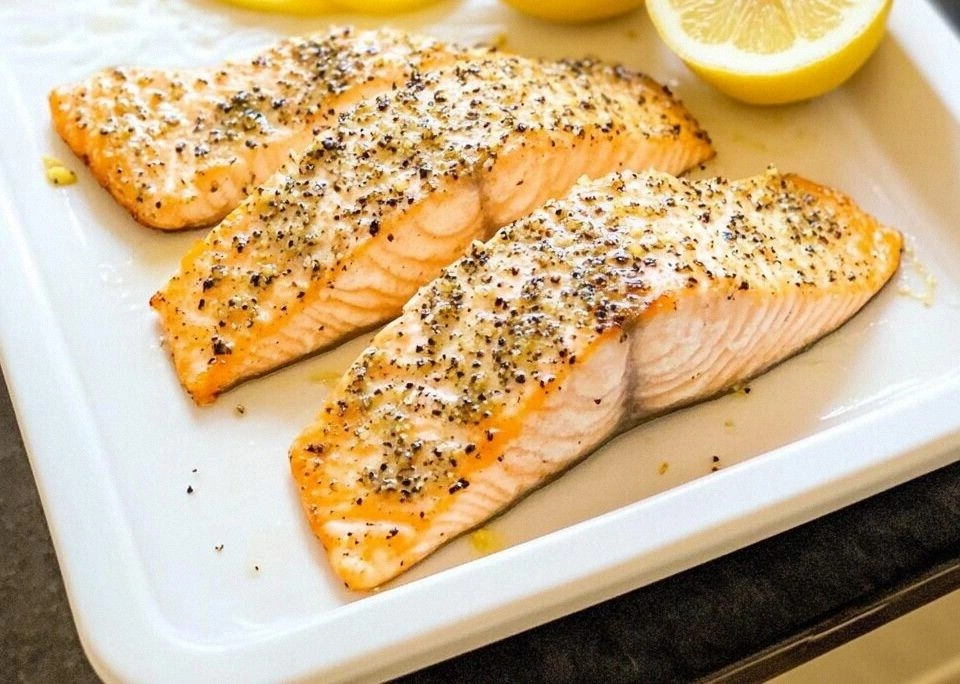
The Method — Step by Step
- Begin by patting the salmon fillets dry with a paper towel. Moisture is the enemy of a good sear; it creates steam and prevents the crust from forming. As you do this, sprinkle a generous pinch of salt and pepper over both sides. The seasoning will start to penetrate the flesh, enhancing flavor before the heat even turns on.
- Heat a large skillet over medium‑high heat and add the olive oil. Let the oil shimmer but not smoke. This step is crucial—too low a heat and the fillets will steam; too high and they’ll burn. When the oil is hot, place the fillets skin‑side down. You should hear a satisfying sizzle.
- Let the salmon cook untouched for about 4 minutes. The edges will start to turn opaque, and a golden crust will form. Resist the urge to flip early; this is the moment of truth. The crust should be crisp but not blackened, and the surface should look slightly glossy.
- Flip the fillets gently and reduce the heat to medium. Add the butter, lemon zest, and a splash of lemon juice to the pan. As the butter melts, use a spoon to baste the fillets, ensuring the sauce coats the flesh. Watch out: if the butter foams too much, lower the heat to avoid a bitter taste.
- Stir in the Dijon mustard and garlic powder, then swirl the pan to coat the fillets evenly. The sauce should thicken slightly and take on a glossy sheen. This is where the flavor depth kicks in, turning a simple lemon‑pepper dish into a gourmet experience.
- Add the lemon slices and dill (if using) to the pan. The citrus will release more aroma, and the herbs will add a fresh note. Let the fillets cook for an additional 3 minutes, or until the internal temperature reaches 145°F (63°C). The fish should be opaque and flake easily with a fork.
- Remove the salmon from the skillet and let it rest on a cutting board for 2 minutes. Resting allows the juices to redistribute, keeping the fillets moist. While resting, drizzle any remaining pan sauce over the fillets for added flavor.
- Garnish with chopped parsley and a final squeeze of fresh lemon juice. The bright green garnish adds a pop of color, and the extra citrus brightens the dish even further. Plate the salmon on warmed plates to keep it hot and presentable.
That's it — you did it. But hold on, I've got a few more tricks that'll take this to another level. Keep reading to discover how to elevate every bite.
Insider Tricks for Flawless Results
The Temperature Rule Nobody Follows
Many cooks assume that high heat is always best for searing. In reality, a moderate medium‑high heat allows the salmon to develop a crisp crust without drying out the flesh. I’ve found that setting the skillet to 375°F (190°C) gives the perfect balance. If you’re using a cast‑iron pan, preheat for 5 minutes before adding oil.
Why Your Nose Knows Best
As the salmon cooks, you’ll notice a distinct aroma of citrus and pepper. Trust that scent; it signals that the fillets are ready to flip. If the smell is too mild, the fish is undercooked; if it’s sharp and burnt, you’ve gone too far. Your nose is the ultimate gauge.
The 5-Minute Rest That Changes Everything
After removing the salmon from the pan, let it rest for exactly five minutes. This short pause allows the internal juices to redistribute, preventing the fillets from drying out. Skipping this step often results in a dry, rubbery texture that defeats the purpose of a buttery finish.
Use a Skillet with a Lid
Covering the skillet for the last two minutes of cooking traps steam and helps the fish cook evenly. The lid also reduces flare‑ups from the butter, keeping the sauce from burning. I’ve used this trick to keep the sauce silky and avoid a greasy finish.
Finish With a Splash of White Wine
If you enjoy a touch of acidity, deglaze the pan with 2 tablespoons of dry white wine after flipping the salmon. The wine will lift the browned bits, creating a richer sauce. Just remember to let the alcohol evaporate before serving.
Creative Twists and Variations
This recipe is a playground. Here are some of my favorite ways to switch things up:
Garlic Parmesan Crust
Swap the butter for a mixture of melted butter and grated Parmesan, then sprinkle garlic powder on top. The result is a nutty, savory crust that pairs beautifully with the lemon. Great for a dinner party where you want a bit of indulgence.
Asian‑Inspired Ginger‑Soy Glaze
Replace the Dijon mustard with a splash of low‑sodium soy sauce and add a teaspoon of fresh grated ginger. Finish with a drizzle of honey for sweetness. This version delivers an umami‑rich, slightly sweet profile that’s a hit with fans of Asian cuisine.
Herb‑Infused Coconut Oil
Use coconut oil infused with rosemary or thyme instead of olive oil. The subtle herb aroma elevates the dish, giving it a Mediterranean twist that complements the citrus notes.
Smoky Chipotle Butter
Add a teaspoon of chipotle powder to the butter before melting. The smoky heat pairs wonderfully with the pepper, creating a bold, layered flavor that’s perfect for adventurous palates.
Vegetarian Lemon Pepper “Salmon”
Use thick slices of marinated tofu or tempeh instead of salmon. Marinate in lemon juice, pepper, and olive oil for 30 minutes before cooking. The result is a plant‑based dish that still delivers the bright, peppery punch.
Storing and Bringing It Back to Life
Fridge Storage
Store cooked salmon in an airtight container in the refrigerator for up to two days. Keep the pan sauce in a separate container to avoid the fish becoming soggy. When you’re ready to reheat, place the salmon in a shallow dish and cover with foil.
Freezer Friendly
Wrap the salmon fillets individually in parchment paper and then in freezer paper before freezing. This double‑layered method prevents freezer burn. Freeze for up to three months and thaw overnight in the fridge before reheating.
Best Reheating Method
To reheat, preheat the oven to 275°F (135°C) and place the salmon on a baking sheet. Warm for 10–12 minutes, or until the internal temperature reaches 125°F (52°C). Add a splash of water or broth before reheating to keep the fish moist and restore the buttery sheen.