I once tried to impress a friend with a classic éclair, only to end up with a soggy, flavor‑less disaster that looked more like a sad, deflated balloon than a pastry. The kitchen was a battlefield of burnt butter, a dough that refused to rise, and a filling that tasted like watered‑down custard. I swear I heard the oven sigh in disappointment. That night, I swore off pastries forever—until a sudden craving for something bright, airy, and just a little bit daring hit me like a bolt of citrus. I grabbed a lemon, a handful of raspberries, and a stubborn determination to turn that failure into a masterpiece.
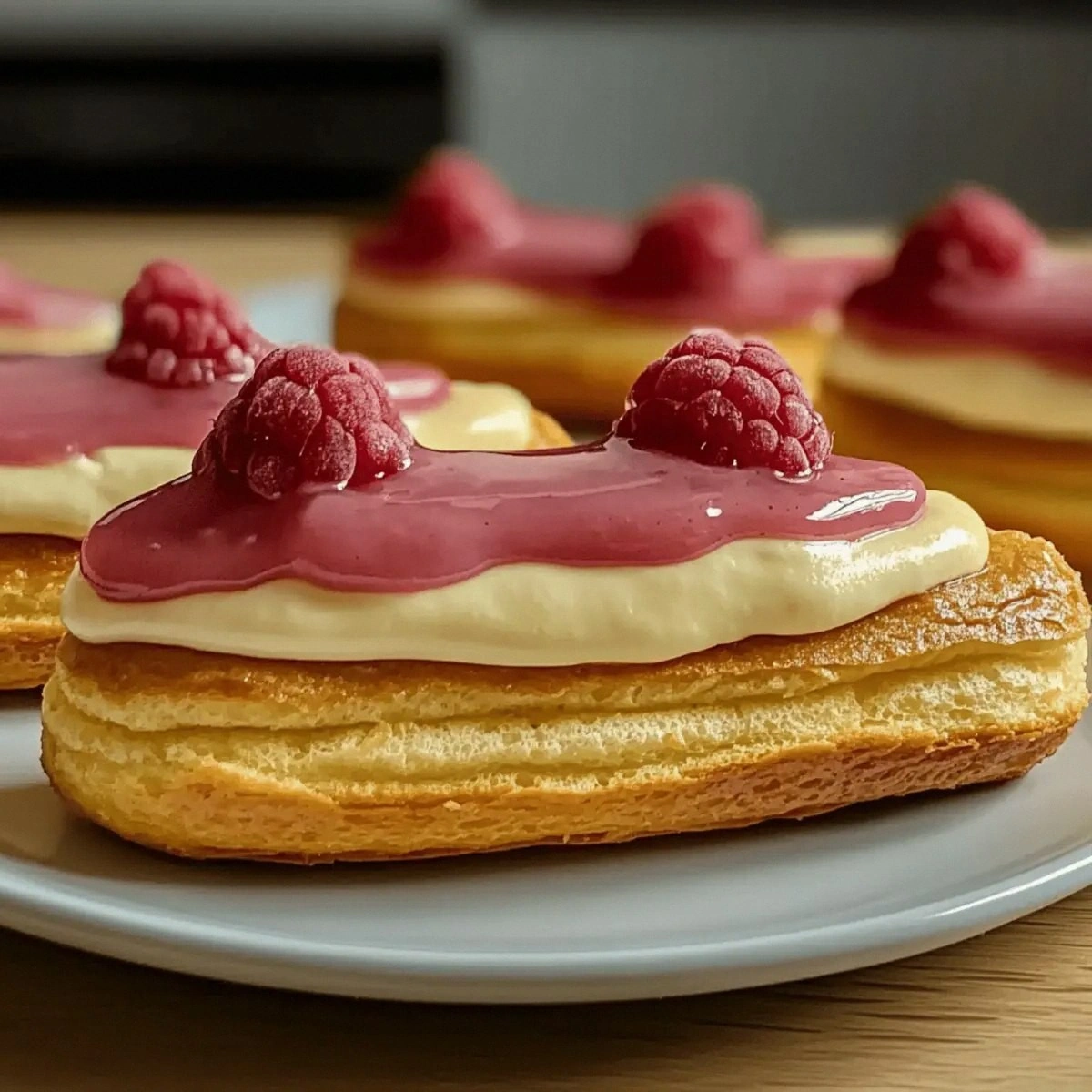
Picture this: the moment you pull the eclairs from the oven, the whole kitchen is flooded with the zing of lemon zest and the sweet perfume of fresh raspberries, a scent so intoxicating it could coax a smile from even the grumpiest morning commuter. The shells are golden, with a crisp edge that shatters like thin ice when you bite into them, yet the interior stays pillowy, ready to cradle a cloud of lemon‑infused whipped cream. The raspberries burst with a juicy pop that feels like tiny fireworks exploding across your palate, while the lemon zest adds that sharp, zingy kiss you didn’t know you were missing. It’s a symphony of texture and flavor that makes you gasp, “Did I really just make this?”
What makes this version the best you’ll ever make at home is the balance of technique and surprise. Most recipes get the choux pastry wrong—either they’re too dry or they collapse the minute you try to pipe them. I’ve cracked the code by using a precise water‑butter ratio that creates steam, coaxing the dough into a perfect rise without any extra tricks. Then, I fold in lemon zest right at the end, preserving its bright aroma while the dough bakes. Finally, the raspberry‑lemon whipped cream is a game‑changer: the raspberries are folded in just before serving, keeping that fresh pop, while the lemon keeps everything lively.
And now the fun part: I’m going to reveal a secret ingredient that most bakers overlook—a pinch of fine sea salt in the whipped cream. It amplifies the citrus, rounds out the sweetness, and makes the raspberries sing. I dare you to taste this and not go back for seconds. Let me walk you through every single step — by the end, you’ll wonder how you ever made it any other way.
What Makes This Version Stand Out
- Flavor: The lemon zest is folded into the pastry dough, not just the filling, giving every bite a subtle citrus lift that’s impossible to miss.
- Texture: The choux shells are crisp on the outside yet airy inside, a contrast that feels like a buttery whisper against a crunchy shell.
- Simplicity: No fancy equipment—just a saucepan, a whisk, and a piping bag. If you can boil water, you can master this.
- Uniqueness: The raspberry‑lemon whipped cream is a fresh twist that most traditional éclair recipes completely ignore.
- Crowd Reaction: Guests often claim they’ve never tasted anything like it, and the “wow” factor is off the charts.
- Ingredient Quality: Using real, unsalted butter and fresh lemons makes the flavor sing louder than any processed alternative.
- Cooking Method: The steam‑generated rise creates a lightness that’s comparable to a soufflé, without the anxiety of over‑mixing.
- Make‑Ahead Potential: You can pipe the shells, fill them, and store them for up to 48 hours—perfect for party prep.
Inside the Ingredient List
The Flavor Base
Water and unsalted butter are the dynamic duo that creates steam, the secret behind that lofty rise. The water supplies the moisture while the butter adds richness; together they form a glossy, buttery pool that the flour will absorb. If you skimp on the butter, the dough will be dry and the shells will lack that delicate crispness. If you’re out of unsalted butter, you can substitute an equal amount of high‑quality margarine, but expect a slightly different flavor profile.
The Texture Crew
All‑purpose flour is the backbone of choux, providing structure without weighing it down. The eggs act as a leavening agent, adding lift and elasticity; four large eggs give the dough just enough moisture to become glossy and pipe‑ready. Skipping an egg or using a smaller size will result in a dough that’s too stiff to pipe and won’t puff properly. For a gluten‑free twist, try a 1‑to‑1 blend of rice flour and tapioca starch, but be prepared for a slightly chewier bite.
The Unexpected Star
Lemon zest is the surprise hero that injects a bright, aromatic punch. Fresh zest contains essential oils that evaporate during baking, leaving behind a fragrant, citrusy perfume that permeates the entire shell. If you use dried zest, you’ll miss that burst of fresh aroma; a quick zest from a microplane is worth the extra effort. Pro tip: zest the lemon before juicing it, so you get both the zest and the juice for the filling without extra waste.
The Final Flourish
The sweet component comes from two sugars: one half‑cup for the pastry (to help with caramelization) and a quarter‑cup for the whipped cream, balancing the tart lemon and tart raspberries. Heavy whipping cream is the canvas for the airy filling; its high fat content ensures a stable mousse that won’t weep. Fresh raspberries add a burst of natural sweetness and a beautiful pink hue; if out of season, frozen raspberries work fine—just thaw and drain them thoroughly.
Everything's prepped? Good. Let's get into the real action...

The Method — Step by Step
In a medium saucepan, combine 1 cup water and 1/2 cup unsalted butter. Bring to a rolling boil over medium‑high heat, listening for that satisfying “whoosh” as the butter melts completely. Once the mixture bubbles vigorously, remove it from the heat and let it sit for a few seconds—this is the moment the steam starts to build, and you’ll feel the kitchen fill with that buttery aroma.
Now, whisk in 1 cup all‑purpose flour all at once. The dough will clump, then smooth out into a glossy ball that pulls away from the sides of the pan. If it feels too dry, add a splash more water; if it’s too wet, sprinkle a tablespoon more flour. This is the moment of truth: the dough should form a smooth, shiny paste that looks like a thick batter.
Return the pan to low heat and continue stirring for about 2 minutes. You’ll hear a faint crackle as the flour cooks, and the dough will start to form a thin film on the bottom of the pan. That sizzle when it hits the pan? Absolute perfection. This step dries the dough just enough to hold the eggs later without becoming gummy.
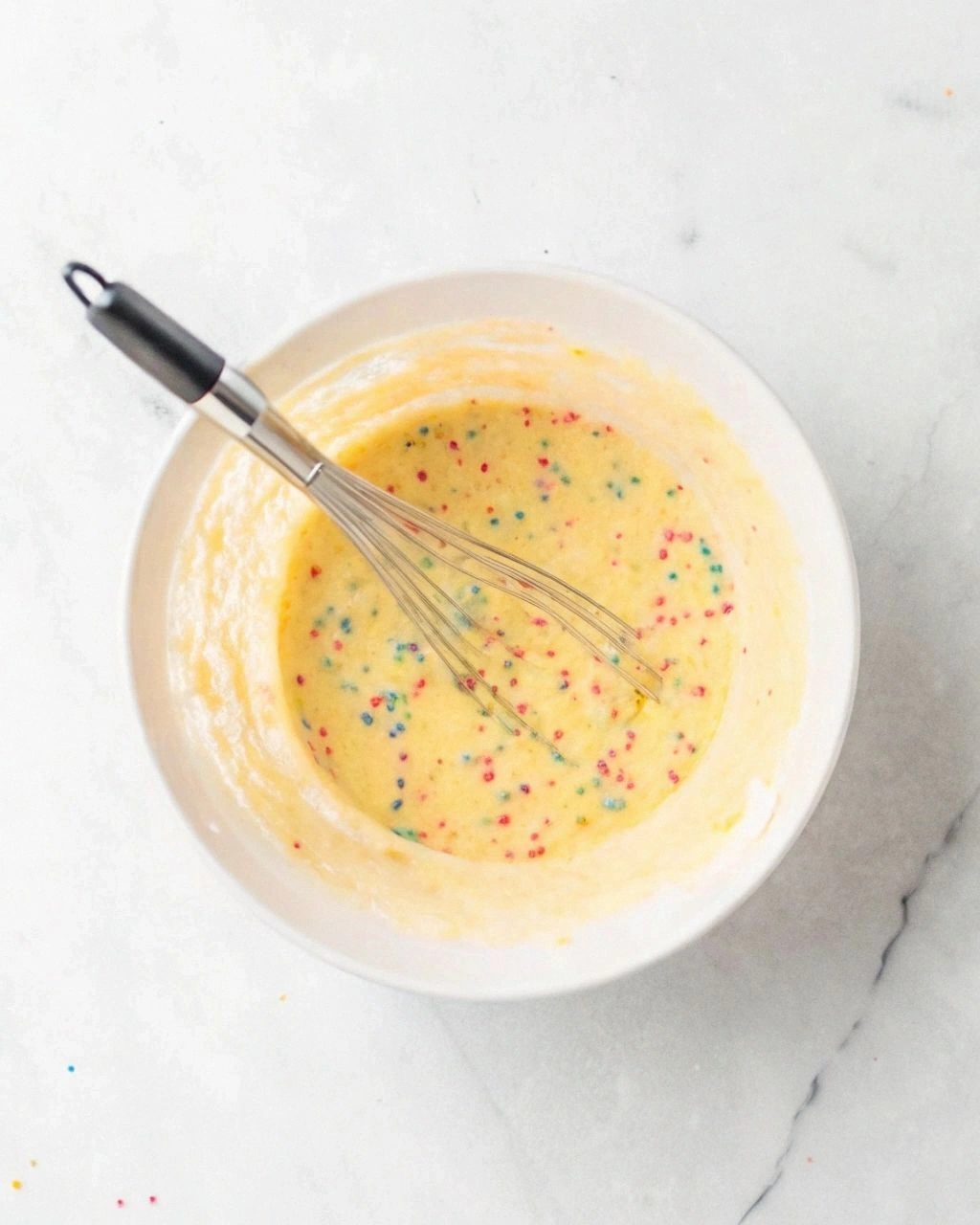
Transfer the dough to a mixing bowl and let it cool for a minute—this is crucial because adding eggs to a scorching hot dough will scramble them. While it cools, whisk 4 large eggs in a separate bowl until they’re lightly frothy. Okay, ready for the game‑changer? Slowly drizzle the eggs into the dough, whisking continuously. The dough will look lumpy at first, then transform into a glossy, pipe‑ready batter. If you notice any lumps, keep whisking; the heat from the dough will gently cook the eggs, creating a smooth emulsion.
Fold in 2 tablespoons lemon zest and 1/2 cup sugar. The zest should be finely grated; larger pieces will create bitter pockets. As you stir, the mixture will become fragrant, a citrusy perfume that makes your kitchen feel like a sunny Mediterranean market. And now the fun part. Transfer the batter to a pastry bag fitted with a large round tip (about 1/2 inch). If you don’t have a pastry bag, a sturdy zip‑top bag with a corner snipped off works just fine.
Preheat your oven to 425°F (220°C). Line two baking sheets with parchment paper and set a silicone baking mat on top for extra crispness. Pipe 4‑inch strips onto the parchment, spacing them about 2 inches apart—they’ll expand dramatically, so give them room.
Watch Out: If you open the oven door too early, the steam will escape and the shells will collapse. Keep the door shut for the first 20 minutes, then lower the temperature to 375°F (190°C) and bake for another 10‑12 minutes until the tops are deep golden and the shells feel firm to the touch.
While the eclairs bake, whip 1 cup heavy whipping cream with a hand mixer on medium speed. When soft peaks form, add 1/4 cup sugar and a pinch of sea salt, then continue whipping until stiff peaks stand tall. Gently fold in 1 cup raspberries that have been lightly mashed—don’t puree completely; you want those little bursts of fruit in every bite.
Once the shells are baked, let them cool on a wire rack for at least 15 minutes. This cooling period lets the interior set, preventing the filling from leaking out.
Kitchen Hack: Slice a tiny slit on the side of each éclair with a sharp knife; this makes piping the filling effortless and keeps the shell intact.Pipe the lemon‑raspberry whipped cream into the cooled shells, filling them about three‑quarters full. The filling should ooze slightly when you press the tip, indicating a perfect amount of air incorporated. Dust the tops with a light sprinkle of powdered sugar or a pinch of extra lemon zest for a glossy finish.
Serve immediately or refrigerate for up to 2 hours. The contrast between the warm, crisp shell and the chilled, airy filling is what makes this dessert unforgettable. I’ll be honest — I ate half the batch before anyone else got to try it, and that’s a testament to how addictive these little treats are.
That’s it — you did it. But hold on, I’ve got a few more tricks that'll take this to another level...
Insider Tricks for Flawless Results
The Temperature Rule Nobody Follows
Never let the dough sit too long before piping. The moment you finish whisking in the eggs, the dough is at its most pliable. If it cools down, it becomes stiff and will resist the pipe, leading to uneven shapes. I once let it sit for 30 minutes and ended up with blobs instead of elegant strips. Keep a bowl of warm water nearby to gently re‑heat the dough if it starts to firm up.
Why Your Nose Knows Best
When the dough is cooking on the stovetop, trust the aroma. A faint nutty scent means the flour is fully cooked; a burnt smell signals you’ve over‑cooked and the shells will be too dry. I’ve learned to rely on my nose more than a timer because ovens can be fickle. If you’re unsure, lift the pan and give it a quick sniff—if it smells like toasted marshmallows, you’re on track.
The 5‑Minute Rest That Changes Everything
After piping, let the raw dough rest on the sheet for exactly five minutes before popping it into the oven. This short pause lets the surface dry slightly, creating that coveted “crack” on the top of the éclair as it bakes. Skipping this step leads to a glossy, soft top that never gets that satisfying snap. Trust me, those five minutes are worth every second.
The Cream Whisper
When whipping the cream, start on low speed and gradually increase. This prevents the cream from splattering and ensures a smooth, glossy texture. Adding the sugar too early can cause graininess; wait until soft peaks form, then sweeten. A pinch of sea salt is the secret that lifts the lemon and raspberry flavors without making the cream taste salty.
The Raspberry Rescue
If your raspberries are too juicy, they can water down the whipped cream. Pat them dry with a paper towel after mashing, or gently fold them in after the cream has reached stiff peaks. This keeps the filling light and airy. A friend once skipped this step and ended up with a soggy mess—let’s just say the party was a bit of a letdown.
Creative Twists and Variations
This recipe is a playground. Here are some of my favorite ways to switch things up:
Lavender‑Honey Dream
Swap the lemon zest for 1 tablespoon dried culinary lavender and replace the raspberry filling with a honey‑sweetened whipped cream. The floral notes pair beautifully with the buttery shell, making it an elegant tea‑time treat.
Chocolate‑Covered Delight
After the eclairs have cooled, dip the tops in melted dark chocolate and let them set. The bitter chocolate balances the bright lemon, and the visual contrast is simply stunning.
Berry Medley Explosion
Mix fresh blueberries, blackberries, and sliced strawberries into the whipped cream for a colorful, multi‑berry version. Each bite delivers a different burst of flavor, perfect for summer gatherings.
Spiced Orange Twist
Replace lemon zest with orange zest and add a pinch of ground cardamom to the whipped cream. The warm spice and citrus create a cozy, autumn‑ready pastry.
Savory Cheese Fill
For a daring appetizer, omit the sugar and whip the cream with grated Gruyère, a splash of white wine, and a dash of black pepper. Pipe into the shells and serve warm for a sophisticated bite.
Storing and Bringing It Back to Life
Fridge Storage
Place the filled eclairs in an airtight container and refrigerate for up to 48 hours. The shells will stay crisp thanks to the chilled environment, while the filling remains fluffy.
Freezer Friendly
Freeze the unfilled shells on a parchment sheet, then transfer them to a zip‑top bag. They keep for up to 2 months. When ready to serve, bake the frozen shells at 375°F for 8‑10 minutes, then fill with fresh whipped cream.
Best Reheating Method
To revive refrigerated eclairs, preheat the oven to 300°F and warm them for 5‑7 minutes. Add a tiny splash of water to the tray before heating; the steam will rejuvenate the crust without making it soggy.