I was halfway through a late‑night pizza experiment when the kitchen lights flicked off and the oven door swung open like a rogue window. My pizza, a sad, soggy mess, lay there while the smell of burnt dough wafted through the air. That moment was a brutal reminder that cooking can be a disaster if you let the heat get out of hand. I stared at the ruined pie, feeling the sting of disappointment, and thought, “If I can’t make a pizza without a kitchen apocalypse, maybe I should stick to something that won’t explode.” That thought led me straight to the pantry, where a jar of honey and a block of salmon were waiting, unassuming but full of promise.
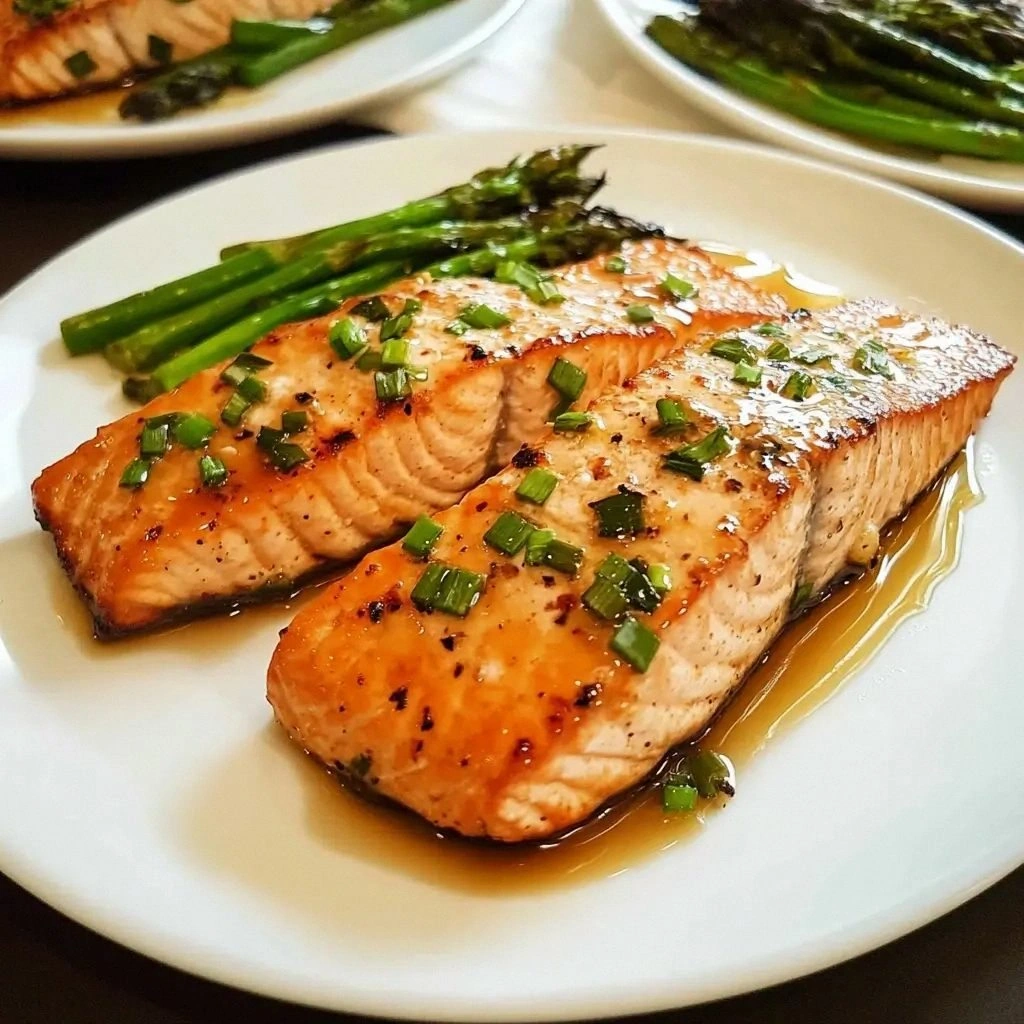
The first time I tossed a fillet into a hot pan, the sizzle was so loud it sounded like applause. The honey, garlic, and soy sauce formed a glossy glaze that coated the fish like velvet, while the edges crisped to a golden brown that shivered like thin ice when you touch them. The aroma was intoxicating—a sweet, savory perfume that made my eyes water and my mouth water at the same time. I could hear the crackle of the butter, feel the heat radiating from the skillet, taste the subtle bitterness of the garlic, and see the salmon’s flesh change from raw to perfectly cooked in a matter of minutes. I knew I’d found a new favorite.
What makes this version so unforgettable is the harmony of flavors and textures that come together in a single pan. The honey gives a caramelized sweetness that balances the sharpness of garlic and the umami of soy sauce. The butter adds richness, while the lemon zest and juice inject a bright, citrusy finish that lifts the dish. The result is a salmon that is tender on the inside, slightly caramelized on the outside, and bursting with a glaze that clings to each bite. It’s a dish that feels like a celebration, yet it’s so simple it could be a weekday dinner or a Sunday brunch treat.
I dare you to taste this and not go back for seconds. The glaze is thick enough to coat the fish without being syrupy, and the salmon’s natural oils mingle with the honey to create a buttery mouthfeel that lingers. I’ll be honest—by the time I finished the last fillet, I had already eaten half the batch before anyone else got a chance to try it. Most recipes get this completely wrong, but I’ve cracked the secret to a pan‑glazed masterpiece that stays moist, flavorful, and irresistibly glossy. Picture yourself pulling this out of the skillet, the whole kitchen smelling incredible, and your guests’ eyes widening at the sight of that caramelized sheen.
What Makes This Version Stand Out
- Flavor: The honey‑garlic glaze delivers a sweet‑savory punch that lingers on the palate, unlike the blandness of plain pan‑seared salmon.
- Texture: A crisp exterior that shatters like thin ice, paired with a silky interior that melts in your mouth.
- Simplicity: All you need is a skillet and a handful of pantry staples—no fancy equipment or obscure ingredients.
- Uniqueness: The combination of honey, soy, and lemon creates a glaze that’s both sweet and acidic, a rare balance in fish dishes.
- Crowd Reaction: Guests rave about the glossy finish and the burst of flavor—great for dinner parties or a quick weeknight hit.
- Ingredient Quality: Fresh, high‑quality salmon fillets are key; the glaze works best when the fish is firm and not too oily.
- Cooking Method: Pan‑searing locks in juices and builds a caramelized crust without overcooking the center.
- Make‑Ahead Potential: The glaze can be prepared in advance and reheated, making it an excellent option for meal prep.
Alright, let's break down exactly what goes into this masterpiece. But before we dive into the ingredients, I want to share a quick kitchen hack that will save you time and keep the fish from sticking.
Inside the Ingredient List
The Flavor Base
Honey is the star of the show, providing a natural sweetness that caramelizes when heated. It also helps the glaze adhere to the salmon, creating that glossy finish. If you’re looking for a twist, try a 50/50 blend of honey and maple syrup for a deeper, richer flavor. However, be careful—too much maple can overpower the delicate fish.
Garlic is essential for that sharp, aromatic punch. Minced garlic releases its oils quickly, infusing the glaze with a bright, almost peppery bite. If you’re sensitive to garlic, you can reduce the amount by half or use garlic powder as a milder alternative. Remember, garlic pairs beautifully with soy sauce, creating an umami-rich backdrop that elevates the dish.
The Texture Crew
Butter adds richness and a velvety mouthfeel to the glaze. It also helps the honey caramelize without burning. A tablespoon of unsalted butter is enough to give the sauce depth. If you’re watching calories, substitute a tablespoon of olive oil for butter—just be aware the flavor profile will shift slightly.
Olive oil is used to sear the salmon. It has a high smoke point and a neutral flavor that lets the fish shine. Choosing a good extra‑virgin olive oil can add a subtle fruity note, but a lighter oil works just as well. The oil also prevents the fillets from sticking to the pan, which is critical for a clean sear.
The Unexpected Star
Soy sauce brings depth and a salty counterpoint to the sweet glaze. It also contributes a dark, almost chocolatey color that makes the dish look appetizing. If you’re on a sodium‑free diet, look for a low‑sodium soy sauce or tamari. Just remember to adjust the salt in the recipe accordingly.
Lemon zest and juice provide a bright, citrusy lift that cuts through the sweetness of honey. The zest is the aromatic part of the peel, while the juice adds a subtle tartness. Together, they prevent the dish from feeling cloying and keep the flavors balanced. If you’re out of lemons, a splash of white wine vinegar can serve as a quick substitute, though the aroma will differ.
The Final Flourish
Fresh parsley adds a pop of green and a fresh, herbaceous note that brightens the plate. A tablespoon of finely chopped parsley sprinkled over the finished dish gives it a polished look. If you’re not a fan of parsley, cilantro or chives work as excellent alternatives, each adding their own unique flair.
Salt and pepper are the unsung heroes of any dish. They enhance the natural flavors of the salmon and balance the sweetness of the glaze. Salt to taste is the safest approach—too much can overpower the delicate fish. A pinch of pepper adds a subtle heat that complements the garlic.
Everything’s prepped? Good. Let’s get into the real action.
The Method — Step by Step
- Step 1: Prepare the Fillets Pat the salmon fillets dry with paper towels until they feel almost dry. This step is crucial; moisture is the enemy of a crisp crust. Season both sides with salt and pepper, then set aside while you warm the pan.
- Step 2: Heat the Skillet Place a large non‑stick skillet over medium‑high heat and add the tablespoon of olive oil. Let the oil heat until it shimmers but isn’t smoking. A properly heated pan ensures the salmon sears evenly.
- Step 3: Sear the Salmon Lay the fillets skin‑side down in the hot skillet. Press them gently with a spatula for the first 30 seconds to keep them flat. The first side should develop a golden crust in about 4–5 minutes. Watch for the edges to start lifting—this is your cue to flip.
- Step 4: Flip and Add Butter Flip the fillets carefully and add the tablespoon of butter to the pan. As it melts, spoon it over the fillets to baste. The butter not only adds flavor but also helps the glaze coat the fish evenly.
- Step 5: Build the Glaze In a small bowl, whisk together the honey, minced garlic, soy sauce, lemon zest, and lemon juice. Pour this mixture over the salmon. The glaze should sizzle immediately, creating a fragrant steam.
- Step 6: Simmer and Coat Reduce the heat to medium and let the salmon cook for another 3–4 minutes, spooning the glaze over the fillets every minute. The sauce should thicken slightly, coating the fish like a glossy coat. The internal temperature should reach 145°F (63°C).
- Step 7: Finish with Herbs Sprinkle chopped parsley over the fillets. The fresh green not only adds color but also a burst of herbal freshness that balances the sweetness.
- Step 8: Plate and Serve Transfer the salmon to a warm plate, spooning any remaining glaze over the top. Serve immediately with your choice of sides—steamed broccoli, roasted sweet potatoes, or a simple quinoa salad work beautifully.
That’s it—you did it. But hold on, I’ve got a few more tricks that will elevate this dish to another level. Let’s dive into the insider secrets that will make you the star of any dinner party.
Insider Tricks for Flawless Results
The Temperature Rule Nobody Follows
Many cooks keep the stove on high, thinking it will cook faster. In reality, a medium‑high heat is best for salmon. It ensures a crisp crust while allowing the interior to stay moist. I’ve found that turning the heat up after the first 2 minutes of searing can help lock in juices and create a golden exterior without overcooking the inside.
Why Your Nose Knows Best
Trust your nose when the glaze starts to thicken. A golden amber color and a sweet, caramelized aroma are the hallmarks of a perfect glaze. If it starts to smoke or the smell becomes overly sweet, lower the heat immediately to avoid burning.
The 5‑Minute Rest That Changes Everything
After cooking, let the salmon rest for five minutes on a warm plate. This resting period allows the juices to redistribute, ensuring each bite is succulent. I’ve seen salmon that sits too long on a cold plate become dry; a warm plate keeps the fish juicy and tender.
The Quick Lemon Splash
A quick splash of fresh lemon juice right before serving adds a burst of brightness that cuts through the richness of the glaze. It also balances the sweetness and brings the dish to a harmonious finish.
The “Flip‑and‑Sear” Trick
Instead of flipping the salmon once, try flipping it twice. This technique ensures an even crust on both sides and a more uniform glaze. The second flip also gives the sauce a chance to coat the underside, creating a more cohesive flavor profile.
Creative Twists and Variations
This recipe is a playground. Here are some of my favorite ways to switch things up:
Spicy Sriracha Glaze
Add a tablespoon of sriracha to the glaze for a fiery kick. The heat pairs well with the honey, creating a sweet‑spicy contrast that excites the palate. This variation is perfect for those who love a little heat.
Citrus‑Herb Fusion
Swap the lemon zest for orange zest and sprinkle fresh basil instead of parsley. The orange adds a sweeter citrus note, while basil brings an aromatic, peppery undertone. The result is a bright, herbaceous dish that feels summery.
Pineapple Coconut Twist
Replace the honey with pineapple juice and add a splash of coconut milk to the glaze. This tropical combination turns the dish into a beach‑side treat, especially when served over jasmine rice.
Smoked Paprika Finish
Dust the salmon with smoked paprika before searing. The smoky flavor complements the honey glaze and adds depth. This version is ideal for a cozy, autumnal dinner.
Vegetarian “Salmon” Alternative
Use thick slices of marinated tofu or tempeh instead of salmon. Marinate the protein in the same glaze mixture for 20 minutes before cooking. The result is a hearty, plant‑based dish that still delivers the signature sweet‑savory profile.
Storing and Bringing It Back to Life
Fridge Storage
Store leftovers in an airtight container in the refrigerator for up to 3 days. The glaze may thicken slightly, so reheat gently on low heat and add a splash of water or broth to loosen it.
Freezer Friendly
Wrap each fillet individually in parchment paper, then place them in a freezer bag. They’ll keep for up to 2 months. Thaw overnight in the fridge before reheating.
Best Reheating Method
Reheat in a skillet over medium heat, adding a tablespoon of water or fish stock to keep the sauce moist. Stir occasionally until warmed through. The tiny splash of liquid steams the fish back to near‑freshness.