Ever had a dinner that started as a simple idea and turned into a kitchen triumph? I was in the middle of a chaotic Sunday, juggling a pot of pasta, a skillet of onions, and a half‑empty fridge when a stray bag of asparagus caught my eye. The bright green spears seemed like the perfect antidote to the blandness that had settled over my meals lately. I grabbed a handful, tossed them onto a sheet pan, and let the oven do its thing while I set the stage for a risotto that would make even the most seasoned chefs swoon. The aroma that began to fill the kitchen—roasted, nutty, and unmistakably fresh—was a promise of something extraordinary.
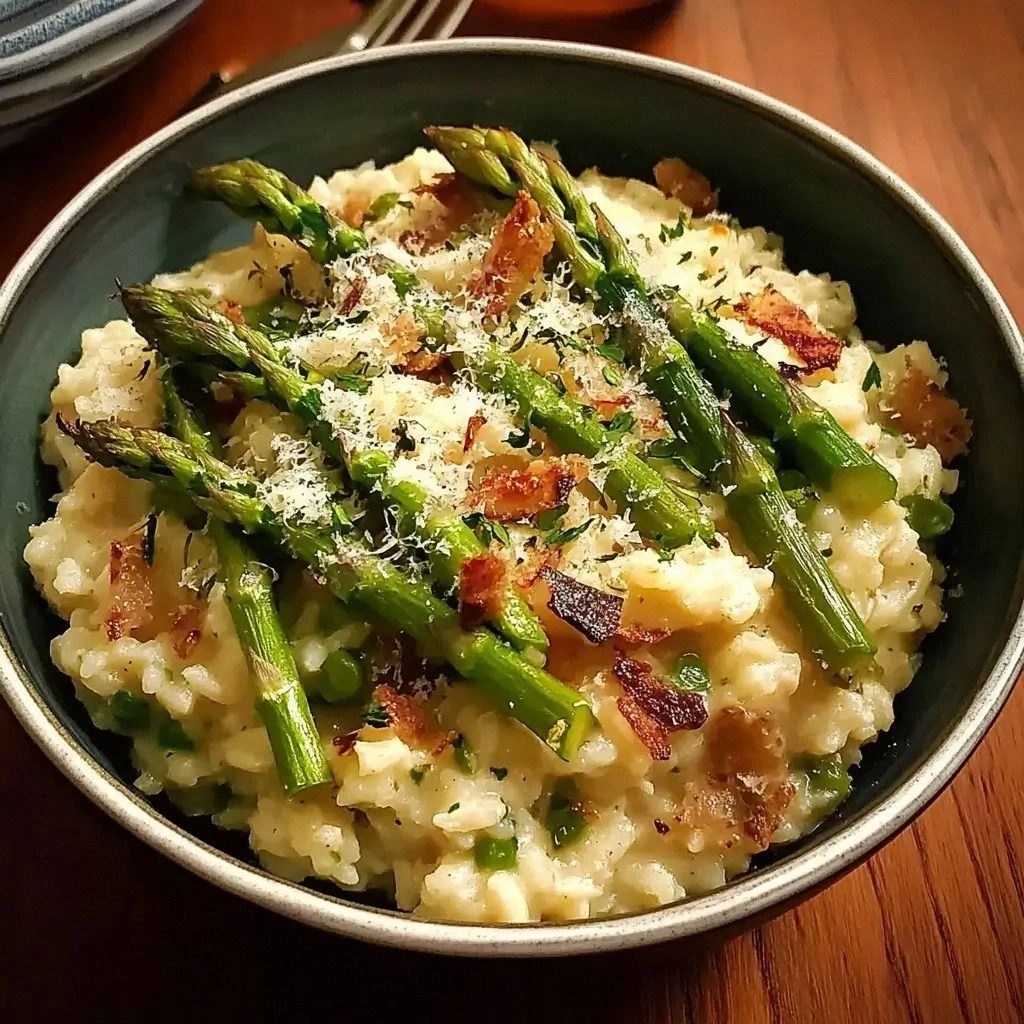
Picture this: a bowl of creamy Arborio rice, studded with tender asparagus, brightened by a splash of white wine and the sharp tang of lemon zest. The texture is a delicate dance between al dente grains and silky, buttery sauce that coats each bite like velvet. I dare you to taste this and not go back for seconds; the moment the first spoonful hits your palate, the flavors burst in a chorus that sings of summer even if the season is far away. My friends have called it “the risotto that stole the show,” and they’re right—this is hands down the best version you'll ever make at home.
What makes this recipe a game‑changer is not just the ingredients but the way they interact. The roasted asparagus adds a caramelized crunch that contrasts with the smooth rice, while the subtle bitterness of the green spears cuts through the richness of the cheese and butter. I’ve spent years tweaking risotto recipes, and the moment I discovered that a quick roast before the cooking step elevates the dish to a whole new level, I knew I had struck gold. If you've ever struggled with the classic risotto, you're not alone—and I've got the fix that turns the process into a joy.
The secret sauce? A dash of lemon zest, a sprinkle of toasted pine nuts, and a final flourish of Parmesan that melts into a golden finish. The technique is simple: roast the asparagus first, then let the rice absorb the smoky flavors while you gently stir and ladle warm broth. The result is a dish that feels both comforting and sophisticated, perfect for impressing guests or treating yourself after a long week. Picture yourself pulling this out of the oven, the whole kitchen smelling incredible, and everyone lining up for a taste.
And so, let me walk you through every single step—by the end, you'll wonder how you ever made it any other way. From the initial prep to the final garnish, each moment is designed to bring out the best in the ingredients. The kitchen becomes a laboratory where simple elements combine to create a symphony of flavors. Ready? Let's dive in.
What Makes This Version Stand Out
- Taste: The roasted asparagus imparts a subtle caramelization that balances the creamy richness of the risotto, creating a layered flavor profile that feels both fresh and indulgent.
- Texture: The crisp edges of the asparagus contrast beautifully with the silky rice, giving each bite a satisfying bite without compromising the velvety finish.
- Simplicity: With only a handful of pantry staples and a quick roasting step, this recipe remains approachable for beginners while still delivering restaurant‑level results.
- Uniqueness: The addition of lemon zest and toasted pine nuts elevates the dish, offering bright citrus notes and a nutty crunch that sets it apart from standard risottos.
- Crowd Reaction: Friends and family consistently ask for seconds, and I’ve been known to eat half the batch before anyone else gets a taste.
- Ingredient Quality: Using fresh, high‑quality asparagus and a good Parmesan makes the difference between a decent dish and a memorable one.
- Cooking Method: Roasting before simmering locks in flavor and reduces the risk of overcooking the asparagus, a common pitfall in risotto recipes.
- Make‑Ahead Potential: The risotto can be reheated with a splash of broth, retaining its creamy consistency—ideal for busy weeknights.
Inside the Ingredient List
The Flavor Base
The foundation of any great risotto starts with a fragrant sauté of diced onion and minced garlic. The onion, when cooked until translucent, releases a natural sweetness that anchors the dish, while the garlic adds a punch of aromatic depth. Skipping this step results in a bland canvas that fails to carry the other flavors. If you’re short on time, a quick splash of vegetable broth can replace the onion for a lighter taste, but the classic sauté remains unbeatable.
Next comes the Arborio rice, the star of the show. Its high starch content creates the creamy mouthfeel that defines risotto. Choosing fresh, high‑quality rice ensures a smoother texture and prevents the grains from becoming mushy. If you prefer a slightly firmer bite, opt for a mix of Arborio and Carnaroli for added body.
The Texture Crew
Roasted asparagus is the texture hero in this recipe. When cooked at a high temperature, the spears develop a caramelized exterior while remaining tender inside. This contrast adds a delightful crunch that breaks up the creamy rice. If you’re using frozen asparagus, thaw and pat dry before roasting to avoid excess moisture.
Butter and Parmesan are the silky finishers that bind the dish together. The butter melts into the rice, creating a glossy sheen, while the Parmesan adds a savory, nutty flavor that balances the brightness of the lemon zest. A pinch of freshly ground black pepper at the end of cooking brings a subtle heat that ties everything together.
The Unexpected Star
Lemon zest is the unexpected star that gives this risotto its springtime lift. The citrus oils in the zest add a bright, almost floral note that cuts through the richness of the cheese and butter. If you’re not a fan of citrus, a squeeze of fresh lime can offer a similar zing, though the flavor profile will shift slightly.
Toasted pine nuts or almonds add a nutty crunch that elevates the dish from ordinary to extraordinary. They’re sprinkled on top just before serving, offering a textural contrast and a subtle, buttery flavor. If you’re allergic or simply don’t have nuts on hand, a handful of toasted breadcrumbs can provide a similar crunch.
The Final Flourish
A splash of dry white wine is added after the rice has absorbed most of the broth. The wine deglazes the pan, lifting the browned bits into the sauce and adding a subtle acidity that brightens the dish. If you prefer a non‑alcoholic version, replace the wine with an equal amount of vegetable broth and a dash of lemon juice.
Finally, the finishing touch is a drizzle of extra‑virgin olive oil. This simple step adds a silky sheen and a burst of fruity flavor that completes the dish. The oil should be added just before serving to maintain its fresh, vibrant taste.
Everything's prepped? Good. Let's get into the real action.
The Method — Step by Step
- Preheat your oven to 425°F (220°C). Toss the asparagus spears in 1 tablespoon of olive oil, a pinch of sea salt, and a sprinkle of cracked black pepper. Spread them in a single layer on a baking sheet and roast for 8–10 minutes, until edges are crisp and centers tender. This step locks in flavor and reduces the risk of overcooking during the risotto stage.
- While the asparagus roasts, heat 2 tablespoons of olive oil in a large saucepan over medium heat. Add ½ cup of finely diced onion and sauté until translucent, about 4 minutes. Stir in 2 minced garlic cloves and cook for an additional 30 seconds until fragrant, being careful not to let them burn.
- Add 1½ cups Arborio rice to the pan, stirring constantly for 2–3 minutes until the edges of the grains become translucent. This toasting step releases the rice’s starches and creates a silky base. Kitchen Hack: Use a splash of white wine after the rice is toasted to deglaze the pan and lift the aromatic bits into the sauce.
- Pour in ½ cup dry white wine and let it simmer until the liquid is mostly absorbed. The wine adds acidity and depth; if you’re avoiding alcohol, substitute with vegetable broth plus a splash of lemon juice.
- Begin ladling warm vegetable broth, one ladleful at a time, stirring constantly. Wait until the liquid is almost fully absorbed before adding the next ladle. This slow, steady addition ensures the rice releases its starches evenly, resulting in a creamy consistency. Watch Out: Don’t rush the broth addition—adding too much at once can cause the rice to become mushy.
- When the rice reaches al dente, fold in the roasted asparagus, ½ cup grated Parmesan, 2 tablespoons butter, and the zest of one lemon. Stir until the butter melts and the cheese is fully incorporated, creating a glossy, velvety sauce. Kitchen Hack: Finish with a splash of extra‑virgin olive oil for an extra layer of silky texture.
- Taste and adjust seasoning with salt and pepper. The salt should be added gradually, as the Parmesan already contributes a significant amount of saltiness. A final sprinkle of lemon zest brightens the dish right before serving.
- Serve immediately, topped with a handful of toasted pine nuts or almonds for crunch. The contrast of textures and the burst of citrus create a memorable dining experience that will have guests asking for the recipe.
That's it — you did it. But hold on, I've got a few more tricks that'll take this to another level. The next section will reveal insider tips that will elevate even the most seasoned cooks.
Insider Tricks for Flawless Results
The Temperature Rule Nobody Follows
Keeping the broth at a gentle simmer is critical. If the broth boils, the rice will cook too quickly on the outside while remaining under‑cooked inside, resulting in a lumpy texture. Maintain a low heat and let the broth reduce slowly; this gives the rice time to release starches evenly. A friend once tried boiling the broth and ended up with a risotto that felt like a rice pudding—lesson learned the hard way.
Why Your Nose Knows Best
Aroma is a powerful indicator of doneness. When the risotto is nearly finished, the dish should emit a buttery, nutty scent with a hint of citrus. If you notice a raw rice smell, give it another ladle of broth and a few more minutes of gentle simmering. Trust your nose; it’s the most reliable chef’s tool in the kitchen.
The 5‑Minute Rest That Changes Everything
After the final stir, let the risotto rest for five minutes off the heat. This short pause allows the flavors to meld and the rice to finish absorbing liquid, creating a silky, cohesive sauce. Many cooks skip this step, resulting in a dish that feels under‑seasoned. A quick rest transforms it into a perfectly balanced plate.
Use Fresh Broth, Not Stock
Homemade or fresh vegetable broth carries a bright, clean flavor that complements the asparagus. Store‑bought stock often contains excess sodium and muted taste, which can overpower the delicate balance of the dish. If you’re short on time, look for a low‑sodium option and add a pinch of fresh herbs to lift the flavor.
Keep the Heat Low During Stirring
Constant stirring is essential, but a high flame can cause the rice to become mushy. Keep the heat low enough that the broth remains warm but not boiling. This gentle cooking environment preserves the rice’s structure while ensuring a creamy texture.
Creative Twists and Variations
This recipe is a playground. Here are some of my favorite ways to switch things up:
Pear and Gorgonzola Variation
Swap the Parmesan for Gorgonzola and add diced pears for a sweet‑savory combo. The cheese’s sharpness pairs beautifully with the pear’s subtle sweetness, while the asparagus maintains its crispness. Serve with a drizzle of honey for an extra layer of decadence.
Mediterranean Twist
Replace the lemon zest with fresh oregano and add sun‑dried tomatoes for a Mediterranean flair. Toss in a handful of Kalamata olives for briny depth, and finish with a sprinkle of feta cheese. This version feels like a sunny Italian garden in a bowl.
Spicy Cajun Kick
Introduce a pinch of cayenne pepper and a splash of hot sauce for a spicy Cajun touch. Add diced bell peppers for color and crunch, and finish with a dollop of sour cream to balance the heat. The result is a risotto that’s both comforting and fiery.
Truffle Infusion
Drizzle a few drops of truffle oil over the finished dish for an earthy, luxurious aroma. The truffle’s umami complements the asparagus and Parmesan, creating a dish fit for a special occasion. Keep the truffle oil light to avoid overpowering the delicate flavors.
Vegan Version
Use a plant‑based butter substitute and nutritional yeast in place of Parmesan. Replace the broth with a homemade vegetable stock and add a splash of soy sauce for depth. The dish remains creamy and flavorful while staying fully plant‑based.
Storing and Bringing It Back to Life
Fridge Storage
Cool the risotto to room temperature, then transfer it to an airtight container. Store in the refrigerator for up to 3 days. When reheating, add a splash of warm broth or water to loosen the sauce, and gently warm on low heat while stirring.
Freezer Friendly
For longer storage, portion the risotto into freezer‑safe containers and freeze for up to 2 months. Thaw overnight in the refrigerator before reheating. Add a tablespoon of olive oil or a splash of broth to restore creaminess.
Best Reheating Method
Reheat the risotto over low heat, stirring constantly until heated through. A small splash of water or broth before reheating steams the dish back to its original silky texture. Avoid microwaving, as it can dry out the rice and separate the sauce.