I still remember the night I almost burned the kitchen down chasing a “quick” takeout order. The smoke alarm screamed, the delivery guy looked at me like I’d asked for a side of fire, and the only thing that tasted good was the burnt toast on the counter. That disaster lit a fire in me—literally—that turned into a quest for the ultimate comfort dish: mac and cheese, but with a fiery, tangy twist that makes every bite feel like a rebellious encore. I’ve been whipping up versions for months, but this Buffalo Mac And Cheese is the one that finally made me stop saying, “Just a few more tweaks.”
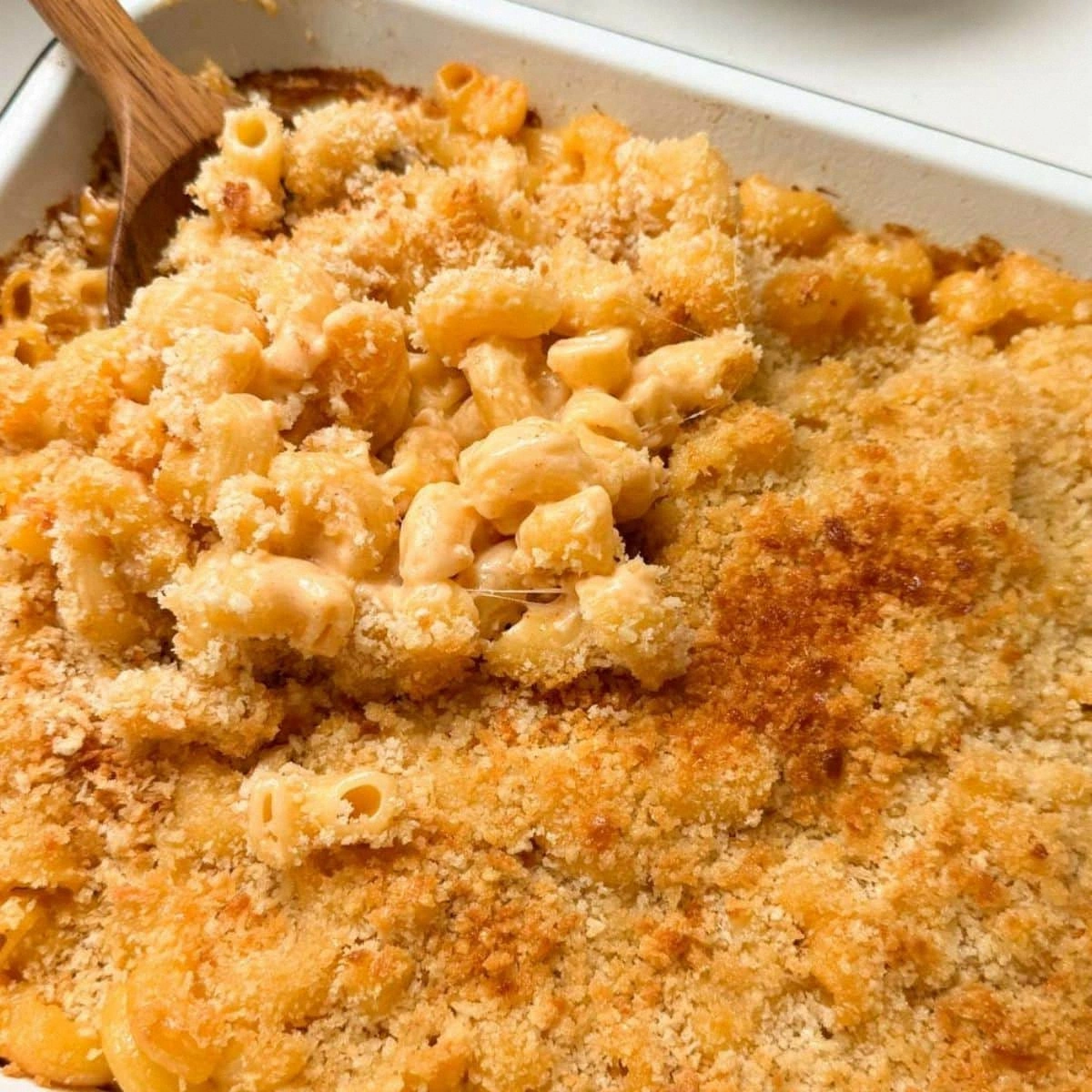
Picture this: the air is thick with the aroma of melted cheese, the sound of the pot bubbling like a small, savory volcano, and the sight of golden panko crunching against a glossy, blue‑cheesy sauce that glistens under the kitchen light. The first bite delivers a silky, velvety coating that hugs every strand of pasta, followed by a burst of heat that lingers like a whisper on the tongue. The texture is a perfect dance of creamy smoothness and crunchy edges that shatter like thin ice when you bite. The flavor? A bold, smoky depth that’s both comforting and daring, with a hint of citrusy mustard that cuts through the richness.
What sets this version apart from the countless “easy mac and cheese” recipes you find online is the deliberate layering of flavors and textures. I’ve replaced the standard cheddar with a curated blend of Trader Joe’s Buffalo Blue Unexpected Cheddar Cheese Spread, Quattro Formaggi, and sharp cheddar for a complexity that feels like a gourmet playground. The sauce’s velvety coat is enhanced by a touch of Dijon mustard and smoked paprika, while the panko topping gives a satisfying crunch that doesn’t get soggy. I dare you to taste this and not go back for seconds—trust me, the first bite will have you craving the second like a guilty secret.
And if you’re wondering why I’m so confident about this being the best version you’ll ever make at home, the answer is simple: it’s the culmination of years of experimentation, a dash of culinary intuition, and a handful of secret tricks that elevate a humble comfort food into a showstopper. I’ve fine‑tuned every step—from the way the pasta is cooked to the final broil—to create a dish that’s as visually stunning as it is delicious. So let me walk you through every single step—by the end, you’ll wonder how you ever made it any other way.
What Makes This Version Stand Out
- Flavor Depth: The combination of blue cheese spread, Quattro Formaggi, and sharp cheddar creates a layered taste profile that feels both luxurious and familiar.
- Texture Contrast: Creamy sauce meets a golden panko crust, offering a satisfying crunch that doesn’t get soggy even after baking.
- Heat Balance: A measured dose of cayenne pepper and smoked paprika keeps the heat lively but controlled, giving the dish a subtle kick.
- Ease of Prep: All steps are straightforward, making it perfect for busy weeknights while still feeling indulgent.
- Make‑Ahead Friendly: You can assemble the dish ahead of time, refrigerate, and bake when you’re ready—great for entertaining.
- Crowd‑Pleaser: This recipe turns any gathering into a conversation starter, with the “wow” factor of the blue cheese and the crunch that keeps guests coming back for more.
- Ingredient Quality: Using Trader Joe’s premium cheese blends ensures a richer flavor than standard block cheese.
- Visual Appeal: The glossy sauce, vibrant blue undertones, and golden crust make for Instagram‑worthy plating.
Alright, let’s break down exactly what goes into this masterpiece…
Inside the Ingredient List
The Flavor Base
The sauce is the heart of this dish, and it starts with a classic roux: butter, olive oil, and flour. The butter gives richness, the olive oil adds a subtle fruity note, and the flour thickens the sauce into a silky base that can hold the cheeses and spices. If you skip the roux, the sauce will be thin and the cheese will slide off the pasta, leaving a disappointment on the plate.
Dijon mustard and smoked paprika are the secret agents that bring depth and a smoky undertone. Dijon adds a bright acidity that cuts through the heaviness of the cheeses, while smoked paprika gives that subtle, campfire flavor that makes the dish feel like it was cooked outdoors. If you’re allergic to mustard, a splash of white wine vinegar can mimic the acidity, but you’ll lose that distinct mustard bite.
The Texture Crew
Panko breadcrumbs are the crunch element. Unlike regular breadcrumbs, panko has a lighter, airier texture that crisps up beautifully under the broiler. When you bake this dish, the panko forms a golden, crispy top that contrasts with the creamy sauce. If you don’t have panko, fine breadcrumbs will work, but the crunch will be denser and less airy.
The mix of heavy cream and whole milk balances richness with a lighter mouthfeel. The cream adds body and a silky finish, while the milk keeps the sauce from becoming too heavy. Skipping the cream will result in a thinner sauce that may not coat the pasta as smoothly.
The Unexpected Star
Trader Joe’s Buffalo Blue Unexpected Cheddar Cheese Spread is the star that sets this dish apart. Its tangy, blue‑cheesy flavor is bold yet approachable, and it melts beautifully into the sauce. The cheese spread also helps the sauce stay glossy and prevents separation. If you can’t find this exact spread, a mix of blue cheese and cheddar will give a similar profile, but the spread’s consistency makes for a smoother melt.
The Final Flourish
Fresh chives or parsley add a bright, herbal finish that cuts through the richness and provides a pop of color. The sour cream at the end gives a velvety, slightly tangy lift that balances the heat from cayenne pepper. Together, these ingredients elevate the dish from comforting to unforgettable.
Everything’s prepped? Good. Let’s get into the real action…
The Method — Step by Step
- Bring a large pot of salted water to a rolling boil. Add the elbow pasta and cook 1 minute less than the package instructions—about 7 minutes for al dente. Drain and rinse under cold water to stop the cooking process. This step keeps the pasta firm and prevents it from becoming mushy when the sauce is added. I’ve found that a slightly undercooked pasta absorbs the sauce better, giving each bite a perfect bite‑feel.
- While the pasta cooks, melt the butter and olive oil in a saucepan over medium heat. Once the butter foams, sprinkle in the flour and stir constantly for 1–2 minutes. This creates a roux that thickens the sauce and eliminates any raw flour taste. The pan should smell buttery and slightly nutty—no longer should you hear the sizzling of raw flour.
- Gradually whisk in the whole milk and heavy cream, keeping the mixture smooth. The sauce should thicken to a silky consistency that coats the back of a spoon. If it’s too thick, add a splash more milk; if too thin, let it simmer a bit longer. This is the moment of truth—watch the sauce transform into a glossy, velvety base.
- Stir in the Dijon mustard, smoked paprika, kosher salt, black pepper, and cayenne pepper. The mustard’s bright acidity cuts through the richness, while the paprika adds a subtle smokiness. Taste the sauce; it should feel balanced—neither too salty nor too spicy. If it’s too mild, add a pinch more cayenne or a dash of hot sauce for extra kick.
- Fold in the Trader Joe’s Buffalo Blue Unexpected Cheddar Cheese Spread, Quattro Formaggi, and shredded sharp cheddar. The cheeses melt into the sauce, creating a smooth, cohesive blend. The blue cheese spread’s tangy flavor will shine through, while the Quattro adds a subtle nutty undertone. Keep stirring until all the cheese is fully incorporated and the sauce is glossy.
- Add the cooked pasta to the sauce, tossing gently until every strand is coated. The pasta should look shiny and be coated with a thick, creamy sauce. If you notice any dry spots, splash a little more milk or cream to finish the coating. This step is crucial for ensuring each bite delivers the buttery, cheesy flavor.
- Transfer the pasta mixture to a greased baking dish. Sprinkle the panko breadcrumbs evenly over the top. The panko will form a golden crust during baking, offering a satisfying crunch that contrasts with the creamy interior. A light drizzle of olive oil over the breadcrumbs will enhance browning.
- Bake in a preheated 375°F oven for 15 minutes, then broil for 2–3 minutes until the top is golden brown and crispy. Keep a close eye during broiling—once the panko turns a deep amber, it’s done. The final crust should crackle slightly when you touch it, and the sauce should be bubbling at the edges.
- Remove from the oven, let rest for 5 minutes, then dollop sour cream on top and sprinkle fresh chives or parsley. The sour cream adds a velvety tang, while the herbs give a bright, fresh finish. Serve immediately while the cheese is still molten and the panko crust is crisp. If you’re serving a crowd, keep the dish warm in a low oven (200°F) until ready to serve.
That’s it— you did it. But hold on, I’ve got a few more tricks that will take this to another level…
Insider Tricks for Flawless Results
The Temperature Rule Nobody Follows
Many people bake mac and cheese at 350°F, but that often results in a soggy top. Baking at 375°F gives the panko a chance to crisp up while the cheese remains molten. I’ve experimented with 400°F for an extra crunchy crust, but 375°F is the sweet spot that balances the interior and exterior.
Why Your Nose Knows Best
If the sauce smells buttery and slightly nutty before adding the milk, you’re on the right track. A faint hint of raw flour or a metallic taste means the roux hasn’t cooked enough. Trust your nose to tell you when the base is ready for the next step.
The 5‑Minute Rest That Changes Everything
After baking, let the dish sit for 5 minutes before serving. This rest allows the sauce to set, preventing a runny mess when you cut into it. I’ve found that a brief pause also lets the flavors meld, giving each bite a richer, more cohesive taste.
The Secret to a Perfectly Crispy Panko
Sprinkling a light dusting of flour over the panko before baking helps it adhere better and crisp up. The flour creates a barrier that keeps the panko from soaking into the sauce, ensuring a crunchy, golden top every time.
The Sauce‑to‑Pasta Ratio
If you prefer a saucier dish, increase the milk by ¼ cup and reduce the pasta by ¼ lb. Conversely, for a thicker, more cheese‑heavy bite, reduce the milk by ¼ cup and keep the pasta as is. Adjusting the ratio allows you to tailor the dish to your personal preference.
Creative Twists and Variations
This recipe is a playground. Here are some of my favorite ways to switch things up:
Spicy Jalapeño Kick
Add diced jalapeños to the sauce for an extra heat burst. The jalapeño’s fresh peppery flavor complements the cayenne and gives the dish a vibrant green hue.
Smoked Gouda Fusion
Replace the sharp cheddar with smoked gouda for a deeper, smokier flavor profile. The gouda’s creamy meltiness blends beautifully with the blue cheese spread.
Vegan Version
Use plant‑based milk, vegan butter, and a vegan cheese blend. The sauce will still be creamy, and the panko topping will stay crisp. This version is perfect for guests who avoid dairy.
Herb‑Infused Delight
Stir in chopped rosemary or thyme into the sauce for an aromatic twist. The herbs add a savory depth that pairs well with the blue cheese’s tang.
Breakfast Brunch Bites
Serve small portions in ramekins with a side of scrambled eggs. The mac and cheese becomes a hearty, protein‑rich brunch option that satisfies both sweet and savory cravings.
Gluten‑Free Edition
Swap the elbow pasta for gluten‑free penne and use gluten‑free panko breadcrumbs. The dish remains comforting and flavorful, with the same creamy, crunchy experience.
Storing and Bringing It Back to Life
Fridge Storage
Cool the dish to room temperature, cover tightly, and refrigerate for up to 3 days. When reheating, cover loosely to retain moisture and reheat at 350°F for 15 minutes.
Freezer Friendly
Wrap the dish in foil, then place in a freezer bag. Freeze for up to 2 months. Thaw overnight in the refrigerator, then reheat as described above.
Best Reheating Method
Add a splash of milk before reheating to restore creaminess. The sauce will steam back to its original velvety texture, and the cheese will melt smoothly.