I still remember the Tuesday night I came home to an empty fridge, a growling stomach, and a random pack of ground beef I'd forgotten to freeze. Takeout menus were calling my name, but my wallet was still recovering from last weekend's pizza marathon. In a moment of pure desperation, I stared at that sad pound of beef and thought, "What if I could hack traditional Korean bulgogi flavors into ground form, skip the twenty-four-hour marinade, and still get that glossy, umami-bomb glaze in under thirty minutes?" Thirty-five minutes later I was standing over the stove, shoveling caramelized beef straight from the pan onto hot rice, and whispering apologies to every Korean grandmother whose sacred recipe I had just bulldozed. That first bite was a lightning bolt of sesame, soy, and sweet garlic that snapped my head back and had me doing a victory dance in mismatched socks. I ate half the batch before my roommate walked in, and the look on her face when she stole a forkful was somewhere between betrayal and worship. She demanded seconds, thirds, and then the recipe. I told her I'd write it down once I figured out how to bottle the magic. Three months and forty-seven test runs later, I'm finally sharing the formula that tastes like you spent all day simmering, slicing, and babysitting a grill, when really you just crushed dinner with one skillet and a package of humble ground beef. Let me walk you through every single step — by the end, you'll wonder how you ever made it any other way.
What Makes This Version Stand Out
- Lightning Fast: Traditional bulgogi requires paper-thin slicing, overnight marinating, and searing at volcanic heat. This ground-beef miracle hits the table in forty-five minutes, dirtying exactly one pan and zero mandolines.
- Sauce That Cloaks Every Crumb: Because the beef is crumbled, every microscopic grain gets lacquered in that glossy soy-brown-sugar glaze, giving you maximum flavor real estate without any chewy center surprises.
- Pantry Friendly: No pear, no kiwi, no specialty rice wine. If you keep soy sauce, brown sugar, garlic, and sesame oil on hand, you're always fifteen minutes away from a dinner that tastes like you planned it weeks ago.
- Kid-Approved Heat Level: The base recipe is sweet-savory and gentle. Red-pepper fiends can crank the dial at the table, so nobody has to chug milk while the grown-ups sob into their rice.
- Meal-Prep Darling: Double the batch, freeze half, and you'll have emergency bulgogi tacos, rice bowls, or quesadillas that thaw in minutes and still taste like you spooned it fresh from the skillet.
- Budget Hero: Ground beef averages half the price of sirloin or ribeye, and you still get that steakhouse aroma wafting through your kitchen like you mortgaged the house for dinner.
Inside the Ingredient List
The Flavor Base
Soy sauce is the salty backbone, but don't grab the bargain barrel sodium bomb. A good, fermented Korean or Japanese brand adds layers of malty depth that cheap chemically-brewed bottles simply can't fake. Brown sugar melts into sticky molasses pockets that balance salt and create that trademark bulgogi sheen. If you only have white sugar, you can survive, but you'll miss the subtle toffee notes that make your taste buds do backflips. Fresh garlic minced on a Microplane dissolves instantly and perfumes the oil, while pre-chopped jarred garlic tastes like you're eating from an old deli counter; trust me, the thirty seconds of knuckle work is worth it.
The Texture Crew
Lean ground beef keeps things rich without swimming in grease puddles. I aim for 90% lean; anything fattier means you'll be skimming orange slicks off the top like you're rescuing a mini oil spill. Yellow onion brings honeyed sweetness once it hits the hot pan, and the thin strands practically melt into the meat so picky eaters can't fish them out. Grated ginger sneaks in citrusy heat that blooms slowly on the back of your tongue. Pro tip: keep a knob of ginger in the freezer and microplane it frozen; the fluffy snow melts instantly and you never deal with fibrous strings.
The Unexpected Star
Rice vinegar is optional but transformative. That whisper of acidity is like turning on a bright kitchen light after dusk; suddenly all the sweet-salty shadows sharpen and pop. If you skip it, the dish still tastes great, but you'll get a flatter, one-dimensional sweetness that nags you like an unfinished to-do list. No rice vinegar? A tiny squeeze of lime or even a splash of pickle brine wakes everything up without announcing its presence.
The Final Flourish
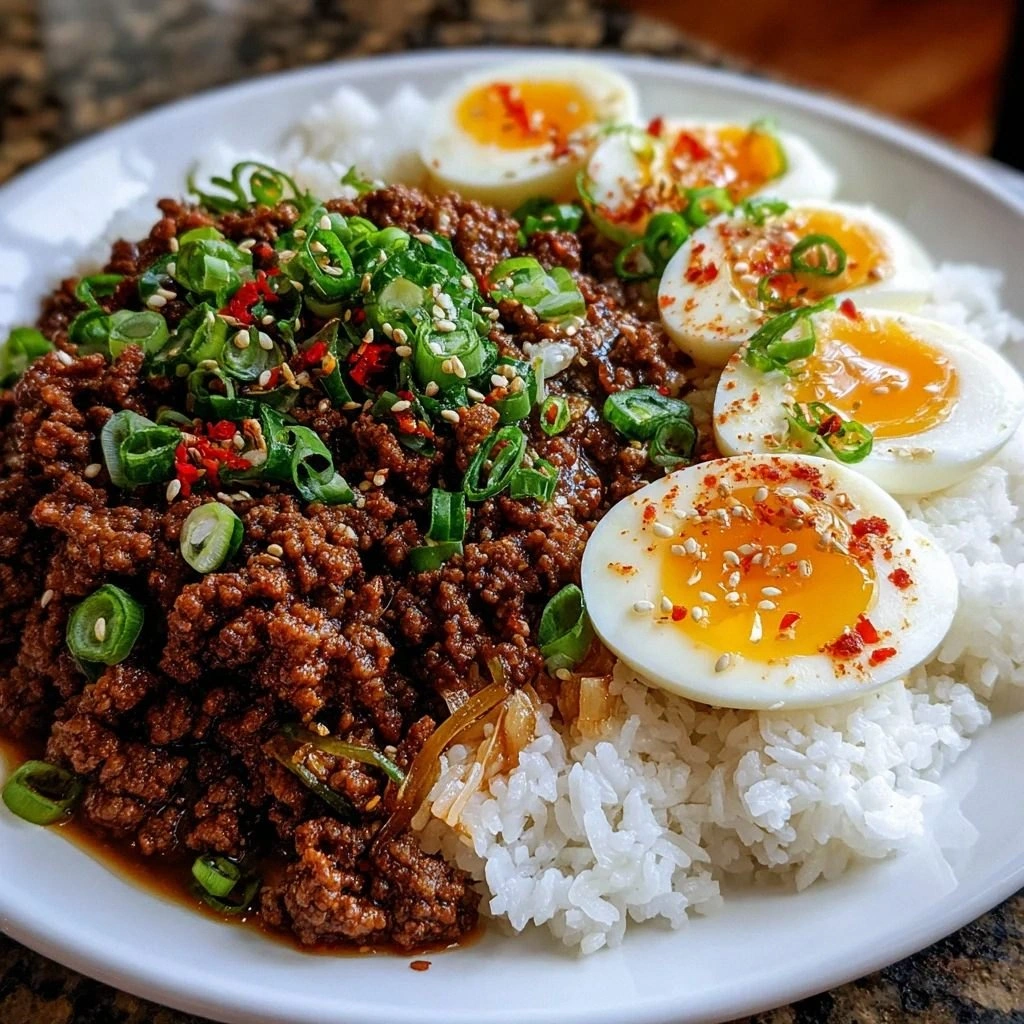
Toasted sesame seeds add nutty crunch that contrasts the soft beef, while green onions lend fresh bite. Yes, you can skip them if you're racing the hangry monster, but you'll lose the restaurant-quality flourish that makes people pause mid-chew and say, "Whoa, what did you do differently?" Soft-boiled eggs gild the lily with runny yolk that mingles into the glaze, turning ordinary rice into silk. Cook them six and a half minutes for that Instagram-ready jammy center that photographs like liquid sunshine.
Everything's prepped? Good. Let's get into the real action...
The Method — Step by Step
- Start by whisking together soy sauce, brown sugar, minced garlic, grated ginger, sesame oil, rice vinegar, black pepper, and optional red-pepper flakes in a small bowl. The sugar will dissolve faster if you microwave the mixture for ten seconds, but don't boil it or you'll cook the garlic into bitter little nuggets. Set this sauce next to the stove like it's your new best friend, because you'll be reaching for it constantly once the beef hits the pan.
- Heat a wide, heavy skillet over medium-high for two full minutes. You want that surface screaming hot so the beef sears instead of steaming. A cast-iron pan is ideal because it holds heat like a battery, giving you gorgeous browned bits that turbo-charge flavor. If your skillet is thin and warps, you'll end up with gray, sad beef swimming in its own juice, and nobody wants that culinary tragedy.
- Add the ground beef, breaking it into marble-sized clumps. Resist the urge to stir nonstop; let it sit for ninety seconds so the bottom develops a deep mahogany crust. That sizzle when it hits the pan? Absolute perfection. The Maillard reaction is happening, creating hundreds of nutty, roasty compounds that no amount of seasoning can replicate later.
- Once the beef is mostly browned, scatter in the diced onion and cook until the edges turn translucent and sweet, about four minutes. The moisture from the onion will deglaze the pan, lifting those caramelized beef bits into the mix. If you see gray liquid pooling, crank the heat to high and keep stirring until it evaporates; you're aiming for a dry, sizzling soundtrack, not a splattery soup.
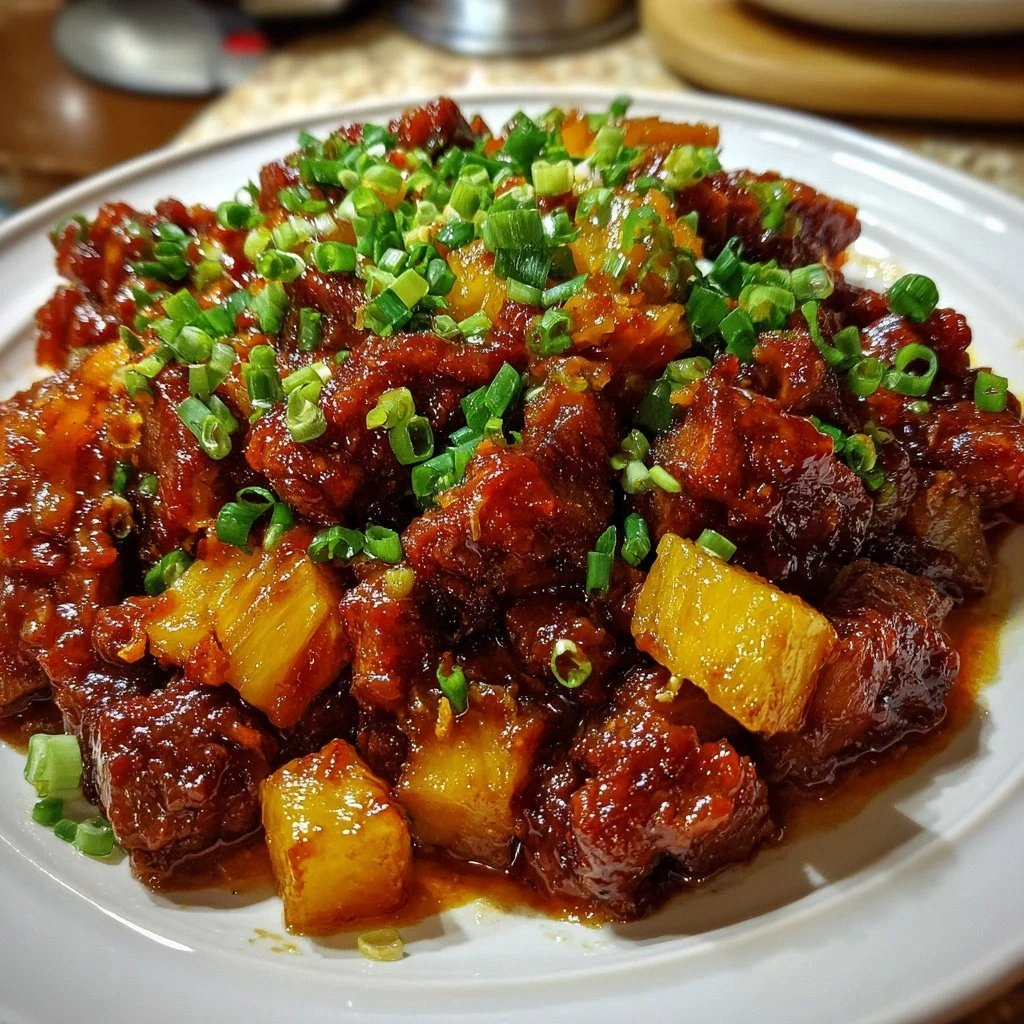
- Pour in the sauce and watch the magic. The sugar will bubble and thicken in about ninety seconds, coating every beefy pebble in a shiny mahogany glaze. Keep the beef moving so nothing burns; sugar turns from candy to charcoal faster than you can say delivery. Your kitchen will smell like a Korean barbecue joint collided with a candy shop in the best possible way.
- When the liquid has mostly evaporated and the beef looks lacquered, kill the heat and sprinkle in half the green onions and sesame seeds. Give everything a quick toss; residual warmth will bloom their aroma without turning the herbs into khaki sadness. Taste a spoonful and adjust salt or heat as needed, but try not to devour half the skillet before dinner officially starts.
- Scoop fluffy white rice into bowls, top with the bulgogi, and crown with soft-boiled eggs sliced in half so the yolk can cascade down like molten gold. Shower the remaining green onions and sesame seeds over the top for that restaurant-quality pop. Serve immediately with kimchi or pickled cucumbers for acidic contrast, and prepare for silence as everyone falls into a flavor trance.
That's it — you did it. But hold on, I've got a few more tricks that'll take this to another level...
Insider Tricks for Flawless Results
The Temperature Rule Nobody Follows
Most home cooks crank the burner to high and wonder why their beef tastes like burnt shoelaces. Medium-high heat gives you the longest window to build crust without incinerating garlic. If you see smoke wafting up before the beef even hits the pan, lower the knob and wait thirty seconds. A steady sizzle, not a frantic hiss, is your soundtrack for success.
Why Your Nose Knows Best
Ignore the clock for a moment and trust your olfactory senses. When the onions start smelling like caramel popcorn and the garlic turns fragrant instead of raw, you're thirty seconds from saucy perfection. If you wait for a timer while multitasking, you'll miss that aromatic sweet spot and land in bitter town.
The 5-Minute Rest That Changes Everything
After you kill the heat, let the beef lounge in the skillet for five minutes. The glaze thickens slightly as it cools, clinging to every crumble instead of puddling at the bottom of the bowl. A friend tried skipping this step once and served soupy bulgogi over rice; the sauce ran everywhere and the bottom layer turned into salty soup. Don't be that friend.
Creative Twists and Variations
This recipe is a playground. Here are some of my favorite ways to switch things up:
Spicy Gochujang Bomb
Swap half the brown sugar for gochujang and add a pat of butter at the end for glossy heat that smacks you with sweet-salty-smoky complexity. Teens and heat-seekers will lick their bowls clean, and you'll get that trendy Korean-fire vibe without hunting down specialty peppers.
Hawaiian Luau Style
Stir in a small can of crushed pineapple (drained) during the final minute of cooking. The fruity acidity plays off the soy like a beach vacation in your mouth, and kids think you're a genius for putting pineapple in dinner. Serve over coconut rice and watch the aloha spirit invade your kitchen.
Low-Carb Lettuce Wrap
Spoon the bulgogi into crisp romaine boats, top with quick-pickled radish and a drizzle of sriracha mayo. You get all the crave-worthy flavors without the rice coma, perfect for summer dinners when you want something hearty yet light. The crunch of lettuce against sticky beef is textural fireworks.
Breakfast Bulgogi Burrito
Add scrambled eggs, shredded cheese, and a smear of kimchi to a warm tortilla along with leftover bulgogi. Roll it up and griddle until golden for a breakfast that annihilates every drive-through option within a ten-mile radius. Future-you will thank present-you when mornings feel impossible.
Vegetarian Mushroom Swap
Replace beef with finely diced cremini mushrooms sautéed until meaty. Use the same sauce; mushrooms soak up flavor like greedy little sponges. Even carnivores inhale this version, and vegetarians at the table won't feel relegated to sad side-dish territory.
Storing and Bringing It Back to Life
Fridge Storage
Pack cooled bulgogi into airtight glass containers and refrigerate up to four days. Glass prevents soy odors from hijacking your leftover birthday cake. Press plastic wrap directly onto the surface to block air, which keeps the beef from drying into leathery nuggets.
Freezer Friendly
Portion the beef into zip-top bags, flatten to a thin sheet, and freeze for up to three months. The thin slab thaws in minutes under warm water, saving you from midnight frozen-block panic. Label the bag; frozen soy glaze looks suspiciously similar to chocolate sauce and has led to unfortunate dessert mix-ups in my house.
Best Reheating Method
Revive cold bulgogi in a dry skillet over medium heat, adding a splash of water and covering with a lid for one minute. The steam loosens the glaze without turning it into rubber, and you'll swear it's freshly made. Microwaves work in a pinch, but they zapped the sesame aroma into oblivion every time I tried.