
Gluten Free Cornbread Stuffing

As a home cook who's had to adapt to a gluten-free diet, I've learned that with the right techniques and ingredients, you can create dishes that are just as delicious as their traditional counterparts. One of my favorite recipes to make during the holidays is gluten-free cornbread stuffing. It's a staple in our household, and I'm excited to share it with you.
The key to making great gluten-free cornbread stuffing is to use a blend of flours that provides structure and texture. I use a combination of rice flour, tapioca starch, and xanthan gum to achieve the perfect crumb. I also make sure to hydrate the flours for at least 20-30 minutes before baking to ensure that the starches fully absorb the liquid and the crumb sets tender instead of gritty or gummy.
This recipe is perfect for anyone who's looking for a delicious and easy-to-make gluten-free side dish. It's also a great option for those who are new to gluten-free cooking, as it requires minimal ingredients and is relatively simple to prepare. Whether you're making it for a special occasion or just a weeknight dinner, this gluten-free cornbread stuffing is sure to become a favorite in your household.
In this recipe, I'll walk you through the steps to make the perfect gluten-free cornbread stuffing. From preparing the ingredients to baking the cornbread, I'll provide you with all the tips and tricks you need to succeed. So, let's get started and make some delicious gluten-free cornbread stuffing!
This recipe is also very versatile, you can customize it to your taste by adding your favorite herbs and spices. You can also use it as a base and add other ingredients such as sausage, apples, or nuts to give it a unique flavor.
Why You’ll Love This Recipe
- This recipe is easy to make and requires minimal ingredients.
- It's a great option for those who are new to gluten-free cooking.
- The cornbread stuffing is moist and flavorful, with a tender crumb that's not too dense or too crumbly.
- It's a versatile recipe that can be customized to your taste by adding your favorite herbs and spices.
- It's perfect for special occasions or weeknight dinners.
- It's a delicious and easy-to-make gluten-free side dish that's sure to become a favorite in your household.
Why This Recipe Works
The combination of rice flour, tapioca starch, and xanthan gum provides a delicate crumb and a tender texture. The xanthan gum helps to strengthen the structure of the gluten-free flours, while the tapioca starch adds a light and airy texture.
The 20-30 minute hydration rest is crucial in allowing the starches to fully absorb the liquid and the crumb to set tender instead of gritty or gummy. This step ensures that the cornbread is moist and flavorful, with a tender crumb that's not too dense or too crumbly.
The use of buttermilk instead of regular milk adds a tangy flavor and a moist texture to the cornbread. The acidity in the buttermilk helps to react with the baking soda and creates a light and fluffy texture.
Ingredients You’ll Need
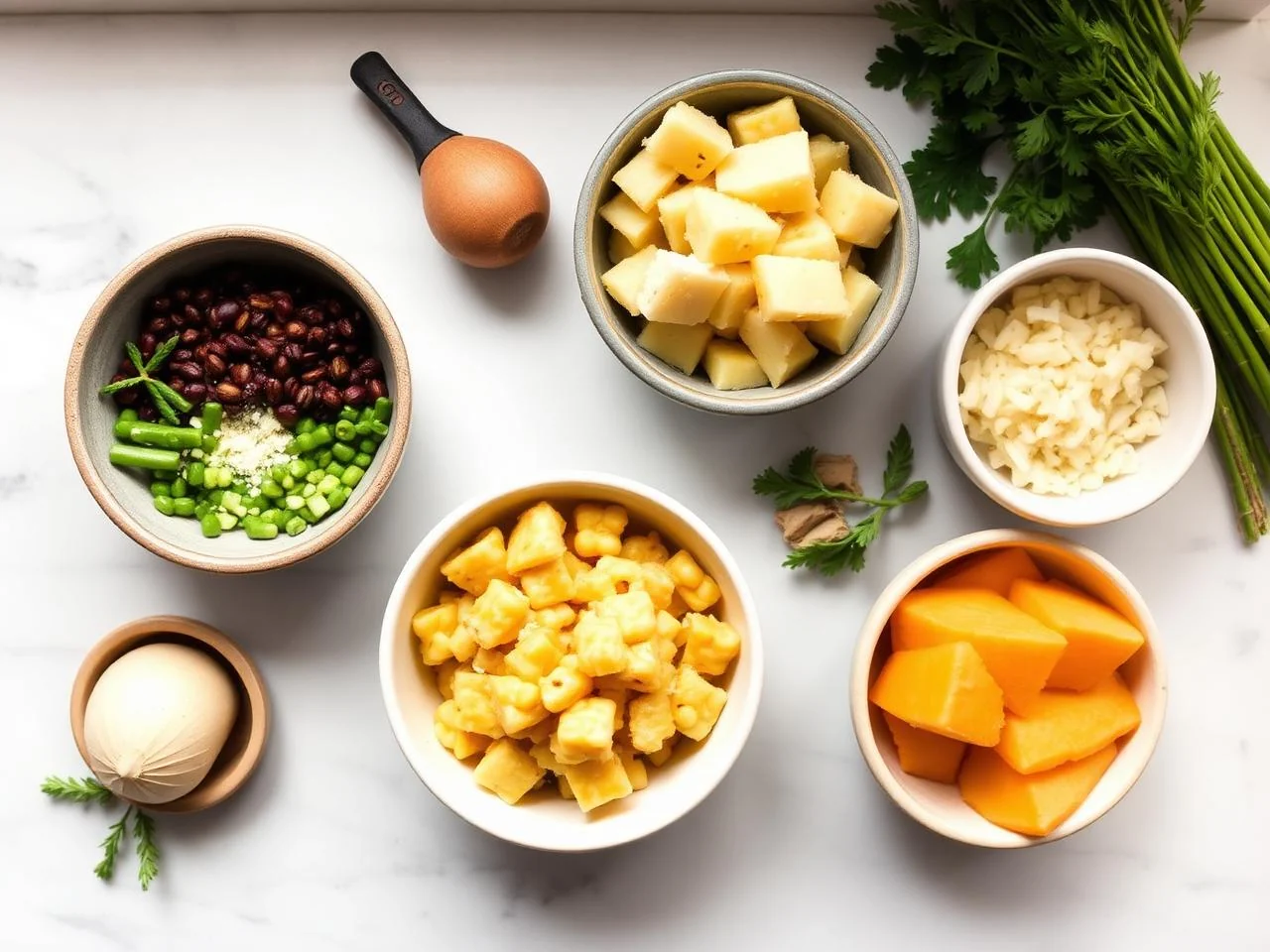
To make this gluten-free cornbread stuffing, you'll need a few simple ingredients. The key players are rice flour, tapioca starch, and xanthan gum, which provide structure and texture to the cornbread. You'll also need buttermilk, eggs, butter, and a few seasonings to add flavor and moisture.
When shopping for these ingredients, make sure to choose a high-quality rice flour that's finely milled and has a light texture. You can also use a gluten-free flour blend that contains a combination of rice flour, potato starch, and tapioca flour.
- 1 1/2 cups rice flourChoose a high-quality rice flour that's finely milled and has a light texture. You can also use a gluten-free flour blend that contains a combination of rice flour, potato starch, and tapioca flour.
- 1/2 cup tapioca starchTapioca starch adds a light and airy texture to the cornbread. Make sure to choose a high-quality tapioca starch that's finely milled and has a neutral flavor.
- 1 teaspoon xanthan gumXanthan gum helps to strengthen the structure of the gluten-free flours and provides a delicate crumb. Make sure to choose a high-quality xanthan gum that's finely milled and has a neutral flavor.
- 1 teaspoon saltSalt adds flavor and helps to bring out the other ingredients in the recipe. Make sure to choose a high-quality salt that's finely milled and has a neutral flavor.
- 1/4 teaspoon black pepperBlack pepper adds flavor and helps to bring out the other ingredients in the recipe. Make sure to choose a high-quality black pepper that's finely milled and has a sharp flavor.
- 1 cup buttermilkButtermilk adds a tangy flavor and a moist texture to the cornbread. Make sure to choose a high-quality buttermilk that's fresh and has a thick texture.
- 2 large eggsEggs add moisture and richness to the cornbread. Make sure to choose high-quality eggs that are fresh and have a clean texture.
- 4 tablespoons unsalted butter, meltedMelted butter adds flavor and moisture to the cornbread. Make sure to choose a high-quality unsalted butter that's fresh and has a rich flavor.
- 2 tablespoons chopped fresh sageFresh sage adds a savory flavor and a fragrant aroma to the cornbread. Make sure to choose high-quality fresh sage that's fresh and has a pungent flavor.
- 1 teaspoon dried thymeDried thyme adds a savory flavor and a fragrant aroma to the cornbread. Make sure to choose high-quality dried thyme that's fresh and has a pungent flavor.
- 1/2 cup diced celeryDiced celery adds a fresh flavor and a crunchy texture to the cornbread. Make sure to choose high-quality celery that's fresh and has a crisp texture.
- 1/2 cup diced onionDiced onion adds a sweet flavor and a caramelized texture to the cornbread. Make sure to choose high-quality onion that's fresh and has a sweet flavor.
Equipment You’ll Need
How to Make Gluten Free Cornbread Stuffing
- 1Preheat the oven to 375°F (190°C). Make sure to adjust the oven racks to the middle position to ensure even baking.
- 2In a large mixing bowl, whisk together the rice flour, tapioca starch, xanthan gum, salt, and black pepper. Make sure to whisk the ingredients well to combine and remove any lumps.
- 3In a separate bowl, whisk together the buttermilk, eggs, and melted butter. Make sure to whisk the ingredients well to combine and create a smooth texture.
- 4Add the wet ingredients to the dry ingredients and stir until just combined. Do not overmix the batter, as it can create a dense and tough cornbread.
- 5Fold in the chopped sage, dried thyme, diced celery, and diced onion. Make sure to fold the ingredients gently to avoid creating a dense and tough cornbread.
- 6Pour the batter into a 9x13 inch baking dish and smooth the top. Make sure to create a smooth and even surface to ensure even baking.
- 7Bake the cornbread for 20-25 minutes, or until a toothpick inserted into the center comes out clean. Make sure to check the cornbread frequently to avoid overcooking.
- 8Remove the cornbread from the oven and let it cool for 10-15 minutes. Make sure to let the cornbread cool completely before serving to ensure the best texture and flavor.
- 9Once the cornbread is cool, crumble it into a large mixing bowl. Make sure to crumble the cornbread into small pieces to create a uniform texture.
- 10Add any desired seasonings or herbs to the crumbled cornbread and toss to combine. Make sure to taste the cornbread as you go and adjust the seasonings to your liking.
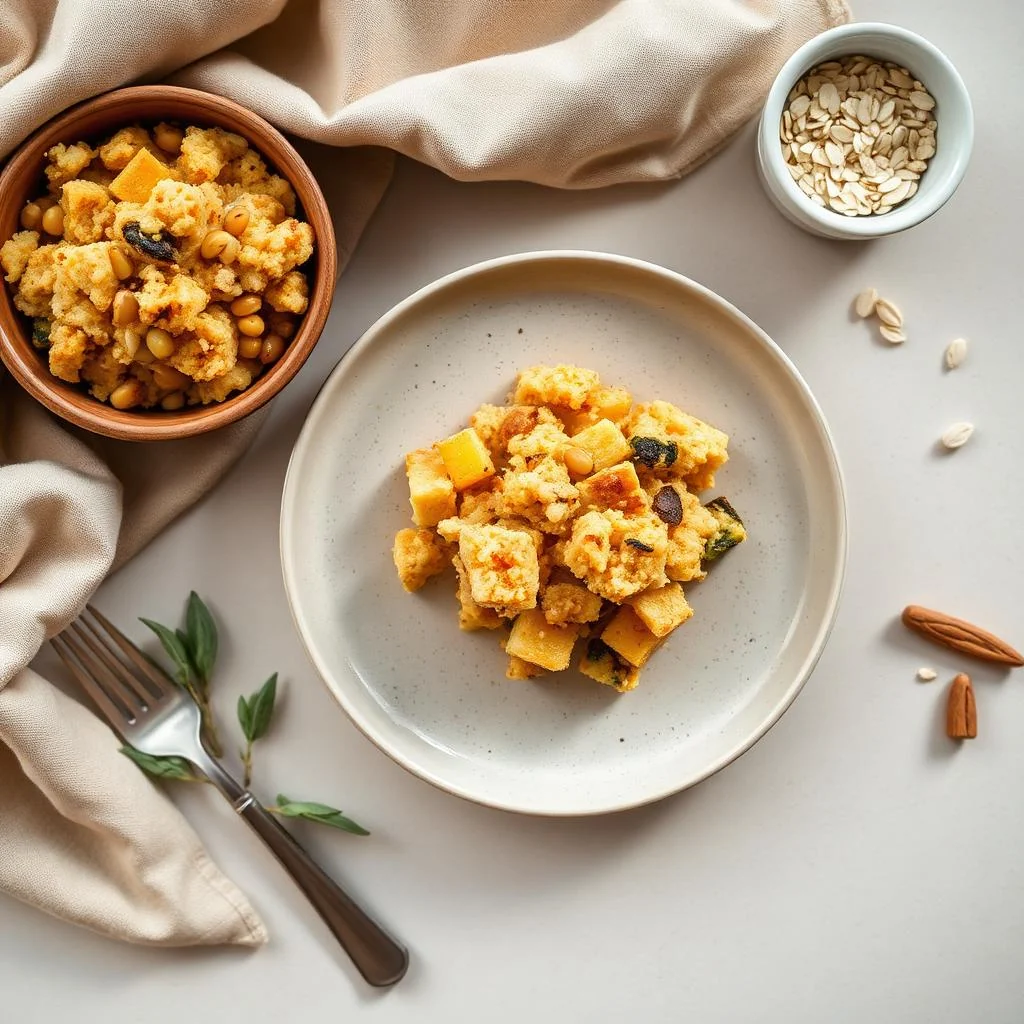
- 11Transfer the cornbread stuffing to a serving dish and serve warm. Make sure to serve the cornbread stuffing immediately to ensure the best texture and flavor.
- 12You can also make the cornbread stuffing ahead of time and refrigerate or freeze it until ready to serve. Make sure to follow the storage instructions to ensure the best texture and flavor.
Expert Tips
- Make sure to choose high-quality ingredients to ensure the best flavor and texture.
- Do not overmix the batter, as it can create a dense and tough cornbread.
- Make sure to check the cornbread frequently to avoid overcooking.
- Let the cornbread cool completely before serving to ensure the best texture and flavor.
- You can customize the cornbread stuffing to your taste by adding your favorite herbs and spices.
- Make sure to follow the storage instructions to ensure the best texture and flavor.
- You can also use this recipe as a base and add other ingredients such as sausage, apples, or nuts to give it a unique flavor.
- Make sure to taste the cornbread as you go and adjust the seasonings to your liking.
Common Mistakes to Avoid
- Using low-quality ingredients can result in a dense and tough cornbread.
- Overmixing the batter can create a dense and tough cornbread.
- Not checking the cornbread frequently can result in overcooking.
- Not letting the cornbread cool completely can result in a soggy and unappetizing texture.
- Not following the storage instructions can result in a stale and unappetizing cornbread.
- Not tasting the cornbread as you go can result in an unbalanced flavor.
Variations and Substitutions
- You can add diced sausage or bacon to the cornbread batter for a savory flavor.
- You can add diced apples or dried cranberries to the cornbread batter for a sweet and fruity flavor.
- You can use different types of milk, such as almond or soy milk, to create a dairy-free cornbread.
- You can add chopped nuts or seeds, such as walnuts or pumpkin seeds, to the cornbread batter for added texture and flavor.
- You can use different types of flour, such as almond or coconut flour, to create a grain-free cornbread.
- You can add a sprinkle of cheese, such as cheddar or parmesan, to the top of the cornbread for an extra burst of flavor.
- You can use this recipe as a base and add other ingredients, such as diced ham or cooked vegetables, to create a unique and delicious cornbread stuffing.
What to Serve With Gluten Free Cornbread Stuffing
This gluten-free cornbread stuffing is perfect for serving alongside your favorite holiday dishes, such as roasted turkey, mashed potatoes, and green beans. You can also serve it as a side dish for a weeknight dinner, paired with a hearty soup or stew.
Some other ideas for serving this cornbread stuffing include using it as a base for a breakfast strata, adding it to a salad for a crunchy texture, or using it as a topping for a bowl of chili or soup.
Make-Ahead, Storage, Freezing and Reheating
To store the cornbread stuffing, you can refrigerate it for up to 3 days or freeze it for up to 2 months. Make sure to wrap the cornbread tightly in plastic wrap or aluminum foil to prevent drying out.
To reheat the cornbread, you can bake it in the oven at 350°F (180°C) for 10-15 minutes, or until warmed through. You can also microwave it for 20-30 seconds, or until warmed through.
Make sure to follow the storage instructions to ensure the best texture and flavor. You can also make the cornbread stuffing ahead of time and refrigerate or freeze it until ready to serve.
When reheating the cornbread, make sure to check it frequently to avoid overcooking. You can also add a sprinkle of water or broth to the cornbread to help keep it moist and flavorful.
Frequently Asked Questions
What type of flour is best for gluten-free cornbread?
A combination of rice flour, tapioca starch, and xanthan gum provides the best texture and structure for gluten-free cornbread.
Can I use a different type of milk instead of buttermilk?
Yes, you can use a different type of milk, such as almond or soy milk, to create a dairy-free cornbread. However, keep in mind that the flavor and texture may be slightly different.
How do I know if the cornbread is done?
The cornbread is done when a toothpick inserted into the center comes out clean. You can also check the cornbread by inserting an instant-read thermometer into the center, which should read 190-200°F (88-93°C).
Can I make the cornbread stuffing ahead of time?
Yes, you can make the cornbread stuffing ahead of time and refrigerate or freeze it until ready to serve. Make sure to follow the storage instructions to ensure the best texture and flavor.
What are some variations I can make to the cornbread stuffing?
You can add diced sausage or bacon, diced apples or dried cranberries, or chopped nuts or seeds to the cornbread batter for added flavor and texture. You can also use different types of flour or milk to create a unique and delicious cornbread stuffing.
How do I store the cornbread stuffing?
You can refrigerate the cornbread stuffing for up to 3 days or freeze it for up to 2 months. Make sure to wrap the cornbread tightly in plastic wrap or aluminum foil to prevent drying out.
How do I reheat the cornbread?
You can bake the cornbread in the oven at 350°F (180°C) for 10-15 minutes, or until warmed through. You can also microwave it for 20-30 seconds, or until warmed through.
Can I use this recipe as a base for other dishes?
Yes, you can use this recipe as a base for other dishes, such as a breakfast strata or a topping for a bowl of chili or soup. You can also add other ingredients, such as diced ham or cooked vegetables, to create a unique and delicious dish.
Ingredients
- 1 1/2 cups rice flour
- 1/2 cup tapioca starch
- 1 teaspoon xanthan gum
- 1 teaspoon salt
- 1/4 teaspoon black pepper
- 1 cup buttermilk
- 2 large eggs
- 4 tablespoons unsalted butter, melted
- 2 tablespoons chopped fresh sage
- 1 teaspoon dried thyme
- 1/2 cup diced celery
- 1/2 cup diced onion
Instructions
- Preheat the oven to 375°F (190°C). Make sure to adjust the oven racks to the middle position to ensure even baking.
- In a large mixing bowl, whisk together the rice flour, tapioca starch, xanthan gum, salt, and black pepper. Make sure to whisk the ingredients well to combine and remove any lumps.
- In a separate bowl, whisk together the buttermilk, eggs, and melted butter. Make sure to whisk the ingredients well to combine and create a smooth texture.
- Add the wet ingredients to the dry ingredients and stir until just combined. Do not overmix the batter, as it can create a dense and tough cornbread.
- Fold in the chopped sage, dried thyme, diced celery, and diced onion. Make sure to fold the ingredients gently to avoid creating a dense and tough cornbread.
- Pour the batter into a 9x13 inch baking dish and smooth the top. Make sure to create a smooth and even surface to ensure even baking.
- Bake the cornbread for 20-25 minutes, or until a toothpick inserted into the center comes out clean. Make sure to check the cornbread frequently to avoid overcooking.
- Remove the cornbread from the oven and let it cool for 10-15 minutes. Make sure to let the cornbread cool completely before serving to ensure the best texture and flavor.
- Once the cornbread is cool, crumble it into a large mixing bowl. Make sure to crumble the cornbread into small pieces to create a uniform texture.
- Add any desired seasonings or herbs to the crumbled cornbread and toss to combine. Make sure to taste the cornbread as you go and adjust the seasonings to your liking.
- Transfer the cornbread stuffing to a serving dish and serve warm. Make sure to serve the cornbread stuffing immediately to ensure the best texture and flavor.
- You can also make the cornbread stuffing ahead of time and refrigerate or freeze it until ready to serve. Make sure to follow the storage instructions to ensure the best texture and flavor.