
Gluten Free Pad Thai
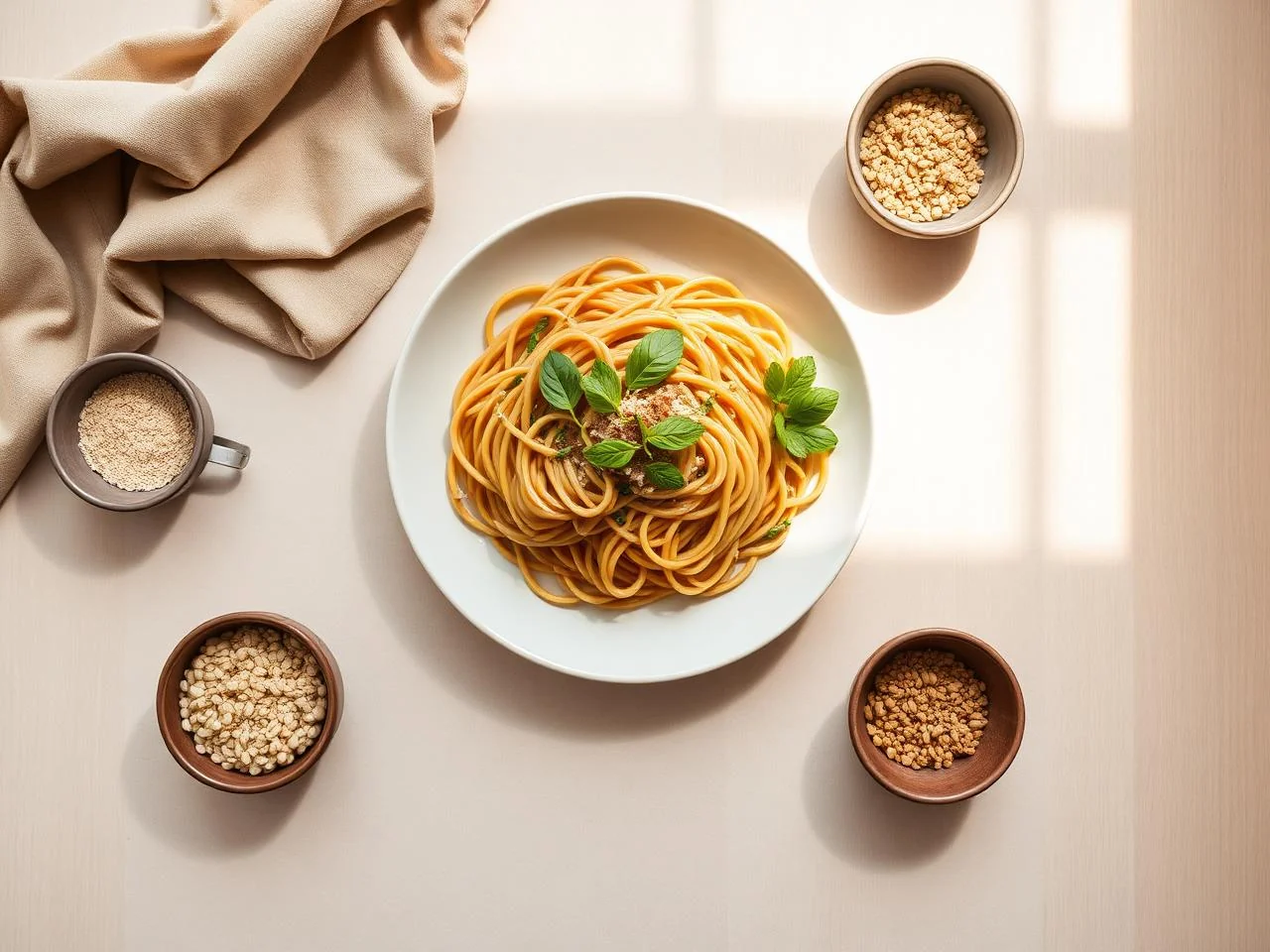
As a home cook who's passionate about gluten-free cooking, I'm always on the lookout for recipes that are not only delicious but also easy to make. That's why I'm excited to share my Gluten Free Pad Thai recipe with you. This classic Thai dish is a staple for a reason - it's quick, flavorful, and can be made with a variety of ingredients to suit your taste.
I remember the first time I had Pad Thai at a restaurant. I was blown away by the combination of sweet, sour, and savory flavors, and I knew I had to recreate it at home. After some trial and error, I finally perfected my Gluten Free Pad Thai recipe, and I'm thrilled to share it with you.
This recipe is perfect for anyone who loves Thai food but is looking for a gluten-free option. It's also a great choice for a weeknight dinner, as it can be made in under 30 minutes. And the best part? It's incredibly versatile, so feel free to customize it to your taste with your favorite ingredients.
So, what makes this Gluten Free Pad Thai recipe special? For starters, it uses a combination of rice noodles, which are naturally gluten-free, and a variety of vegetables and protein sources to create a dish that's both flavorful and nutritious. The sauce is made with a combination of tamarind paste, fish sauce, and palm sugar, which gives it a rich and slightly sweet flavor. And the best part? It's incredibly easy to make, even for a beginner cook.
Whether you're a seasoned cook or just starting out, this Gluten Free Pad Thai recipe is a must-try. It's perfect for a quick weeknight dinner, a special occasion, or even a potluck. So, let's get started and make some delicious Gluten Free Pad Thai!
Why You’ll Love This Recipe
- This Gluten Free Pad Thai recipe is easy to make and can be customized to your taste.
- It's perfect for a quick weeknight dinner or a special occasion.
- The dish is flavorful and nutritious, making it a great choice for a healthy meal.
- The recipe is versatile, so you can use your favorite ingredients and make it your own.
- It's a great option for a potluck or a dinner party, as it's easy to serve and can be made in large quantities.
- The recipe is gluten-free, making it a great choice for those with dietary restrictions.
Why This Recipe Works
So, what makes this Gluten Free Pad Thai recipe work? For starters, it uses a combination of rice noodles, which are naturally gluten-free, and a variety of vegetables and protein sources to create a dish that's both flavorful and nutritious. The sauce is made with a combination of tamarind paste, fish sauce, and palm sugar, which gives it a rich and slightly sweet flavor.
The key to making great Pad Thai is to cook the noodles just right. You want them to be slightly firm in the center, but still tender and chewy. To achieve this, it's essential to use the right type of noodles and to cook them for the right amount of time. In this recipe, we'll be using rice noodles, which are specifically designed for stir-frying and can withstand high heat without becoming mushy.
Another crucial element of this recipe is the sauce. The combination of tamarind paste, fish sauce, and palm sugar gives the dish a rich and slightly sweet flavor that's balanced by the acidity of the lime juice. The sauce is also incredibly easy to make, requiring just a few ingredients and some simple stirring.
Finally, the protein source is also important. In this recipe, we'll be using shrimp, which are a classic choice for Pad Thai. However, you can also use chicken, beef, or tofu if you prefer. The key is to cook the protein just right, so it's tender and flavorful but still retains some texture.
Ingredients You’ll Need
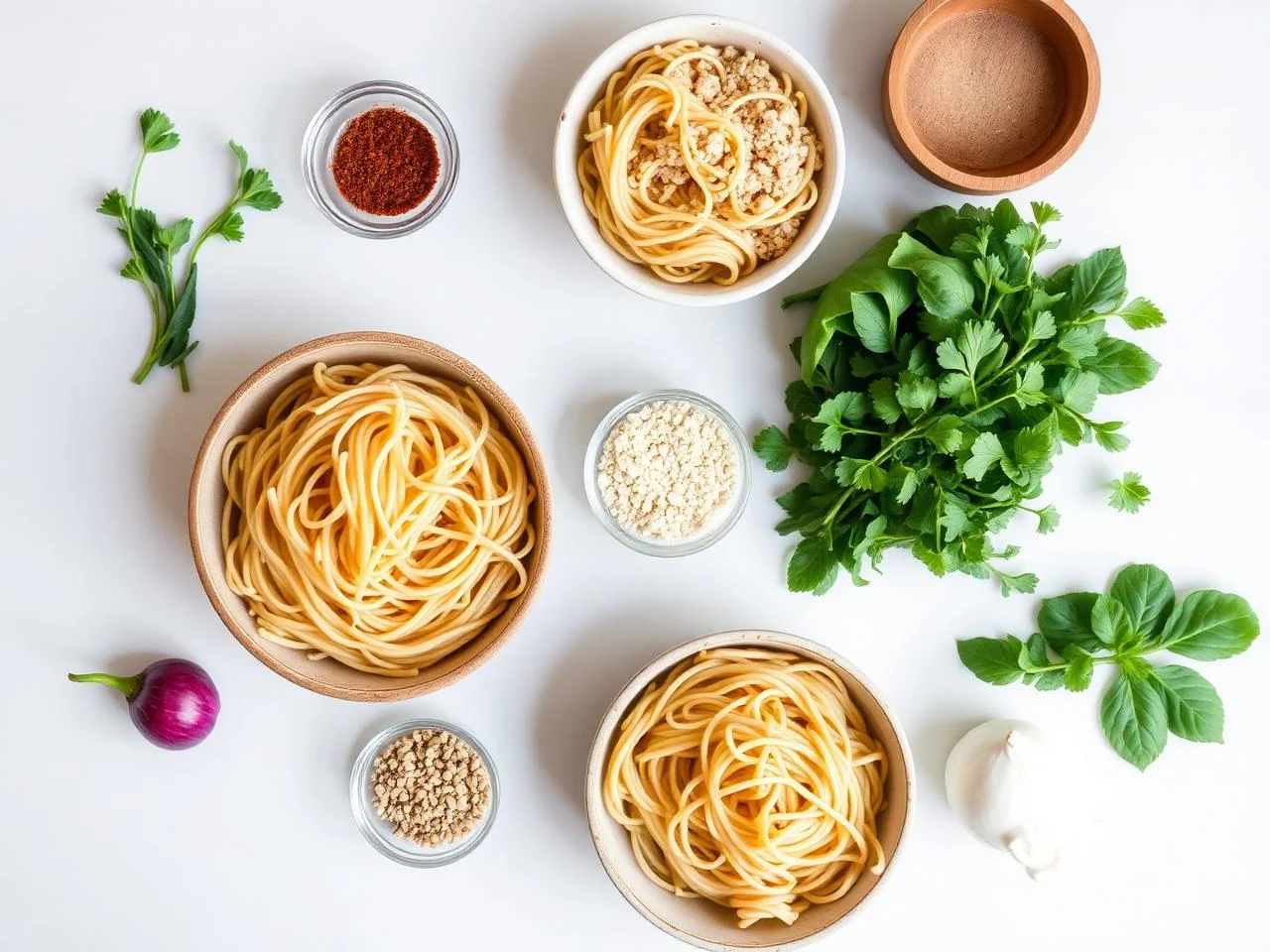
To make this Gluten Free Pad Thai recipe, you'll need a few key ingredients. These include rice noodles, which are the base of the dish, as well as a variety of vegetables and protein sources. You'll also need some pantry staples, such as tamarind paste, fish sauce, and palm sugar, to make the sauce.
When shopping for these ingredients, be sure to check the labels to ensure that they are gluten-free. You can find most of these ingredients at an Asian market or a well-stocked grocery store.
- 1 pound (450g) rice noodlesRice noodles are the base of this dish and can be found at most Asian markets or well-stocked grocery stores. Be sure to choose a brand that is gluten-free.
- 2 tablespoons vegetable oilVegetable oil is used for stir-frying and can be substituted with other oils such as peanut or coconut oil.
- 1 small onion, thinly slicedThe onion adds a sweet and savory flavor to the dish and can be substituted with shallots or scallions.
- 2 cloves garlic, mincedGarlic adds a pungent flavor to the dish and can be substituted with shallots or ginger.
- 1 cup (115g) mixed vegetables, such as bean sprouts and carrotsThe mixed vegetables add texture and flavor to the dish and can be substituted with other vegetables such as bell peppers or mushrooms.
- 1 cup (120g) cooked shrimpShrimp is the protein source in this dish and can be substituted with chicken, beef, or tofu.
- 2 tablespoons tamarind pasteTamarind paste is a key ingredient in the sauce and can be found at most Asian markets or well-stocked grocery stores.
- 2 tablespoons fish sauceFish sauce adds a salty and umami flavor to the dish and can be substituted with soy sauce or tamari.
- 1 tablespoon palm sugarPalm sugar adds a sweet and rich flavor to the dish and can be substituted with brown sugar or honey.
- 1 tablespoon lime juiceLime juice adds a bright and citrusy flavor to the dish and can be substituted with lemon juice or vinegar.
- 1/4 teaspoon saltSalt enhances the flavor of the dish and can be adjusted to taste.
- 1/4 teaspoon black pepperBlack pepper adds a subtle and spicy flavor to the dish and can be adjusted to taste.
Equipment You’ll Need
How to Make Gluten Free Pad Thai
- 1Bring a large pot of water to a boil and cook the rice noodles according to the package instructions. Drain and set aside.
- 2In a small bowl, whisk together the tamarind paste, fish sauce, palm sugar, and lime juice to make the sauce.
- 3Heat 1 tablespoon of vegetable oil in a large heavy skillet or wok over medium-high heat.
- 4Add the thinly sliced onion and cook until it is translucent and starting to caramelize, about 3-4 minutes.
- 5Add the minced garlic and cook for an additional 1-2 minutes, until fragrant.
- 6Add the mixed vegetables and cooked shrimp to the skillet and stir-fry for 2-3 minutes, until the vegetables are tender-crisp.
- 7Add the cooked noodles to the skillet and stir-fry for an additional 2-3 minutes, until the noodles are well coated with the sauce and the ingredients are well combined.
- 8Add the sauce to the skillet and stir-fry for an additional 1-2 minutes, until the sauce is bubbly and slightly thickened.
- 9Season the dish with salt and black pepper to taste.
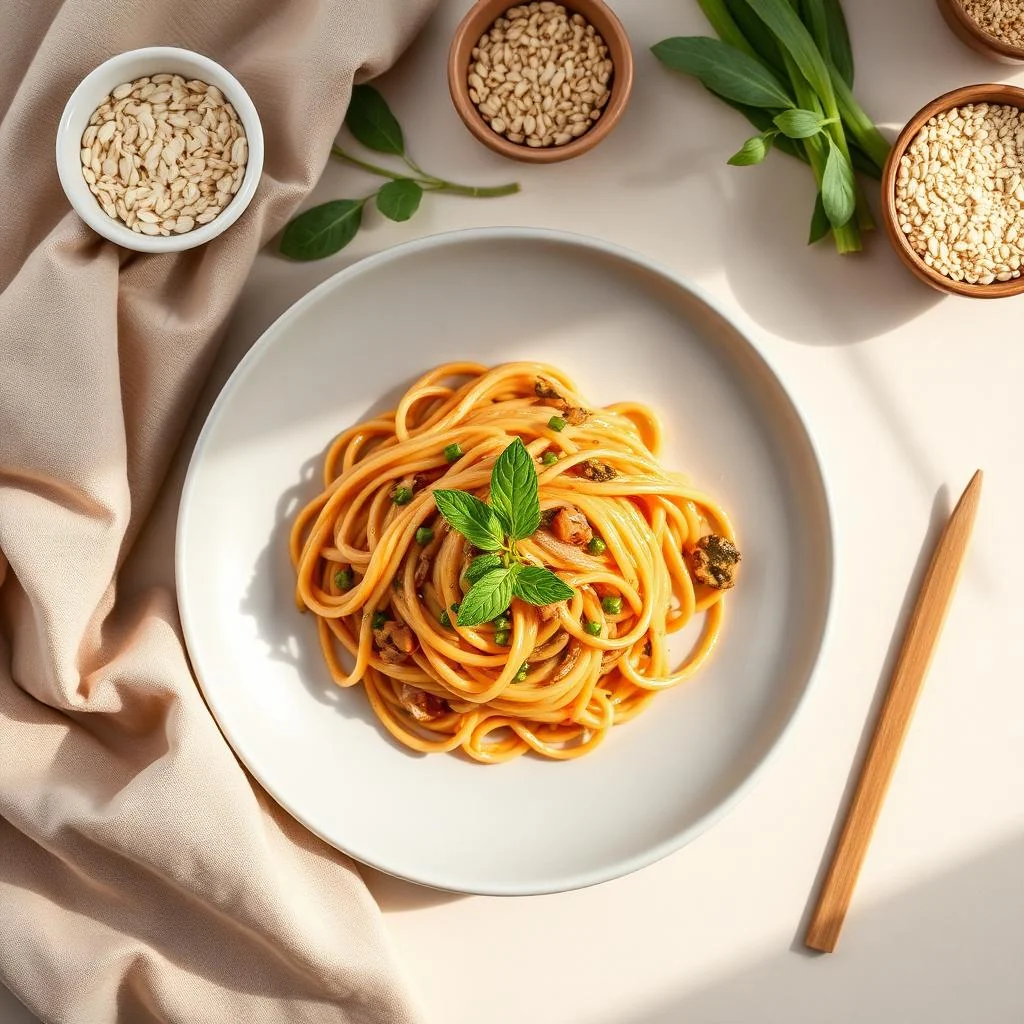
- 10Transfer the Gluten Free Pad Thai to a serving platter and garnish with chopped fresh cilantro or scallions, if desired.
- 11Serve immediately and enjoy!
Expert Tips
- Use a high-quality tamarind paste for the best flavor.
- Adjust the amount of fish sauce to taste, as it can be quite salty.
- Add other protein sources, such as chicken or beef, for added variety.
- Use a variety of vegetables, such as bell peppers or mushrooms, for added texture and flavor.
- Serve with chopped fresh cilantro or scallions for a fresh and herbaceous flavor.
- Experiment with different types of noodles, such as soba or udon, for a unique texture.
Common Mistakes to Avoid
- Overcooking the noodles, which can make them mushy and unappetizing.
- Not using enough sauce, which can make the dish dry and flavorless.
- Not seasoning the dish with enough salt and pepper, which can make it taste bland.
- Not using fresh and high-quality ingredients, which can affect the flavor and texture of the dish.
- Not stir-frying the ingredients quickly and constantly, which can cause the ingredients to burn or stick to the pan.
- Not serving the dish immediately, which can cause the noodles to become soggy and the sauce to thicken too much.
Variations and Substitutions
- Add other protein sources, such as chicken or beef, for added variety.
- Use a variety of vegetables, such as bell peppers or mushrooms, for added texture and flavor.
- Experiment with different types of noodles, such as soba or udon, for a unique texture.
- Add some heat to the dish by incorporating red pepper flakes or sriracha sauce.
- Use a different type of sugar, such as brown sugar or honey, for a unique flavor.
- Add some acidity to the dish by incorporating lemon juice or vinegar.
- Use a different type of oil, such as peanut or coconut oil, for a unique flavor.
What to Serve With Gluten Free Pad Thai
This Gluten Free Pad Thai is perfect for serving as a main dish or as a side dish. It's also a great option for a potluck or a dinner party, as it's easy to serve and can be made in large quantities.
Some great options for serving with this dish include steamed vegetables, such as broccoli or green beans, or a simple green salad with a light vinaigrette. You could also serve it with some crispy fried wontons or spring rolls for a crunchy and savory snack.
Make-Ahead, Storage, Freezing and Reheating
This Gluten Free Pad Thai can be stored in the refrigerator for up to 3 days or frozen for up to 2 months. To store, simply cool the dish to room temperature and transfer it to an airtight container.
To freeze, cool the dish to room temperature and transfer it to a freezer-safe container or bag. When you're ready to serve, simply thaw the dish overnight in the refrigerator and reheat it in a skillet or wok over medium-high heat.
It's also a great option to make ahead and reheat as needed. Simply cook the noodles and stir-fry the ingredients, then store them in separate containers and reheat as needed.
When reheating, be sure to stir-fry the ingredients quickly and constantly to prevent them from burning or sticking to the pan. You can also add some extra sauce or seasoning to taste, if desired.
Frequently Asked Questions
What type of noodles should I use for this recipe?
Rice noodles are the best type of noodles to use for this recipe, as they are naturally gluten-free and have a delicate texture that pairs well with the sauce and ingredients.
Can I substitute the tamarind paste with something else?
While tamarind paste is a key ingredient in this recipe, you can substitute it with other ingredients such as fish sauce or soy sauce. However, keep in mind that the flavor will be slightly different.
How do I prevent the noodles from becoming mushy or sticky?
To prevent the noodles from becoming mushy or sticky, be sure to cook them according to the package instructions and drain them well. You can also add a small amount of oil to the noodles to help prevent them from sticking together.
Can I make this recipe ahead of time?
Yes, you can make this recipe ahead of time and store it in the refrigerator for up to 3 days or freeze it for up to 2 months. Simply cook the noodles and stir-fry the ingredients, then store them in separate containers and reheat as needed.
What are some variations I can make to this recipe?
There are many variations you can make to this recipe, such as adding different protein sources or vegetables, using different types of noodles, or adding some heat to the dish with red pepper flakes or sriracha sauce.
Is this recipe gluten-free?
Yes, this recipe is gluten-free, as it uses rice noodles and does not include any gluten-containing ingredients. However, be sure to check the labels of the ingredients you use to ensure that they are gluten-free.
Can I serve this recipe as a main dish or side dish?
This recipe can be served as either a main dish or side dish, depending on your preferences. It's also a great option for a potluck or dinner party, as it's easy to serve and can be made in large quantities.
What are some good options for serving with this dish?
Some great options for serving with this dish include steamed vegetables, such as broccoli or green beans, or a simple green salad with a light vinaigrette. You could also serve it with some crispy fried wontons or spring rolls for a crunchy and savory snack.
Ingredients
- 1 pound (450g) rice noodles
- 2 tablespoons vegetable oil
- 1 small onion, thinly sliced
- 2 cloves garlic, minced
- 1 cup (115g) mixed vegetables, such as bean sprouts and carrots
- 1 cup (120g) cooked shrimp
- 2 tablespoons tamarind paste
- 2 tablespoons fish sauce
- 1 tablespoon palm sugar
- 1 tablespoon lime juice
- 1/4 teaspoon salt
- 1/4 teaspoon black pepper
Instructions
- Bring a large pot of water to a boil and cook the rice noodles according to the package instructions. Drain and set aside.
- In a small bowl, whisk together the tamarind paste, fish sauce, palm sugar, and lime juice to make the sauce.
- Heat 1 tablespoon of vegetable oil in a large heavy skillet or wok over medium-high heat.
- Add the thinly sliced onion and cook until it is translucent and starting to caramelize, about 3-4 minutes.
- Add the minced garlic and cook for an additional 1-2 minutes, until fragrant.
- Add the mixed vegetables and cooked shrimp to the skillet and stir-fry for 2-3 minutes, until the vegetables are tender-crisp.
- Add the cooked noodles to the skillet and stir-fry for an additional 2-3 minutes, until the noodles are well coated with the sauce and the ingredients are well combined.
- Add the sauce to the skillet and stir-fry for an additional 1-2 minutes, until the sauce is bubbly and slightly thickened.
- Season the dish with salt and black pepper to taste.
- Transfer the Gluten Free Pad Thai to a serving platter and garnish with chopped fresh cilantro or scallions, if desired.
- Serve immediately and enjoy!