
Gluten Free Biscuits
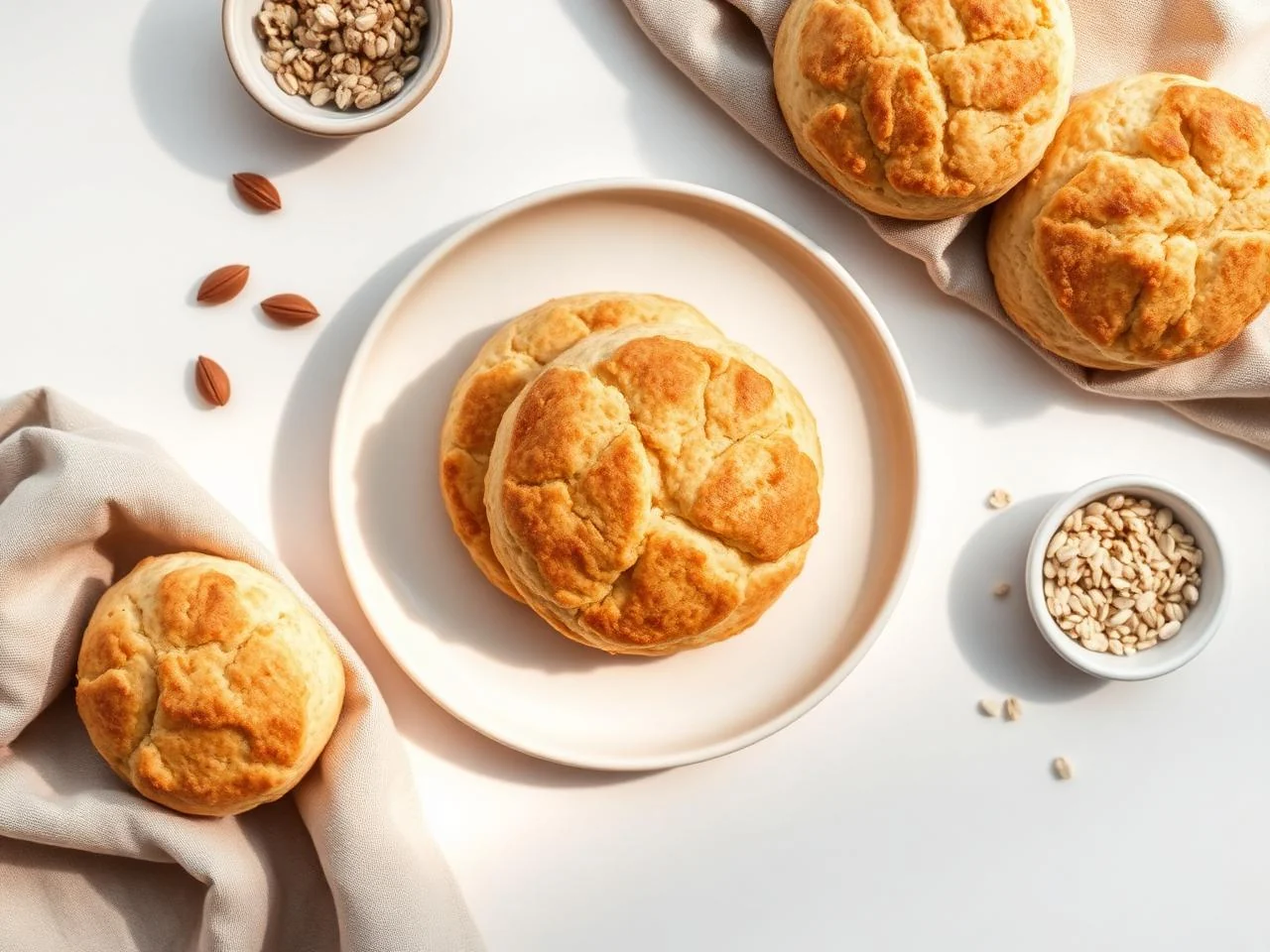
I still remember the first time I made gluten-free biscuits from scratch. It was a game-changer for me, as someone who had recently been diagnosed with celiac disease. I had been struggling to find a recipe that was both easy to make and delicious, but this one hit the spot. The key to making great gluten-free biscuits is to use a combination of gluten-free flours and to not overwork the dough.
One of the things I love about this recipe is that it's incredibly versatile. You can use it to make a variety of different flavors of biscuits, from classic buttermilk to more adventurous options like cheddar and chive. And because the recipe is so easy to follow, it's perfect for beginners who are just starting to explore the world of gluten-free baking.
Of course, one of the biggest challenges of making gluten-free biscuits is getting the texture right. Gluten-free flours can be more dense and prone to crumbling than traditional flours, which can make it difficult to achieve a light and flaky texture. But with this recipe, you'll be able to make biscuits that are not only delicious but also tender and flaky.
So whether you're a seasoned baker or just starting out, I hope you'll give this recipe a try. With its easy-to-follow instructions and versatile ingredients, it's the perfect way to make delicious gluten-free biscuits from scratch.
In this recipe, we'll be using a combination of rice flour, tapioca starch, and xanthan gum to create a gluten-free flour blend that's perfect for biscuits. We'll also be using a technique called 'hydrate, rest, and bake' to ensure that our biscuits turn out light and flaky.
Why You’ll Love This Recipe
- These gluten-free biscuits are easy to make and require minimal ingredients.
- The recipe is versatile and can be used to make a variety of different flavors of biscuits.
- The biscuits are tender and flaky, with a delicious texture that's similar to traditional biscuits.
- The recipe is perfect for beginners who are just starting to explore the world of gluten-free baking.
- The biscuits are a great option for breakfast or brunch, and can be served with a variety of different toppings and fillings.
- The recipe is budget-friendly and can be made with ingredients that are easily found in most grocery stores.
Why This Recipe Works
The key to making great gluten-free biscuits is to use a combination of gluten-free flours that are high in starch and low in protein. This helps to create a tender and flaky texture that's similar to traditional biscuits. In this recipe, we're using a combination of rice flour and tapioca starch, which provides a nice balance of starch and structure.
Another important factor in making great gluten-free biscuits is to not overwork the dough. Overworking the dough can cause the biscuits to become tough and dense, which is the opposite of what we're going for. To avoid this, we'll be mixing the dough just until the ingredients come together in a shaggy mass, and then letting it rest for a few minutes to allow the flours to hydrate.
Finally, the 'hydrate, rest, and bake' technique is crucial for creating a light and flaky texture. By allowing the dough to rest for a few minutes after mixing, we're giving the flours a chance to fully hydrate and the xanthan gum to do its job. This helps to create a tender and flaky texture that's perfect for biscuits.
Overall, the combination of a well-balanced gluten-free flour blend, a gentle mixing technique, and the 'hydrate, rest, and bake' method all come together to create a recipe for gluten-free biscuits that's both easy to follow and delicious to eat.
Ingredients You’ll Need
To make these delicious gluten-free biscuits, you'll need a few simple ingredients. The key players in this recipe are the gluten-free flours, which include rice flour, tapioca starch, and xanthan gum. You'll also need some cold butter, buttermilk, eggs, salt, and sugar. When shopping for these ingredients, be sure to choose high-quality options that are fresh and have not been contaminated with gluten.
In addition to the ingredients, you'll also need a few pieces of equipment to make these biscuits. This includes a large mixing bowl, a pastry blender or fork, a rolling pin, and a baking sheet lined with parchment paper. With these ingredients and equipment, you'll be well on your way to making delicious gluten-free biscuits from scratch.
- 2 cups (250g) rice flourRice flour is a light, delicate flour that's perfect for making gluten-free biscuits. Look for a high-quality rice flour that's fresh and has not been contaminated with gluten.
- 1 cup (120g) tapioca starchTapioca starch is a starchy flour that helps to add structure and texture to gluten-free baked goods. It's a key ingredient in this recipe and helps to create a tender and flaky texture.
- 2 tsp (10g) xanthan gumXanthan gum is a common ingredient in gluten-free baking that helps to improve the texture and structure of baked goods. It's especially important in recipes that use rice flour, as it helps to create a more tender and flaky texture.
- 1/2 cup (115g) cold butter, cut into small piecesCold butter is essential for making flaky gluten-free biscuits. Look for a high-quality butter that's fresh and has not been contaminated with gluten.
- 3/4 cup (180ml) buttermilkButtermilk is a key ingredient in this recipe and helps to create a tender and flaky texture. If you don't have buttermilk, you can make a substitute by mixing 1 cup of milk with 1 tablespoon of white vinegar or lemon juice.
- 1 large eggEggs are an important ingredient in this recipe and help to add moisture and richness to the biscuits. Look for high-quality eggs that are fresh and have not been contaminated with gluten.
- 1/2 tsp (2g) saltSalt is an essential ingredient in most recipes and helps to bring out the flavors of the other ingredients. Look for a high-quality salt that's fresh and has not been contaminated with gluten.
- 1 tsp (5g) sugarSugar is a key ingredient in this recipe and helps to balance out the flavors of the other ingredients. Look for a high-quality sugar that's fresh and has not been contaminated with gluten.
- 1/4 cup (30g) chopped fresh chivesChives are a delicious addition to these gluten-free biscuits and add a nice oniony flavor. Look for fresh chives that have not been contaminated with gluten.
- 1/2 tsp (2g) black pepperBlack pepper is a key ingredient in most recipes and helps to bring out the flavors of the other ingredients. Look for a high-quality black pepper that's fresh and has not been contaminated with gluten.
Equipment You’ll Need
How to Make Gluten Free Biscuits
- 1In a large mixing bowl, combine the rice flour, tapioca starch, xanthan gum, salt, sugar, and black pepper. Whisk the ingredients together until they're well combined.
- 2Add the cold butter to the dry ingredients and use a pastry blender or fork to work it into the flour mixture until it resembles coarse crumbs.
- 3In a separate bowl, whisk together the buttermilk and egg until they're well combined.
- 4Add the wet ingredients to the dry ingredients and stir the mixture until it forms a shaggy dough.
- 5Turn the dough out onto a floured surface and gently knead it a few times until it comes together.
- 6Roll the dough out to a thickness of about 1 inch (2.5cm) and use a biscuit cutter or the rim of a glass to cut out the biscuits.
- 7Gather the scraps, re-roll the dough, and cut out additional biscuits.
- 8Place the biscuits on a baking sheet lined with parchment paper, leaving about 1 inch (2.5cm) of space between each biscuit.
- 9Brush the tops of the biscuits with a little bit of melted butter and sprinkle with chopped chives.
- 10Bake the biscuits in a preheated oven at 425°F (220°C) for 12-15 minutes, or until they're golden brown and have an internal temperature of 190-200°F (88-93°C).
- 11Remove the biscuits from the oven and let them cool on a wire rack for a few minutes before serving.
Expert Tips
- Make sure to use cold ingredients, including cold butter and buttermilk, to help create a flaky texture.
- Don't overwork the dough, as this can cause the biscuits to become tough and dense.
- Use a light touch when rolling out the dough and cutting out the biscuits to help preserve the delicate texture.
- If you don't have buttermilk, you can make a substitute by mixing 1 cup of milk with 1 tablespoon of white vinegar or lemon juice.
- To freeze the biscuits, place them on a baking sheet lined with parchment paper and put them in the freezer until they're frozen solid. Then, transfer them to a freezer-safe bag or container and store them in the freezer for up to 2 months.
- To reheat the biscuits, simply bake them in a preheated oven at 350°F (180°C) for 5-7 minutes, or until they're warm and toasted.
Common Mistakes to Avoid
- Using warm or room temperature ingredients, which can cause the biscuits to become tough and dense.
- Overworking the dough, which can cause the biscuits to become tough and dense.
- Not using enough liquid, which can cause the biscuits to become dry and crumbly.
- Not letting the biscuits rest for a few minutes after baking, which can cause them to become soggy and soft.
- Not using a light touch when rolling out the dough and cutting out the biscuits, which can cause the biscuits to become misshapen and dense.
- Not freezing the biscuits properly, which can cause them to become soggy and soft when reheated.
Variations and Substitutions
- Add some diced herbs, such as chives or rosemary, to the dough for extra flavor.
- Use different types of milk, such as almond or soy milk, to make the biscuits dairy-free.
- Add some grated cheese, such as cheddar or parmesan, to the dough for extra flavor.
- Use different types of flour, such as almond or coconut flour, to make the biscuits gluten-free.
- Add some diced ham or bacon to the dough for a savory twist.
- Use different types of sugar, such as honey or maple syrup, to add a touch of sweetness to the biscuits.
What to Serve With Gluten Free Biscuits
These gluten-free biscuits are perfect for serving with a variety of different toppings and fillings. Try serving them with some scrambled eggs and crispy bacon for a delicious breakfast, or with some jam and honey for a sweet treat.
You can also use these biscuits as a base for other recipes, such as breakfast sandwiches or strata. Simply split the biscuits in half and fill them with your favorite ingredients, such as eggs, cheese, and meat.
Make-Ahead, Storage, Freezing and Reheating
To store the biscuits, simply place them in an airtight container and keep them at room temperature for up to 2 days. You can also freeze the biscuits for up to 2 months by placing them on a baking sheet lined with parchment paper and putting them in the freezer until they're frozen solid. Then, transfer them to a freezer-safe bag or container and store them in the freezer.
To reheat the biscuits, simply bake them in a preheated oven at 350°F (180°C) for 5-7 minutes, or until they're warm and toasted. You can also microwave the biscuits for 20-30 seconds, or until they're warm and toasted.
It's also important to note that the biscuits will be more tender and flaky if they're served fresh, so try to bake them just before serving if possible. However, they can be stored and reheated as needed, making them a convenient option for breakfast or brunch.
In addition to storing and reheating the biscuits, you can also make them ahead of time and freeze them for later use. This is a great option if you're planning a large gathering or event and want to make sure you have enough biscuits for your guests. Simply bake the biscuits as directed, let them cool, and then freeze them until you're ready to serve.
Frequently Asked Questions
What type of flour is best for making gluten-free biscuits?
A combination of rice flour, tapioca starch, and xanthan gum is a good option for making gluten-free biscuits. This blend provides a nice balance of starch and structure, and helps to create a tender and flaky texture.
Can I use a different type of milk instead of buttermilk?
Yes, you can use a different type of milk instead of buttermilk. Try using almond or soy milk for a dairy-free option, or regular milk with a splash of vinegar or lemon juice to create a similar acidity to buttermilk.
How do I know if my biscuits are done?
The biscuits are done when they're golden brown and have an internal temperature of 190-200°F (88-93°C). You can also check for doneness by inserting a toothpick into the center of a biscuit - if it comes out clean, the biscuits are done.
Can I freeze the biscuits for later use?
Yes, you can freeze the biscuits for later use. Simply place them on a baking sheet lined with parchment paper and put them in the freezer until they're frozen solid. Then, transfer them to a freezer-safe bag or container and store them in the freezer for up to 2 months.
How do I reheat the biscuits?
To reheat the biscuits, simply bake them in a preheated oven at 350°F (180°C) for 5-7 minutes, or until they're warm and toasted. You can also microwave the biscuits for 20-30 seconds, or until they're warm and toasted.
Can I make the biscuits ahead of time and store them in the fridge?
Yes, you can make the biscuits ahead of time and store them in the fridge for up to 2 days. Simply place them in an airtight container and keep them in the fridge until you're ready to serve.
What's the best way to serve the biscuits?
The biscuits are perfect for serving with a variety of different toppings and fillings. Try serving them with some scrambled eggs and crispy bacon for a delicious breakfast, or with some jam and honey for a sweet treat.
Can I use the biscuits as a base for other recipes?
Yes, you can use the biscuits as a base for other recipes. Simply split the biscuits in half and fill them with your favorite ingredients, such as eggs, cheese, and meat.
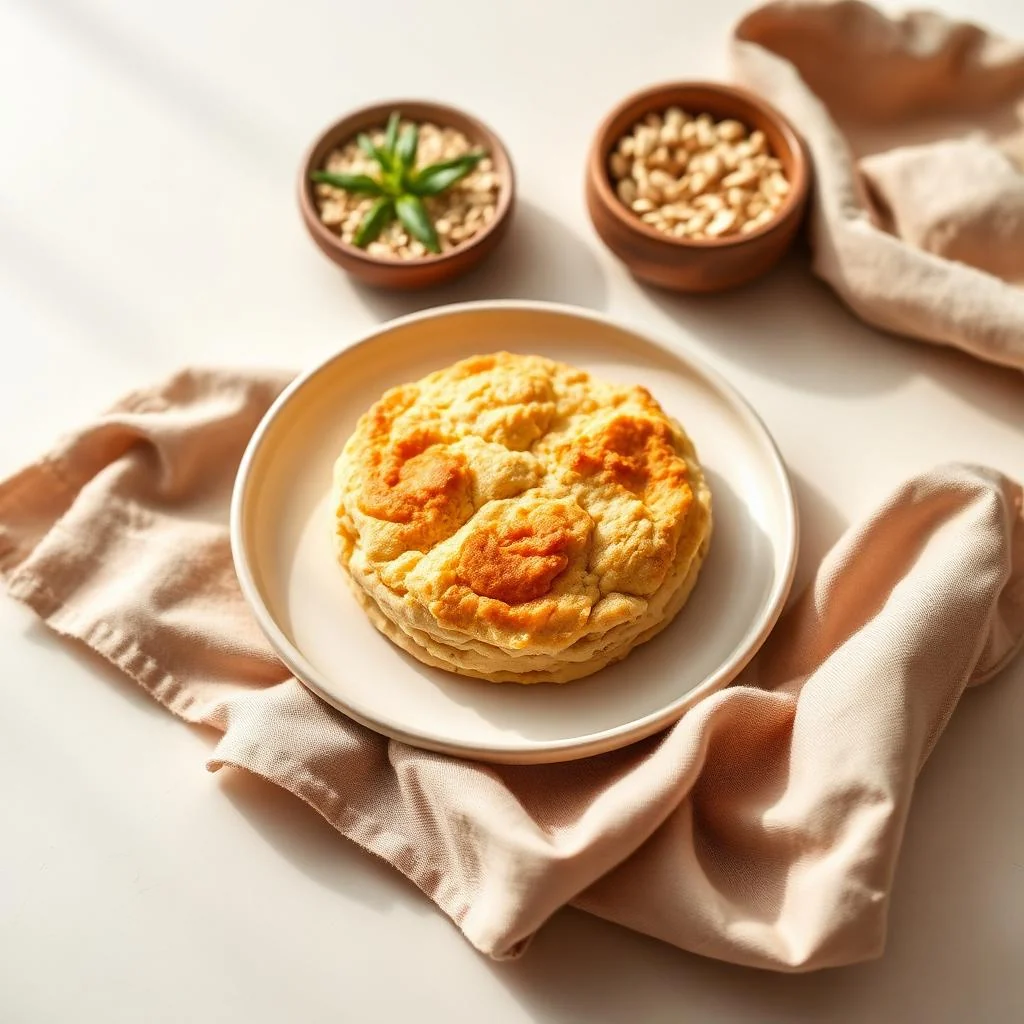
Ingredients
- 2 cups (250g) rice flour
- 1 cup (120g) tapioca starch
- 2 tsp (10g) xanthan gum
- 1/2 cup (115g) cold butter, cut into small pieces
- 3/4 cup (180ml) buttermilk
- 1 large egg
- 1/2 tsp (2g) salt
- 1 tsp (5g) sugar
- 1/4 cup (30g) chopped fresh chives
- 1/2 tsp (2g) black pepper
Instructions
- In a large mixing bowl, combine the rice flour, tapioca starch, xanthan gum, salt, sugar, and black pepper. Whisk the ingredients together until they're well combined.
- Add the cold butter to the dry ingredients and use a pastry blender or fork to work it into the flour mixture until it resembles coarse crumbs.
- In a separate bowl, whisk together the buttermilk and egg until they're well combined.
- Add the wet ingredients to the dry ingredients and stir the mixture until it forms a shaggy dough.
- Turn the dough out onto a floured surface and gently knead it a few times until it comes together.
- Roll the dough out to a thickness of about 1 inch (2.5cm) and use a biscuit cutter or the rim of a glass to cut out the biscuits.
- Gather the scraps, re-roll the dough, and cut out additional biscuits.
- Place the biscuits on a baking sheet lined with parchment paper, leaving about 1 inch (2.5cm) of space between each biscuit.
- Brush the tops of the biscuits with a little bit of melted butter and sprinkle with chopped chives.
- Bake the biscuits in a preheated oven at 425°F (220°C) for 12-15 minutes, or until they're golden brown and have an internal temperature of 190-200°F (88-93°C).
- Remove the biscuits from the oven and let them cool on a wire rack for a few minutes before serving.