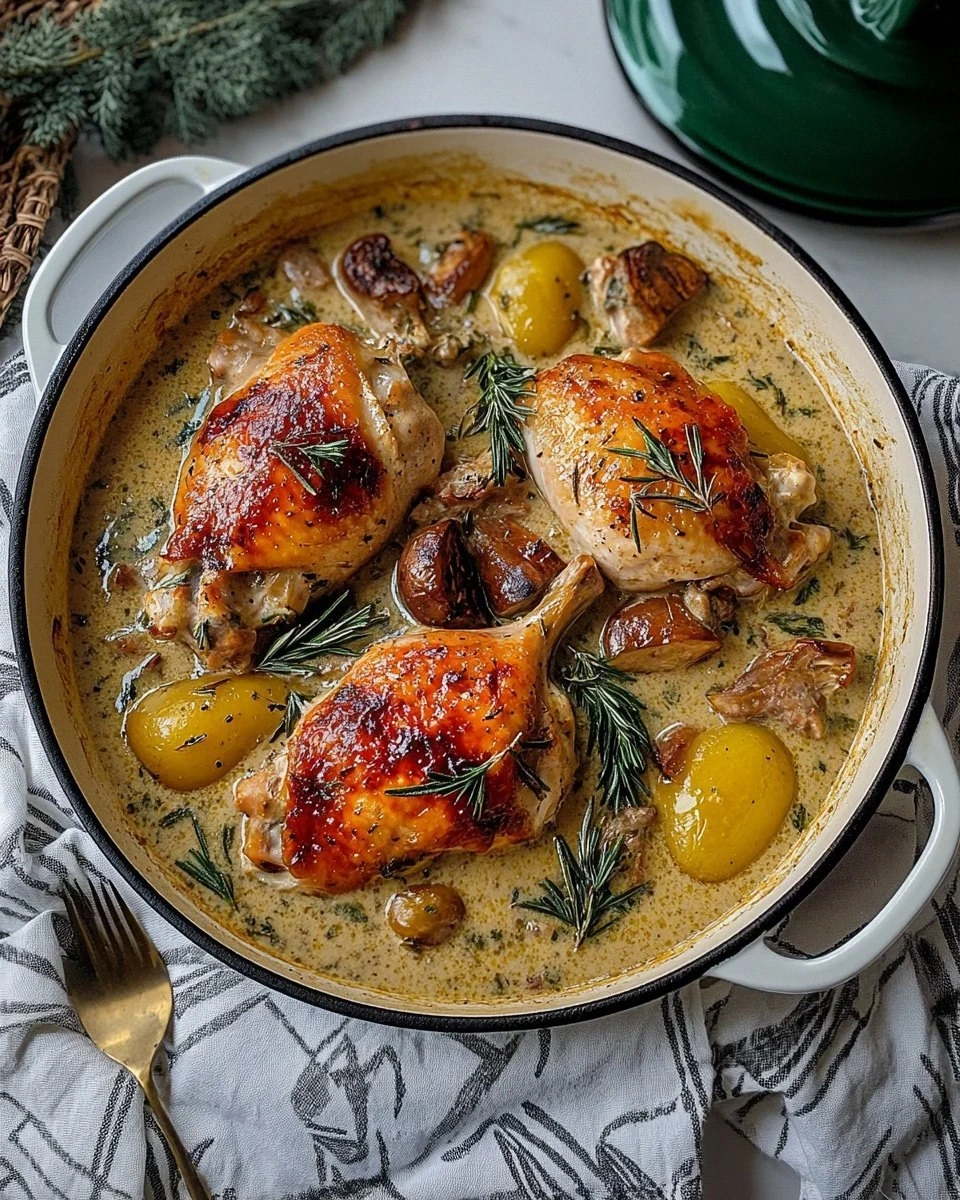
I once tried to impress a date with a classic roast chicken, but the kitchen turned into a smoke‑filled disaster zone and the only thing that survived was my ego. The bird came out pale, the sauce was a watery mess, and I swear I heard the timer mock me as it buzzed. Fast forward a few weeks, a friend dared me to make something that would make even the most stubborn meat‑phobe swoon, and I accepted the challenge with a grin that said, “Bring it on.” What emerged was a dish so fragrant, so buttery, and so decadently silky that the smoke alarm finally gave up and stayed silent.
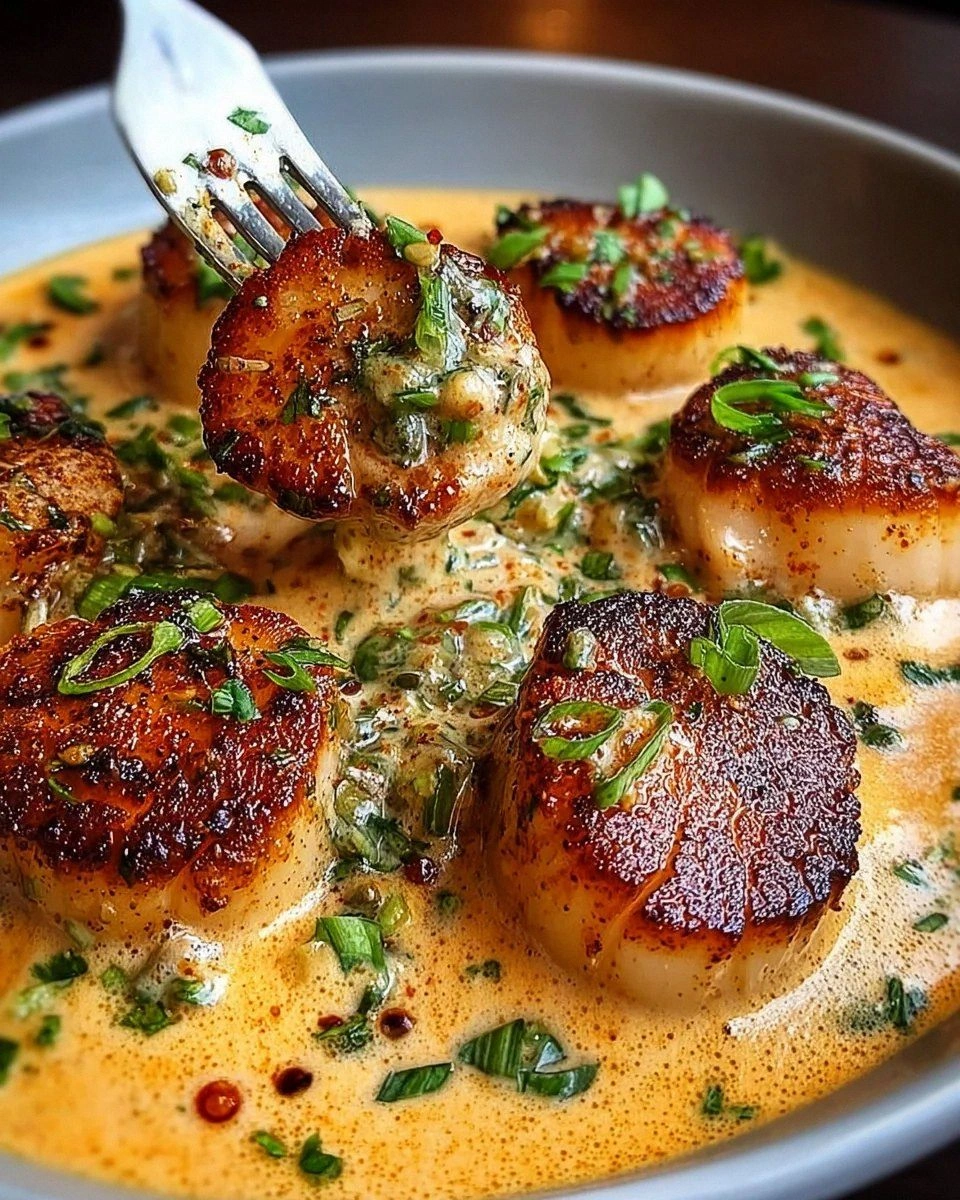
Picture this: the oven door swings open and a golden‑brown chicken, speckled with rosemary and thyme, releases a perfume that instantly transports you to a sun‑drenched Provençal market. The skin crackles like fresh autumn leaves, while the meat stays juicy enough to slide off the bone with the slightest nudge. When the sauce hits the plate, it coats the slices like a velvety curtain, shimmering with a pale amber glow that hints at the wine‑infused richness within. Every bite delivers a contrast—crisp, caramelized edges that shatter like thin ice against a buttery, creamy interior that whispers of garlic, lemon, and a hint of smoked paprika.
Most recipes get this completely wrong. They either drown the chicken in a sauce that never thickens, or they roast it at a temperature that leaves the meat dry and the skin limp. My version flips the script by searing the bird first, locking in juices, then finishing it low and slow while the sauce builds flavor in the same pan. The secret? A splash of dry white wine that deglazes the caramelized bits, followed by a quick whisk of flour and cream that transforms those browned fragments into a sauce that’s pure, unadulterated comfort. I dare you to taste this and not go back for seconds.
Okay, ready for the game‑changer? I’m about to walk you through every single step—by the end, you’ll wonder how you ever made this any other way. Stay with me here — this is worth it.
What Makes This Version Stand Out
- Flavor Explosion: The combination of fresh herbs, lemon zest, and a splash of white wine creates layers that build with each bite, turning a simple roast into a gourmet experience.
- Texture Harmony: Crispy, caramelized skin meets melt‑in‑your‑mouth meat, while the sauce offers a silk‑smooth finish that coats every morsel like velvet.
- Simplicity: Only a handful of pantry staples and fresh herbs are needed; no fancy equipment, just a good oven and a sturdy skillet.
- Unique Twist: The addition of smoked paprika adds a subtle smoky depth that most traditional herb roasts completely miss.
- Crowd Reaction: Guests invariably ask for the recipe, and the “wow” factor is so high that even kids will beg for seconds.
- Ingredient Quality: Using a dry, crisp white wine and fresh, aromatic herbs elevates the dish from everyday to restaurant‑level.
- Cooking Method: The two‑step roast (sear then bake) guarantees juicy meat and perfectly crisp skin without the guesswork.
- Make‑Ahead Potential: The sauce can be prepared ahead of time and reheated, while the chicken holds its texture beautifully for up to two days.
Alright, let's break down exactly what goes into this masterpiece...
Inside the Ingredient List
The Flavor Base
Fresh herbs are the heart of this dish. Rosemary brings piney, resinous notes, while thyme adds an earthy, slightly minty undertone that pairs beautifully with the lemon. If you’re missing fresh rosemary, a teaspoon of dried works, but the aroma won’t be as vibrant. For thyme, a pinch of dried thyme can substitute, yet fresh leaves release essential oils that make the sauce sing. Choose herbs that are bright green, free of wilting, and give them a quick slap with the back of a knife to release their oils before tossing them onto the chicken.
The Texture Crew
Olive oil and butter collaborate to create a skin that’s both crisp and flavorful. Olive oil raises the smoke point, preventing the skin from burning, while butter adds that luxurious, nutty finish. If you’re dairy‑free, swap butter for a tablespoon of ghee; the result is still glossy and rich. Salt and pepper are the classic duo that amplifies every other flavor—don’t be shy, season the chicken generously on both sides. Remember, seasoning early allows the salt to penetrate the meat, ensuring every bite is seasoned throughout.
The Unexpected Star
White wine is the secret weapon that transforms the pan drippings into a sauce with depth and brightness. Choose a dry wine you’d actually drink; the acidity cuts through the butter, while the subtle fruit notes lift the whole dish. If wine isn’t your thing, a splash of dry sherry or even a good quality chicken stock with a splash of lemon juice can mimic the effect. The heavy cream, added at the end, creates that silky mouthfeel—think of it as the silk scarf that ties a sophisticated outfit together.
The Final Flourish
A modest amount of flour acts as a thickening agent, but it also adds a subtle nutty flavor when whisked into the hot pan. Dijon mustard contributes a gentle tang that brightens the sauce without overpowering the herbs. Smoked paprika, though optional, introduces a whisper of wood‑smoked sweetness that balances the lemon’s acidity. When you’re ready to serve, a final sprinkle of fresh parsley adds a pop of color and a fresh herbal lift that makes the plate look as good as it tastes.
Everything's prepped? Good. Let's get into the real action...
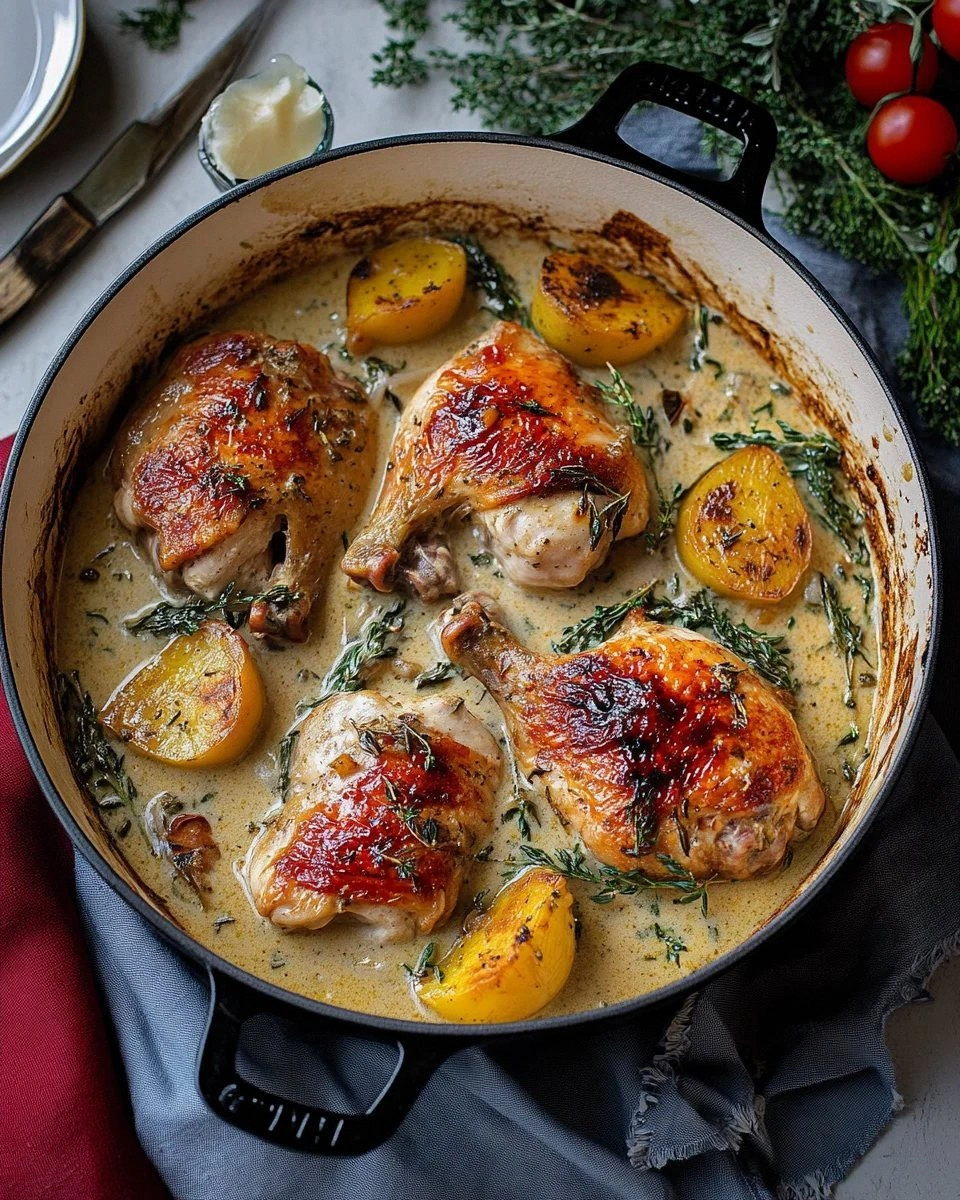
The Method — Step by Step
Preheat your oven to 425°F (220°C). While the oven heats, pat the chicken thighs dry with paper towels—this is the moment the skin decides whether it will become a crisp masterpiece or a soggy disappointment. Drizzle the thighs with olive oil, then rub them all over with a generous pinch of salt, pepper, and the chopped rosemary and thyme. Let the seasoned bird rest for five minutes; this short pause lets the herbs adhere and the salt start its magic.
Heat a large, oven‑safe skillet (cast iron works wonders) over medium‑high heat and add the butter. When the butter foams and begins to turn a light amber, place the chicken thighs skin‑side down. Hear that sizzle? That’s the sound of flavor being locked in. Cook for about 5‑6 minutes without moving the pieces, allowing the skin to turn a deep golden‑brown and become irresistibly crisp.
Flip the thighs and add the minced garlic, lemon zest, and smoked paprika to the pan. Stir quickly—garlic burns faster than you think, so keep the heat lively but not raging. As the garlic releases its aroma, it should turn a light golden hue, signaling it’s ready for the next step.
Now comes the deglazing moment: pour in the white wine, scraping the browned bits (fond) from the bottom of the pan with a wooden spoon. The pan will hiss and steam, and the wine will reduce by half in about 3‑4 minutes, concentrating its flavor. Watch Out: If you add the wine too quickly or at a too‑low temperature, the sauce will stay thin and watery.
Stir in the flour, whisking constantly to create a roux that will thicken the sauce. The mixture should look like a smooth paste—no lumps! Then add the chicken broth, heavy cream, and Dijon mustard, continuing to whisk until the sauce is glossy and begins to thicken, about 2‑3 minutes. At this stage, the sauce should coat the back of a spoon and have a silky texture that slides effortlessly.
Return the chicken thighs to the skillet, skin side up, nestling them into the sauce. Transfer the entire skillet to the preheated oven. Roast for 20‑25 minutes, or until the internal temperature reaches 165°F (74°C) and the skin is still crisp. The oven’s heat will finish cooking the meat while the sauce bubbles gently, infusing every bite with herbaceous richness.
While the chicken bakes, keep an eye on the sauce. If it looks too thick, splash in a tablespoon of warm water or extra broth; if it’s too thin, let it reduce uncovered for a few minutes. When the timer dings, remove the skillet and let the chicken rest for five minutes—this rest lets the juices redistribute, making every bite juicy.
Finish with a final sprinkle of fresh parsley and a few lemon wedges on the side. The parsley adds a burst of green color, while the lemon wedges invite guests to add a bright, acidic pop if they wish. Serve the chicken thighs on a warmed platter, spooning generous amounts of the creamy white wine sauce over each piece. That sizzle when it hits the pan? Absolute perfection.
That's it — you did it. But hold on, I've got a few more tricks that'll take this to another level…
Insider Tricks for Flawless Results
The Temperature Rule Nobody Follows
Most home cooks start their oven at a scorching 450°F and then lower it, hoping to speed up cooking. In reality, a steady 425°F gives the skin enough heat to crisp without burning the meat underneath. If you’re using a convection oven, drop the temperature by 25°F and keep an eye on the skin. A friend once tried the “high‑heat blast” and ended up with burnt skins and undercooked meat—lesson learned.
Why Your Nose Knows Best
When the wine reduces, you’ll notice a sweet, fruity aroma that turns slightly nutty—that’s the cue that the alcohol has evaporated and the flavor is concentrating. If you still smell raw alcohol, keep simmering a little longer. Trust your nose more than a timer; it’s the most reliable sensor in the kitchen.
The 5‑Minute Rest That Changes Everything
Resting is often overlooked, but those five minutes let the muscle fibers relax and reabsorb the juices they expelled during cooking. Skipping this step results in a dry bite, no matter how perfect the sauce is. Cover the chicken loosely with foil during the rest so the skin stays crisp while the interior stays warm.
Sauce Rescue: The Creamy Fix
If your sauce looks a bit thin after the oven, whisk in a splash of cold heavy cream and a pinch of flour slurry (flour mixed with cold water). The cold cream stops the sauce from curdling, and the slurry thickens without adding a starchy aftertaste. A quick stir over low heat, and you’ll have a velvety finish that clings to the chicken like a second skin.
Herb Infusion Shortcut
Instead of sprinkling fresh herbs directly onto the raw chicken, toss them with a tablespoon of olive oil and let them sit for ten minutes before rubbing onto the meat. This “herb oil” not only distributes flavor more evenly but also creates a barrier that helps the skin stay crisp. My cousin tried skipping this step and ended up with herb‑burnt spots on the skin.
Creative Twists and Variations
This recipe is a playground. Here are some of my favorite ways to switch things up:
Mushroom Medley
Add a cup of sliced cremini or shiitake mushrooms to the pan after deglazing. They’ll soak up the wine and release earthy juices that deepen the sauce. Perfect for mushroom lovers who crave an umami punch.
Mediterranean Flair
Swap the rosemary for a handful of chopped olives and sun‑dried tomatoes. The briny olives and sweet tomatoes bring a Mediterranean vibe that pairs beautifully with the lemony sauce. Serve over couscous for a complete meal.
Spicy Kick
Stir in a teaspoon of harissa paste or a pinch of red‑pepper flakes when you add the cream. The heat cuts through the richness, creating a balanced heat‑and‑cream experience that will surprise your palate.
Herb‑Free Simplicity
If fresh herbs aren’t on hand, use a high‑quality herb‑infused olive oil and a splash of lemon juice at the end. The oil carries the herb flavor, while the lemon adds brightness without the need for zest.
Cheesy Finish
Just before serving, stir in a quarter cup of grated Parmesan or Pecorino. The cheese melts into the sauce, adding a salty, nutty dimension that makes the dish feel even more indulgent.
Storing and Bringing It Back to Life
Fridge Storage
Place leftovers in an airtight container and refrigerate for up to three days. The sauce may thicken as it cools; simply reheat gently and whisk in a splash of chicken broth or water to restore its silky texture.
Freezer Friendly
Both the chicken and sauce freeze beautifully. Separate them into freezer‑safe bags or containers, label with the date, and store for up to two months. Thaw overnight in the fridge, then reheat on the stove over low heat, adding a bit of liquid to loosen the sauce.
Best Reheating Method
Reheat on the stovetop over medium‑low heat, stirring frequently. Add a tablespoon of water or broth before you start; the steam will revive the sauce’s creaminess and prevent the chicken from drying out. Avoid microwaving, as it can make the skin soggy and the sauce grainy.