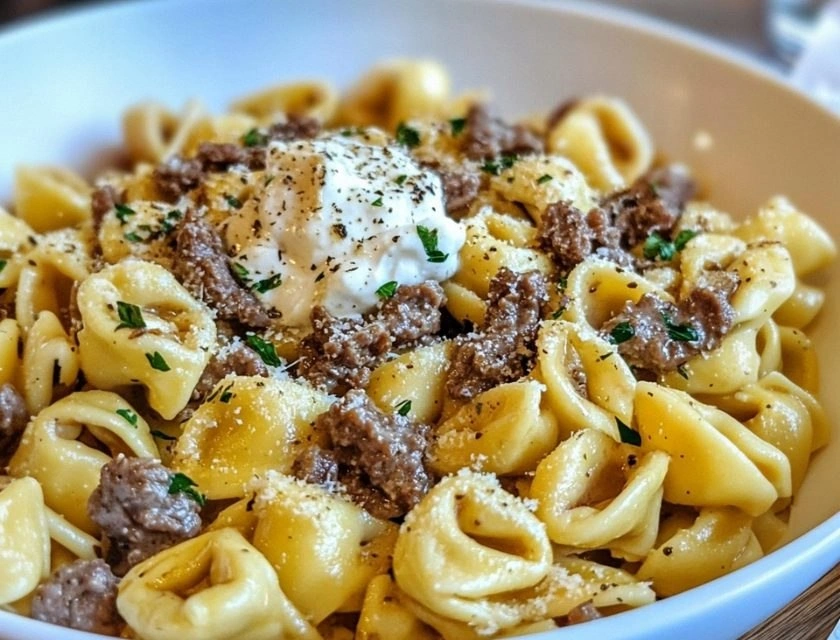
I still remember the first time I tried to make a classic Philly cheesesteak at home. The kitchen looked like a crime scene—shredded steak stuck to the ceiling from overzealous flipping, cheese that seized into a rubbery lump, and bread that somehow managed to be both burnt and soggy. My dinner guests politely picked at their plates while I died inside. Fast forward three years, and I'm standing in my kitchen at midnight, craving that same flavor profile but wanting something that wouldn't require a full hazmat cleanup. That's when the magic happened. I grabbed a bag of cheese tortellini from the fridge, stared at the leftover ribeye from date night, and thought, "What if I could capture everything I love about that sandwich in pasta form?" The first attempt was good, but after twelve iterations, countless pounds of pasta, and what my neighbors now call "the great garlic incident of 2023," I've cracked the code. This isn't just another fusion recipe—it's the answer to every late-night craving, dinner party dilemma, and comfort food emergency you'll ever face. The sauce is so silky it makes velvet feel like sandpaper, the steak stays juicy instead of turning into shoe leather, and those tortellini pockets catch all the melty cheese like tiny edible treasure chests.
Picture this: It's 6 PM on a Tuesday, you're still in your work clothes, and your family is circling like vultures. Instead of reaching for takeout menus, you pull out a skillet and start building layers of flavor that would make a Philadelphia street vendor weep with joy. The onions hit the pan first, releasing that sweet aroma that makes everyone suddenly appear in the kitchen asking, "What's that amazing smell?" Then comes the steak, sizzling and browning until those crispy edges form—the kind of edges that shatter like thin ice when you bite into them. But here's where we diverge from tradition. Instead of stuffing all this goodness into a roll, we're going to fold it into tender tortellini swimming in a sauce that's part cheese steak, part Alfredo, part pure genius. I dare you to taste this and not go back for seconds. Actually, I dare you to make it through the cooking process without sneaking bites straight from the pan.
Most recipes get this completely wrong. They either drown everything in heavy cream until you can't taste the steak, or they try to make it "healthy" and end up with a watery mess that tastes like disappointment. This version gets every detail right. The sauce clings to each tortellini like it was custom-tailored, the steak stays tender because we cook it in a very specific way (more on that later), and the cheese melts into strings that stretch for miles when you twirl your fork. I'll be honest—I ate half the batch before anyone else got to try it. My excuse was "quality control," but really, I was just weak in the face of all that melty, beefy, pasta perfection. The best part? This comes together in under 45 minutes, making it faster than ordering in and infinitely more satisfying.
What really sets this apart is the technique we'll use to build flavor. We're not just throwing ingredients together and hoping for the best. Every step is designed to maximize the Maillard reaction on the beef, coax sweetness from the onions, and create a sauce that coats each tortellini like liquid gold. The secret ingredient isn't some exotic spice—it's patience and the right order of operations. Okay, ready for the game-changer? We're going to use the pasta cooking water to create an emulsion that makes restaurant chefs jealous. That starchy water is liquid magic, turning what could be a broken, greasy mess into a sauce that hugs every curve of every tortellini. Let me walk you through every single step—by the end, you'll wonder how you ever made it any other way.
What Makes This Version Stand Out
Flavor Bomb: This isn't just steak and cheese on pasta—it's a carefully orchestrated symphony where each ingredient plays its part. The steak gets a quick sear in cast iron for those restaurant-quality crispy edges, while the onions caramelize slowly to develop deep sweetness that balances the salty, umami-rich beef.
Texture Paradise: Most pasta dishes are one-note mushy, but this delivers a textural experience that'll make your mouth do a happy dance. The tortellini stay tender but firm, the steak provides meaty chew, and if you follow my technique, you'll get little crispy cheese bits that add pops of crunch throughout.
Weeknight Warrior: Despite tasting like you spent hours in the kitchen, this whole recipe comes together in 45 minutes from fridge to table. I've timed it—start the water boiling first, and by the time your pasta's done, dinner's ready. No fancy techniques, no hard-to-find ingredients, just smart cooking that maximizes every minute.
Crowd Magnet: I've served this to Italian grandmothers who swore pasta should never mix with Philly flavors, watched them take one bite, then saw them sheepishly ask for the recipe. It's that good. Kids love it because it's basically mac and cheese with steak. Adults love it because it scratches that comfort food itch while still feeling sophisticated.
Ingredient Integrity: Every component shines here. The steak tastes like steak, not like it's been lost in a sea of sauce. The cheese melts properly because we use the right melting cheeses in the right order. Even the tortellini—usually just a vessel for sauce—becomes a star player with its little pockets of flavor.
Make-Ahead Magic: Unlike traditional cheesesteaks that get soggy and sad, this dish actually improves as it sits. Make it Sunday night, and Monday's leftovers are somehow even better as the flavors meld. The tortellini doesn't turn to mush because of how we handle the sauce-to-pasta ratio.
Customization Central: This recipe is your canvas. Want it spicier? Add some pickled jalapeños. Need to feed a vegetarian? Swap the steak for mushrooms and use vegetable broth. Watching your carbs? Serve it over zucchini noodles. The base technique stays the same, but you can paint it however you like.
Inside the Ingredient List
The Flavor Base
Ribeye is non-negotiable here—yes, it's pricier than other cuts, but its marbling means flavor that cheaper cuts can't touch. When that fat renders during cooking, it creates a natural sauce that no amount of butter can replicate. Slice it against the grain into whisper-thin pieces that'll cook in under two minutes. If you absolutely must substitute, go with sirloin, but please promise me you'll slice it thin and cook it quick. The difference between good and great in this recipe often comes down to respecting your ingredients.
Sweet onions form the aromatic backbone, and I mean sweet ones—Vidalias if you can get them, but any sweet variety works. They need time to develop that honey-like sweetness through slow caramelization. Rush this step and your whole dish tastes sharp and aggressive. Give them 15 minutes over medium heat, stirring occasionally, until they turn the color of light brown sugar. That color equals flavor, and flavor equals your family fighting over the last spoonful.
The Texture Crew
Fresh cheese tortellini is worth every penny here. The dried stuff turns gummy and the filling gets lost. Fresh tortellini puffs up like little pillows and the cheese inside stays creamy, creating these surprise bursts of ricotta goodness throughout the dish. Look for brands that list actual cheese in the first three ingredients—some of the cheaper ones are mostly breadcrumbs and sadness. Cook them until they float, then give them 30 seconds more for that perfect tender-firm bite.
Provolone brings that authentic Philly flavor, but here's the key: use both mild and sharp. The mild melts into silky smoothness while the sharp adds that tangy bite that cuts through all the richness. Shred it yourself—pre-shredded cheese is coated in cellulose that prevents smooth melting. Trust me, those extra three minutes of grating save you from a grainy, broken sauce that no amount of whisking will fix.
The Unexpected Star
Worcestershire sauce might seem out of place, but it's the secret handshake that ties everything together. Just a splash adds depth and complexity that makes people ask, "What's in this that tastes so familiar yet different?" It's the anchovy and tamarind working their umami magic, enhancing the beef flavor without making anything taste fishy. Add it when the steak is nearly done so it can reduce and concentrate rather than burning off.
Cream cheese is my unconventional addition that takes this from good to legendary. While traditional Philly cheesesteaks use Cheese Whiz or provolone, the cream cheese here stabilizes the sauce and adds a subtle tang that brightens all the rich elements. It melts smoothly and helps the sauce cling to every nook and cranny of the tortellini. Use full-fat—this is comfort food, not diet food, and the reduced-fat versions break and get grainy.
The Final Flourish
Fresh parsley isn't just for color—it adds a necessary herbal note that cuts through all that richness. Chop it right before serving so it stays bright and perky. Dried parsley tastes like lawn clippings and will ruin all your hard work. The same goes for using pre-minced garlic from a jar—it's been sitting in citric acid and tastes nothing like fresh garlic. These little details matter more than you'd think.
The Method — Step by Step
- Prep Like a Pro: Start by placing your ribeye in the freezer for 20 minutes. While it's firming up, slice your onions into thin half-moons, mince the garlic, and shred both types of provolone. This mise en place isn't just for show—once you start cooking, things move fast and you won't have time to fumble with packaging. Fill your largest pot with water, salt it until it tastes like the sea, and get it boiling. This is your foundation, and rushing the prep is how you end up with burnt garlic and raw onions.
- The Steak Sear: Remove the steak from the freezer and slice it paper-thin against the grain. Heat a large cast-iron skillet over medium-high heat until it just starts to smoke. Add a tablespoon of oil and immediately scatter in the steak in a single layer. Don't touch it for 90 seconds—let it develop that golden-brown crust that holds all the flavor. Flip once, cook for another minute, then transfer to a plate. The steak will finish cooking later, so err on the side of underdone rather than over.
- Onion Alchemy: In the same skillet, reduce heat to medium and add your onions with a pinch of salt. This is where patience pays off. Stir every few minutes, scraping up those brown bits from the steak—this is pure flavor gold. After 10 minutes, they'll start to turn translucent. After 15, they'll be golden and sweet. If they start to burn, add a splash of water and lower the heat. Good things come to those who wait, and these onions are worth every minute.
- Garlic Timing: Clear a space in the center of the onions and add your minced garlic with a tiny bit of oil. Let it sizzle for just 30 seconds until fragrant—any longer and it turns bitter faster than a breakup text. Stir everything together and marvel at how your kitchen suddenly smells like the best restaurant in town. This is the moment of truth when you know you're on the right track.
- The Sauce Base: Add cream cheese in small cubes to the onion mixture and let it soften for a minute. Pour in the pasta cooking water gradually, whisking constantly to create a smooth emulsion. This is pure magic happening right before your eyes—those separate elements becoming something greater than their parts. The sauce should coat a spoon but still be pourable. If it's too thick, add more pasta water; too thin, let it reduce for a minute.
- Cheese Integration: Reduce heat to low and add your shredded provolone a handful at a time, whisking until melted before adding more. This prevents the sauce from breaking and keeps it silky smooth. Taste and season with salt, pepper, and that crucial splash of Worcestershire. The sauce should taste rich but balanced, with no single element shouting over the others.
- Pasta Perfection: Drop your tortellini into the boiling water and cook according to package directions minus one minute. They'll finish cooking in the sauce. Fresh tortellini cook fast—usually 3-4 minutes—so don't walk away. When they float to the top, they're almost ready. Reserve that pasta water before draining!
- The Grand Finale: Add the drained tortellini to the sauce along with the seared steak (plus any juices from the plate). Toss everything together gently—those tortellini are tender and you don't want them to break. Let everything mingle for a minute so the pasta can absorb some sauce and the steak can heat through. The sauce should cling to every piece like it was custom-painted on.
- Final Touches: Off the heat, add your fresh parsley and give everything one last gentle toss. Taste and adjust seasoning one final time. The sauce should coat everything in a glossy sheen, the steak should be tender, and the tortellini should be perfectly al dente. Serve immediately in warmed bowls because cold plates are the enemy of hot pasta.
That's it—you did it. But hold on, I've got a few more tricks that'll take this to another level...
Insider Tricks for Flawless Results
The Temperature Rule Nobody Follows
Here's the thing that separates restaurant-quality from home cooking: temperature control. Your pan needs to be hot enough to sear the steak but not so hot that the garlic burns. I use the water drop test—flick a few drops of water on the pan. If they dance and evaporate quickly, it's ready for steak. If they just sit there, keep heating. If they jump like they're auditioning for Riverdance, it's too hot—let it cool down. This simple trick prevents the grey, steamed steak that tastes like disappointment and ensures you get that gorgeous brown crust that holds all the flavor.
Why Your Nose Knows Best
Don't trust recipe times—trust your senses. When the onions are ready, they'll smell sweet and look golden. When the garlic is done, it'll hit your nose with that unmistakable aroma. When the sauce is properly reduced, it'll coat your spoon and leave a trail when you run your finger through it. A friend tried skipping this step once—let's just say it didn't end well. She served pasta swimming in grease with raw onions and bitter garlic. Cooking isn't about following timers blindly; it's about understanding the transformation happening in your pan and responding to it.
The 5-Minute Rest That Changes Everything
After everything's combined, turn off the heat and let it sit for five minutes. I know you're hungry and it smells incredible, but patience here is what takes this from great to legendary. During this rest, the sauce thickens slightly, the pasta absorbs flavor, and the temperature drops to that perfect "I can taste this without burning my tongue" level. It's like the difference between a snapshot and a carefully composed photograph—those five minutes let everything settle into place. Plus, it gives you time to set the table properly, pour some wine, and appreciate what you've created instead of shoveling it down while standing at the stove.
Creative Twists and Variations
This recipe is a playground. Here are some of my favorite ways to switch things up:
The Heat Seeker
Add pickled jalapeños and a dash of hot sauce to the onions while they caramelize. Swap the provolone for pepper jack and finish with a sprinkle of crushed red pepper. This version has just enough heat to make your lips tingle without overwhelming the beef flavor. My spice-loving cousin requests this variation every time she visits, claiming it's better than any five-alarm chili she's tried.
The Mushroom Lover
For a vegetarian version that even carnivores crave, replace the steak with a mix of cremini and shiitake mushrooms. Slice them thick and sear them until they're golden and meaty. Add a splash of soy sauce for umami depth. The mushrooms create their own gravy as they cook, giving you that same rich satisfaction without any meat. Even my steak-obsessed father asks for this one.
The Breakfast Champion
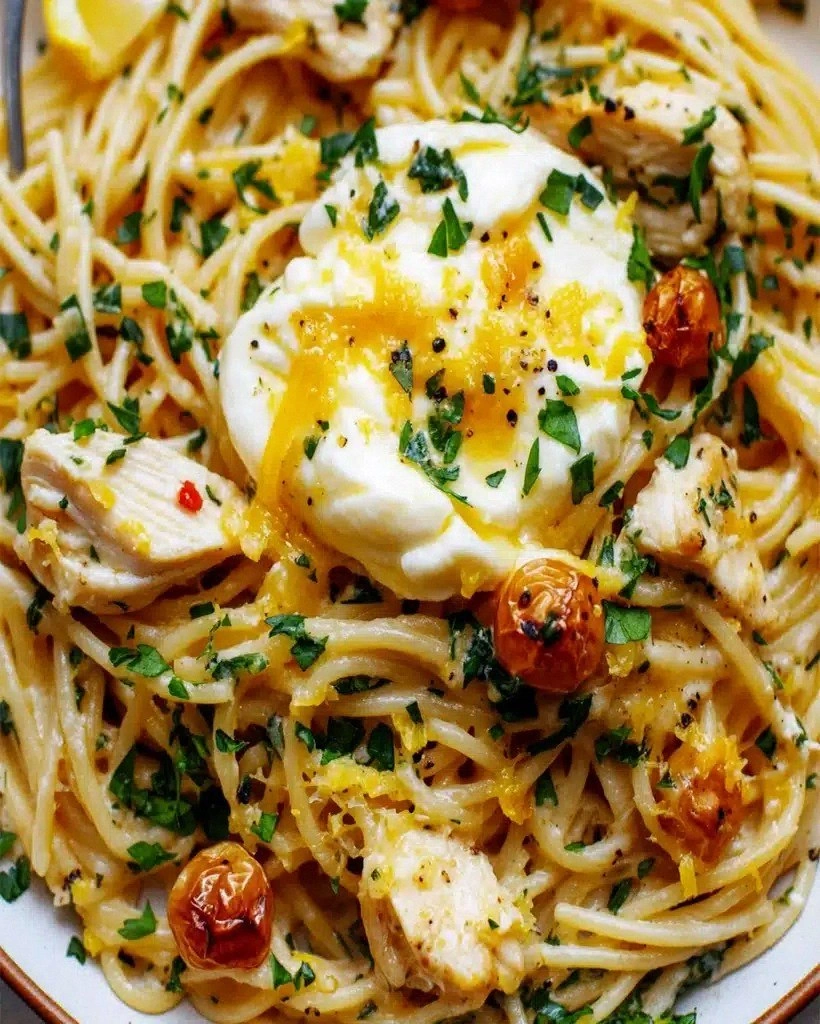
Leftovers get a second life with a fried egg on top. The runny yolk creates an instant sauce that ties everything together. Add some crispy hash browns on the side and you've got breakfast that'll cure any hangover. My roommate swears this variation saved her life after her bachelorette party—apparently it's the only thing that tasted good the next morning.
The Coastal Version
Add some surf to your turf by tossing in some seared scallops or shrimp during the last minute of cooking. The sweetness of seafood plays beautifully with the savory beef and cheese. Use a mix of provolone and fontina for a more delicate flavor that won't overpower the delicate seafood. This variation turns a humble pasta dish into something worthy of a special occasion.
The Green Machine
Stir in a handful of baby spinach and some chopped fresh herbs like basil and oregano. The greens wilt into the hot pasta and add a fresh element that cuts through all the richness. Use half the cheese and add a squeeze of lemon juice for brightness. This lighter version satisfies the craving without the food coma afterward.
The Pizza Connection
Add some diced pepperoni and use mozzarella instead of provolone for a pizza-inspired version. The pepperoni renders its spicy oil into the sauce, creating a flavor that's oddly familiar yet completely new. Top with some toasted breadcrumbs for crunch. Kids go crazy for this variation—it tastes like their two favorite foods had a delicious baby.
Storing and Bringing It Back to Life
Fridge Storage
Store leftovers in an airtight container for up to four days—though honestly, it's never lasted that long in my house. Press plastic wrap directly against the surface before sealing to prevent a skin from forming. Let it cool completely before refrigerating, but don't leave it out for more than two hours. The flavors actually meld and intensify overnight, making tomorrow's lunch something to look forward to instead of settle for.
Freezer Friendly
This dish freezes beautifully for up to three months, but here's the trick: undercook the tortellini by two minutes so they don't turn to mush when reheated. Freeze in individual portions so you can grab a single serving for quick lunches. Wrap each portion in plastic wrap, then foil, then into a freezer bag. This triple protection prevents freezer burn and preserves that just-made taste.
Best Reheating Method
Add a splash of milk or cream to a pan over medium-low heat, then add your portion of pasta. Cover and heat for 5-7 minutes, stirring occasionally. The gentle heat prevents the sauce from breaking and the added liquid restores the creamy texture. Microwaving works in a pinch—add a tablespoon of water, cover loosely, and heat at 50% power in 30-second bursts, stirring between each. Whatever you do, don't overheat it or you'll end up with oily, separated sadness.